
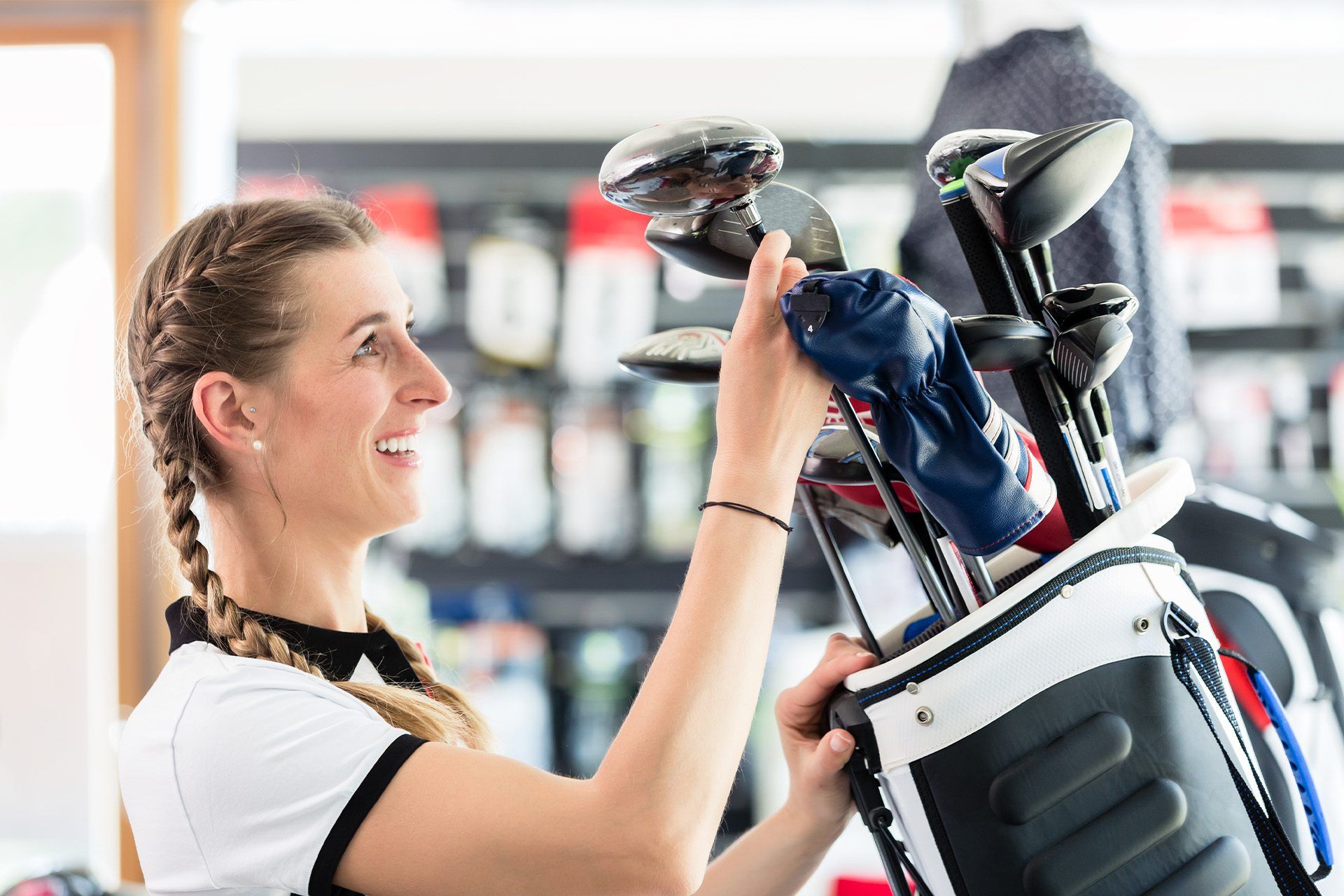
Although I will date myself here, there is a ’60s song by The Byrds that applies to this post. “There is a season, Turn, Turn, Turn.” In the world of the golf shop, this line applies in a few different ways. First, most buyers look to create greater turns in their shop, no matter the product category. At the same time, when it comes to specific products, especially golf clubs and golf bags, there is a defined season. Golfers buy clubs maybe every three years, and possibly a new bag too. It is important to plan the purchasing according to the season (cycle). You do not want an overabundance of golf clubs this season as Thanksgiving arrives. Working, therefore, to sell off or return this year’s clubs is essential to preparing for the appropriate inventory levels moving into the spring.
With the arrival of August, and with less than 100 days remaining in the season, I want to provide a few thoughts on the golf shop and the changes taking place through the magic of the pandemic bolt the game has experienced. Beginning in June of 2020 the game had a revolution. People were coming by car, bus, and Uber to play. The numbers have been historic. More golfers means more dollars coming in, more brands and people aching to grab a share of the golden tee sheet. Many recently discovered brands are thriving in shops across the country, with even newer brands searching hard for a piece of that priceless shelf space. Before the next buying plan is moved from draft to final copy, I am providing three thoughts on the golf shop as we move into the 2025 planning period:
Decide on the brand mix before the buying begins: The new brands will mean some mature brands must be subtracted. It is important to settle on the mix of suppliers by category to buy to the budget numbers. As your buyer decides on a new mix, the regular suppliers, those expecting to own at least their standard piece of business will be upset. The buyer needs to speak to every sales rep losing shelf space. Relationships should be nurtured despite these decisions.
The buyer should connect with every incoming supplier early on: Provide them with the standards and expectations the leadership has for them. When communication is timely and thorough, the message is for all to move in step to the needs of the account. The buyer can set up individual virtual meetings with every vendor rep to discuss these standards. It is important, I believe, to have those standards in writing and shared with every supplier. This is especially important when it comes to delivery dates, the percentage of goods shipped, added freight costs, and rules on accepting backorders. The more the suppliers know, the more headaches can be avoided once the shipping windows arrive.
Information about the brands and education about the product lineup is important: The golf shop staff should feel comfortable and successful. It is easy to understand why front-line people avoid talking about goods and services they know nothing about. The buyer needs to explain the lineup, the reasons changes are being made, and how the plan is expected to come together. In addition, each supplier rep should set up product materials and time to educate the staff. When people feel confident in the details, they will be confident in their approach to members and guests. The buyer and each rep should have a plan of action, introducing new products to the team.
With more junior golfers, as well as greater diversity, the game is growing in every way. The golf shop selection should mirror these as well as the local changes. In addition, more and more of the 78 million boomers are working less and playing more. Many will have no trouble treating themselves to new golf gear. It is the most amazing time for this business and the game we love. Be sure the shop has the latest brands, the newest ideas, and trained men and women who are excited to help the inventory turn, turn, turn.
—–
Jack Dillon writes the In My Opinion posts. Jack is a consultant, speaker, and expert in the golf shop, operations, service, and more productive communications. Jack can help you build a better team and, golf shop and operation. You can learn more at: www.youdontknowjackd.com. You can also call Jack at 407-973-6136. Jack lives in Orlando.
Thinking about the golf shop in 2025
Although I will date myself here, there is a ’60s song by The Byrds that applies to this post. “There is a season, Turn, Turn, Turn.” In the world of the golf shop, this line applies in a few different ways. First, most buyers look to create greater turns in their shop, no matter the product category. At the same time, when it comes to specific products, especially golf clubs and golf bags, there is a defined season. Golfers buy clubs maybe every three years, and possibly a new bag too. It is important to plan the purchasing according to the season (cycle). You do not want an overabundance of golf clubs this season as Thanksgiving arrives. Working, therefore, to sell off or return this year’s clubs is essential to preparing for the appropriate inventory levels moving into the spring.
With the arrival of August, and with less than 100 days remaining in the season, I want to provide a few thoughts on the golf shop and the changes taking place through the magic of the pandemic bolt the game has experienced. Beginning in June of 2020 the game had a revolution. People were coming by car, bus, and Uber to play. The numbers have been historic. More golfers means more dollars coming in, more brands and people aching to grab a share of the golden tee sheet. Many recently discovered brands are thriving in shops across the country, with even newer brands searching hard for a piece of that priceless shelf space. Before the next buying plan is moved from draft to final copy, I am providing three thoughts on the golf shop as we move into the 2025 planning period:
Decide on the brand mix before the buying begins: The new brands will mean some mature brands must be subtracted. It is important to settle on the mix of suppliers by category to buy to the budget numbers. As your buyer decides on a new mix, the regular suppliers, those expecting to own at least their standard piece of business will be upset. The buyer needs to speak to every sales rep losing shelf space. Relationships should be nurtured despite these decisions.
The buyer should connect with every incoming supplier early on: Provide them with the standards and expectations the leadership has for them. When communication is timely and thorough, the message is for all to move in step to the needs of the account. The buyer can set up individual virtual meetings with every vendor rep to discuss these standards. It is important, I believe, to have those standards in writing and shared with every supplier. This is especially important when it comes to delivery dates, the percentage of goods shipped, added freight costs, and rules on accepting backorders. The more the suppliers know, the more headaches can be avoided once the shipping windows arrive.
Information about the brands and education about the product lineup is important: The golf shop staff should feel comfortable and successful. It is easy to understand why front-line people avoid talking about goods and services they know nothing about. The buyer needs to explain the lineup, the reasons changes are being made, and how the plan is expected to come together. In addition, each supplier rep should set up product materials and time to educate the staff. When people feel confident in the details, they will be confident in their approach to members and guests. The buyer and each rep should have a plan of action, introducing new products to the team.
With more junior golfers, as well as greater diversity, the game is growing in every way. The golf shop selection should mirror these as well as the local changes. In addition, more and more of the 78 million boomers are working less and playing more. Many will have no trouble treating themselves to new golf gear. It is the most amazing time for this business and the game we love. Be sure the shop has the latest brands, the newest ideas, and trained men and women who are excited to help the inventory turn, turn, turn.
—–
Jack Dillon writes the In My Opinion posts. Jack is a consultant, speaker, and expert in the golf shop, operations, service, and more productive communications. Jack can help you build a better team and, golf shop and operation. You can learn more at: www.youdontknowjackd.com. You can also call Jack at 407-973-6136. Jack lives in Orlando.
Jack Dillon
Related Posts
The architecture of profit: golf course designers share what makes courses fun, profitable and long-lasting
Top golf course designers and architects share the lessons they’ve learned about creating courses that deliver playability, efficiency and long-term value.
How tee-time technology is transforming golf operations
Tee sheets are transforming from simple booking tools into fully integrated digital command centers for modern clubs.
Golf course sales in 2025: Key deals, buyers and market trends
Deal volume cooled from recent highs, but strong demand and strategic buyers kept the golf market active.
The architecture of profit: golf course designers share what makes courses fun, profitable and long-lasting
Top golf course designers and architects share the lessons they’ve learned about creating courses that deliver playability, efficiency and long-term value.
Troon to manage Grande Oaks Golf Club in Florida
Troon has been chosen to manage Grande Oaks Golf Club in Davie, Florida. The company’s Troon Privé division will manage club operations, agronomy, food & beverage, retail, and membership sales and marketing.
How tee-time technology is transforming golf operations
Tee sheets are transforming from simple booking tools into fully integrated digital command centers for modern clubs.
Featured
The architecture of profit: golf course designers share what makes courses fun, profitable and long-lasting
Top golf course designers and architects share the lessons they’ve learned about creating courses that deliver playability, efficiency and long-term value.
Troon to manage Grande Oaks Golf Club in Florida
How tee-time technology is transforming golf operations
Faces of Golf Technology: Greg Robison
Bobby Jones Links to manage Delray Beach Golf Club, Lakeview Golf Club amid $32 million renovation
Latest Posts
The architecture of profit: golf course designers share what makes courses fun, profitable and long-lasting
Top golf course designers and architects share the lessons they’ve learned about creating courses that deliver playability, efficiency and long-term value.
How tee-time technology is transforming golf operations
Tee sheets are transforming from simple booking tools into fully integrated digital command centers for modern clubs.
Golf course sales in 2025: Key deals, buyers and market trends
Deal volume cooled from recent highs, but strong demand and strategic buyers kept the golf market active.
Innovation is changing golf as a business
New formats, smarter operations and experience-driven amenities are reshaping how golf facilities attract players and drive revenue.
Amenity of the Year 2026: Reshaping the member experience
Today’s best club amenities prioritize wellness, social connection and year-round engagement — and the results are reshaping the member experience.
GOLF INC. CURRENT ISSUE
DESIGN ANNUAL ISSUE
Golf Management Annual Issue
FREE eNEWSLETTER