
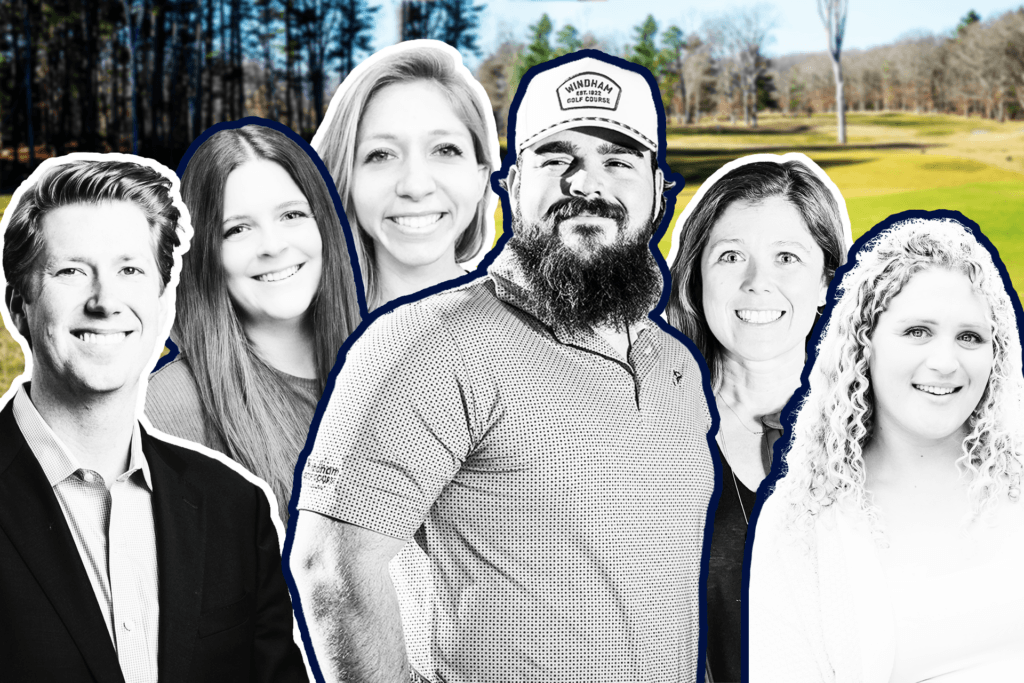
These emerging leaders are shaping the modern club experience, balancing tradition with innovation to attract new players and build sustainable businesses.
————
The next generation of golf leadership is already at work across the industry, bringing fresh perspectives on technology, hospitality and the evolving expectations of today’s players.
From family owned courses to multiproperty management companies, these emerging leaders are shaping how golf will grow, adapt and connect with new audiences in the years ahead.
Some of these leaders arrived in golf through unconventional paths. Some grew up around the game, while others came from hospitality, education or business backgrounds, discovering that golf offered a chance to combine strategy, community and creativity.
For Nolan DeVivo, owner and general manager at Windham Golf Course, his fresh perspective is aimed at modernizing the course and creating excitement for the game.
“The use of technology to transform the practice range will be attractive to golfers of all skill levels,” he said. “Creating excitement for the game is the goal.”
At Century Golf Partners, Principal James Hinckley is focused on using data and consumer insights to elevate the member and guest experience.
“There’s opportunity to make the experience more personal, more responsive and memorable,” he said, emphasizing that innovation and attention to detail can set clubs apart.
On the course level, leaders are prioritizing accessibility and atmosphere.
At Avalon Golf Club, CEO Kristen Davidse focuses on community as much as golf.
“It’s more than just a place to play golf,” she said. “It’s a place where people gather and families spend time together.”
Innovation extends beyond hospitality and culture. Leaders are adopting new technology, creative programming and flexible formats to keep golf relevant while respecting its traditions. They are finding ways to attract women, families and younger players without compromising the core experience.
At the forefront of this movement is a younger generation taking ownership to blend tradition with modern ideas.
Nolan DeVivo
Owner & General Manager, Windham Golf Course
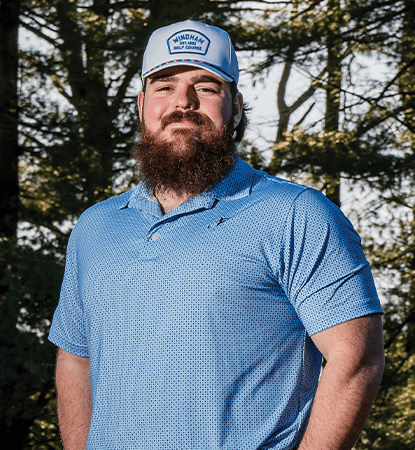
DeVivo is a perfect example of the younger generation taking ownership and moving the game forward.
At 24 years old, DeVivo is helping reshape the future of Windham Golf Course as both owner and general manager.
While many next generation leaders in golf grow up in the business, DeVivo’s path is different. His family entered the golf industry when his father purchased the 100-year-old course in 2022.
“We are fairly new to the business,” DeVivo said. “My father bought the golf course a few years ago, so we’ve been learning the industry while building something new.”
DeVivo joined the operation three years ago after graduating with a double major in marketing and business management. This year marks his first season leading the facility as general manager. His focus is on modernizing the course and creating an experience that welcomes golfers of all skill levels.
“Our biggest goal is to nearly redesign the whole facility, making it new and exciting,” he said. “We want it to be challenging for skilled players but also easy and welcoming for people who are brand new to the game.”
Windham Golf Course, a semi-private facility, underwent a 20-month overhaul and reopened in June 2024. The transformation resulted in a modernized practice range designed to attract both beginners and experienced players. The upgraded range features technology that tracks ball flight and performance data, giving golfers instant feedback while they practice.
That technology-driven approach is central to DeVivo’s vision. The range includes Toptracer systems that allow players to see how far and how fast they are hitting the ball while also playing interactive games.
“I think the advancements in range technology are going to propel the game forward,” DeVivo said. “People love seeing their data points. It makes practice fun and brings new players into the game.”
Technology upgrades extend beyond the range. DeVivo has introduced tournament software that allows golfers to submit live scoring from their phones, along with new electric golf carts equipped with GPS. The course is also implementing a new point of sale system that allows golfers to check in digitally and receive text communication about events and tee times.
“We’re trying to be technologically advanced so we can differentiate ourselves,” he said.
DeVivo also places strong emphasis on marketing and community engagement. Through active social media and creative videos, the course highlights its staff culture and welcoming environment.
“If people see that your employees are having fun, that translates to the customer experience,” he said.
Ultimately, DeVivo’s vision is about building a facility that will endure long into the future.
“Our goal is to make this place last longer than me and my father,” he said.
For the young operator, progress may not always be immediate, but the long-term vision keeps him motivated.
“You won’t see progress every day,” DeVivo said. “It may take time to see results; just keep your head down and keep grinding.”
Shannon Martin
Director of Golf Operations, Foxchase Golf Club
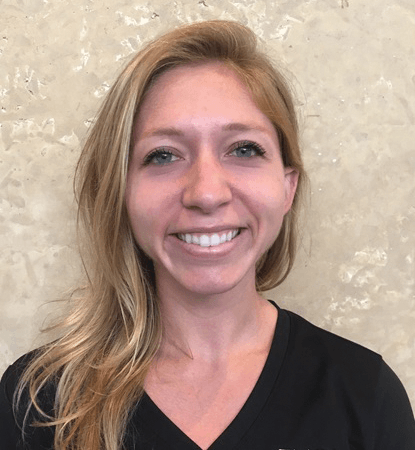 At Foxchase Golf Club, Martin is helping to modernize operations while working to make golf more welcoming for new players.
As director of golf operations and a USGTF certified golf instructor, Martin represents a new generation of golf leaders focused on efficiency, technology and community engagement.
A third-generation member of the ownership family, Martin did not initially plan to work in golf. She spent seven years in the fitness industry, where she gained experience working closely with clients and helping people feel comfortable in unfamiliar environments. This experience tied nicely to her current role in the golf business.
“I worked with people one on one in fitness for years, so understanding the barriers people feel in a new environment was natural to me,” Martin said.
That perspective led her to launch a women’s beginner clinic at Foxchase, designed to introduce new players to the game in a welcoming environment.
“A lot of people are learning golf as adults now, and they may not have had a parent or grandparent show them how to play the game,” she said.
Today Martin focuses on improving operational efficiency throughout the course. She oversees daily staff operations, including tee sheet management, customer service and retail operations. Much of her work centers on streamlining processes so staff can focus more on guests.
“What I enjoy most is improving efficiencies,” Martin said. “It’s the ‘work smarter, not harder’ mentality.”
Technology plays an important role in that effort. Foxchase prioritizes digital booking systems that reduce phone traffic and allow staff to focus on in-person interactions. GPS systems on golf carts also help manage pace of play.
“With how busy courses are, you have to be able to control pace of play,” Martin said.
Looking ahead, Martin hopes to expand community programming once operational improvements are fully in place.
“In five to 10 years I want to focus more on creating events that bring people together,” she said.
Her leadership philosophy is simple but powerful: Better every day.
Samantha Swartz
Marketing & Events, Honeybrook Golf Club
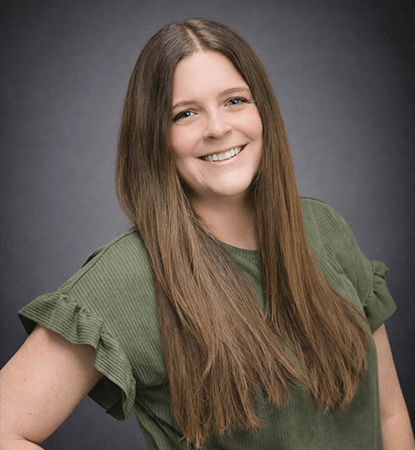 At Honeybrook Golf Club, Swartz is helping guide a family golf business into its next chapter by focusing on community, creativity and accessibility.
Swartz oversees marketing and golf events at the Chester County facility, combining storytelling with operations to promote the club and its welcoming atmosphere.
“I oversee large golf events and marketing at Honeybrook Golf Club,” Swartz said. “I especially enjoy being out on the course capturing photos of the landscapes and showcasing the hard work of our maintenance team.”
Honeybrook’s roots run deep in her family history. The course was built on the family’s former dairy farm after her father and relatives decided to transform the property into a golf destination.
Despite growing up around the course, Swartz once expected to pursue a different career.
“I always said I would never work here,” she said. “But after a conversation with my dad, I returned to the family business, and I’ve been here ever since.”
Now she is focused on helping the club grow while preserving the legacy created when the course opened in 2000.
“My goal is to continue growing the game and help carry forward the legacy my family has worked so hard to build,” she said.
Swartz believes welcoming new players is essential for the sport’s future. Honeybrook supports that mission through women’s clinics, junior programs and beginner-friendly initiatives.
“Our tagline is ‘Pennsylvania’s Friendliest Golf Club,’ and we truly strive to live up to it,” she said. “It’s important that golf doesn’t feel intimidating for newcomers.”
She also sees technology and evolving playing formats as key to the industry’s future, particularly as golfers balance busy work and family schedules.
“With busy schedules, people don’t always have time for a full round,” she said. “We’ll likely see more flexible options that allow people to enjoy the game in different ways.”
For Swartz, helping the next generation discover golf is both a professional goal and a personal mission.
James Hinckley
Principal, Century Golf Partners
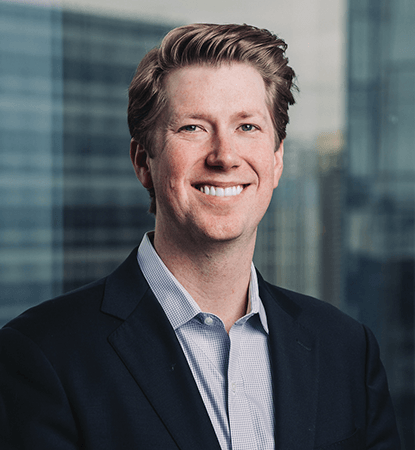 As a principal at Century Golf Partners, Hinckley is helping guide the next phase of growth for one of the industry’s leading management companies.
Focused on acquisitions, partnerships and strategic expansion, Hinckley is part of a new generation of leaders bringing fresh perspectives from outside the traditional golf industry.
Hinckley’s role centers on new business development, but his work spans several of the company’s most important priorities, including guest experience, cost discipline and long-term strategy. For him, the most exciting part of the job is understanding what today’s golfers want and translating those insights into meaningful improvements.
“What I enjoy most is working through the member and guest experience side of things,” Hinckley said. “Figuring out what members and guests actually want, where there are gaps and how we close them.”
His perspective is shaped by more than a decade spent on consumer strategy and insights, advising hospitality and retail brands on how to use data to better understand their customers.
“Bringing the data mindset into golf has opened new possibilities for personalizing the club experience,” he said.
Hospitality has been part of Hinckley’s life since his teenage years, when he worked at the front desk at a hotel in Dallas.
“The idea that your job is to make someone’s experience genuinely great, to anticipate what they need before they ask, I loved that from day one,” he said.
Golf was never far away either. Hinckley spent summers working in golf operations at several properties, gaining an early appreciation for the complexity of running a club. Those early experiences, combined with his background in data driven strategy, now shape his leadership approach. One lesson guided him as he entered the industry.
“Be comfortable not being the smartest person in the room and actually mean it,” Hinckley said. “When you genuinely show up to learn, you get access to insight you just can’t get any other way.”
In the future, Hinckley sees tremendous opportunity for golf operators to deepen their relationships with members and guests through thoughtful use of data. The goal, he said, is not technology for its own sake, but tools that help clubs deliver the kind of personalized hospitality that defines great golf experiences.
“The best technology in a club setting is the kind you never notice,” he said.
With golf participation rising and new audiences discovering the game, Hinckley believes the industry has significant momentum. For operators willing to innovate while protecting the traditions that make golf special, the opportunity is enormous.
“The courses that thrive will be the ones meeting members and guests where they are,” he said. “Honoring what makes the game great while finding creative ways to make it relevant to a new generation.”
Kristen Davidse
CEO, Avalon Golf Club
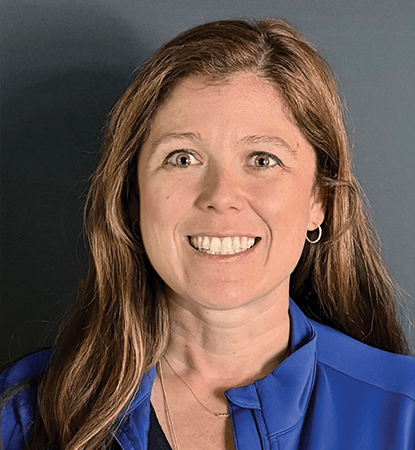 At Avalon Golf Club, Davidse is helping shape the future of public golf by focusing on hospitality, community and thoughtful innovation.
As CEO, Davidse brings a fresh perspective to an industry rooted in tradition while maintaining the welcoming culture that has defined Avalon for decades.
Golf has been part of Davidse’s family story since her grandparents became involved with the club in the 1980s, but she did not enter the business until 2017, when she became an owner.
Before joining Avalon, she built a career outside of golf that helped shape her leadership approach. After attending the Hotel School at Cornell, she worked in hospitality before transitioning into education, spending a decade teaching and working in administration in the Philadelphia School District.
When the opportunity arose to return to the family business, Davidse saw a chance to bring those experiences together.
“I saw a chance to combine my background in hospitality, education and community building,” she said.
That perspective is evident in the culture she has helped cultivate at Avalon. Davidse emphasizes creating an environment where staff and guests feel like part of a community, not just visitors to a golf course.
“That sense of community is a big part of what makes Avalon special,” she said. “And that is a driving force for me.”
Her leadership philosophy centers on respecting golf’s traditions while continuing to evolve the experience. Inspired by leadership ideas that encourage questioning the status quo, Davidse believes innovation is essential for golf’s long-term growth.
“Golf is a tradition-rich industry,” she said. “But at the same time, we must continue evolving.”
Technology plays a role in that evolution. Avalon recently added Trackman simulators that allow golfers to practice and compete year round while creating a social space around the game.
“Technology should enhance the experience rather than replace the human element,” Davidse said.
For Davidse, the future of golf lies in blending hospitality, innovation and community to create experiences that keep players coming back.
Alex McKinney
Director of Operations, Saddleback Golf Club
 At Saddleback Golf Club, McKinney represents a new generation of golf leaders who are shaping the industry through creativity, adaptability and a focus on making the game more welcoming.
As director of operations, McKinney oversees golf events, daily course operations and food and beverage. Her path into the industry was not traditional. She began working at Saddleback in 2010 as a cart attendant while attending college with plans to pursue a career in nursing. Over time, the rhythm of golf operations and the relationships built on the course changed her trajectory.
“I didn’t picture myself staying in the golf industry,” McKinney said. “But somewhere along the way, I fell in love with the pace of golf operations, the constant problem solving and the people who make every day a little different.”
More than a decade later, she now plays a central role in running the course. McKinney thrives on the variety that comes with managing a golf facility, where each day brings new challenges and opportunities.
“There’s something new to tackle every day,” she said. “I like the challenge of thinking on my feet and finding solutions when unexpected things come up.”
What motivates her most, however, is the connection with golfers who visit the property and the comradery of the game on and off the course.
“I love the joking, the conversations and helping make sure people have a great experience when they visit the course,” she said.
That philosophy reflects advice she received early in her career from course owner Whitey O’Malley, who encouraged her to focus on keeping the atmosphere approachable and fun.
“We can’t take ourselves too seriously,” McKinney said, recalling his guidance. “We want people to have fun and feel welcome here.”
As a next generation leader, McKinney is also open to experimenting with new ideas and technology to improve operations and the guest experience. Saddleback has embraced innovations such as a fully autonomous mower fleet and on-course beer vending machines, reflecting a willingness to test solutions that can help address labor challenges and enhance convenience for golfers.
“Technology is great for the industry,” she said. “We are always trying new things that we think will help with customer service and staffing issues.”
McKinney is optimistic about the sport’s future, particularly as golf reaches new audiences and becomes more family oriented.
“If we can get the whole family involved, we are creating generational players,” she said. “This will ensure the game endures moving forward.”
For McKinney, the future of golf depends on maintaining that welcoming spirit while continuing to evolve. By blending operational innovation with an inclusive culture, she is helping ensure that the next generation of golfers feels right at home on the course and in the clubhouse.
————
This article originally appeared in the May/June 2026 issue.