After a lengthy development process, the ?12 million Castle Course joins the historic lineup at the home of golf In St Andrews a new golf course is opened every 85 years or so. The first attempt, 600 years ago, did modestly well until a number of changes were made during the 18th and 19th centuries. That created what many believe to be the definitive golf course. The Old Course was later joined by five others, all of which were eventually run and administered by the St Andrews Links Trust. In late June, the links trust held the grand opening of number seven-The Castle Course-a 7,188-yard championship layout situated on clifftops overlooking St. Andrews Bay. Like the others, this course was needed to accommodate the growing number of rounds being played in St Andrews, as Mike Woodcock, communications manager at the Trust, said. “The Links courses take 220,000 rounds a year,” he said. “2006 was a record year on the Old Course, which took about 45,000, and that’s about as much as it can take without starting to suffer.” He said the six trust courses were nearing capacity at a time the population of St Andrews is growing quite sharply, with a number of new housing developments planned. “That creates an issue for us because we are charged by law with providing golf to residents in St Andrews,” he said. “Potentially thousands of people coming to these new housing developments would be eligible for links tickets. The Castle Course fits into this as a way of taking up that excess demand.” Spread over 220 acres, this new overflow course is expected to accommodate 16,000 rounds during its first season that ends in October. It was built at a cost of ?12 million with the majority of the funding coming from a bank loan, support from the R&A and the trust’s own coffers. One way of keeping costs down, Woodcock explained, was managing the construction project internally. “We didn’t have a lead contractor,” he said. “The trust took on that role itself and used several subcontractors that reported directly to the trust. It took out a layer of outside management, kept costs down and gave us better control over what was happening.” This hands-on approach is most apparent in the condition of the course. Despite dismal weather conditions that resulted in 60 percent downtime during the first couple of months of work, the course appears mature and well-established for a brand-new facility. “Normally you would only get to do the grow-in,” said Castle Course head greenkeeper, Allan Patterson. “Finishing work and seeding is typically done by the general contractor so that after three cuts, the course is handed over to the client. For me, the appeal was to do the whole lot from construction to final preparation and grow-in.” This included top-dressing the fairways with around 5,000 tons of sand to improve drainage and playability, which had been hampered by the clay-based soil. “When it’s wet, it’s like plasticine,” Patterson said. “And when it’s dry, it hardens like a brick.” The trust spent * 100,000 alone on this procedure, but it wasn’t its only indulgence. Apart from the David McLay Kidd design and the exhaustive preparations, the trust also built a circular clubhouse with a glass-fronted restaurant that overlooks the focal point of the course at Kinkell Ness and the huge double green that serves holes 9 and 18. The eco-design incorporates a geothermal heating and cooling system that generates energy from the earth using 150-meter deep boreholes and heat pumps. Impressive as it is, the project was finished behind schedule, with building warrants for the clubhouse only delivered to the trust a week before the venue was due to open. While the clubhouse fit-out was last minute, the PR campaign was anything but. A gradual build-up in momentum ensured that public and industry awareness reached a crescendo when Prince Andrew, the Duke of York, unveiled a commemorative plaque on the first tee to officially open the course on a blustery day in July. “There was nothing more effective than bringing people up here and showing them around,” Woodcock said. “We spent a lot time doing that. What we were very successful at doing was getting the jungle drums beating.” He said that came home to him following the naming competition at the U.S. PGA Merchandise Show in 2007. “The first guy who came up to the booth asked me about the Castle Course and that was three days after we’d announced the name,” Woodcock said. “The naming competition upped the ante and got the project out to a wider audience.” The naming competition run by the Trust in November 2006 attracted 4,000 entries from around the world. While the course was eventually named after Kinkell Castle, which stood on the site near Kinkell Ness, the Trust’s marketing initiative received an award in the PR/ Promotions category of the International Network of Golf (ING) industry honors.
Trending
- Faces of Golf Technology: Greg Robison
- Bobby Jones Links to manage Delray Beach Golf Club, Lakeview Golf Club amid $32 million renovation
- Spirit Golf Management acquired by The Sports Facilities Companies
- March/April 2026
- Golf course sales in 2025: Key deals, buyers and market trends
- KemperSports to manage Course at Sewanee, launch bunker restoration project
- Innovation is changing golf as a business
- Troon launches Access golf rewards program with booking, loyalty and subscription features



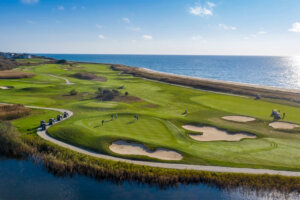
Golf course sales in 2025: Key deals, buyers and market trends
Deal volume cooled from recent highs, but strong demand and strategic buyers kept the golf market active.
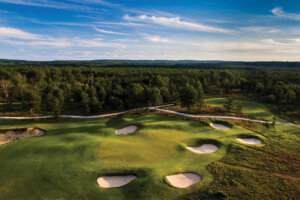
Innovation is changing golf as a business
New formats, smarter operations and experience-driven amenities are reshaping how golf facilities attract players and drive revenue.
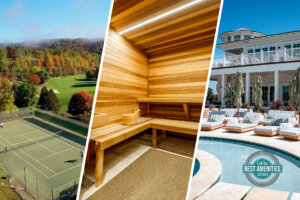
Amenity of the Year 2026: Reshaping the member experience
Today’s best club amenities prioritize wellness, social connection and year-round engagement — and the results are reshaping the member experience.