

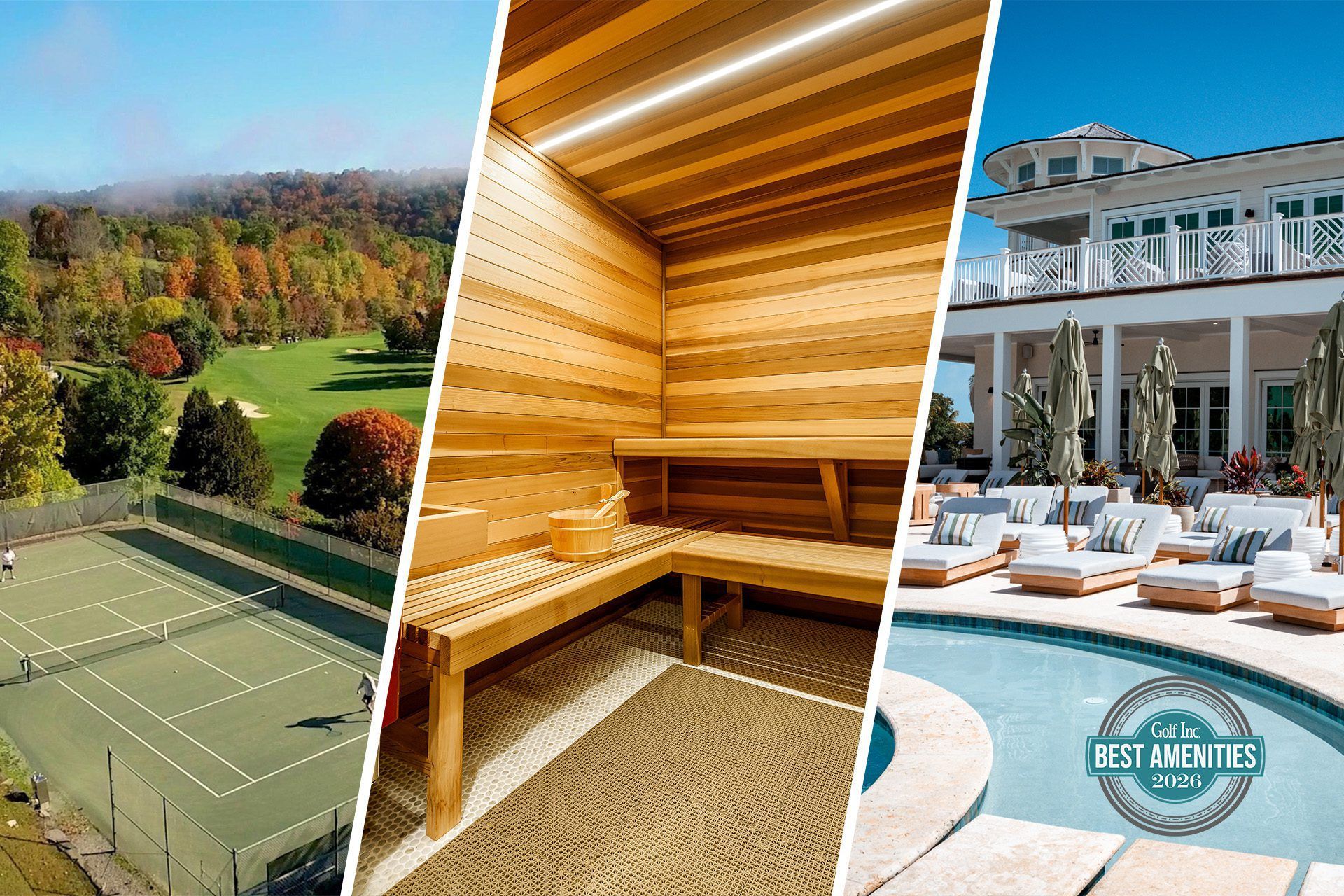
Golf may be the centerpiece, but today’s most successful clubs understand that the overall experience keeps members engaged. The winners of Golf Inc.’s 2026 Amenity of the Year competition show how amenities have evolved from nice additions to essential drivers of participation, satisfaction and year-round use.
Across all categories, a clear shift is underway. Traditional pool expansions are giving way to wellness and fitness facilities, vibrant social spaces, racket and paddle sports complexes and technology-driven practice and instruction environments. Many projects are designed to serve multiple purposes, blending activity with hospitality and creating spaces where members gather before, during and after play.
This year’s 15 winners stood out for thoughtful planning, strong member demand and designs that balance high impact with operational efficiency. Independent judges Bill Stott, principal at AO, and Darryl Bartlett, senior manager at NMP Golf Construction, joined the Golf Inc. editorial team to evaluate entries based on design quality, functionality, innovation and overall member experience.
Together, the projects reflect a common goal: creating amenities that strengthen community, support wellness and keep clubs relevant in a changing market.
RACKET
FIRST PLACE
Wyndemere Country Club
Naples, Florida
Architect: AM Design Group
Interior Design Firm: AM Design Group
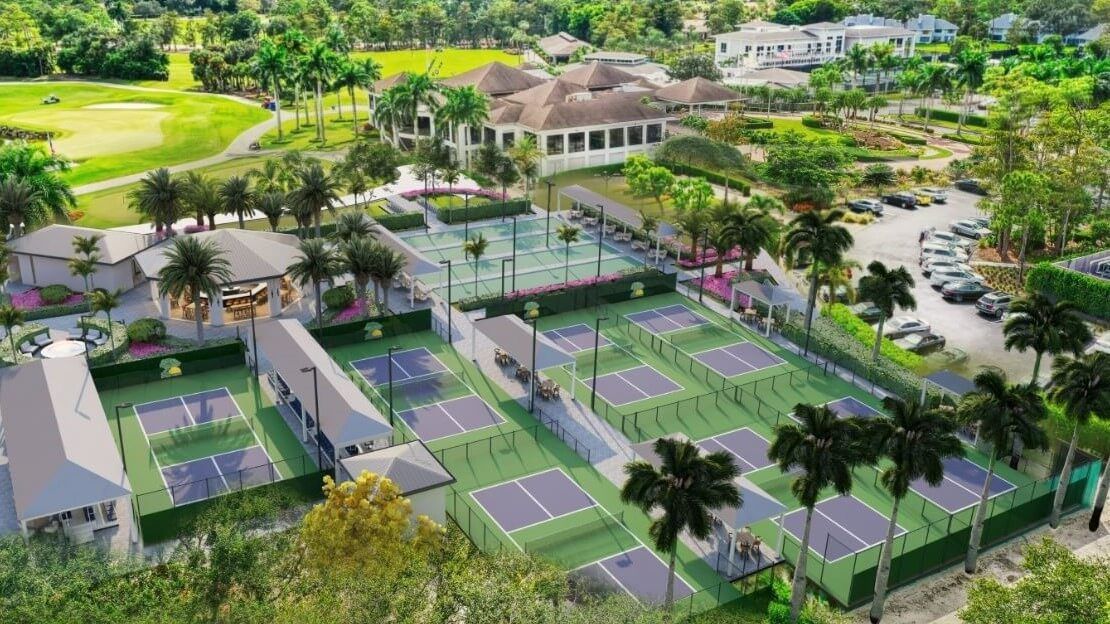
The goal of Wyndemere Country Club’s outdoor activity center was to give members a vibrant, resort-style destination that brought the energy of tournament play into daily life with a wide range of racket and lawn sports. The overarching purpose of the center was to strengthen community through movement, wellness and connection.
The complex focuses on seven new pickleball courts, including a private pickleball stadium court with seating for 160 spectators. Other features include 10 Har-Tru tennis courts, a tournament-approved croquet lawn and four competition-level bocce courts designed to support more than 500 active players.
Shade structures, seating terraces and the open-air pavilion use organic materials and soft colors to create a welcoming atmosphere. The stadium seating at the pickleball court serves as a centerpiece without overwhelming the landscape. Across the site, plantings and hardscape elements work together to soften transitions and frame views of each court and gathering area.
At the center of the facility sits a 1,200-square-foot open-air bar pavilion. Seating 60 guests, it offers outdoor bar service, shaded gathering areas and direct views of the courts and is complemented by a fire pit lounge, new restrooms and generous shaded seating.
A key design goal was to ensure harmony between architecture and landscape. Pedestrian pathways, plantings, shade structures and well-placed gathering pockets create a seamless flow between active and social zones.
What the judges said:
The variety of offerings in this project is impressive. Competition level net and lawn sports are anchored by a wonderful open-air pavilion, creating a highly organized layout that invites members to linger and socialize before and after games. – Bill Stott
SECOND PLACE
Quechee Club
Quechee, Vermont
Architect: JBD JGA Design and Architecture
Interior Design Firm: Internal/Club Committee
Contractor: Reilly Green Mountain Platform Tennis Courts
Quechee Club’s racket sports complex was envisioned as a celebration of people and place and was designed as a social hub.
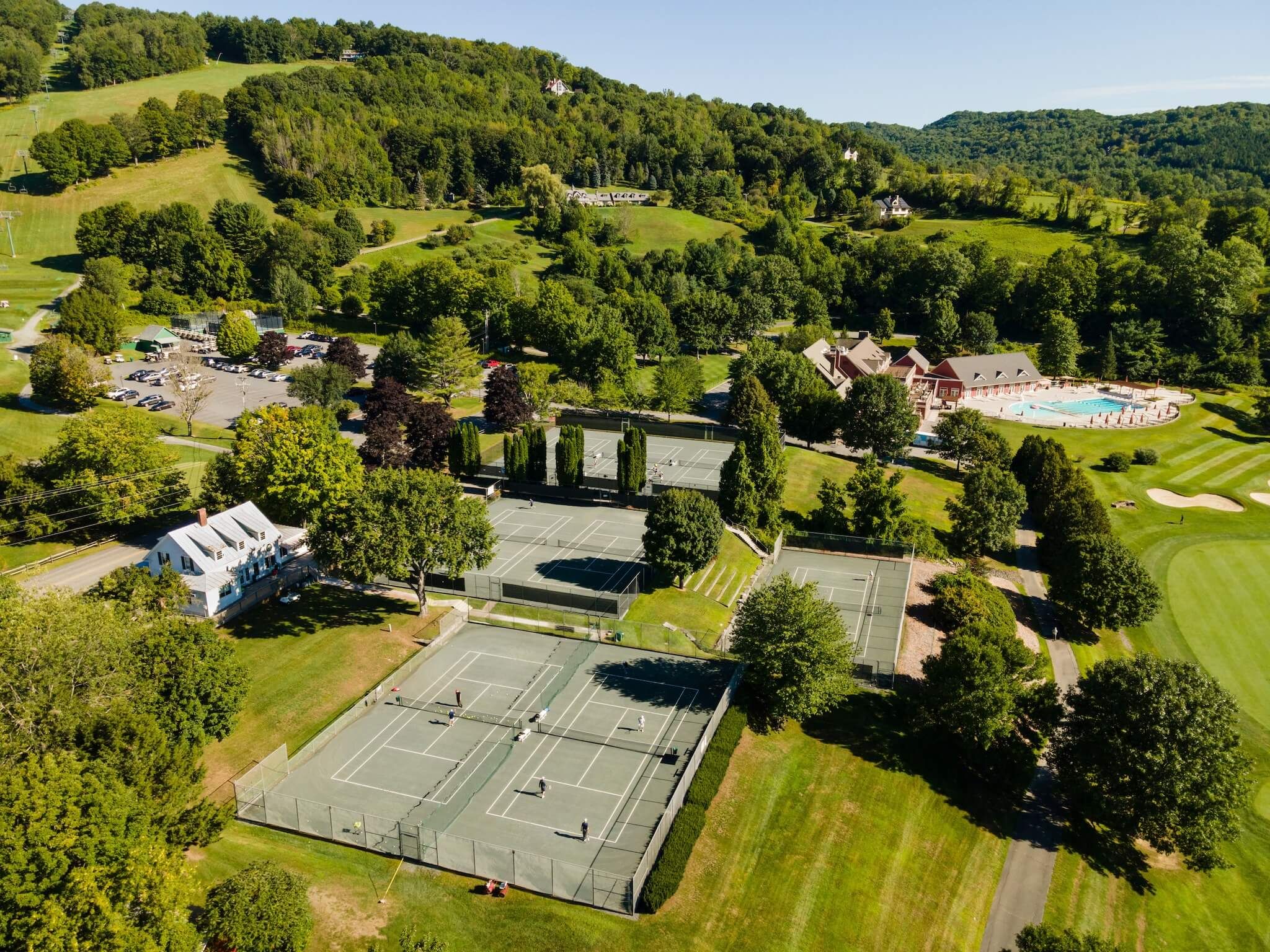
The new paddle center features four new platform tennis courts and a warming hut that gives members a retreat by the fire, complete with a bar, dedicated restrooms and comfortable seating. Outside, spectators can grab a front-row seat to any match in the Adirondack chairs by the fire pit.
In total, the complex now houses the paddle center, eight Har-Tru tennis and POP tennis courts, two hard tennis courts, four pickleball courts and one squash court. The racket sports pro shop, strategically located a short walk away from each court, supports daily operations and gives members a spot to meet and gear up. The shop’s newly expanded deck provides additional event space beyond the traditional clubhouse setting and serves as the primary meeting spot for pre- and post-match gatherings.
THIRD PLACE
Desert Highlands
Scottsdale, Arizona
Architect: PHX ARCHITECTURE
Interior Design Firm: Cheryl Kaye Design Studios
Contractor: True North Builders
The new racket club at Desert Highlands serves as a shared home for both tennis and pickleball players, as well as members at large. The goal was to create a comfortable, modern extension of the main clubhouse.
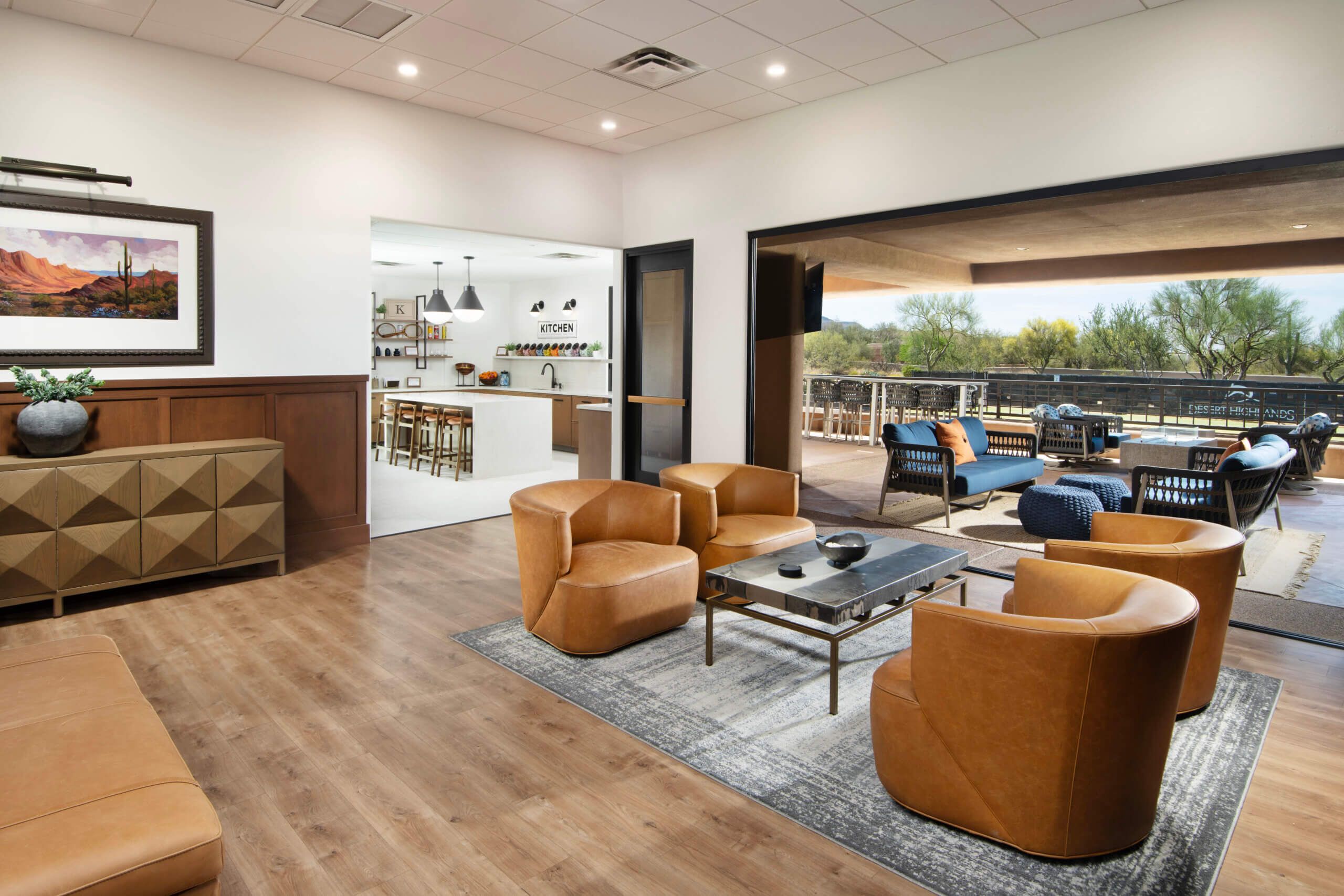
The social heart of the racket club is the self-serve kitchen, where members can grab refreshments between matches, enjoy conversation or unwind after play. The comfort station features wine, beer and seltzers on tap through the state-of-the-art “Pour My Beer” system, fully integrated with the members’ mobile app for convenience.
The open-air lounge areas blend with inviting interior seating. This social hub connects naturally with the racket club’s existing amenities: four pickleball courts, two grass tennis courts, six clay courts, a fishing pond and the racket club lawn. The lawn remains a favorite off-leash gathering area for pet-loving members.
GOLF ENTERTAINMENT & RANGE
FIRST PLACE
Canoe Brook Country Club
Summit, New Jersey
Architect: JBD JGA Design and Architecture
Interior Design Firm: JBD JGA Design and Architecture
Contractor: Forst Contracting & Development Corporation
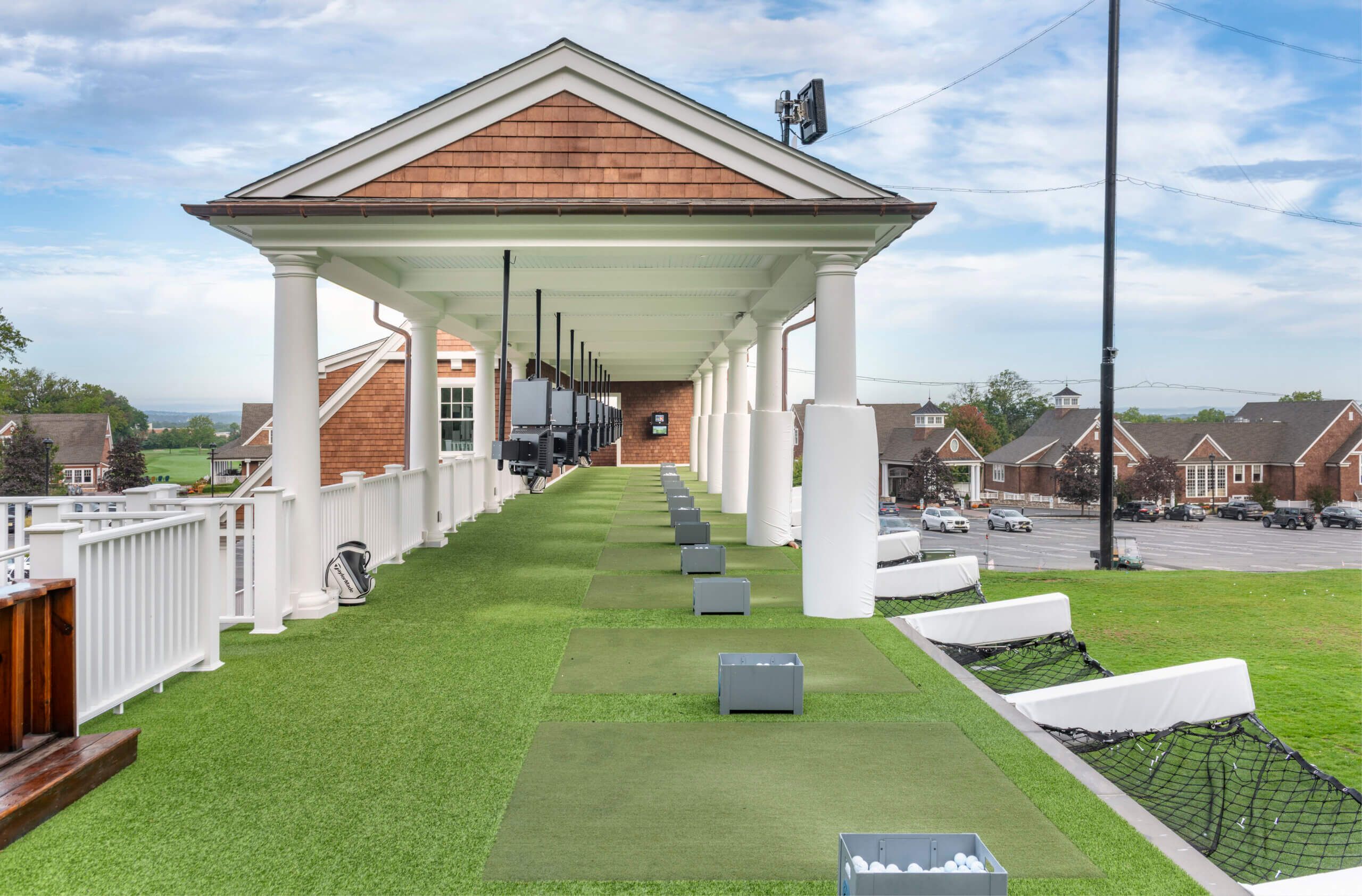
Canoe Brook Country Club performed a club-wide survey in 2023 that showed a growing appetite for a modern practice experience. Its new golf practice facility was engineered for premium member experience with operational efficiency and sustainability.
The three key areas it prioritized were expanded capacity, integrated technology and elite instruction and fitting. The number of hitting bays and range footprint were increased to accommodate peak demand. Cutting-edge ball flight and performance tracking systems were incorporated and dedicated private indoor bays for year-round professional instruction and custom club fitting were added.
High-quality artificial turf is used across the hitting deck and key practice areas to reduce landscape maintenance; eliminate the need for daily mowing, fertilization and heavy water consumption; and contribute to the club’s environmental stewardship goals.
Staff responsibilities have been streamlined to essential member-facing services and the second-floor member lounge — an expansive open-concept area available for warm-ups, relaxation or watching events — requires only standard housekeeping. The low-impact social space enhances the overall member experience without requiring specialized staff support.
In the first six months of operation, members have hit more than 900,000 golf balls, and the club projects a full-year rate of approximately 1.5 million golf balls hit. The high-impact, low-maintenance design ensures the facility remains pristine and operational year-round.
SECOND PLACE
Hideaway Beach Club
Marco Island, Florida
Architect: AM Design Group
Interior Design Firm: AM Design Group
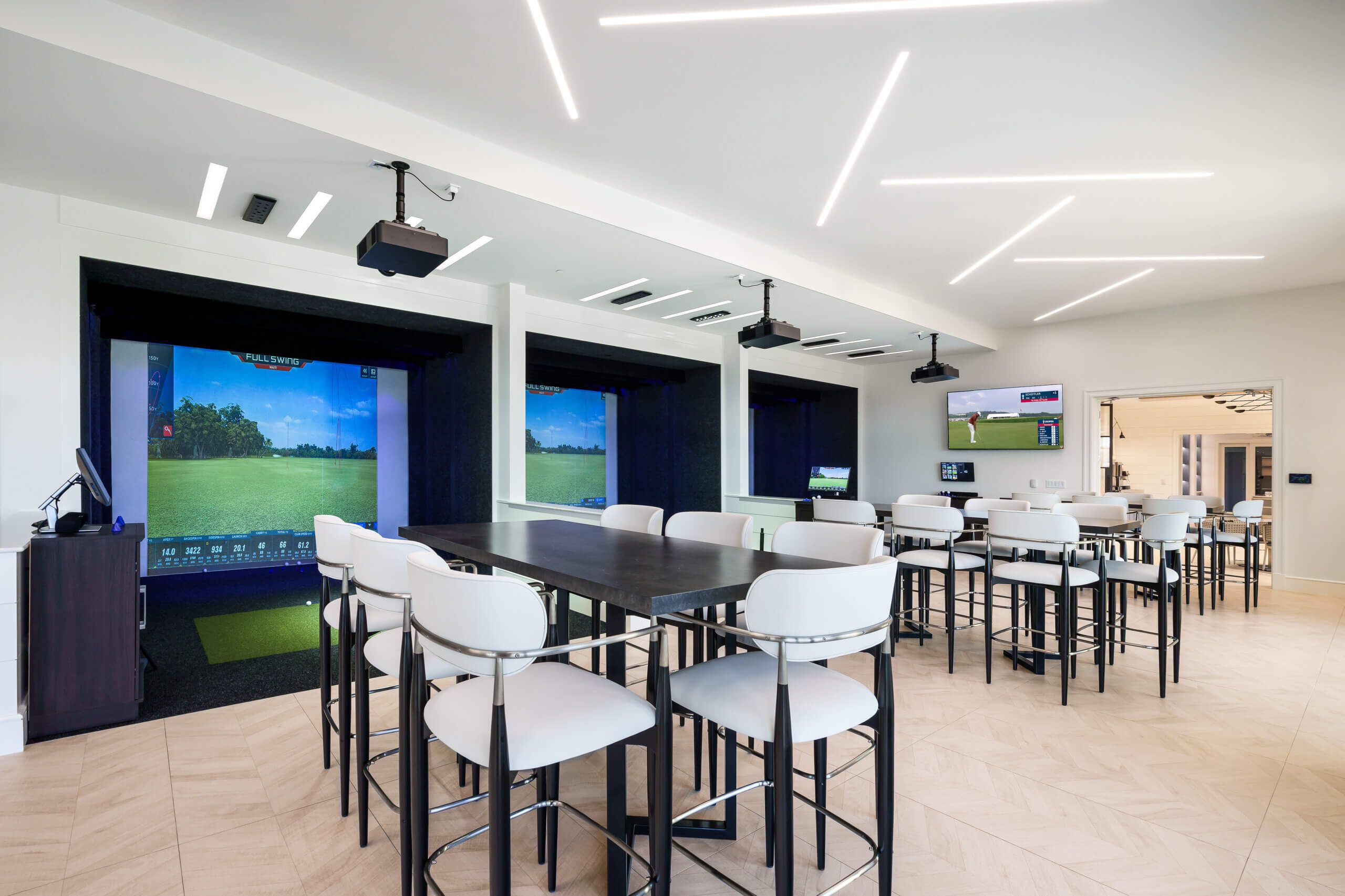
The goal for Hideaway Beach Club’s golf entertainment area was to create a high-performance, hospitality-driven space for members that enhances year-round engagement and programming opportunities while offering a versatile destination for community connection.
The central focus is the indoor simulator lounge, anchored by four Full Swing simulators equipped with ion cameras and infrared tracking technology. Each bay is framed in clean white millwork with integrated acoustic paneling to ensure sound isolation, and the floor-to-ceiling simulator screens immerse players in a lifelike golf environment.
Light wood-look porcelain flooring, linear LED lighting and a soft neutral palette keep the lounge bright and modern. High-top communal tables and plush white leather barstools allow members to relax between swings while enjoying drinks or watching live tournaments on wall-mounted TVs. The space supports multiple event types, from focused practice and lessons to small social gatherings and evening events.
THIRD PLACE
Horseshoe Bay Resort
Horseshoe Bay, Texas
Architect: Andrew Wagner Architects
Interior Design Firm: Prevail Project Management
Contractor: Prevail Project Management
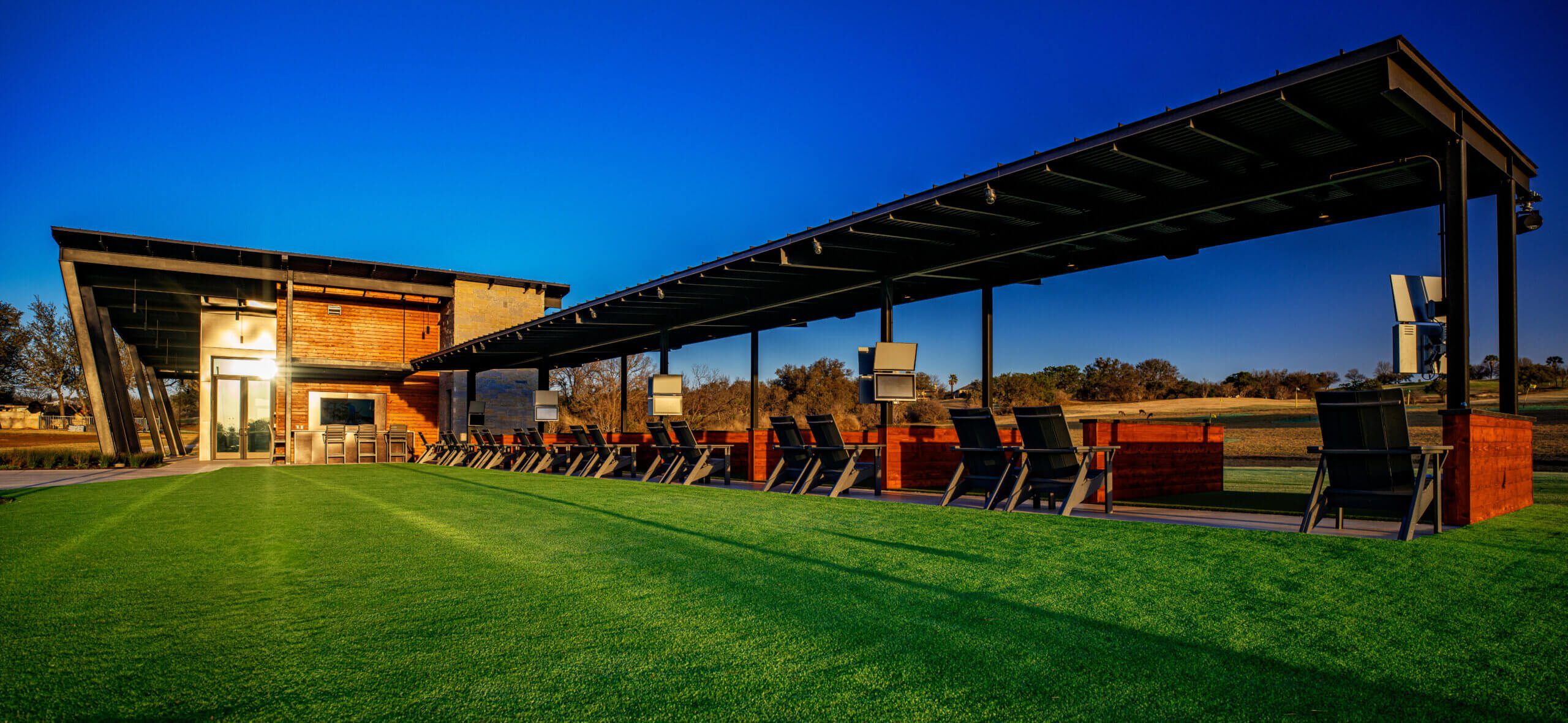
Horseshoe Bay Resort’s golf academy was designed to be compelling, functional and intentionally versatile, supporting everything from individualized instruction and multi-day golf schools to member events and corporate outings. It serves equally as a premier training facility and a welcoming social hub, offering a private, exclusive setting to refine players’ skills with confidence, supported by expert coaching and leading-edge technology.
The 3,000-square-foot building, with more than 80,000 square feet of practice area, features eight covered practice bays equipped with Toptracer Range technology, a putting green, chipping area and practice bunker. Two indoor-outdoor bays provide additional flexibility for instruction, game improvement and entertainment; each is outfitted with both Trackman and Toptracer systems. The instructional bays, social gathering areas, club repair center and technology bays can operate independently or combine into larger configurations.
HONORABLE MENTION
Laredo Country Club
Laredo, Texas
Architect: Chapman Coyle Chapman Architecture & Planning
Contractor: DKC Construction Group
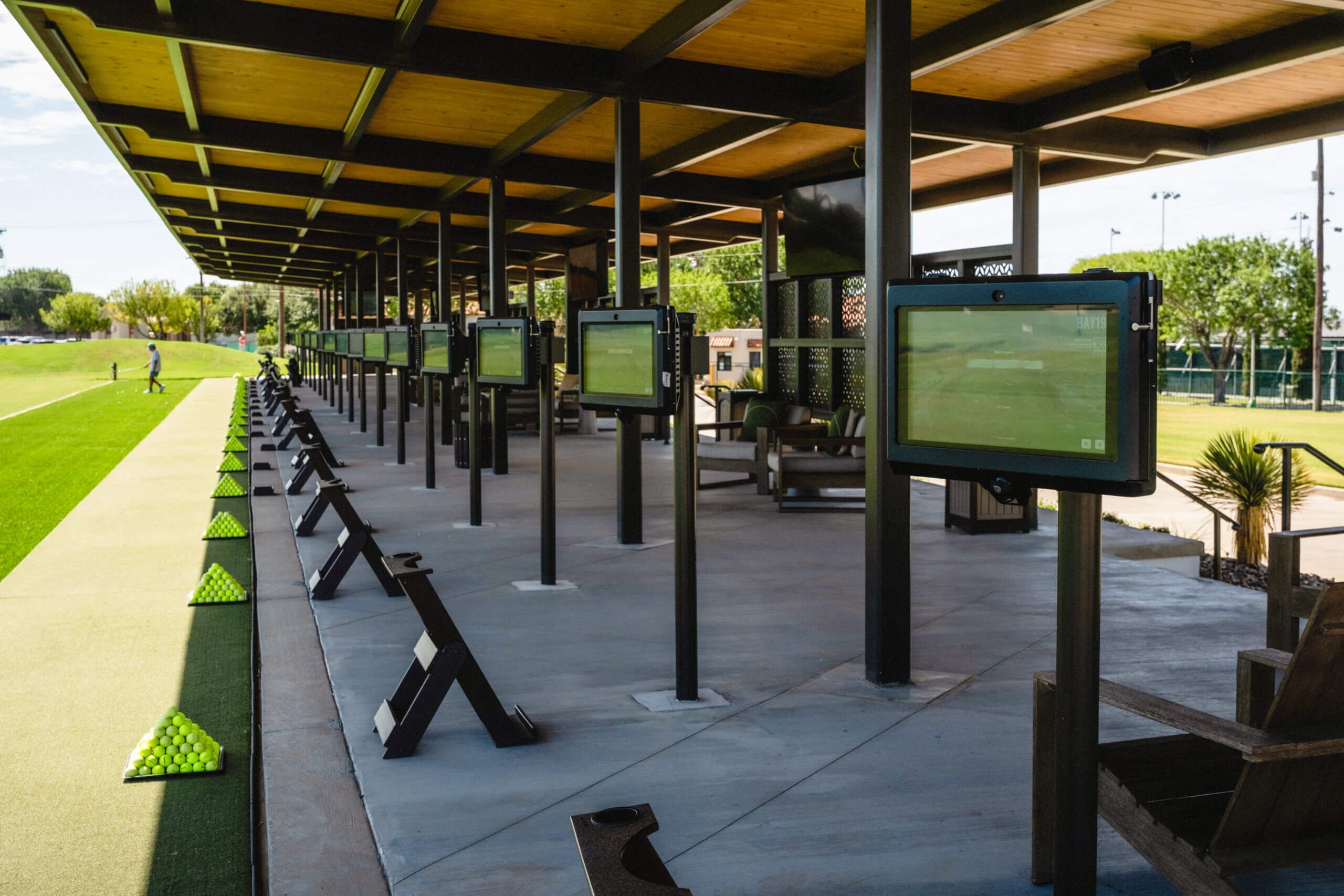
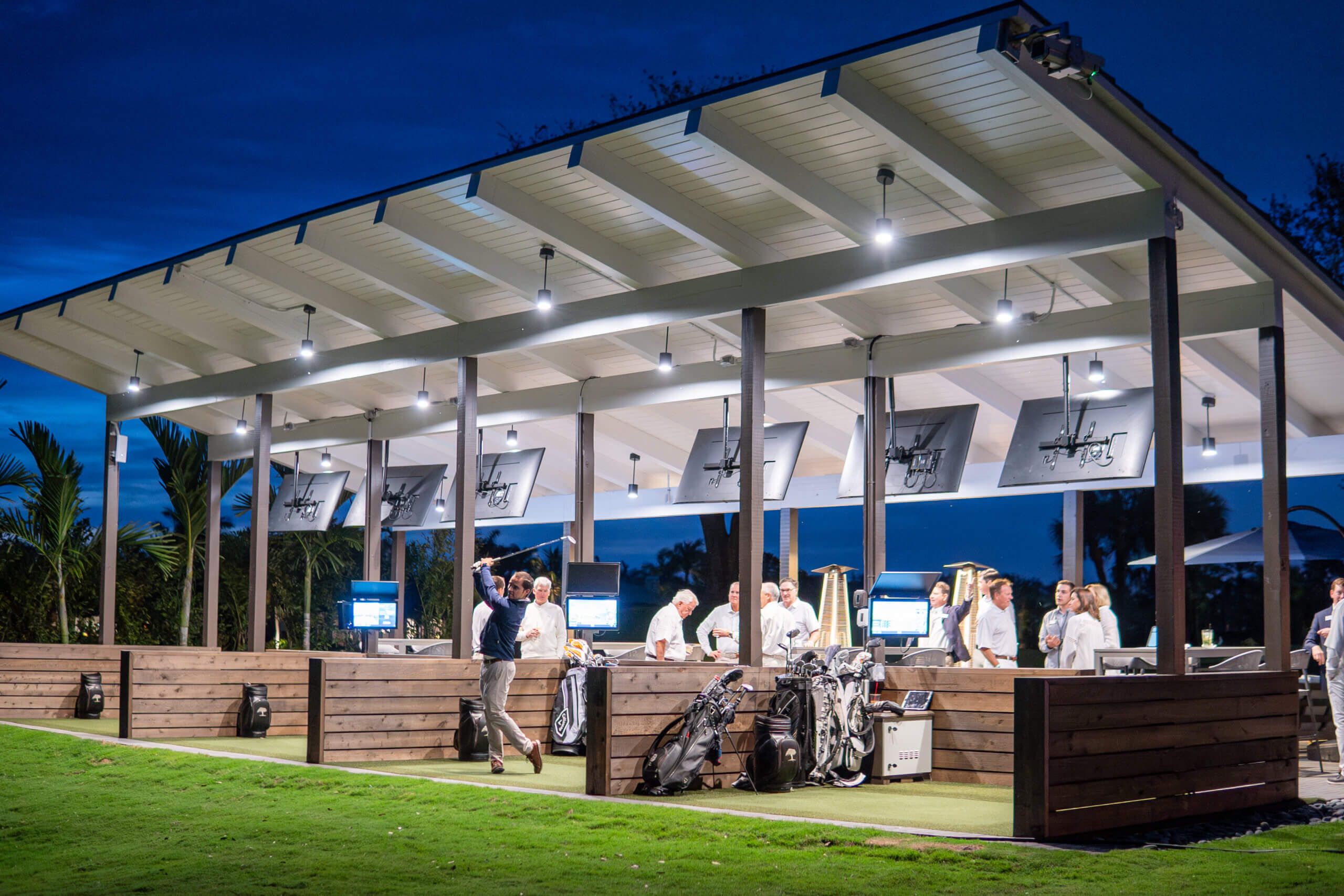
To support its existing and newly renovated practice range, Laredo Country Club created a shade structure without structural posts that would infringe on the golfer’s experience. It added 19 hitting tees to accompany the golf practice range and provided the club with the ability to host events with spaces designed for temporary F&B components.
Its simplistic yet cohesive aesthetic follows the architectural theme of the existing club. The structure provides modest protection from prevailing breezes while allowing enough breeze to pass through it, providing a cooling effect across the tee. Trackman monitors and range equipment track and assess golfer performance.
The siting and orientation of the 5,100-square-foot tee structure was crucial to increase the drive length of the range while fitting all 19 tees across the available width. An adjacent covered golf performance tee provides two tees with monitors for private training with golf professionals.
HONORABLE MENTION
Shadow Wood Country Club
Estero, Florida
Architect: AM Design Group
Interior Design Firm: AM Design Group
Shadow Wood Country Club’s learning center gives members access to the latest technological aids in golf improvement while preserving warmth and hospitality.
The functional and efficiently designed learning center is located directly on the back range tee to provide easy access during practice. The space includes intuitive circulation, balanced seating areas, a nearby water station, restrooms and a lounge for breaks between sessions.
The facility provides world-class instruction and performance improvement, with two oversized hitting bays equipped with advanced technology, a dedicated club repair room, instructor offices and a spacious common area.
SPA/WELLNESS/FITNESS
FIRST PLACE
Hideaway Beach Club
Marco Island, Florida
Architect: AM Design Group
Interior Design Firm: AM Design Group
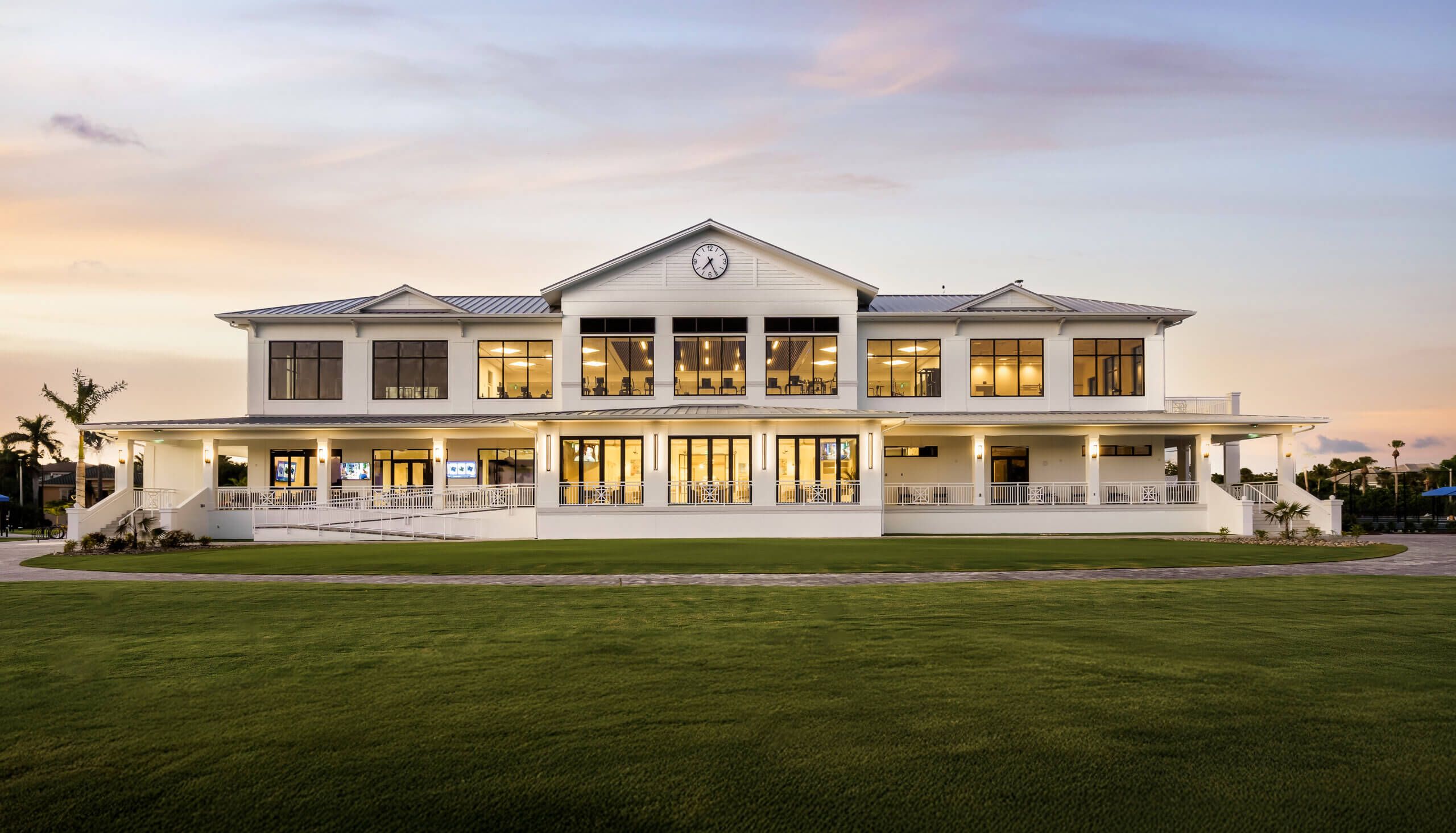
The vision for the spa within Hideaway Beach Club’s sports and wellness center was to create an intimate and refined coastal escape that uses every inch of its space with intention.
Private treatment rooms were designed as quiet sanctuaries. Storage was strategically integrated — hidden towel warmers, recessed niches and built-in cabinetry — to ensure a clutter-free environment that supports the clean, restorative aesthetic.
Separate men’s and women’s lounges incorporate warm white-oak millwork, LED-backlit mirrors and marble-look quartz vanities. Rainfall shower suites use fluted-glass screens and wood-look porcelain to create privacy without heaviness, while penny-round mosaic floors add texture and slip resistance. Cedar saunas and eucalyptus steam rooms were placed for efficient flow, allowing guests to move effortlessly between heat, steam and shower experiences without crowding.
Small details such as chilled eucalyptus towels and a soft coastal scent diffusion were intentionally chosen to heighten the sensory experience and transport members into a resort-caliber environment.
What the judges said:
The sports and wellness center spa has a serene and calm feel to it — and the services offered are remarkable. The light blue colors and wood tone details result in a relaxing coastal feel to the facility. – Bill Stott
SECOND PLACE
Giants Ridge Recreation Area
Biwabik, Minnesota
Architect: RSP
Contractor: Kraus Anderson
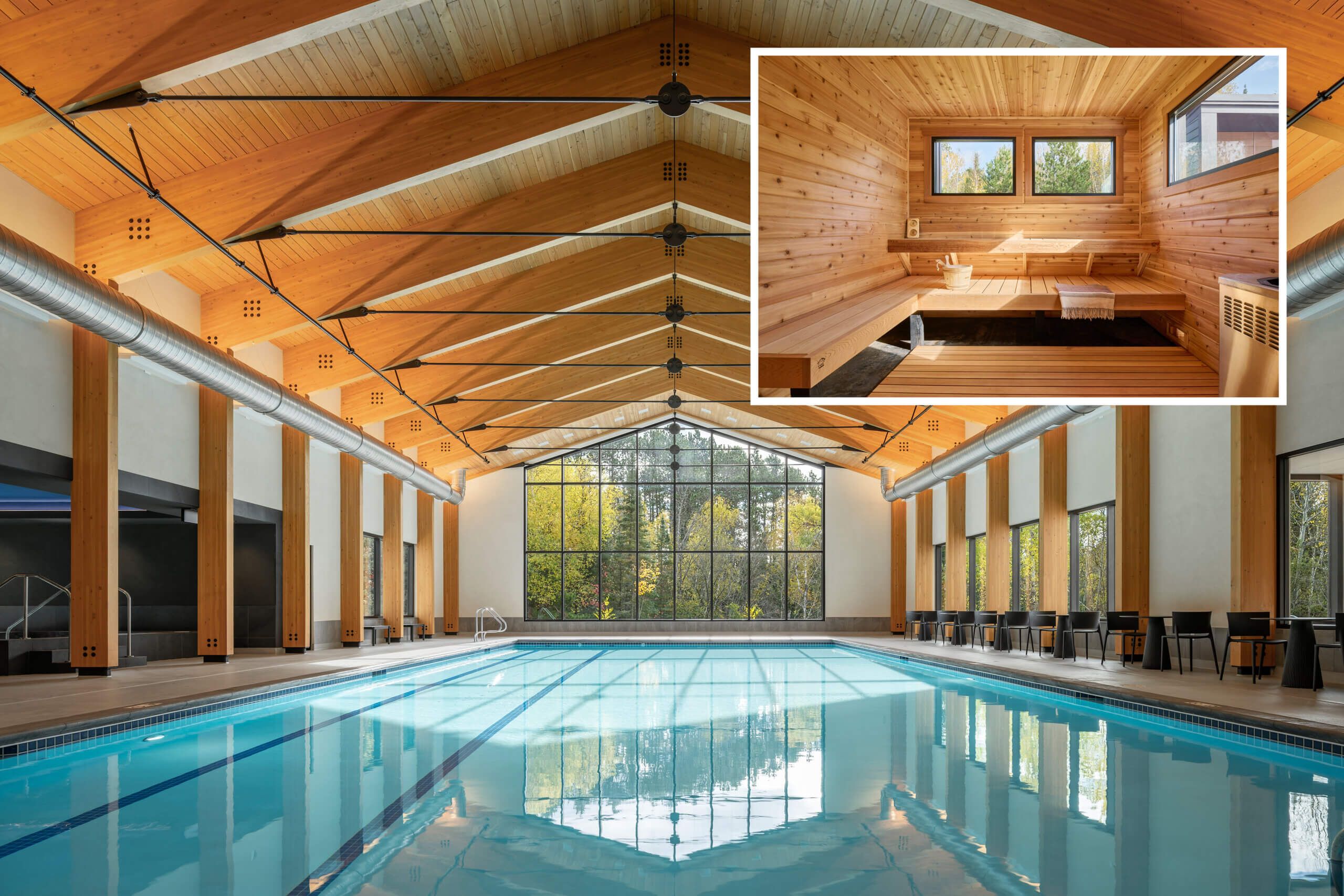
Giants Ridge Recreation Area’s spa facility was designed to emphasize a calming, nature-connected aesthetic combined with efficient use of space suitable for families and guests of all ages. The building’s architecture was shaped to complement nearby structures through its materials, rooflines and scale, and its location across from the main entrance allows it to integrate naturally into guest flow and daily operations.
Large windows bring in natural light and provide views of the forest and adjacent ski slopes. Interior finishes reflect the regional character through warm tones, natural textures and clean lines.
The 9,700 square-foot building accommodates multiple wellness and recreation functions without wasted interior area. Circulation pathways are intuitive and require minimal staffing oversight. The pool, sauna, hot tub and lobby zones are organized to support both privacy and social interaction. The lobby’s fireplace lounge serves as a multifunctional gathering space.
AQUATICS
FIRST PLACE
The Bay Club at The Abaco Club
Great Abaco Island, The Bahamas
Interior Design Firm: Pembrooke & Ives
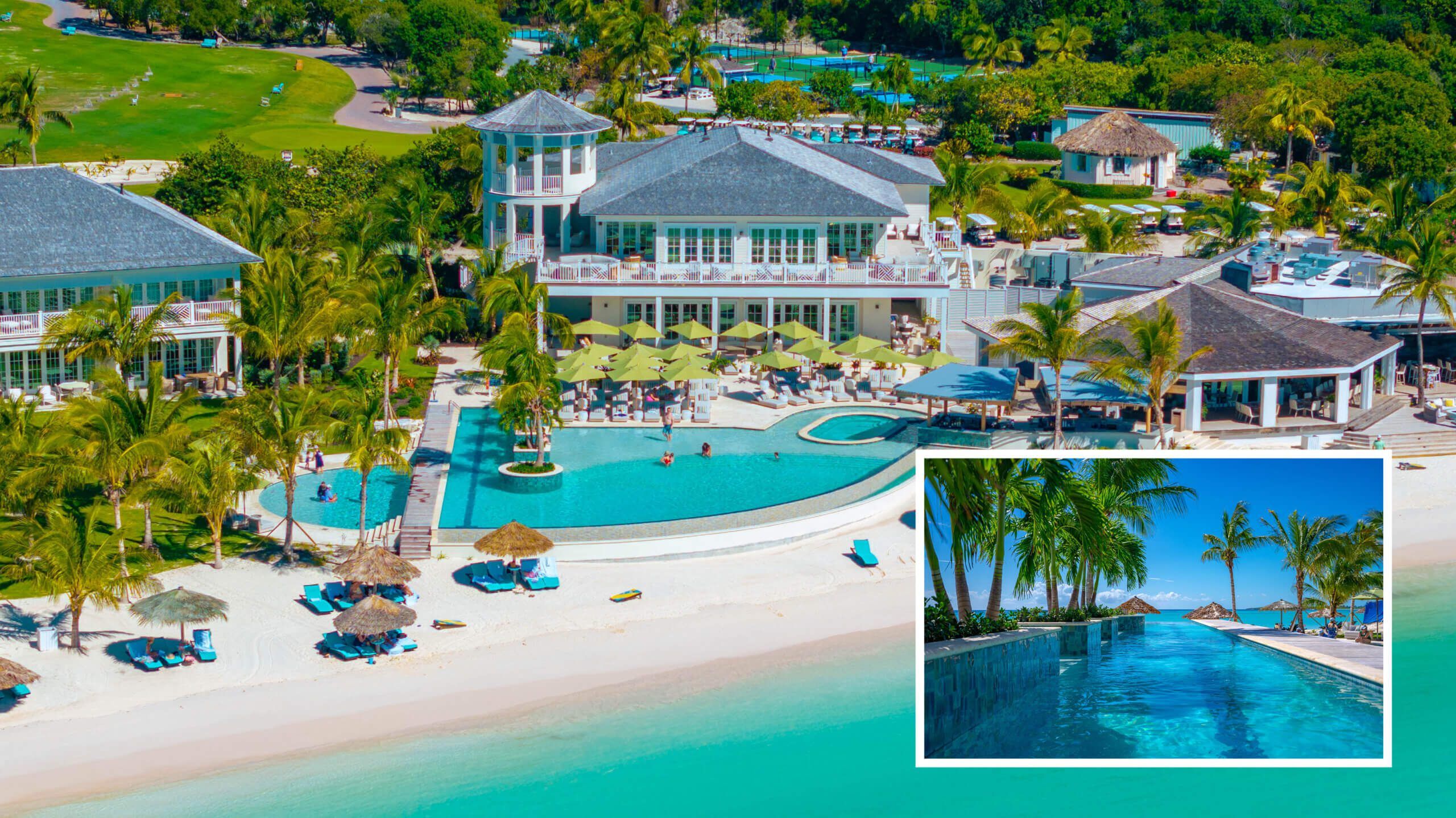
The vision for The Bay Club at The Abaco Club was to design a welcoming, multi-generational beach club fostering connection, relaxation and shared experiences while seamlessly blending indoor and outdoor living in a way that felt authentic to the Bahamas.
Located along a two-mile stretch of white sand, the club serves as a central gathering place for members to unwind and immerse themselves in the beauty of the destination.
The heart of the club is the resort-style infinity pool, which can accommodate a range of members without issue. A six-inch sun shelf and elevated eight-person inset hot tub create an inviting social area near the beachfront bar, where the curved seating emulates the shoreline. The opposite end of the pool features 25-meter lap lanes. A boardwalk connects the pool deck with access to the beach and the lower-level kids’ pool.
What the judges said:
World-class amenities define this true tropical paradise — where toes in the sand, pristine beaches, resort pools, inspired cocktails and exceptional golf create a destination you may never want to leave. – Darryl Bartlett
SECOND PLACE
Chartwell Golf & Country Club
Severna Park, Maryland
Architect: JBD JGA Design and Architecture
Interior Design Firm: JBD JGA Design and Architecture
Contractor: Delbert Adams Construction Group
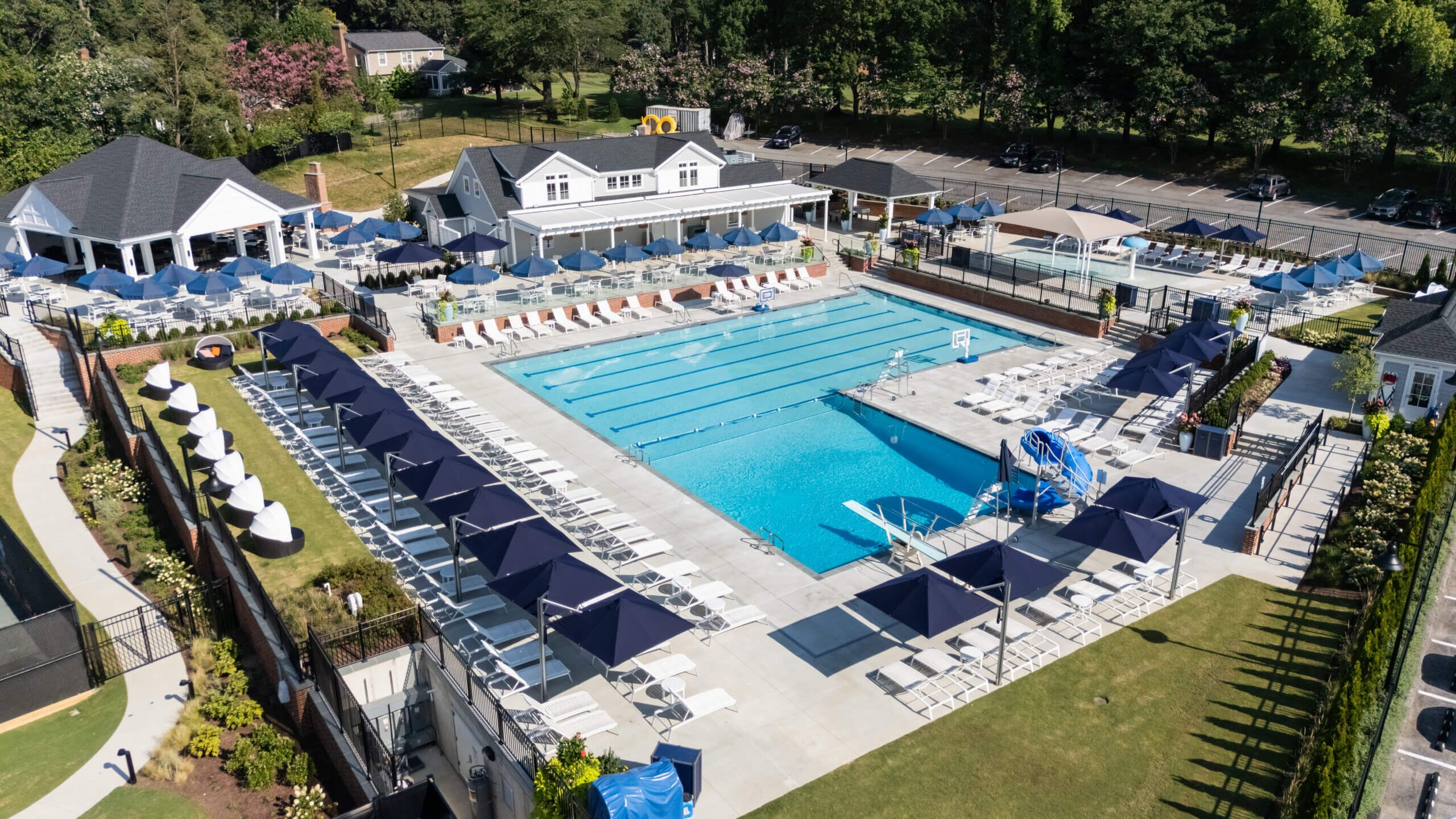
Chartwell Golf & Country Club wanted to refresh and modernize a 30-year-old pool complex and create a resort-like amenity for the future.
To achieve this, the pool and deck were both enlarged and the existing food & beverage services were improved. The deep end of the pool was enlarged, and a water slide, a splash pad integrated with a kiddie pool with water features and extended deck seating with both lounge and sunbed accommodations were added.
Other added features included increased dining seating with views to the pool deck, a separate indoor-outdoor bar with a fireplace ambiance, table service dining areas and increased food and snack offerings.
The clubhouse brickwork was used on the perimeter retaining walls and fireplace, along with a more modern resort-style look to complement the traditional architecture features.
MULTIPLE AMENITIES
FIRST PLACE
Estancia Club
Scottsdale, Arizona
Architect: PHX ARCHITECTURE
Interior Design Firm: Studio V Interiors
Contractor: True North Builders
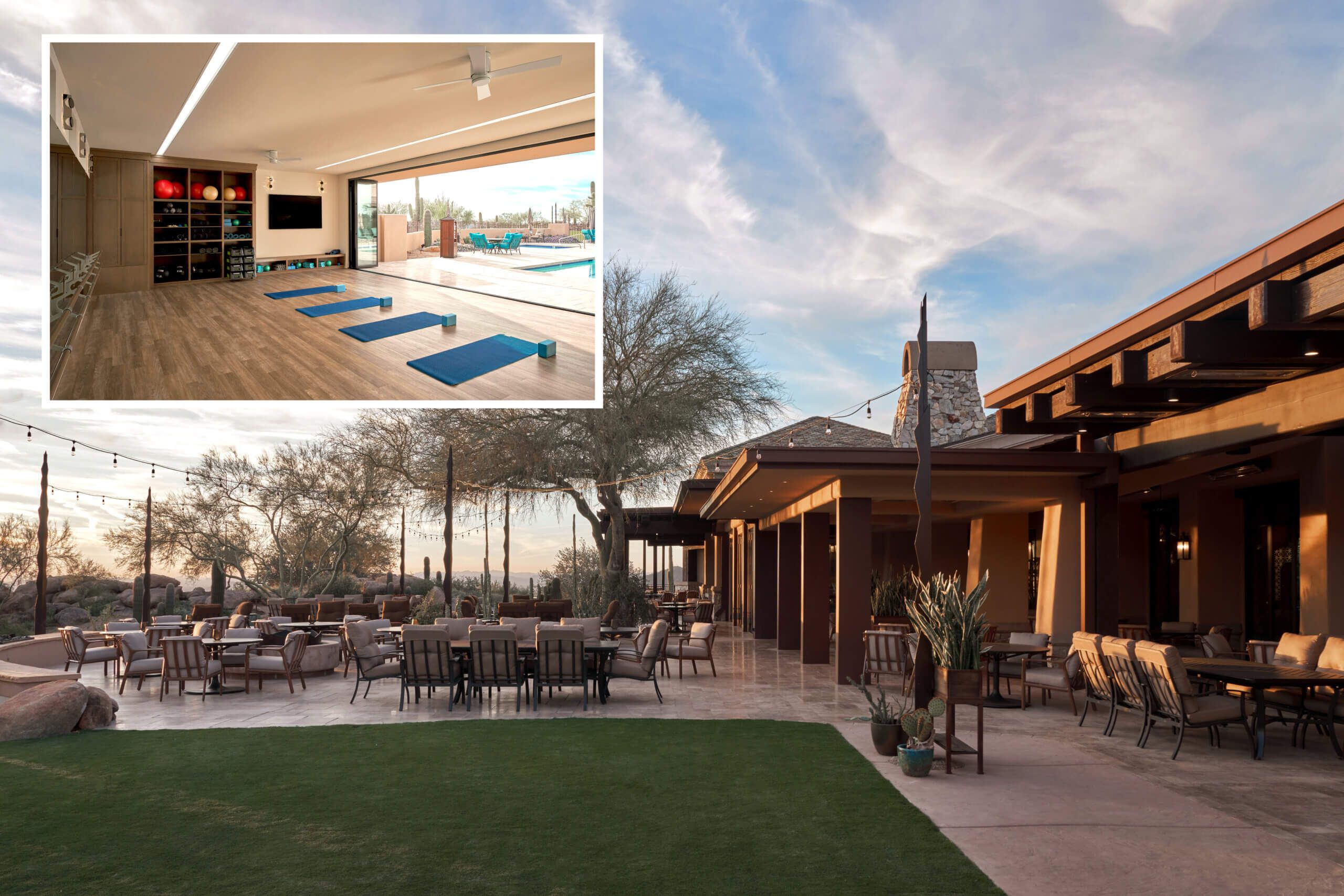
Estancia Club set out to elevate both the interior and exterior dining experiences while creating a more dynamic, engaging environment for members. A key move was removing the outdated bar and relocating it adjacent to an expanded balcony — now twice its original size — to maximize access to views of the mountain and panoramic sunsets. Paired with new operable glass walls, the space now offers a seamless indoor-outdoor connection which transforms the atmosphere and enriches the overall dining experience.
Moving the bar encouraged better flow and interaction and opened the floor plan for more flexible dining arrangements. The enlarged balcony doubles the functional outdoor area, supporting a wider range of gatherings and further encouraging the indoor-outdoor connection at the heart of the concept.
Elsewhere, the new yoga studio continues the philosophy of spatial optimization. Overlooking the pool and mountains, it incorporates barre and TRX systems without compromising openness or serenity. Its placement ensures that wellness programming is supported by both functionality and inspiration.
Beyond aesthetic enhancement, the club sought to improve staff accommodations and the evolving needs of its membership by making ADA accessibility a foundational component of the design.
SECOND PLACE
BallenIsles Country Club
Palm Beach Gardens, Florida
Architect: LEO A DALY | Architecture, Engineering, Interior Design
Interior Design Firm: Larson Nichols
Contractor: Hedrick Brothers
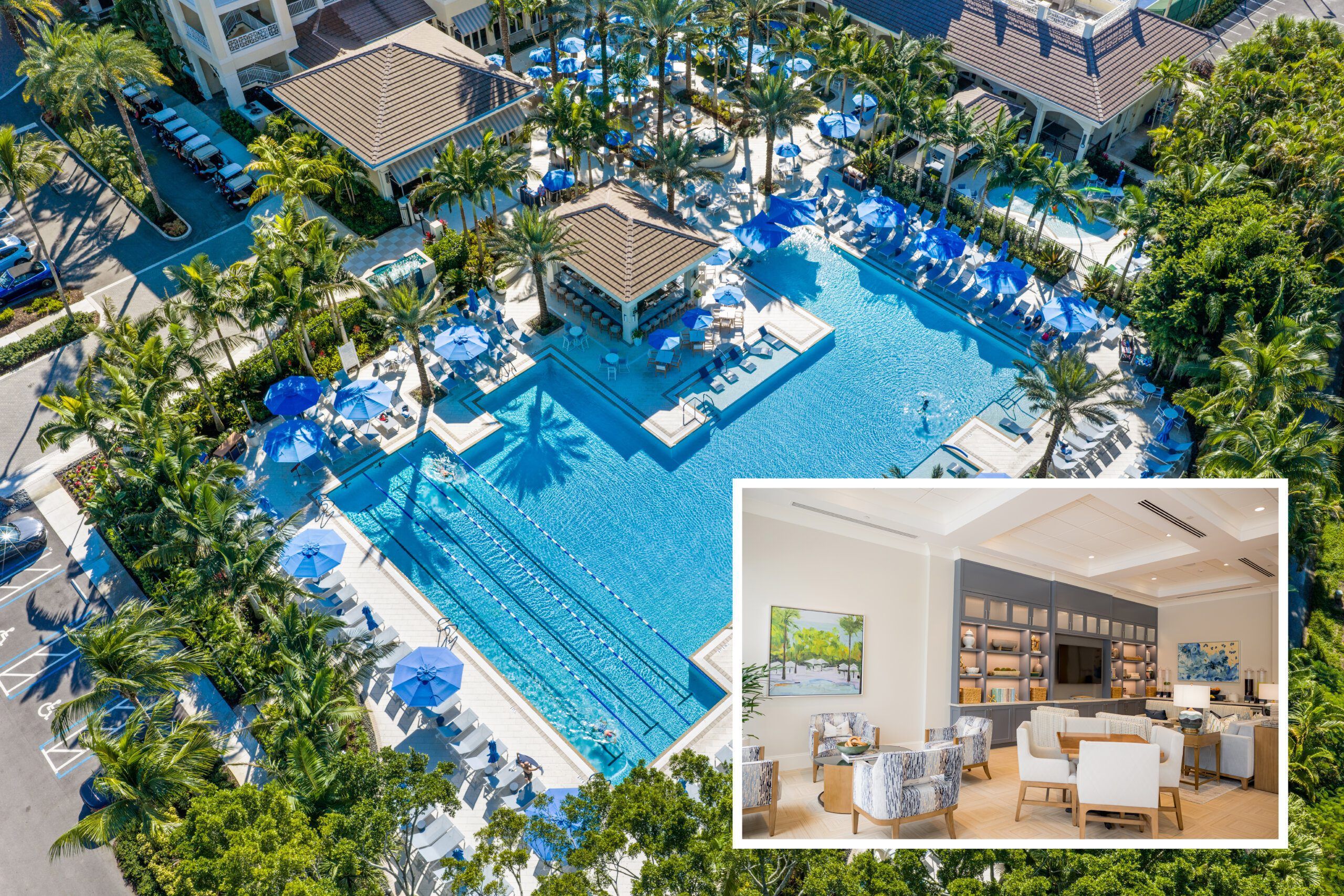
The design concept for BallenIsles Country Club’s reimagined Sports & Lifestyle Complex focused on creating intentional, cohesive and elevated spaces.
Rather than expanding unnecessarily, existing spaces were repurposed to better serve current members’ needs. The former rackets shop, with its central location, was transformed into a cultural center and the children’s activity room became the family fun center. A new racket and lifestyle shop blends retail, office space and member interaction.
The member lounge was a new structure added to improve circulation. It now acts as a connector, guiding members naturally toward the pool restaurant and aquatics complex, while reducing congestion and improving the flow between fitness, dining and social spaces.
THIRD PLACE
Rose Creek Country Club
Edmond, Oklahoma
Interior Design Firm: Strickland Design
Contractor: Jason Thomas Construction
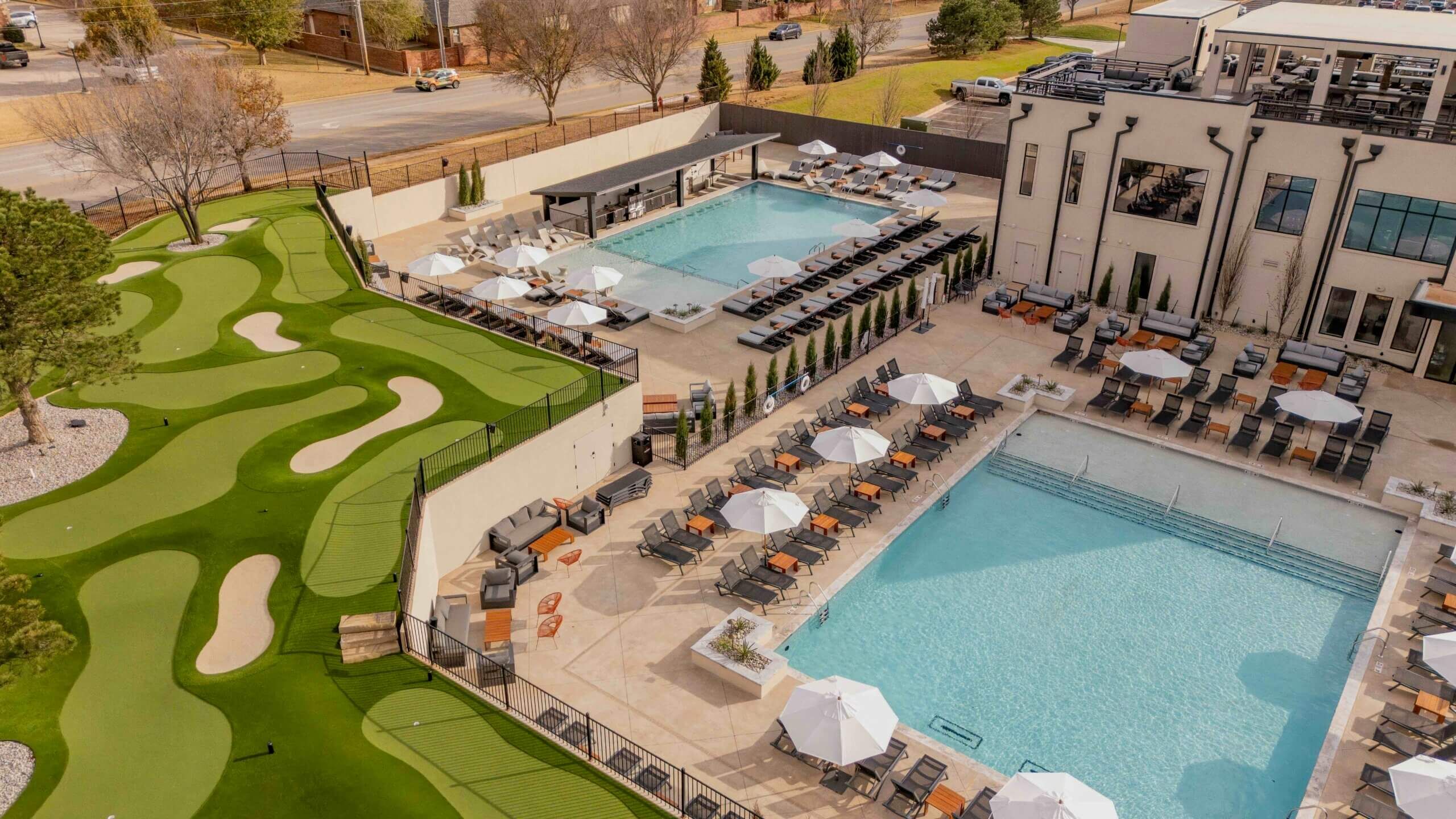
Rose Creek Country Club wanted to create a true resort-style destination that unified fitness, aquatics, wellness, dining and social areas in a single, connected environment.
A full fitness center hosts a functional turf lane, TRX rigs, strength equipment, free weights, cardio machines and stretching zones, while the rooftop bar and terrace overlook the city and grounds. The aquatics area features an adult pool with a swim-up bar (the only one in town) and a large family pool with a kids’ splash pad, as well as cabanas, umbrella seating, multiple lounge decks, tanning ledges and shaded social areas. Additional amenities include a 19-hole miniature putting course, indoor and outdoor dining spaces, a coffee and café area, lounge seating, soft seating nooks for casual work or conversation and a full spa offering massage, facials, hot and cold plunge tubs, saunas and wellness treatments.
Car detailing and dry cleaning are offered as additional services.
What the judges said:
Gym, pool, dining, spa all in an exceptional setting — this place has it all. If they don’t have it, you probably don’t need it. – Darryl Bartlett
This article originally appeared in the March/April 2026 issue of Golf Inc.