

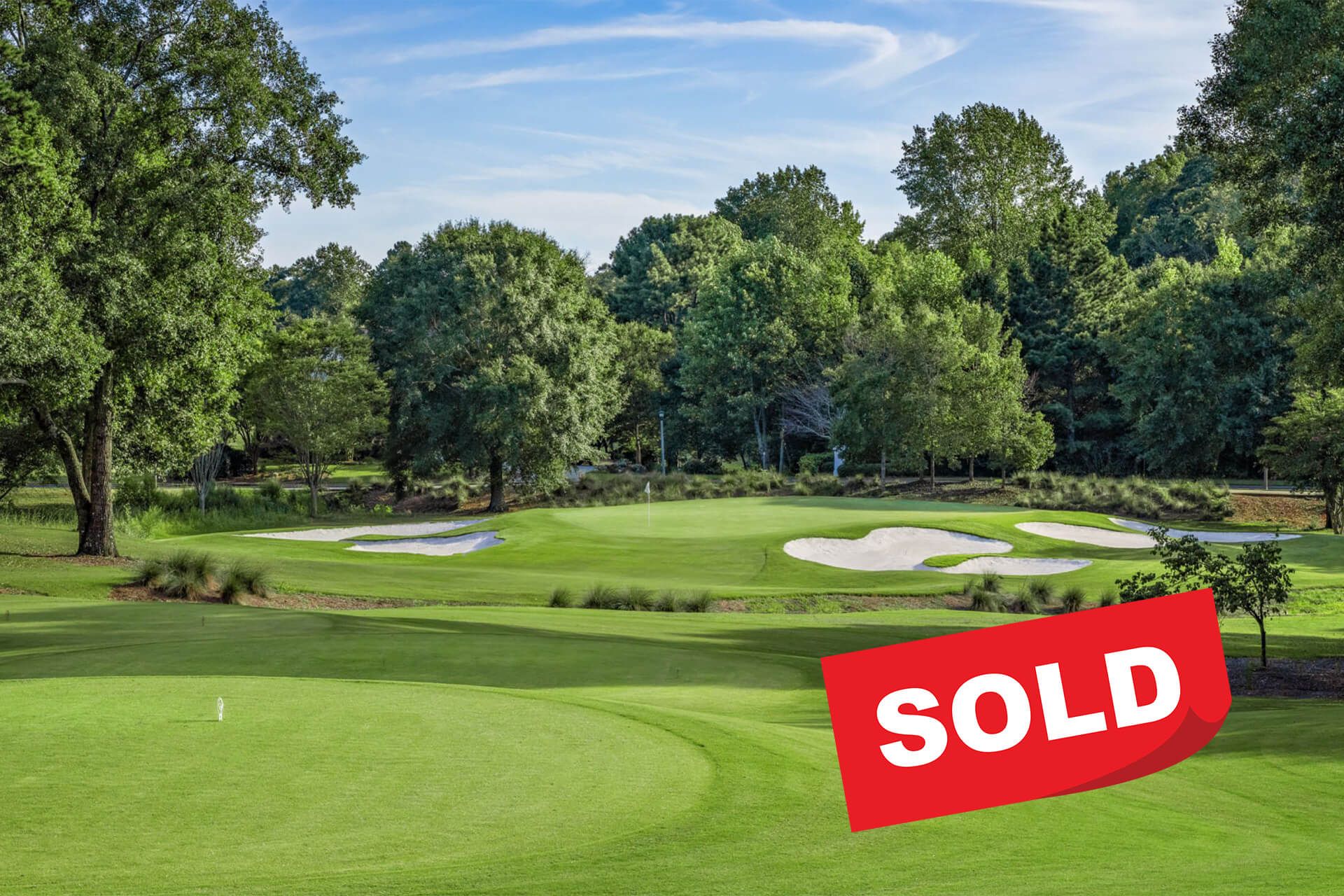
What every owner should know about today’s seller-favored market — and who’s buying now.
————
Just as golf participation and investment continue a steady trend toward unprecedented heights, the sale and purchase of golf course properties has recently accelerated to the upper reaches of that golf business spectrum.
It’s been 20 years since golf operations or the average cost for courses under consideration for sale has been this strong. That elevation brings a whole new segment of the industry into the mix when it comes to selling or purchasing a golf course.
The March 2025 Golf Investment Report from Leisure Investment Properties Group paints a clear picture of a market that still leans heavily toward sellers. Buyer demand has grown sharply, with 66% more active buyers today compared to three years ago, and that momentum is expected to carry through late 2025.
Sales activity also remained strong. In 2024, 92 golf courses changed hands, a 10% increase from the previous year and the highest total since 2022. Even with slightly fewer transactions than the 2022 peak, prices have climbed. The average sale price in 2024 reached $6.8 million, the highest level since 2006, and nearly $1.9 million more than the average price two years earlier.
Regional activity skewed toward the Southeast, which accounted for 38% of all 2024 sales, followed by the Midwest at 20%. Together, the figures underscore a market where demand remains deep, inventory stays tight and valuations continue to rise.

“The golf course sales business has become very, very strong and is very well insulated,” said Jeff Woolson, vice chairman and managing director of CBRE’s Golf & Resort Group, the international brokerage firm’s golf lead since 1990.
He said 2024 was bigger than 2025, and a lot of people who own golf courses want to keep owning them.
“There has never been a better time to sell a golf course,” Woolson said. “If the course isn’t making money, it’s a bad situation — every course in this environment should be making money. There’s strong demand across the country.”
However, he notes that there is an indication that many course owners are thinking of selling because of the age factor.
Woolson noted that many golf course owners skew “older.”
“The baby boomers are aging out,” he said. “The owners’ kids don’t want the property anymore. They would rather have the money. The mom or daughter inherited from the father. Some of these people have held assets for a long time and figure it’s time to sell.”
Shift in capital
The surge has brought new buyers into the marketplace. Investors have been shifting capital from core commercial real estate — places such as apartments, condominiums, industrial, retail and office buildings — into golf.
Chris Charnas, principal of Links Capital Advisors in the Chicago area, said he has even seen a demographic shift with more Asian and Indian investors who had historically been involved in large-scale ownership of restaurants or hotels.
Charnas said he has experienced this turn toward golf course ownership because “they had worn themselves out on restaurants or hotels and golf is something fun and different where they see the opportunity on the golf side.”
Chris Karamitsos, senior managing director and partner of Leisure Investment Properties Group in Tampa, Florida, believes this growth has economic and emotional factors.
“What happened through the pandemic and beyond is that investors started seeing the attractive side of investing in a golf asset,” Karamitsos said. “It’s a little more romantic to own a golf course instead of an industrial building. It’s better to walk into a country club with friends or associates with a smile on their faces than a bunch of buildings without much character.”
Karamitsos said he worked with a client who had 35,000 apartment units, sold some of those and a few years later owns eight courses today.
Private equity interest
Private equity has also continued its interest in golf course purchases, a trend over the past decade, shifting the industry more toward larger, professionally managed multi-course ownership.
In mid-November 2025, Bain Capital made a strategic investment in Concert Golf Partners after the exit of Clearlake Capital Group; Concert boasts a portfolio of properties across the country. That move came after Apollo (through Invited), KSL Capital (Heritage Golf Group), Leonard Green & Partners (60% stake in Topgolf/Toptracer), TPG Capital (heavily invested with Troon) and Arcis Golf (70 courses, including three Atlanta-area purchases in summer 2025) also became involved in high-dollar purchases of mostly private course groups in recent years, many times dealing with their private equity brethren.
Many of these course purchases have been in the private club sector, mainly because of the member connection.
“There’s some security in private clubs,” Karamitsos said. “There are initiation fees and members have some skin in the game. Unlike daily fee courses, private courses are more recession proof. When the economy does poorly, golfers don’t necessarily play less golf but they play less expensive golf, especially in the public golf sector.”
Expectations matter
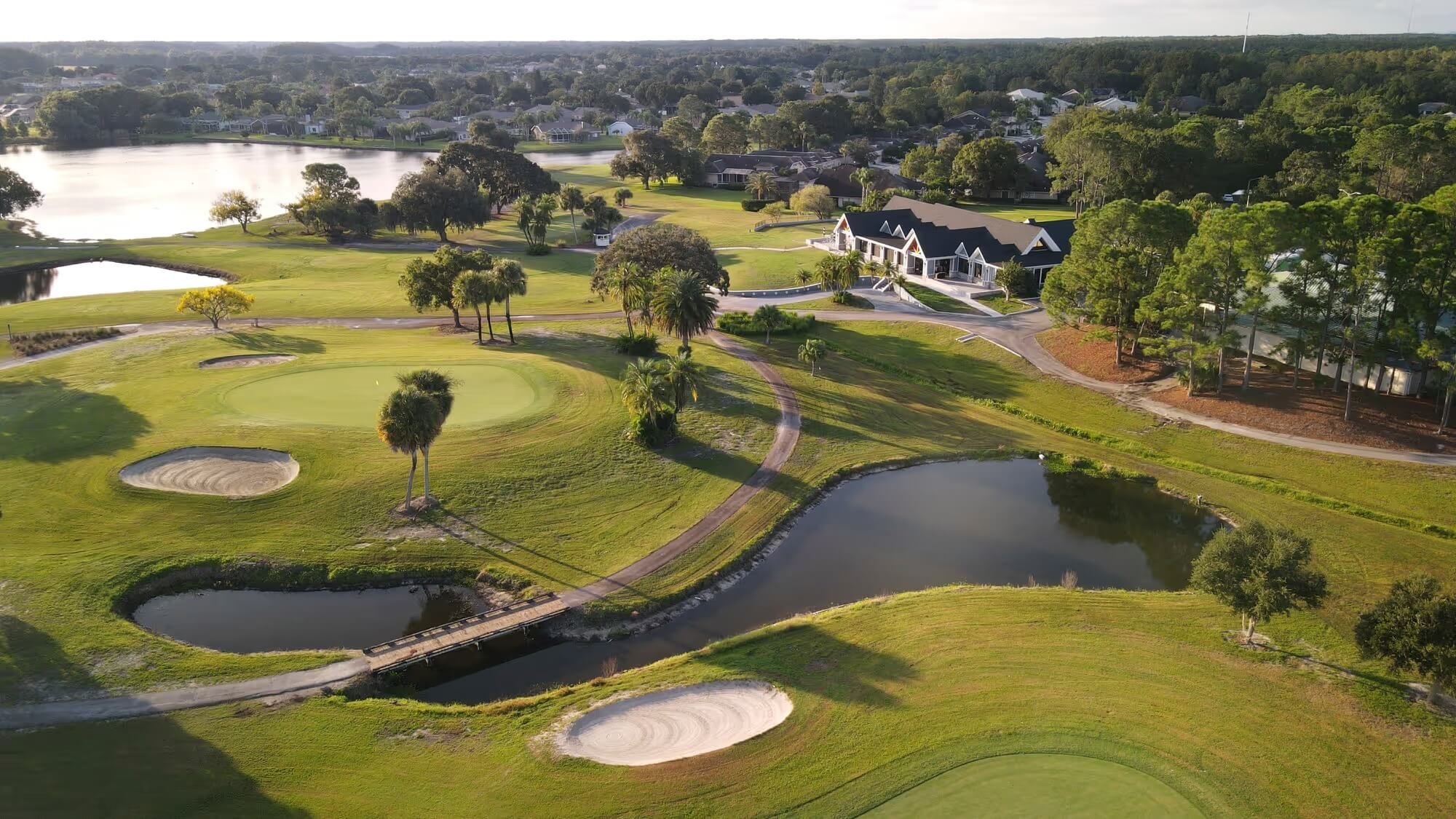
Golf course brokers and other legal representatives are essential in making the lengthy and arduous sales process more effective, with the gathering of documents, permits, licenses, studies and surveys. They take the lead on completing transactions in a couple months or with longer relationships where the broker and client agree to wait up to a decade to determine what the right market and mindset are for their sale.
“It comes down to expectations,” Charnas said. “Sellers want to have a buyer solve their problems. ‘There is tons of potential,’ they will say. But it’s tough for a buyer to pay for potential. They want to pay for what it actually is. No one wants to pay for work they had to pay for going forward.”
Charnas differentiated the course sale from a house sale, where last-minute curb appeal can make a world of difference.
“Know what the property is worth and what you need to get out of it,” he said. “There’s not much you can do at a golf course in three to six months to change and show what it’s worth. At a house, you can change the furniture and paint to make it look new. At a golf course, there should be a lot of historic numbers you can’t change and to hide something you should have been doing in the past few years.”
Charnas, Woolson and Karamitsos agreed that location is a key cog in determining value.
“Location, location, location,” Charnas said. “Good locations equal more for greens fees and membership.”
Being closer to population centers or easy access is a separate driver from the details on the property. How the course or club has stayed technologically relevant is also a factor in determining how smoothly things will go in the future, whether it be tee time access, food service or the integration of online availability and usage throughout the property. Brokers also have access to technology, whether it be storing oodles of documents or navigating through the final paperwork, to quicken the pace of finishing the deal.
One document that is required is an American Land Title Association (ALTA) survey that details the boundaries of a course property, including easements, public right-of-way or any additions or deletions that may have been forgotten during the parcel’s history. The time element (one to two months, depending upon surveyor availability) and the cost (anywhere from $5,000 to $10,000 depending upon property acreage and complexity) are considerations for getting this important documentation.
As far as red flags for those purchasing the property, the No. 1 concern is water access for irrigation and the cost necessary to get that on the ground. That is particularly pertinent for courses in the Southwest and California where water concerns affect everyday life. Courses in Arizona, Nevada and California often scrutinize this resource when it comes to golf.
“Buyers have to dig in and really understand what the water resources are,” Woolson said. “Sometimes there’s the thought of anti-water and anti-golf where golf is associated with water usage.”
Another concern is historically how some private clubs have structured their membership deposits, with the biggest being a 30-year refundable liability where the member pays a fee up front that is refundable in full 30 years later or upon resignation from the club or death. If misunderstood, this type of deposit could lead to potential legal issues.
This article originally appeared in the January/February 2026 issue.