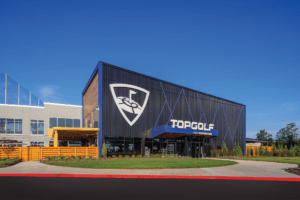


Golf resorts sit at the intersection of two industries — golf and hospitality — and their financial success depends on how well they can blend both.
Unlike private clubs or daily-fee facilities, resorts manage a wider and more complex profit-and-loss statement. Lodging, food and beverage, weddings and events, retail and spa services often drive as much or more revenue than green fees. Getting that mix right can be the difference between a thriving destination and one that struggles to meet expectations.
The past several years have reinforced just how important diversification is.
In the wake of COVID-19, resorts saw golf participation and leisure travel rise, creating a surge of demand. Buddy trips and corporate outings came roaring back, and resorts became popular destinations for families seeking outdoor experiences.
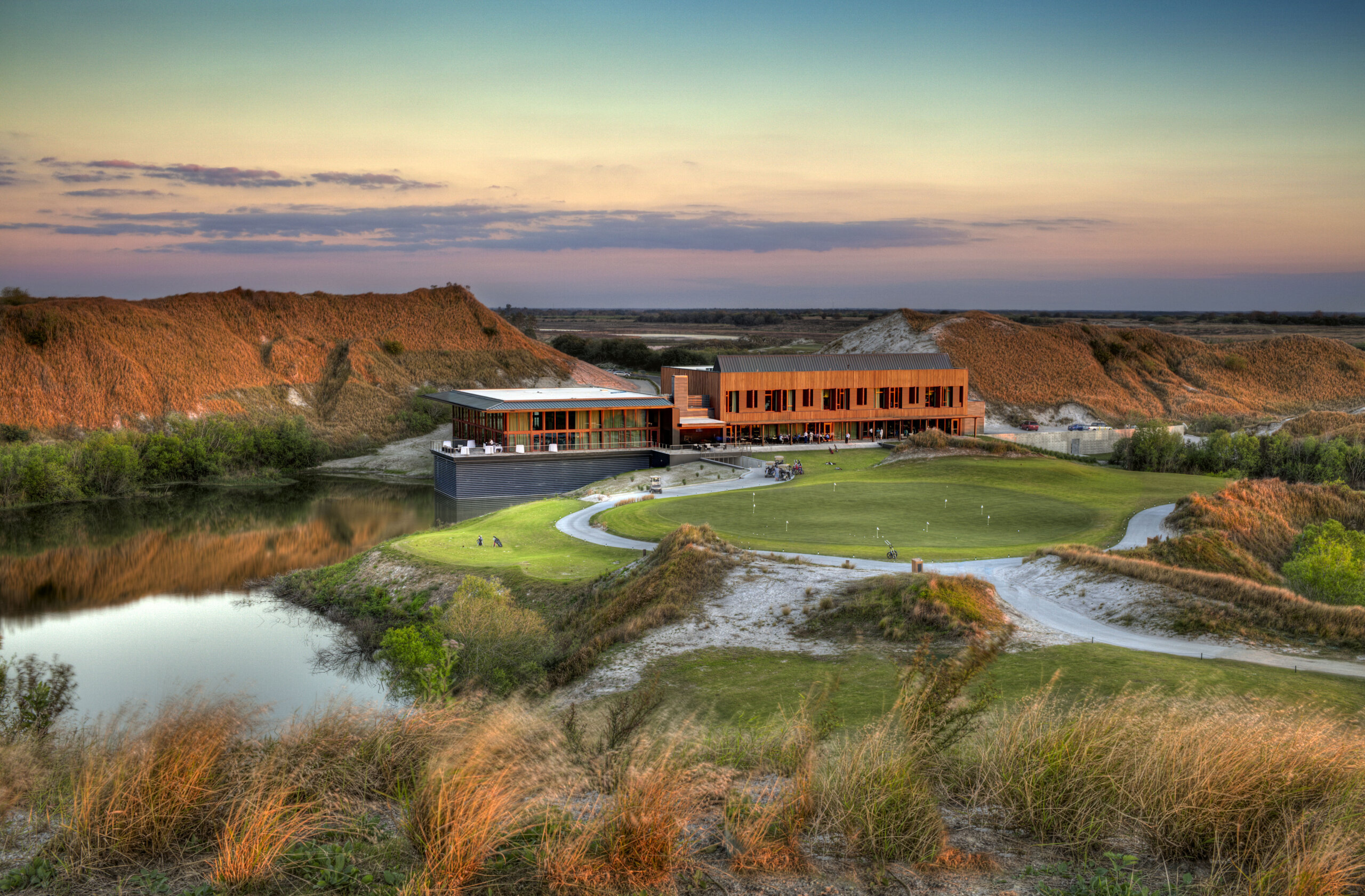
According to the National Golf Foundation, participation in travel golf has grown steadily since 2021, making golf resorts one of the most resilient segments in hospitality. Yet with that demand came rising costs, labor shortages and insurance premiums that squeezed margins. Operators are learning that the path to profitability requires a balance of creative revenue streams and disciplined expense control.
Industry experts say the resorts that thrive are those that think beyond golf.
Jeff Woolson, vice chairman and managing director of CBRE Golf & Resort Properties, said that even though capitalization rates for resorts have risen, the sector still outperforms.
“Golf resorts are the best performing hotel segment right now,” he said. “But buyers almost always look at rooms first. Rooms revenue will exceed golf revenue in almost every case.”
That perspective underscores a fundamental truth: lodging drives the engine, but it cannot run alone.
Beyond golf: Diversification as a necessity

Modern resorts know that relying on 18 holes of championship golf is not enough. Many are expanding their offerings to capture additional guest spending and provide experiences that extend beyond the course. Short courses and lighted par-3 layouts allow guests to play in the evenings or fit in quick rounds, while simulators create all-weather options. Wellness amenities, including spas, yoga studios and fitness centers, provide an alternative draw for non-golfers and an additional spend for groups.
Woolson compared the rise of par-3 courses to the pickleball boom.
“Par-3s are taken less seriously; they’re fun and they drive bar business,” he said. “You can light them and play at night — that’s a whole new tee sheet you never had before.”
For resorts, that means incremental rounds, food-and-beverage sales and an enhanced sense of community.
Mike Beverly, president and CEO of the Robert Trent Jones Golf Trail, said packaging remains one of the best ways to balance revenue across golf and lodging.
“Our model is to book a year in advance with our golf packages and outings,” he said. “We offer state residents a discount 14 days out to fill the tee sheet, while higher-paying customers get earlier access.”
That kind of strategy keeps tee sheets full while maintaining healthy margins.
Technology as a profit lever

Technology has quickly become one of the most important tools in resort profitability. Dynamic pricing for both tee times and hotel rooms is now the norm, not the exception. Operators use integrated systems to track guest behavior across all touchpoints — golf, dining, spa, retail — and then use that data to forecast demand and personalize offers.
Woolson said dynamic pricing is also critical for managing costs.
“Labor and insurance have skyrocketed,” he said. “Dynamic pricing is one of the ways operators can balance those expenses and still keep rates competitive.”
By adjusting prices in real time, resorts can maximize yield during peak travel periods and avoid deep discounts in slower months.
Technology also allows resorts to understand who their highest-value guests are. Corporate groups might spend heavily on banquets, while international visitors often extend stays and purchase packages. Local guests may be more likely to return multiple times a year. By segmenting and tailoring experiences, resorts are turning data into dollars.
Food & beverage and events
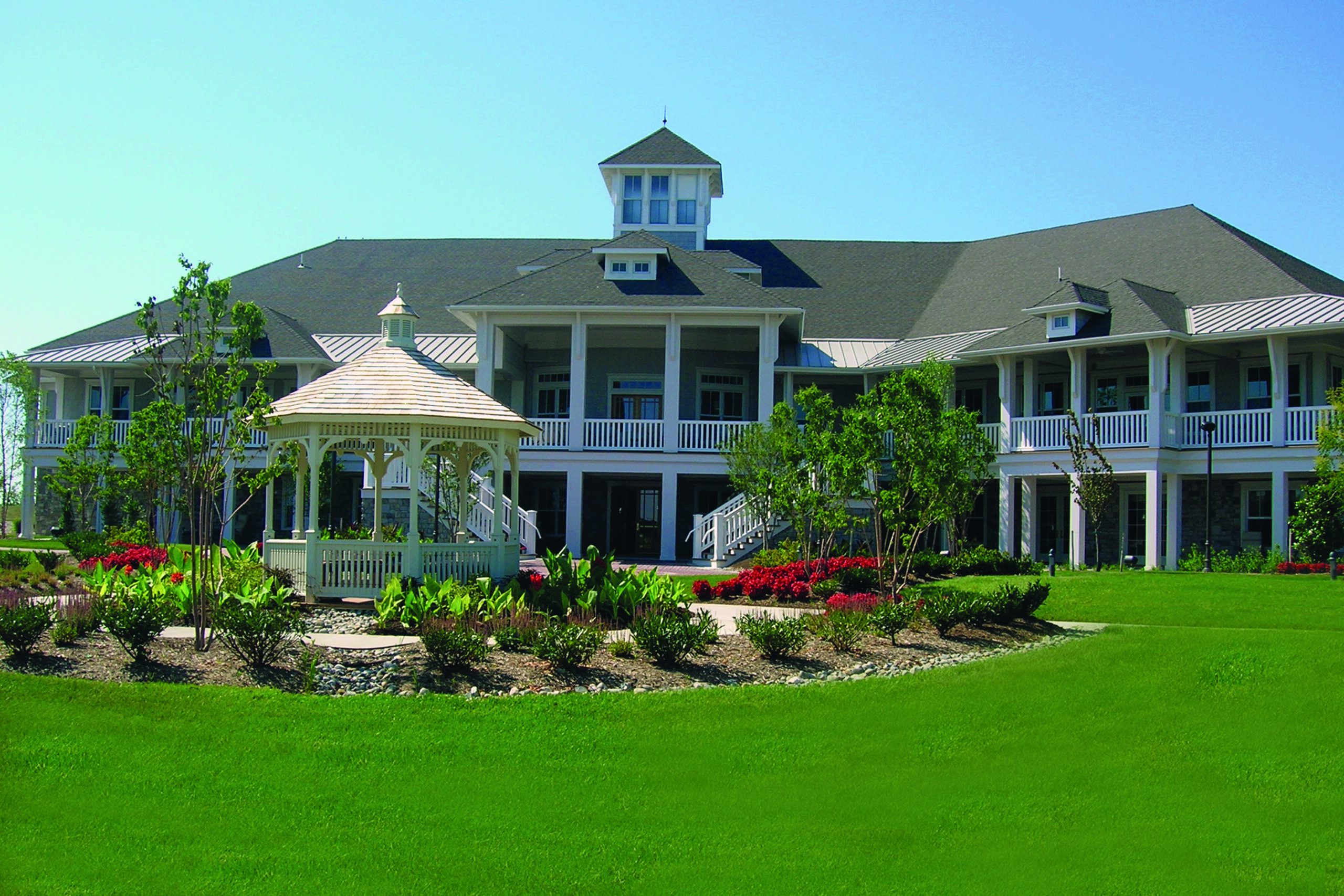
Food & beverage has always been a pillar of the resort experience. Guests often judge a stay as much by their dining experience as by the condition of the greens. Yet F&B is notoriously difficult to run profitably on its own. Margins are thin, labor intensive and subject to supply chain fluctuations. Still, in a resort setting, F&B is indispensable — especially when linked with group events.
“Some groups are doing it exceptionally well,” Woolson said. “But big events — weddings, bar mitzvahs, corporate banquets — are where resorts separate themselves from the rest.”
Large-scale banquets not only provide direct revenue but also serve as a marketing tool, introducing new guests to the resort.
Operators are leaning into signature culinary programs, creative cocktail menus and spaces that can flex between intimate dinners and large groups. The ability to host both a wedding and a corporate retreat in the same week stabilizes the P&L during seasonal swings. For many properties, banquet revenue is the anchor that balances unpredictable golf and lodging demand.
Sustainability as strategy
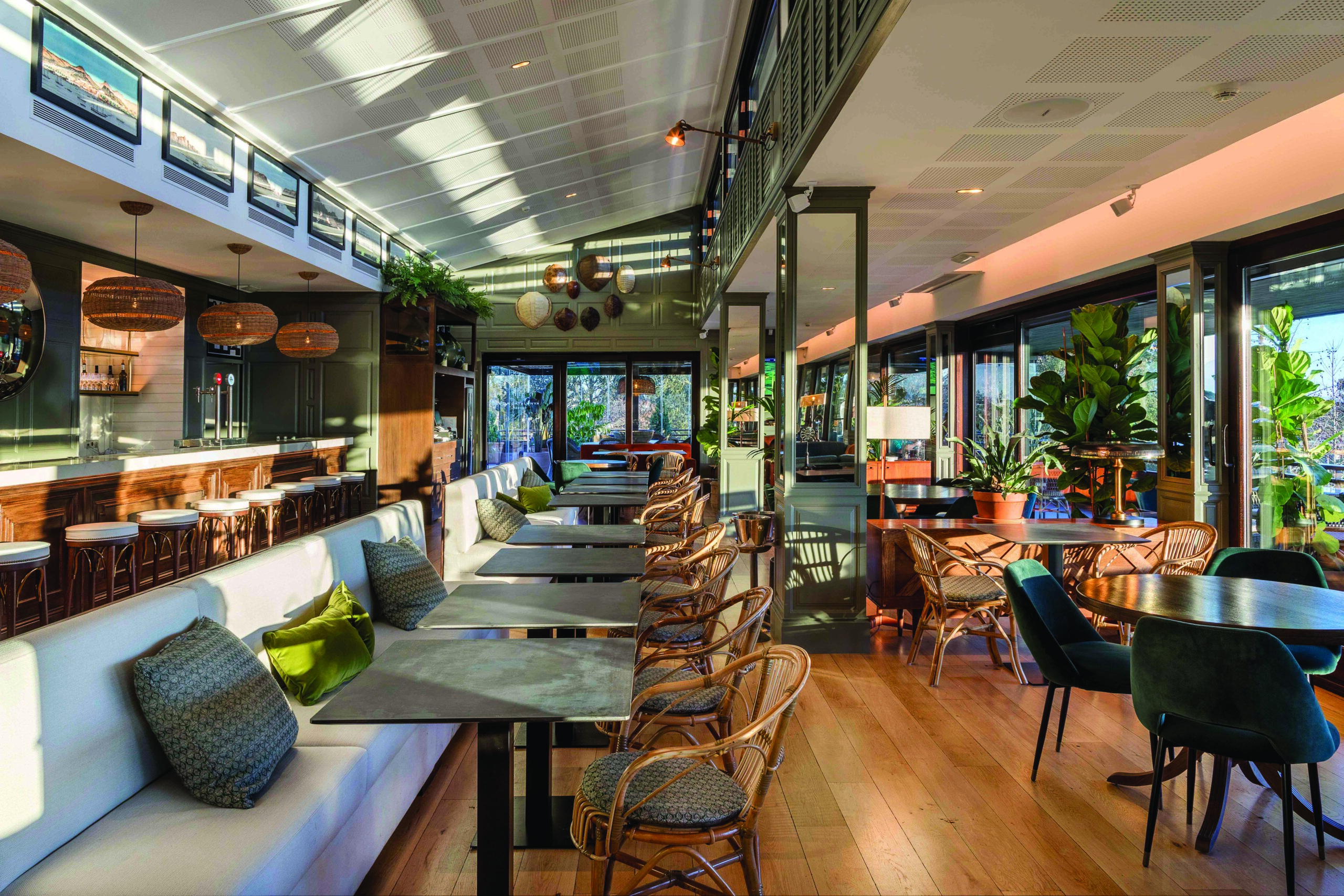
Sustainability has moved from a cost-control measure to a branding strategy. Today’s travelers want to know their dollars support responsible operations. Resorts are responding with initiatives ranging from renewable energy and efficient irrigation to eco-friendly maintenance practices. For properties in sensitive environments — such as coastal resorts or desert landscapes — the ability to market sustainability as part of their identity creates a reputational advantage.
Beverly said reinvestment in facilities is non-negotiable.
“The product is what brings the customer,” he said, “and the conditions, service and hospitality bring them back.”
That reinvestment often includes sustainable infrastructure. Efficient systems reduce costs over time while freeing capital for guest-facing amenities.
Some resorts now promote sustainability packages that showcase eco-friendly dining, nature-focused recreation and green transportation. For a younger generation of travelers, this commitment can be a deciding factor when choosing between destinations.
Challenges on the horizon
Even with positive demand trends, golf resorts face steep challenges. Labor is the most pressing.
Recruiting and retaining staff across food service, housekeeping and course maintenance is increasingly difficult. Rising wages and benefits, while necessary, tighten margins in every department. Insurance is another burden. Premiums continue to rise, especially in markets prone to natural disasters.
“The first question out of a buyer’s mouth is always, is it union?” Woolson said. “Union status can change everything, from costs to flexibility.”
For buyers, union properties often carry additional risks across their portfolios. For operators, they limit options for cutting or reshaping labor.
Beverly noted that ongoing reinvestment in people and facilities is what builds long-term loyalty. In his view, it is the quality of the product and service — not shortcuts — that sustain profitability.
Seasonality is another challenge. Resorts must make the most of high-demand periods and find creative ways to fill rooms in off-seasons. Multi-property portfolios like the RTJ Trail can offset seasonal swings by spreading across climates, but single-site resorts must lean on events, wellness retreats and local partnerships to keep revenue steady.
The outlook for golf resorts remains strong, but only for those that continue to adapt.
Lodging is the anchor, but success depends on a portfolio of experiences — dining, wellness, events, retail — supported by technology and sustainability. Resorts that understand both sides of the equation — golf and hospitality — are the ones that will thrive.
“If hotel people understand golf and golf people understand hospitality, that’s the best combination,” Woolson said. “When one side dismisses the other, that’s when problems arise.”
Beverly echoed that consistency is the ultimate differentiator.
“Providing a great product at a fair price, excellent service and reinvesting in facilities — those are what keep customers coming back,” he said.
Looking forward, operators see opportunity in new demographics. Millennials and Gen Z golfers are reshaping the demand curve. These groups are more likely to book golf trips with friends, combine golf with wellness or adventure experiences, and share their travels online.
International demand is also rebounding, with travelers from Europe and Asia once again seeking U.S. destinations known for golf. Resorts positioned near major airports and metropolitan areas are particularly well placed to capture this flow.
The fairways may draw visitors, but it’s the broader experience — from lodging and dining to wellness and events — that will determine profitability in the years ahead.
(This story originally appeared in the November/December 2025 issue of Golf Inc.)