

Multitasking might be something humans struggle with, but the best golf courses and country clubs do it with ease. Offering multiple amenities in addition to golf is a great way to keep members happy and bring in new ones.
This year’s Amenity of the Year competition recognizes the clubs that go above and beyond to satisfy the needs of their members.
The big trends have shifted from pool facilities to things like health and wellness, social spaces, racket sports and golf instruction.
In the Multiple Amenity category, Royal Melbourne Country Club in Long Grove, Illinois, took first place for its top-level pickleball and tennis courts and its Social House, a multi-seasonal building with outdoor firepits and a full kitchen and bar.
Memphis Country Club in Tennessee won top honors in the Racket category for its new state-of-the-art facility. Now, pickleball enthusiasts have a real home instead of a pair of courts striped for play on an old parking lot.
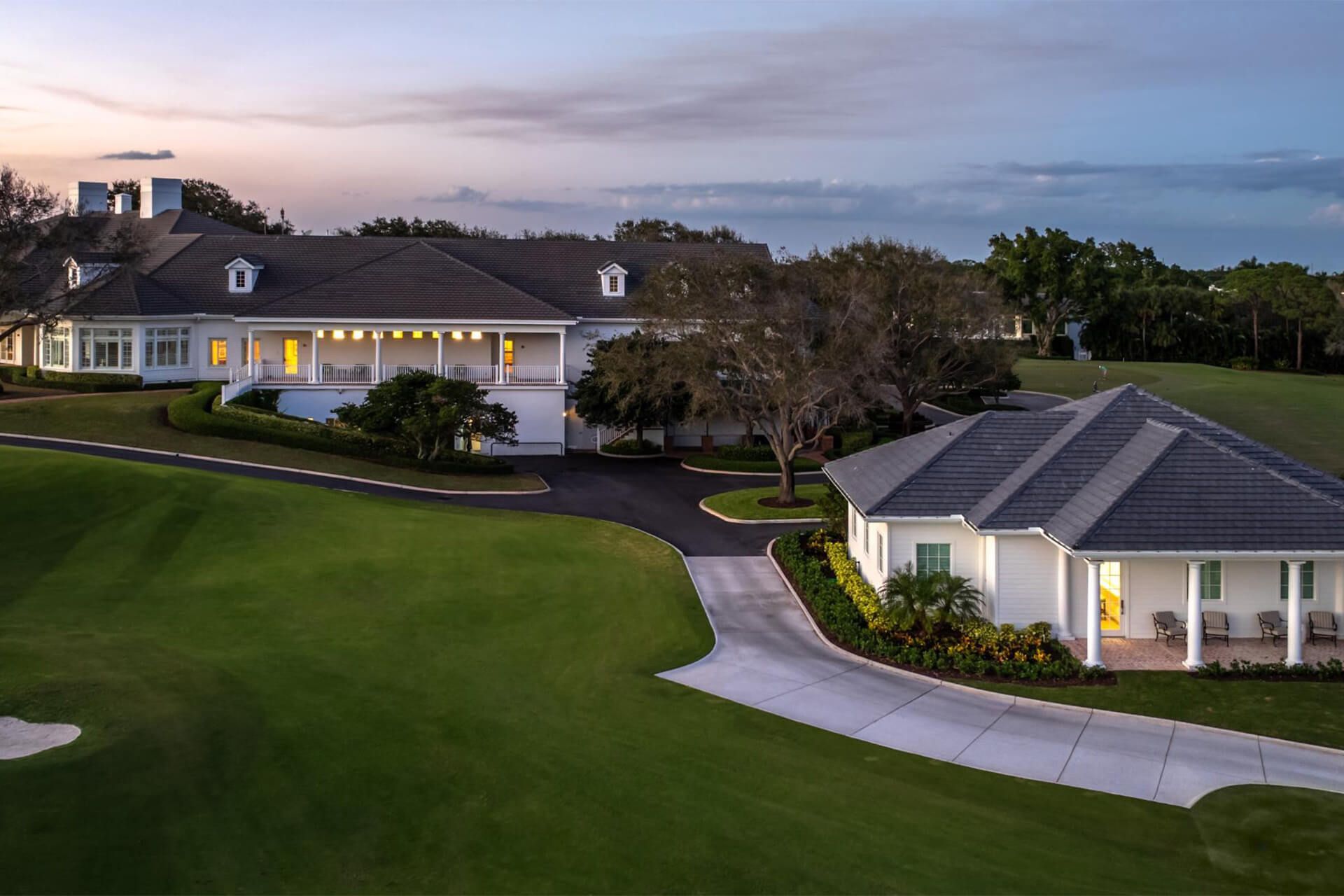
Finally, in the Golf Entertainment & Range category, first place went to The Country Club of Florida. Its new golf learning center creates a fresh and engaging environment that celebrates the club’s legacy while offering opportunities for members to refine their skills.
This year’s judges were Peter Cafaro, senior vice president of JBD JGA Design & Architecture; Bryan Woodward, vice president of operations at Crescent Hotels & Resorts; and Mark Melzer, principal architect at Melzer Deckert & Ruder Architects.
Golf Entertainment & Range
FIRST PLACE
The Country Club of Florida
Village of Golf, Florida
Architect: Peacock + Lewis
Interior Design: Peacock + Lewis
Contractor: Mouw Associates
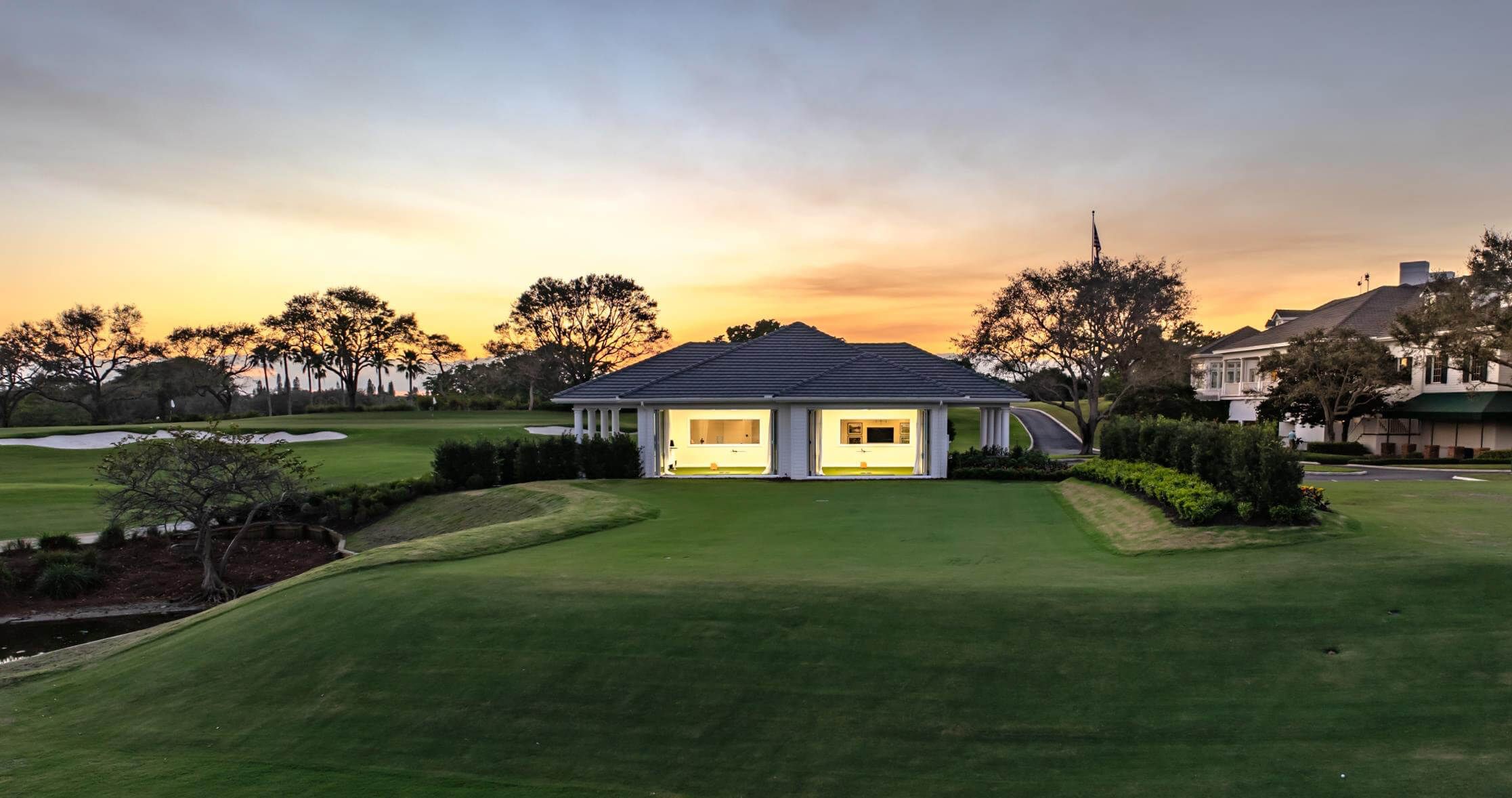
The new golf learning center at the Country Club of Florida was designed to give members a state-of-the-art facility where they could work on improving their game in a comfortable, social atmosphere. The all-season, climate-controlled, 3,000-square-foot facility has two high-tech hitting bays equipped with swing analysis systems and integrated golf simulators where members can improve their skills with assistance from professional instructors.
The learning center also includes a lounge area with food and beverages. It provides a place for players to unwind, review their performance and socialize with others.
Peacock + Lewis designed the building to integrate with the nearby clubhouse, creating a unified aesthetic so it feels like a natural extension.
The hitting bays are equipped with folding glass doors that open to the outside. Typically garage doors are used, but the club chose to accommodate nearby homeowners, who preferred not to see garage doors across the driving range.
The learning center has become a central focus of the club’s event calendar. The driving range can be converted into a par-3 course, and the club has been using the new space extensively, holding four contests in five months.
What the judges said:
“The indoor hitting bays are designed exquisitely to blend in with the facility’s general architecture. The use of indoor and outdoor spaces enhances the overall efficiency and charm. It has engaged members by providing a desirable event venue, which although it may not be measurable financially, it is immeasurable in member satisfaction and engagement.” – Peter Cafaro
I like how proximate the learning center is to the clubhouse and parking. Because of this, it needed to blend well to the clubhouse, which it does successfully.” – Mark Melzer
SECOND PLACE
Bear Lakes Country Club
West Palm Beach, Florida
Architect: Nicklaus Golf Design
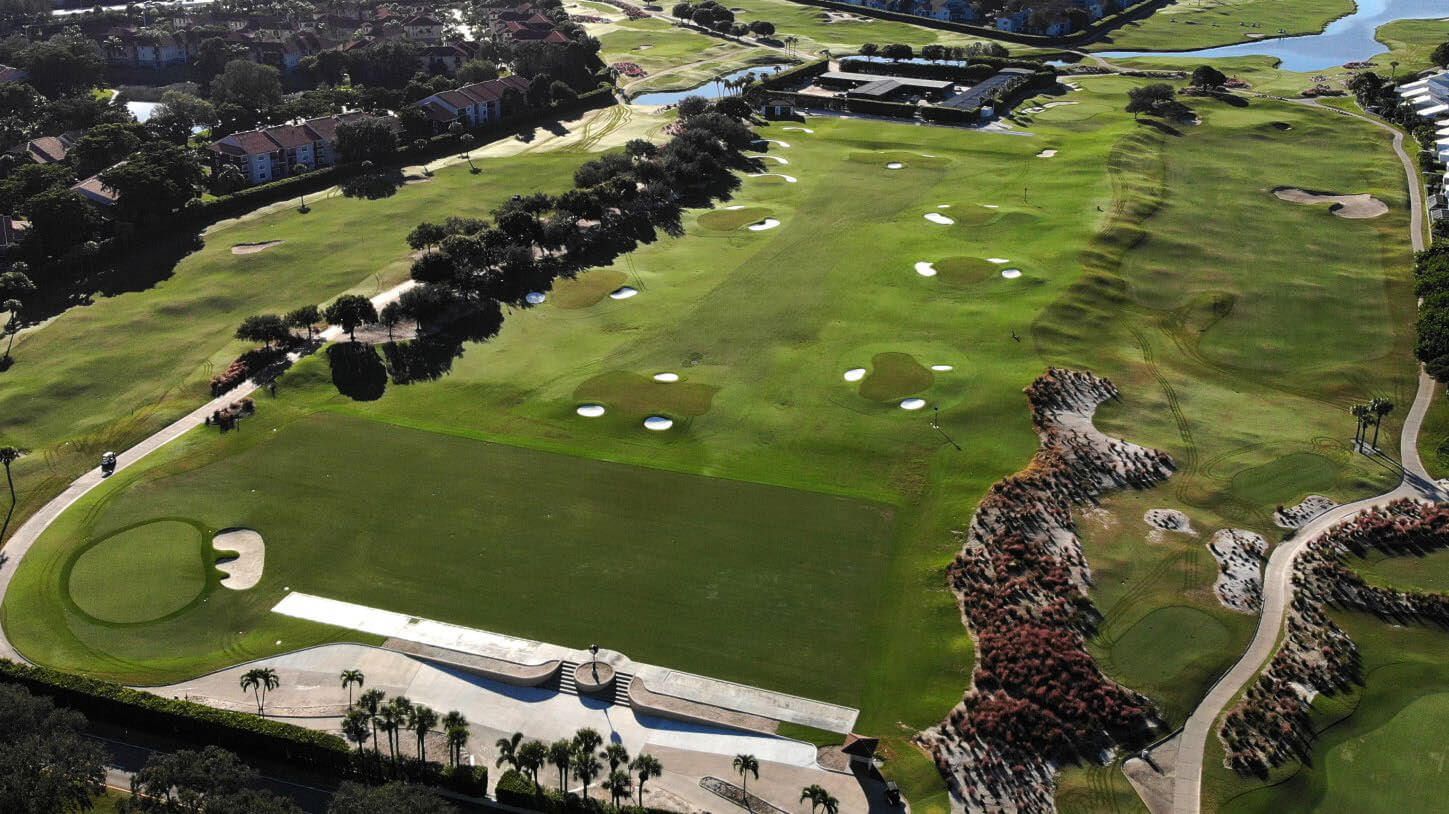
The driving range at Bear Lakes Country Club had not been updated since 2007, and a recent survey of members indicated a desire for improvements. The result is a comprehensive practice facility designed to suit all skill levels and cover all aspects of improving one’s game.
The new driving range covers more than 13 acres. A dual-ended hitting area offers both natural and artificial turf, so members can choose their hitting surface. The entire irrigation and drainage system was replaced, and GPS was used to ensure that both hitting areas were completely level.
Key features include seven target greens with artificial-turf bunkers, a wedge range with target greens from 25 to 100 yards, a practice fairway bunker, a CoverShots mobile canopy for protection from the elements and a fairway carved into the middle of the landing zone for a clear view of the shot.
The club’s learning center was renovated and now includes two instructional bays. Each bay offers three camera angles and a comprehensive Trackman monitor. One station has a sensor pad to monitor the balance and weight shift of the player, as well as club-fitting and loft and lie adjustments.
Seven radar towers with Trackman technology have been installed to provide coverage of the entire practice facility.
The club also built two short-game areas. They replicate the conditions found on each of the club’s two championship courses. This allows members to practice any shot they may face on either course.
What the judges said:
“The practice facility beautifully addresses the growing focus on golf practice by combining natural beauty and efficiency with technological advances.” – Peter Cafaro
THIRD PLACE
Bonita Bay Club
Bonita Springs, Florida
Architect: AM Design Group
Interior Design: AM Design Group
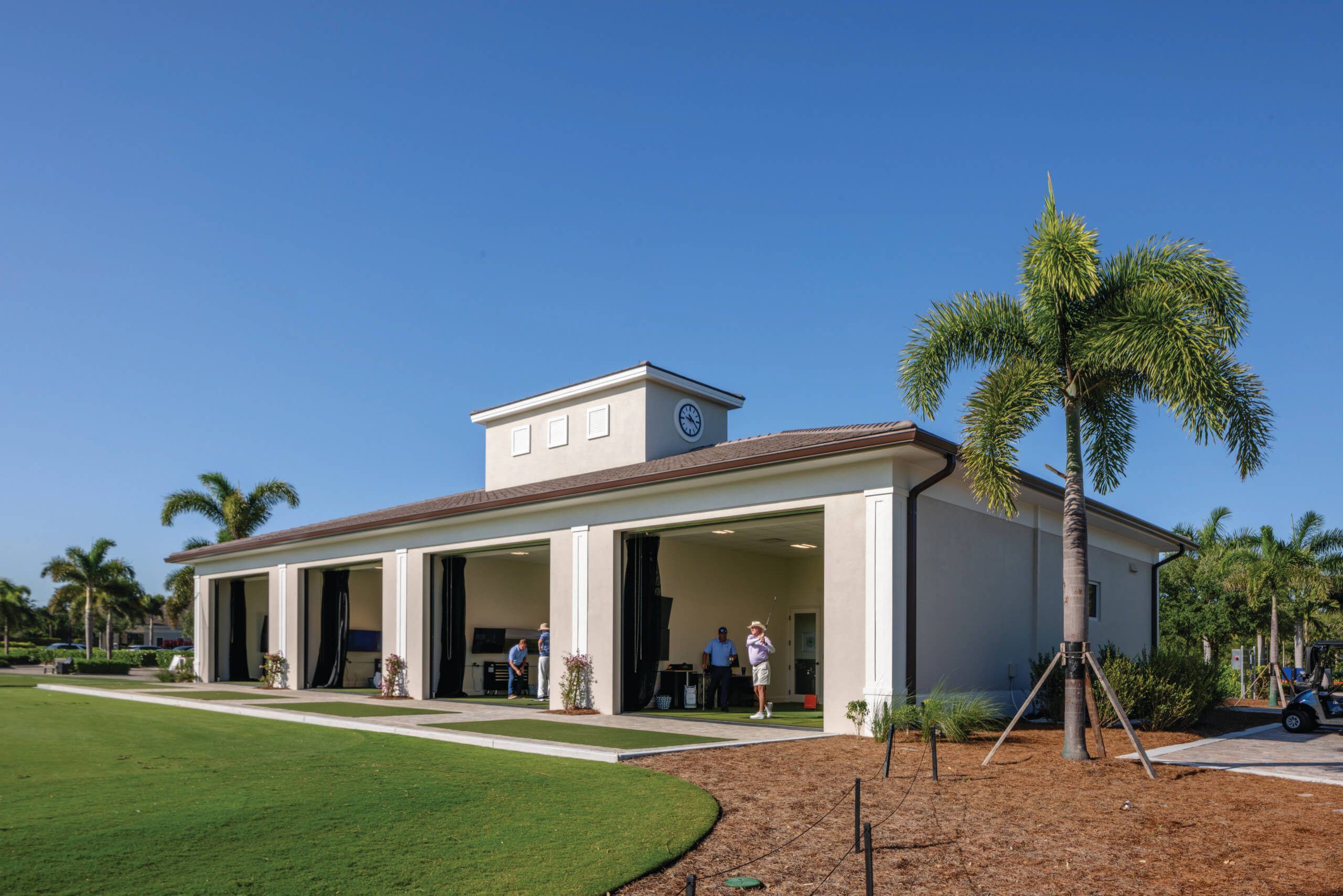
Bonita Bay Club’s two new golf performance centers offer a holistic approach to golf improvement.
Features include Trackman and Foresight GCQuad technology to give players detailed swing analysis, a state-of-the-art golf lab dedicated to precision club fitting and repair, multiple hitting bays, a golf fitness area, a stretching zone and a sophisticated putting lab with customizable undulations.
Additionally, the club offers fitness assessments using InBody technology to further its commitment to improving member well-being and performance on the course.
The design maximizes functionality without compromising on comfort. It follows a logical flow, balancing open hitting areas with dedicated spaces for fitness, repair and customization.
The layout ensures that everything can be accessed easily and efficiently.
HONORABLE MENTION
Kenmure Country Club
Flat Rock, North Carolina
Architect: Cover The Tees
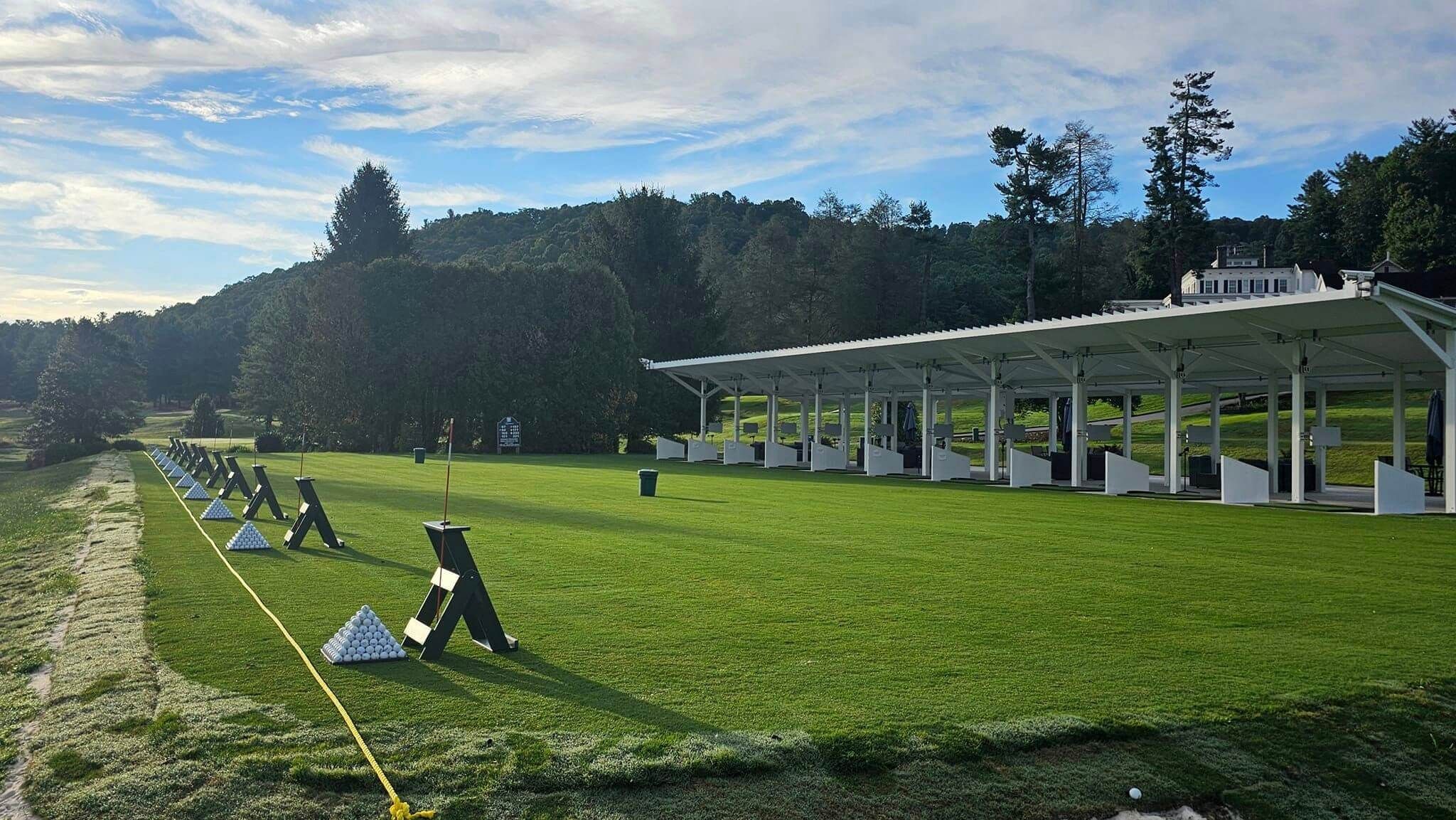
Kenmure Country Club added a Toptracer range to attract more golfers and offer an additional gathering spot for members to practice, compete and socialize.
The goal was to create a modern and relaxed atmosphere with a comfort-driven layout. Designers used neutral tones with splashes of color inspired by the natural surroundings.
The individual bays are spacious enough that users can enjoy the space without feeling crowded. The facility is designed to be flexible enough to accommodate a wide variety of events. Strategically placed service points allow for quick access to food, beverages and assistance.
“The vision was to provide members and guests with a premier golf experience and create an additional selling tool for our memberships and outings,” said David Ford, general manager.
“We are always looking to enhance our offerings for both members and potential new business. After reviewing the options, we identified Toptracer as the ideal solution. This setup transformed the driving range into a dynamic environment where players of all skill levels can now access instant shot data, engage in various games and play virtual rounds on iconic courses.”
HONORABLE MENTION
Grand Golf Club at Fairmont Grand Del Mar
San Diego, California
Architect: Bishop Pass
Interior Design: Bishop Pass
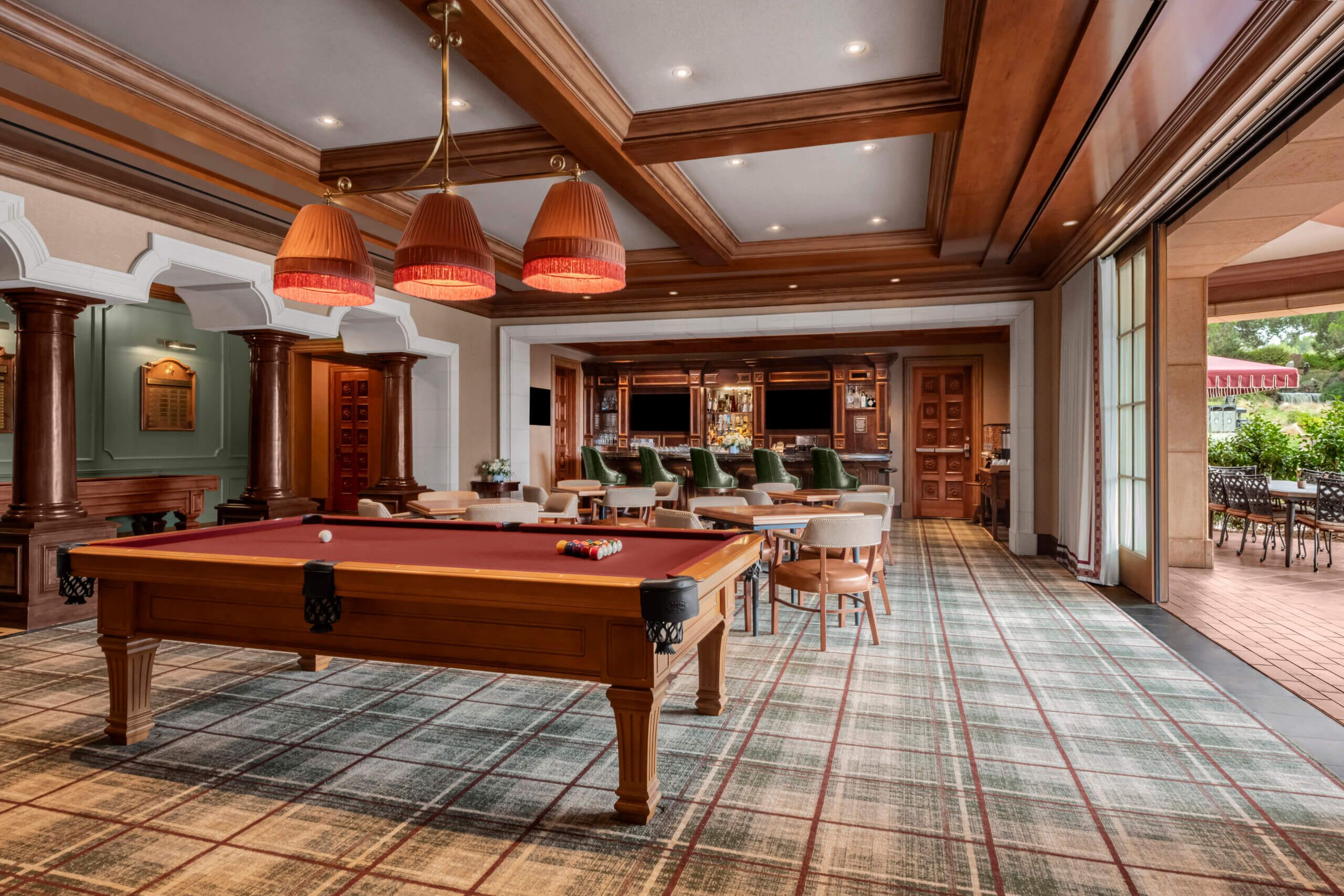
The Grand Golf Club renovated its clubhouse, creating a new look that elevates the experience for members and entices potential members as well. It added lighter and more modern touches, while still maintaining the resort’s opulence.
The new décor includes upholstered furniture in luxurious textures and warm colors; pendants and sconces with brass and Venetian glass; window and wall treatments with softer, lighter fabrics; and custom-designed carpeting.
The women’s lounge was renovated to include an indoor/outdoor bar, an infrared sauna and an illuminated Himalayan salt wall. The men’s lounge was expanded with additional locker space.
Outside, additional patio seating and umbrellas create more usable space for dining and other club events.
Stephen Knight, principal at Bishop Pass, called the club a truly special facility.
“In our effort to refresh the interiors, we wanted to be sensitive to the expectation of grandeur the architecture promises but give it a more relaxed treatment,” he said. “The experience at the club still evokes the opulence of Grand Del Mar, but lighter and more relaxed.”
Racket
FIRST PLACE
Memphis Country Club
Memphis, Tennessee
Architect: Kuo Diedrich Chi Architects
Interior Design: J. Banks Design
Contractor: Grinder, Taber & Grinder
Memphis Country Club’s members are as ravenous as they come for tennis. So, when it came time for a recent $15 million renovation, expanding the tennis facilities was at the top of the list.
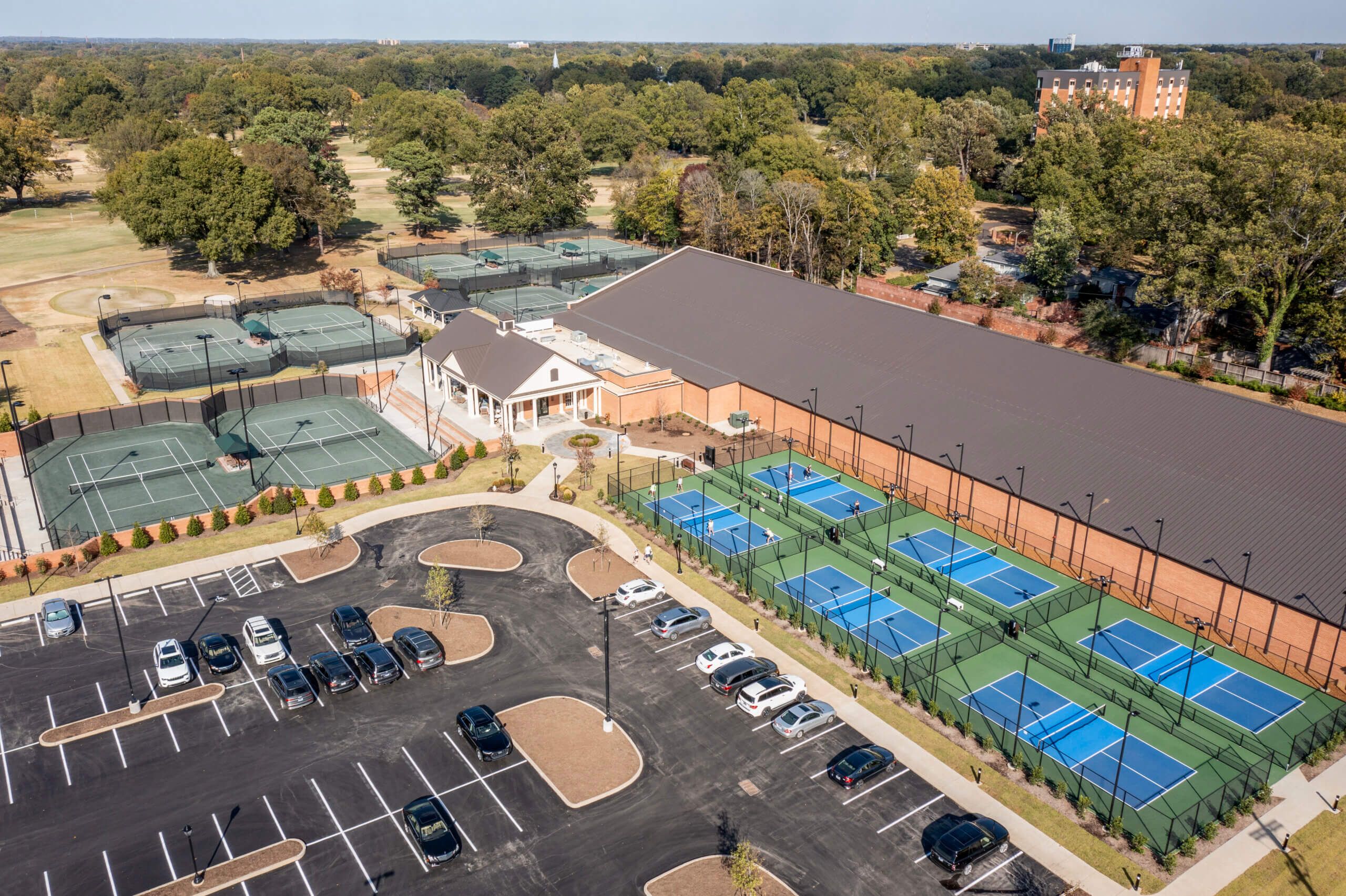
The old tennis facilities were constrained by the club’s urban location and a neighboring church. The club worked out a land swap with the church and secured 3.5 acres on which to build a 60,000-square-foot indoor racket facility. It has five tennis courts, four pickleball courts, a tennis pro shop and Racquets Café. It also includes locker rooms and a storage area for maintenance equipment.
Since the courts are indoors, members can play during inclement weather, and they were built below grade to reduce noise and create a tournament atmosphere.
Additionally, the building had to be specially engineered and fortified because it is located on a seismic fault line.
In addition to enjoying increased revenue and greater member satisfaction, the club is excited about the impact the tennis center will have on the surrounding community.
What the judges said:
“With outdoor and indoor courts, members will enjoy the year-round facility and the warm interiors in the lobby and retail space. The expansive design with large truss beams above the indoor space gives the feeling of ample interior room for members to relax, connect and enjoy.” – Bryan Woodward
“This project utilized out-of-the-box thinking to solve land/expansion challenges, which many older clubs face. The overall design is efficient as well as aesthetically pleasing.” – Mark Melzer
SECOND PLACE
The Club at Quail Ridge
Boynton Beach, Florida
Architect: Peacock + Lewis
Interior Design: Peacock + Lewis
Contractor: BSA Construction
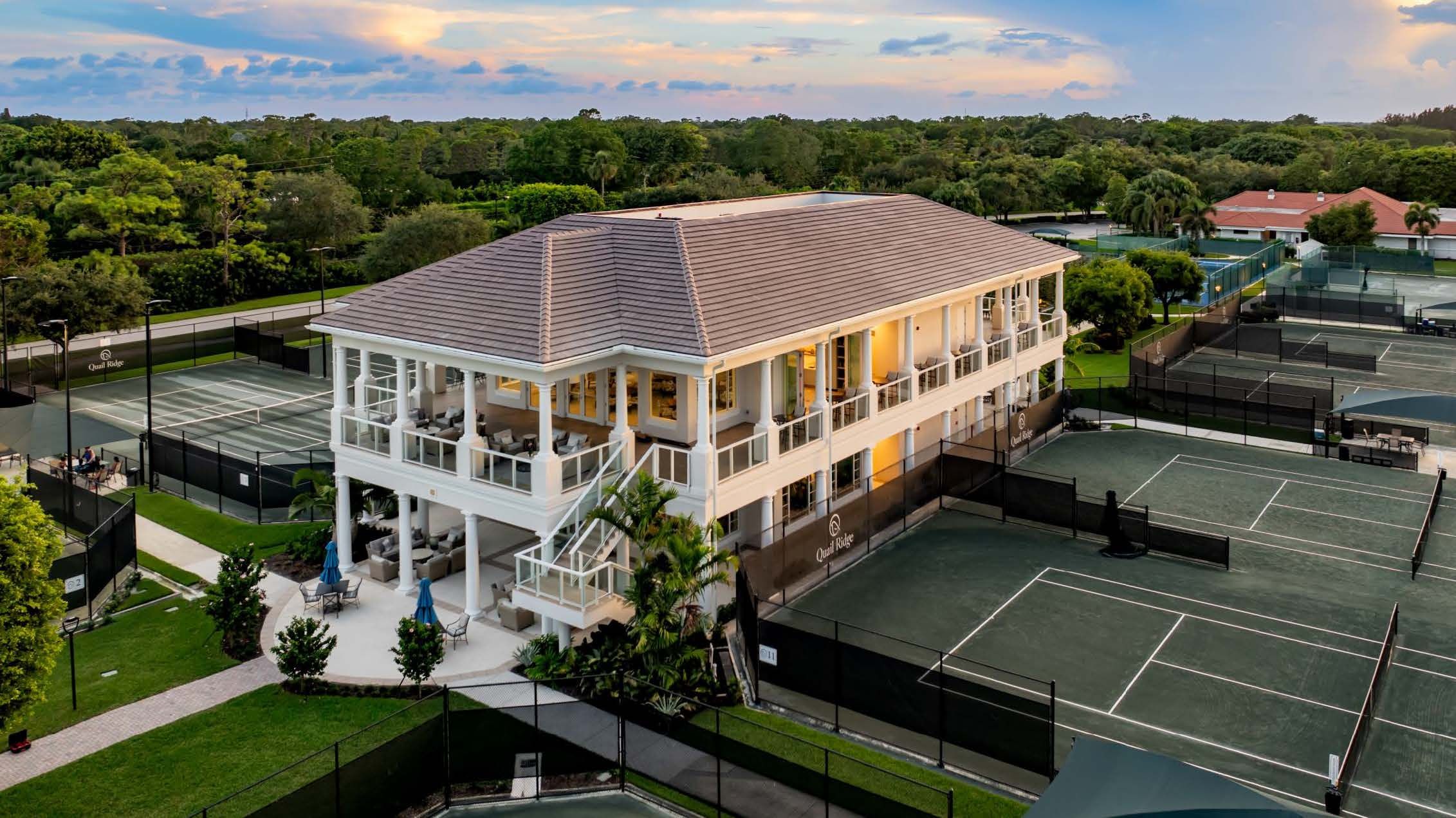
The Club at Quail Ridge developed a master plan in 2014 intended to address various concerns around the property. The new 16,000-square-foot sports center, which replaced the old racket sports pavilion, is a result of that plan.
The pavilion was 50 years old and needed to be retired. The new structure was designed to retain key elements of the original, such as a second-story observation deck, while greatly improving functionality.
The facility gives members a 360-degree view of 16 tennis courts and six pickleball courts. It has a large meeting room with folding exterior glass doors, a smaller meeting room, a pro shop, staff offices, locker rooms, ample storage and three outdoor gathering spaces. It acts as an extension of the clubhouse and can support large gatherings with catering from the main kitchen.
What the judges said:
“The new facility is breathtaking and totally transformative for the member experience.” – Peter Cafaro
THIRD PLACE
Bonnie Briar Country Club
Larchmont, New York
Architect: Chambers
Interior Design: Chambers
Contractor: Abate Building Corp.
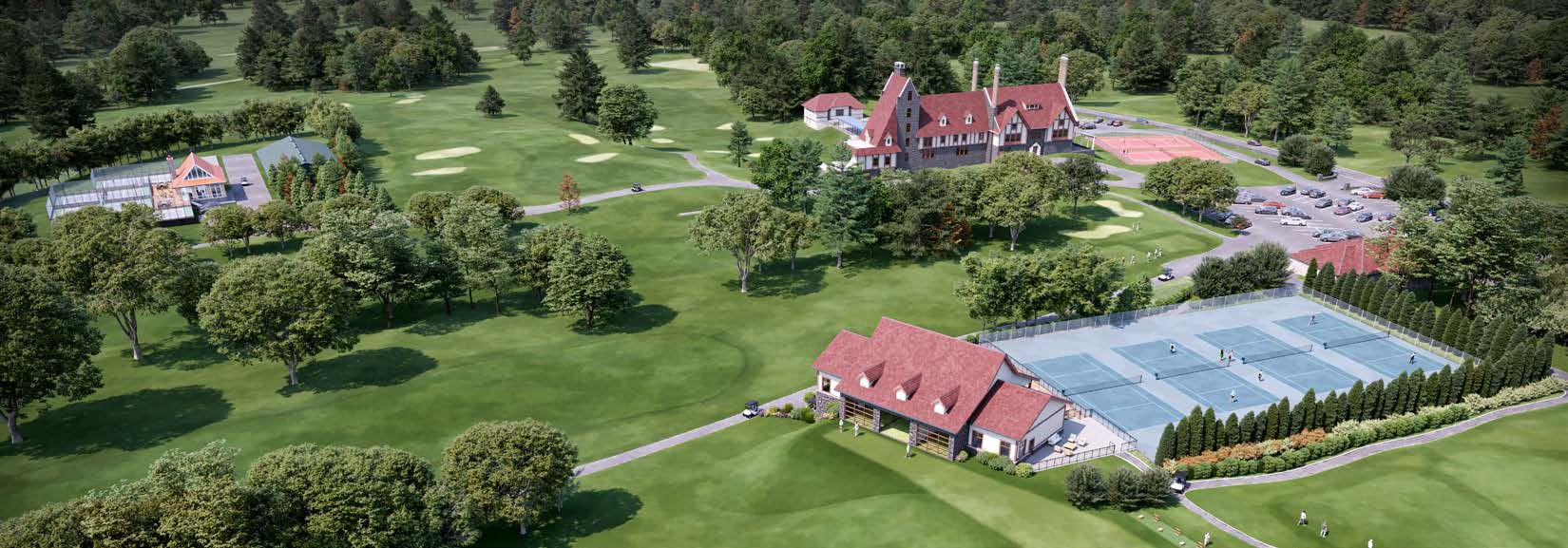
Bonnie Briar Country Club worked with Chambers to develop a long-range master plan. The first phase was the Paddle & Pickleball Hut.
The club had recently added pickleball courts and was seeing an upswing in participation. The new building adjacent to the courts has an indoor/outdoor fireplace, a deck and firepits. Inside is a lounge area and space for paddle parties, as well as restrooms and office space.
The architectural details complement other nearby buildings. Composite materials were used on outside surfaces to provide enhanced durability and an extended life span.
A golf and tennis center is now under construction as the next step of the master plan.
What the judges said:
“I really like the social opportunities the design creates, very desirable for pickleball. It just feels like a place I would want to hang out.” – Mark Melzer
Multiple Amenities
FIRST PLACE
Royal Melbourne Country Club
Long Grove, Illinois
Architect: FGM Architects
Interior Design: Kelly Spitzer Design
Contractor: Altounian Construction
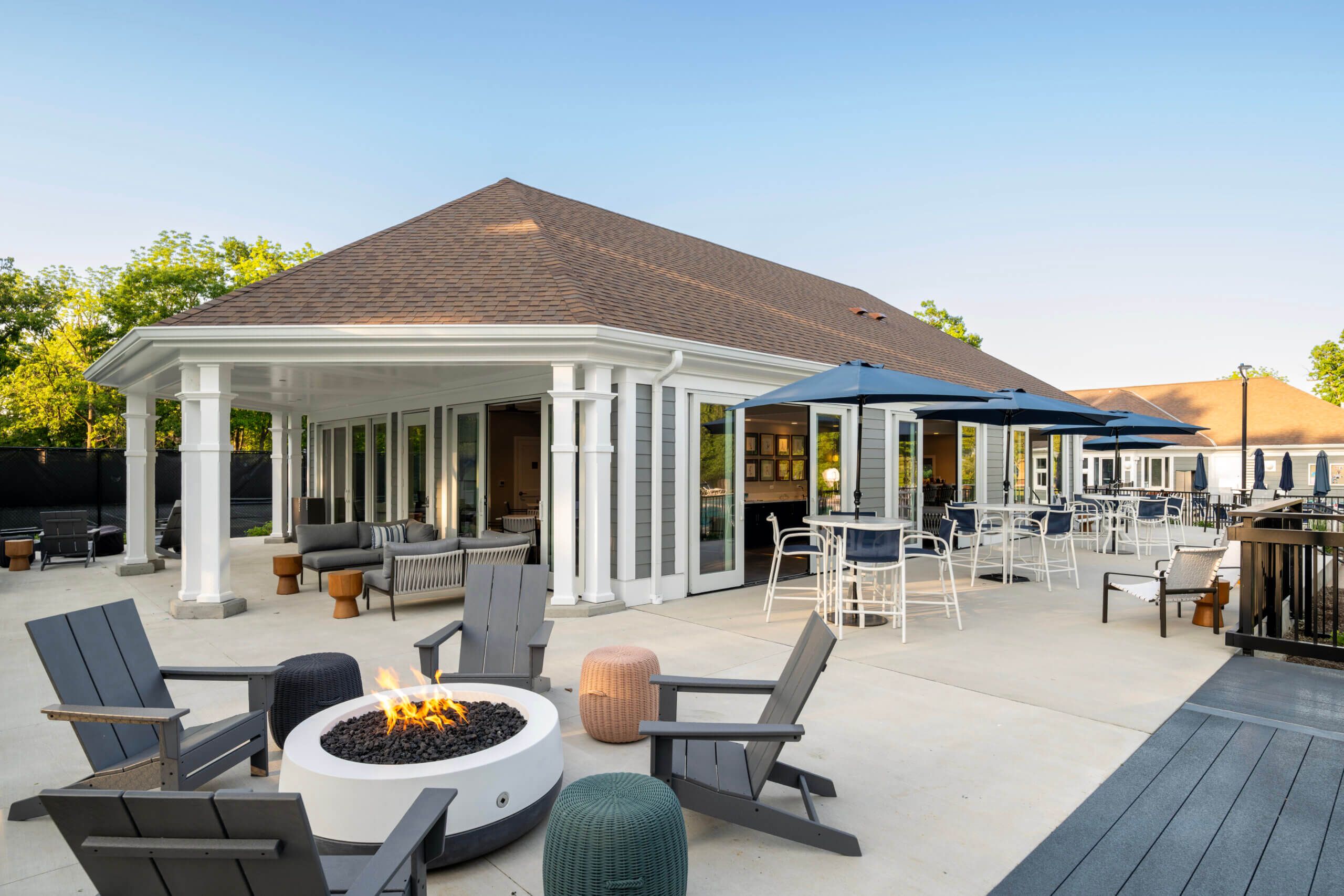
Royal Melbourne wanted to take advantage of the growing popularity of pickleball and tennis by adding two pickleball courts and four platform tennis courts. The club’s research into national trends prompted a reassessment of its amenities. It resulted in the addition of a food & beverage operation with a full kitchen and bar to serve the pool area in the summer and the platform tennis area in the winter.
The new building near the pool has become known as the Social House. Designed for multi-seasonal use, it has built-in outdoor firepits for cool nights and several sets of double doors to improve access and airflow in the summer. In addition, programmable door locks allow members to access bathrooms, coat storage and the coffee machine during off hours.
Club officials said they spared no expense on the new pickleball and tennis courts, replicating the designs of the best professional courts in the country.
“Our vision for this project was simple: to enrich the overall club experience for our members and their families by offering a range of premier lifestyle amenities, all buttressed by outstanding service,” said Mark Freemott, executive vice president of KemperSports, which owns the club. “It’s incredibly rewarding to see it all come together and now share it with our members and guests.”
What the judges said:
“The integration of paddle and pickle with the social building provides a compact, efficient destination for members to enjoy racket sports as well as social activities. Its compact footprint allows for wonderful vantage points throughout the site.” – Peter Cafaro
SECOND PLACE
Old Palm Golf Club
Palm Beach Gardens, Florida
Architect: Peacock + Lewis
Interior Design: J. Banks Design
Contractor: Hedrick Brothers Construction
The members at Old Palm wanted it to grow from being simply a golf club to being more focused on the social experience, while still offering world-class golf.
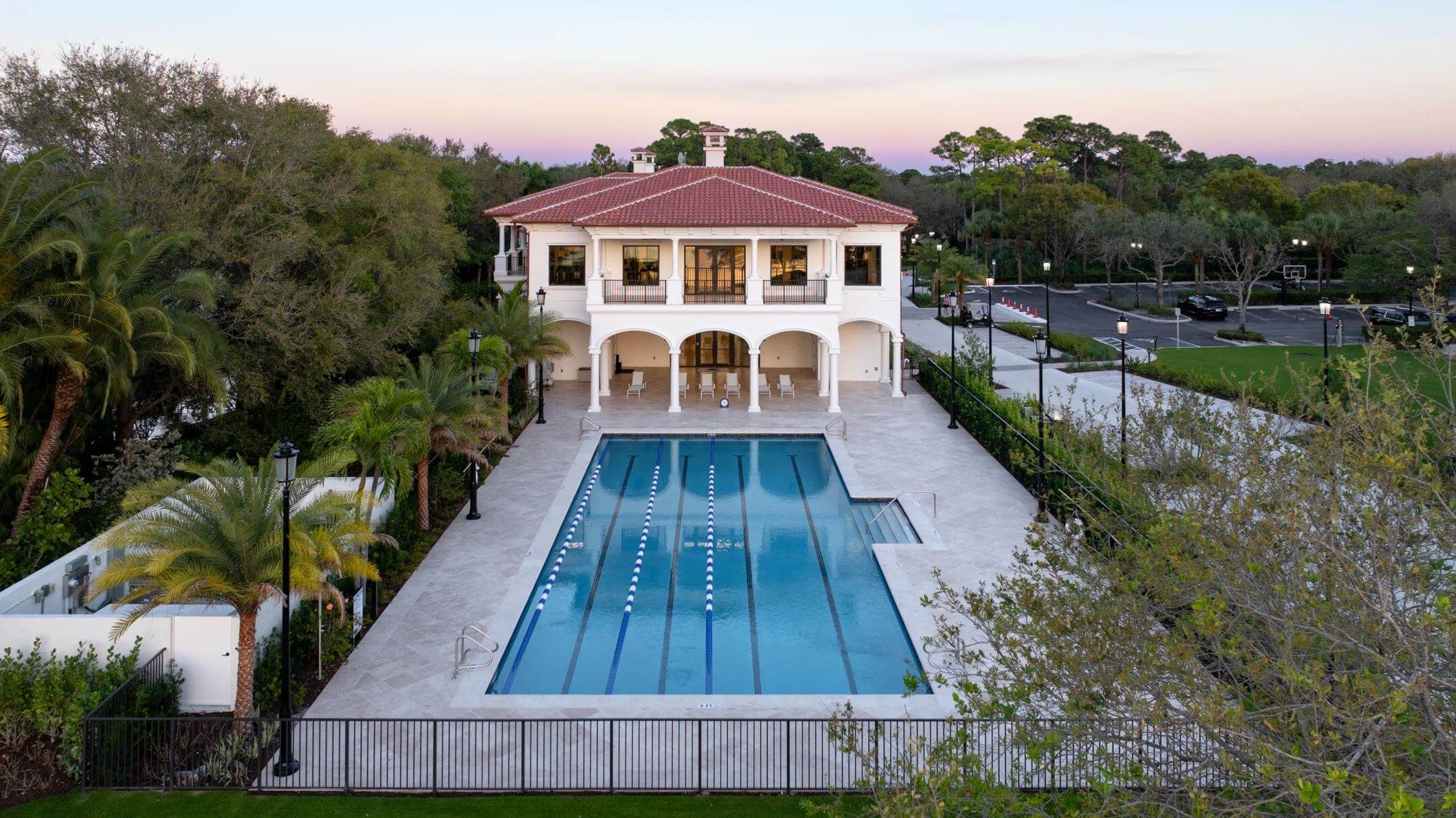
A new two-story, 29,000-square-foot lifestyle center was designed with this in mind, offering health, wellness and community engagement amenities.
The facility has a spacious gym with cardio, strength training and fitness equipment; an activity room for yoga, Pilates and spin classes; a spa area with a sauna; and a health food café. Outside, a new pool offers aquatic fitness classes and picturesque views.
The new building was designed to blend seamlessly with the club’s architectural style.
The golf course turn was moved from outside the clubhouse to outside the new lifestyle center, and the old fitness center was converted into a bistro.
The club said the lifestyle center’s blend of wellness, fitness and community connection has led to a sizeable increase in member use and satisfaction.
What the judges said:
“The mirroring of the clubhouse gives the new fitness and wellness center a perfect symmetrical aesthetic to the existing club amenities. Large terraces, an open gym floor plan, café and massage room complement this worthy club improvement.” – Bryan Woodward