

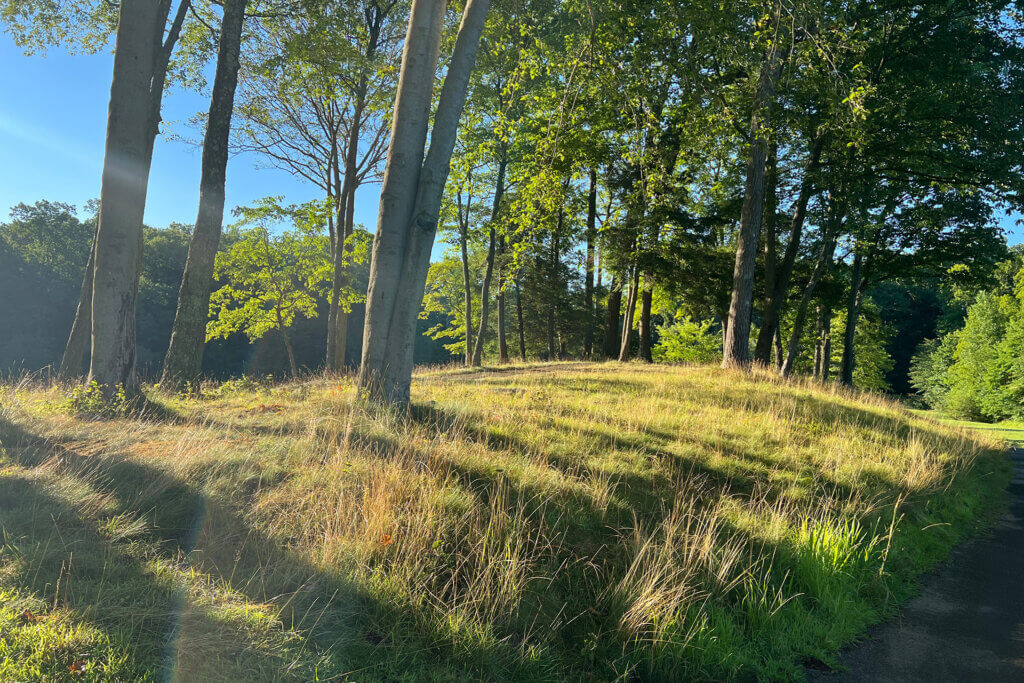
In the 35 years since Audubon International was founded, the words “golf” and “sustainability” have come together to form a powerful and profitable goal for golf clubs of all kinds: public, municipal, private and resort-based. The golf industry is now an environmental stewardship leader, with thousands of courses implementing programs and practices that help sustain wildlife, save water, reduce chemical use and create spaces where people live, work and play in harmony with nature.
A course or club’s commitment to such stewardship efforts is also smart business. Indeed, planning and carrying out a comprehensive sustainability plan, preferably in partnership with a vetted and respected third-party organization like Audubon International, bolsters the bottom line in several ways while building important marketing skills, whether you’re looking to attract members, employees, or more customers.
In decades of experience working literally on the ground with golf clients to reach their sustainability goals and fulfill our requirements for certification in six key areas — Environmental Planning, Wildlife & Habitat Management, Outreach and Education, Chemical Use Reduction and Safety, Water Conservation, and Water Quality Management — we’ve seen them build those marketing muscles in myriad ways.
I’d like to share with you the top three that come into play at virtually every property.

ONE: REDUCING COSTS AND RETAINING STAFF
Implementing and certifying a sustainability plan also means efficient budget stewardship, including reduced costs in maintenance materials and practices — fewer chemical inputs, less fertilizer and pesticides, less water use, more native vegetation that requires far less maintenance — as well as savings in employee recruitment and retention.
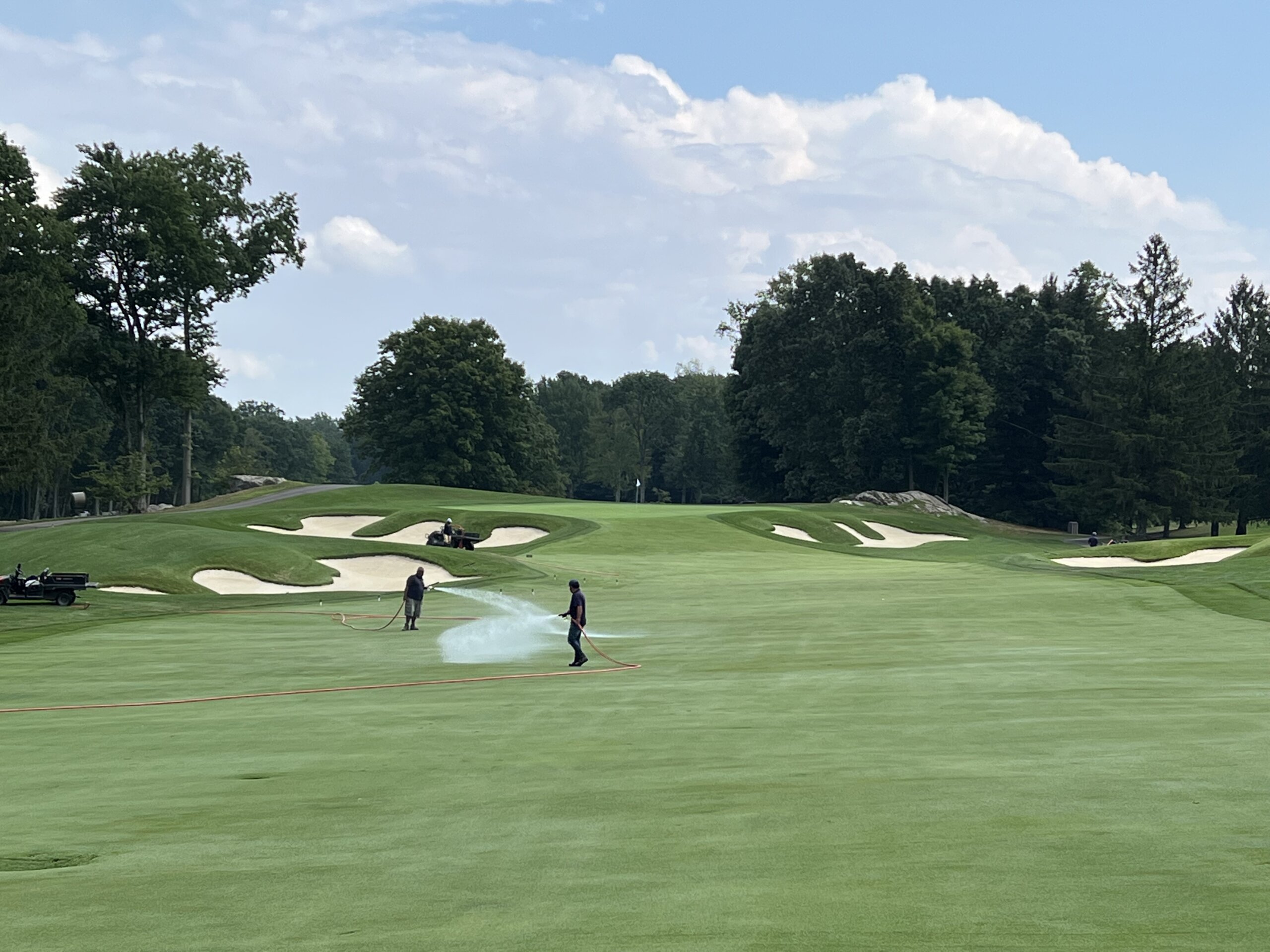
One of our longtime private club partners, Fairview Country Club in Connecticut, has made huge strides in saving money on every front as it continues to build its sustainability bona fides in one of the nation’s biggest golf markets. It has reduced chemical inputs in its water features by 95%, which saves the membership about $15,000 per year. Establishing fine fescue areas to reduce irrigation and mowing requirements, as well as spot watering and rolling fairways, saves even more money and staff time. And speaking of staff, Golf and Grounds Superintendent Jim Pavonetti uses his environmental work as a way to recruit interns from big university programs. He’s not at a Top 100 Club, but sustainability is a big draw for young students.
“We have always had a great partnership with Audubon International, and the internship program has helped enhance it by training young future turf managers on sustainable practices that they will follow and improve on throughout their careers,” Pavonetti says. “This is vital to the industry, as more and more legislation becomes involved with turf management at all levels.”
Training staff as stewards reaps long-term benefits for them and the members or customers who depend on them. Often the superintendent and the maintenance team are out there essentially alone, on the front lines, doing the right thing to manage the club’s assets in a more sustainable manner. The validation of certification for them is very important as proof of the hard work that they’re putting in and the positive benefits that it can have. Marketing that is further validation for staff, building loyalty and long-term employment, and helps current and potential members (and members of the larger community) understand what’s happening. It’s part of being a good neighbor and a part of the community within and outside of your club.
TWO: TAPPING INTO SUSTAINABILITY TRENDS
According to recent research, all trends point toward a burgeoning membership and customer base for whom environmental sustainability is a core belief that often drives their decisions as consumers. They expect the businesses they interact with to prioritize stewardship practices.
In a 2020 Forbes survey, for instance, 93% of all consumers indicated a general concern for the environment. A 2021 GGA report revealed that 73% of millennials would be willing to pay more if excellent social and environmental practices increased golf venue costs, while in 2022, Statista said that nearly 50% of consumers were interested in finding brands that were sustainable or environmentally responsible. GreenPrint Business of Sustainability Index reported that 78% of people are more likely to purchase a product clearly labeled as environmentally friendly. These numbers don’t just apply to Generation Y, Z and Millennials. folks on the other end of the demographic spectrum, including retirees, care deeply about stewardship, too. Maryland’s Leisure World Golf Course, a new Audubon Certified Sanctuary for Golf member, had complete buy-in from its community members. “A key component of environmental planning certification success is the support and receptiveness of Leisure World at large,” said Alan Nelson, Golf and Greens Committee Certification Project Manager, who provided PowerPoint presentations about the project. “There was total recognition [by residents] from the start.”
Clearly, the stewardship mindset is here to stay and will only intensify along with the effects of climate change. For resort clubs in particular, marketing an established, certified sustainability program reaps benefits in the short and long term.
THREE: EDUCATION AND OUTREACH
Audubon International includes education and outreach in every certification program because it’s the right thing to do. But it’s even better to influence others to do it themselves. This leads them to support what’s going on and accept the patient mindset sustainability demands. Sometimes superintendents may implement practices on the course that take time to truly blossom visually. Native plantings, for instance, can take a while to take hold and look the way that you want them to. It’s crucial to gain the support of your club members and your club management for those two or three years so that the message sticks: you have a plan, it’s going to look great, and it’s going to provide many benefits.
One prominent example of this large-scale buy-in is at The Landings On Skidaway Island outside of Savannah, Georgia, who began their sustainability journey, in concert with Audubon International, more than 25 years ago. They started by applying for and achieving Audubon Certified Sanctuary status for their six golf courses and now boast one of the nation’s most respected and all-encompassing certified Sustainable Communities. The Landings is a potent example of how starting relatively small as an environmental steward can and will expand to all levels of a club, providing benefits for housing and other infrastructure — and earning buy-in and support from residents as well as from golfers and members. When you want to do something that might be costly timewise and perhaps interrupt golf play or other operations, you’ll have the support you need.
The bottom line? Taking your golf club to new heights of environmental sustainability in partnership with a proven, independent, third-party certification entity like Audubon International makes smart marketing sense in every way.
———————
Christine Kane joined Audubon International as the organization’s Executive Director in October 2016 and assumed the title of Chief Executive Officer in 2018. She is responsible for managing all aspects of the nonprofit organization’s operations, including its core certifications, member services, and human and financial resources. Kane has served at the senior management level in the nonprofit sector for over 25 years and is skilled in program development, strategic planning, fundraising and communication. She holds a Master of Science in Nonprofit Management and Philanthropy from Bay Path University; a Bachelor of Science in Forestry from the SUNY College of Environmental Science and Forestry; and the CFRE credential (Certified Fundraising Executive), the only internationally recognized, professional credential for fundraising professionals.