

Behind today’s most memorable member experiences is a powerful blend of data, automation and human-centered design.
————
The modern clubhouse is undergoing a quiet but profound transformation.
Once defined by beautiful architecture, dining rooms, lounges and locker rooms, today’s clubhouses are becoming connected ecosystems where technology, data and design converge to elevate both member engagement and operational performance.
From club-branded mobile apps that follow the member journey to automation and artificial intelligence that help staff deliver more personalized hospitality, forward-thinking facilities are redefining what a great clubhouse experience can be.
Making moves in the smart clubhouse space for digital engagement and mobile apps are MembersFirst and Gallus Golf, with Lightspeed offering tech for F&B.
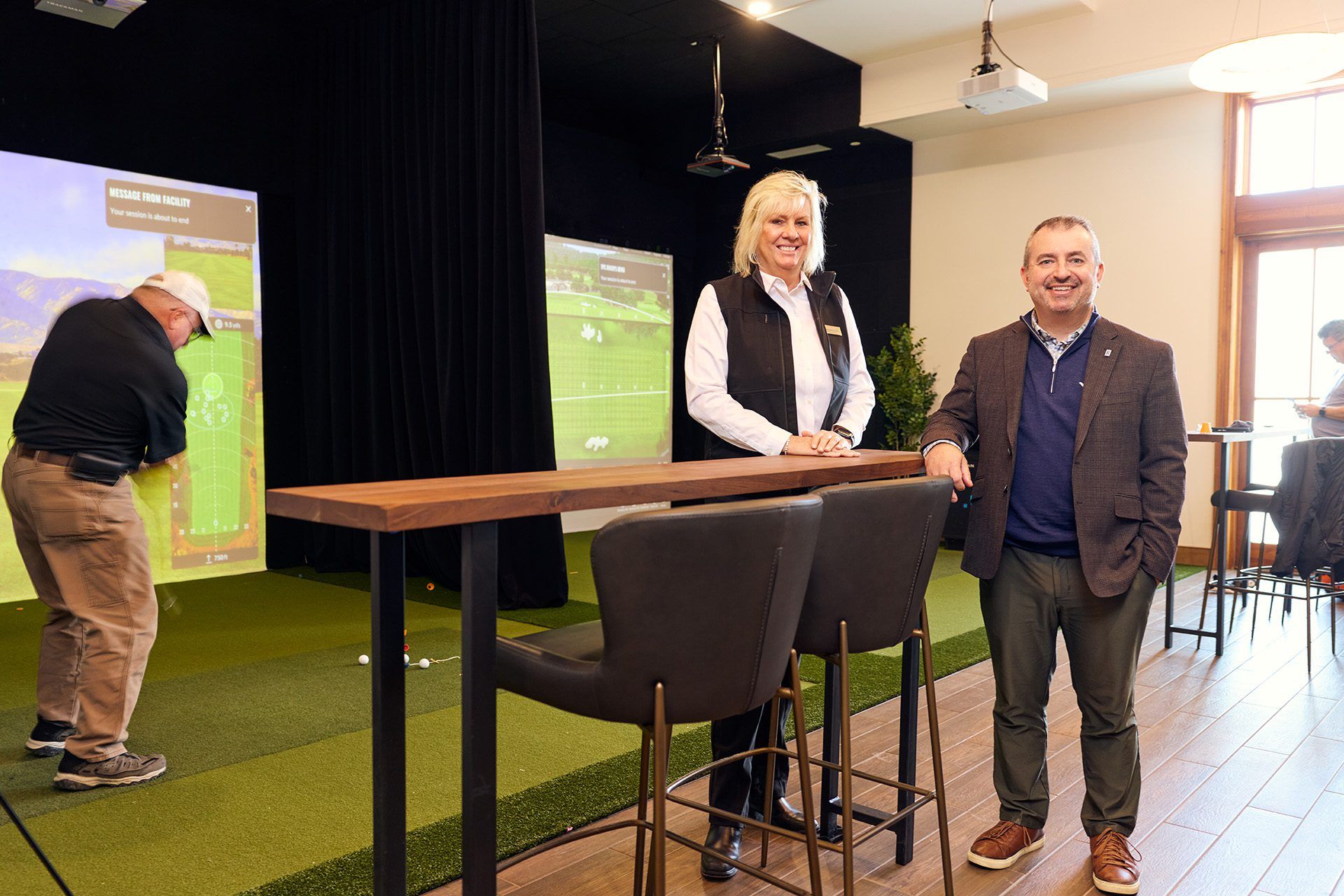
Michelle Lipka, general manager at TPC River’s Bend in Ohio, said the multi-million-dollar clubhouse redesign included new technology to strengthen member engagement. The project added a golf simulator lounge on the first level, featuring two Trackman overhead simulators that have quickly become a popular draw.
“The member logs into an app and can set up everything they want to do before they walk in the door,” she said. “The Trackman welcomes them and knows it is their turn. The member simply enters a four-digit code and off they go to enjoy a few simulator rounds.”
Lipka said the system responds in about seven-tenths of a second and no longer requires special golf balls. Members appreciate the realism, especially in Ohio where golf weather can be unpredictable for nearly half the year.
Alex Evans, regional vice president for Arcis Golf, said the goal at TPC River’s Bend was to elevate satisfaction by integrating technology that works behind the scenes.
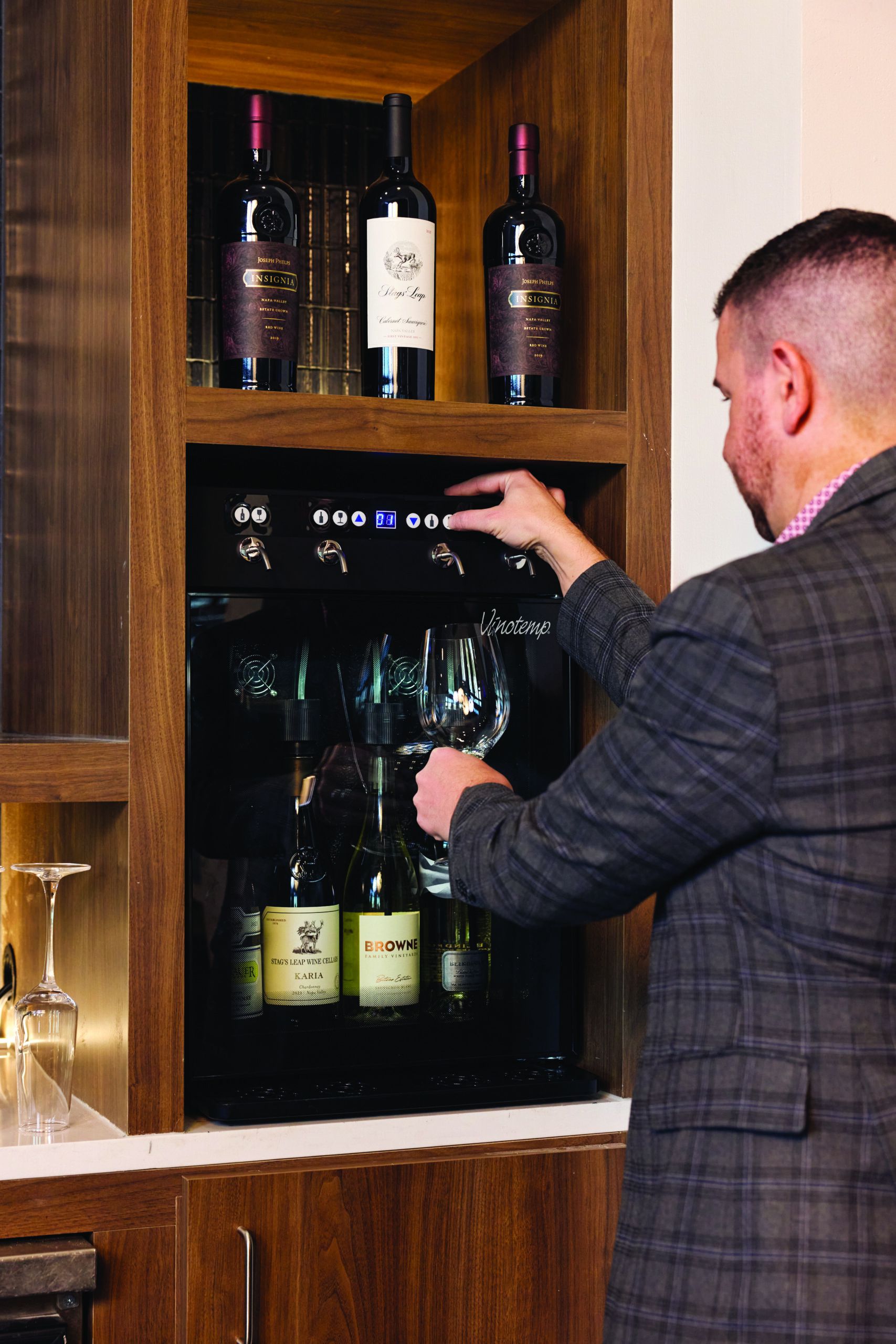
“We did layer in some interactive features, whether it be simulators or wine dispensers,” he said. “Just the different technologies that increase the overall satisfaction along with the premium version of Golf Genius, which handles live scoring, online registration and electronic scorecards.”
Across private clubs, public golf facilities and hybrid hospitality environments, leaders are finding ways to make technology invisible, intuitive and supportive of authentic connection.
Henry DeLozier, a principal at international consulting firm GGA Partners, said the best technology is simple, reliable and never gets in the way of personal service.
“The clubs that are doing technology well are embracing both the potential of data and the importance of hospitality,” he said. “They are designing clubhouses where innovation and comfort coexist seamlessly.”
The connected experience
Technology inside today’s clubhouses is designed with one goal in mind: give members a more personalized, effortless and enjoyable experience. That means tools that feel natural, communication that feels relevant and conveniences that feel thoughtfully placed.
Club-branded mobile apps have become the foundation of member engagement and serve as the digital front door. They are no longer just reservation tools. Instead, they are full-service engagement platforms that integrate dining, events, billing, mobile ordering and real-time communications.
Stacy Zak, vice president of product management at Clubessential, said members want connection, belonging and the feeling that the experience was created just for them.
“The app becomes the key that unlocks that personalized experience,” she said. “As soon as the member enters the property, the app has the capacity to capture data and serve up personalized experiences and messaging.”
Private clubs use also automation within these apps to handle workflows that once took hours of staff time.
“If a prospective member visits the clubhouse for the first time, the automated workflow capabilities of the CRM can automatically trigger a welcome from the chef, a note from the general manager and personalized follow-up that makes the guest feel recognized and valued,” she said.
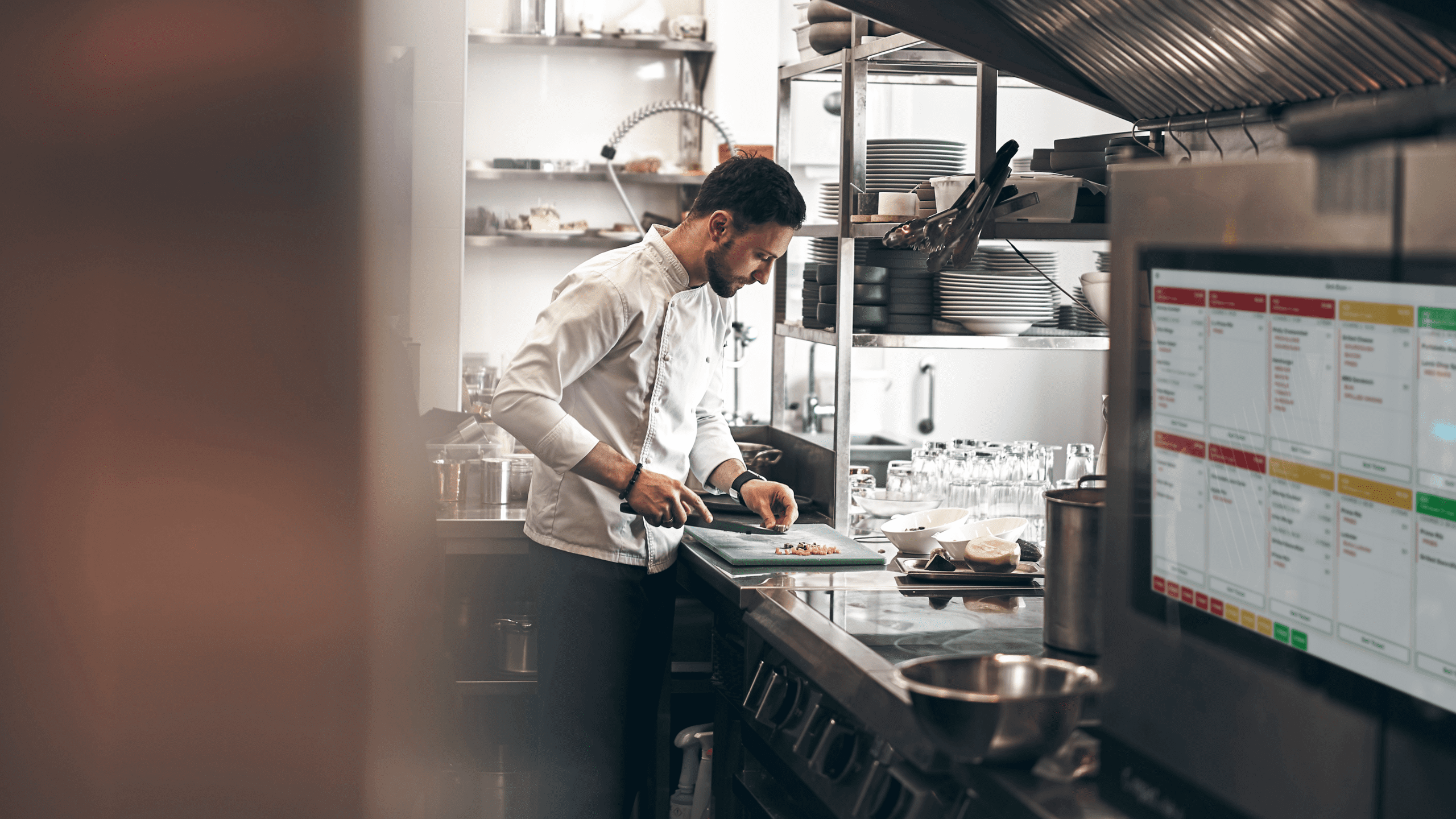
Zak said dining has evolved into one of the most seamlessly connected areas of the clubhouse, with mobile and kiosk ordering tightly integrated with point of sale and kitchen display systems to create a unified, real-time experience.
“Orders move instantly from a member’s phone or a server’s handheld tablet directly to the kitchen,” she said. “Touchless payments and stored member profiles create a frictionless process.”
With the right software, member data such as favorite dishes, preferred drinks and event attendance can be captured.
“Knowing that Mr. Smith always orders a gin and tonic with double olives allows the staff to anticipate his needs,” Zak said. “Automation does not diminish hospitality. It supports it and makes it more personal.”
A smart clubhouse tailors its communications to what members value.
“No more mass messaging that overwhelms inboxes or feels irrelevant,” Zak said. “Technology now analyzes purchasing trends, attendance history and activity patterns to target messages with purpose.”
The next level of convenience comes from smart access control.
Paul Earnest, director of golf and operations of Fields Ranch at PGA Frisco in Texas, said the club’s use of smart locker systems eliminates the need for physical keys, while light and music systems adjust automatically based on occupancy.
“When spaces are active, the clubhouse feels alive,” Earnest said. “When unoccupied, the environment conserves energy while remaining ready for service.”
Brian Koch, chief information officer at Invited, said fitness is becoming one of the most technologically advanced areas.
“Clubs use keyless locks, check-in systems and smart displays that allow for digital instruction or progress tracking,” Koch said. “Self-serve kiosks allow members to purchase drinks or snacks without waiting in line, thus increasing convenience.”
Koch said that across Invited clubs, Bluetooth recognition identifies members as they enter fitness centers or locker rooms.
“The data from these touchpoints can feed into personalized training recommendations or help staff understand usage patterns,” he said. “The goal is to combine data and in-person service to create an elevated, individual experience for every member.”
To help members navigate the growing tech offerings at TPC River’s Bend, the club employs a membership relations coordinator who handles questions and walks members through the app. Lipka said this personal support ensures that no member is left behind.
Tech behind the scenes
While members enjoy a seamless experience, an entire universe of technology is operating quietly in the clubhouse background.
“Only five or six years ago, technology systems were disconnected with tee sheets in one system, retail in another and dining in a third,” Koch said. “Today, those walls are coming down.”
Koch said modern customer relationship management systems aggregate data from all transactional systems, including event registration and mobile app activity, into a single source of truth.
“When a general manager opens their software dashboard, they see the whole picture of the member experience, not fragmented pieces,” Koch said. “This enables better decision making, more accurate forecasting and better service.”
Efficient clubhouse operations rely on rapid communication between teams.
Zak said that work order and maintenance apps, such as Clubessential’s taskTracker, allow staff to report issues instantly, track progress and automate alerts.
“The goal is to empower a shift from reactive to proactive maintenance,” Zak said.
Artificial intelligence is reshaping core operational functions in the clubhouse.
Koch said Invited clubs use AI to analyze data and gain insights to empower staff to create moments of connection.
“When a staff member knows it is a member’s birthday, anniversary or first visit in several months, they can greet them authentically when notified via an app upon the member’s check-in,” Koch said. “And when trainers know how long a member has spent in the fitness center and which equipment was used, they can offer meaningful guidance.”
Over the past 18 months, The Lakes Country Club in Palm Desert, California, has been quietly reshaping its systems behind the scenes to create a connected, intelligent clubhouse, said Ricky L. Potts, Jr., former executive director of marketing and communications of The Lakes Country Club.
“The Lakes integrated technology for smarter operations,” said Potts, Jr., who is now the assistant general manager at The Springs in Rancho Mirage, California. “If you are not using tech, you’re behind.”
The Lakes Country Club relies heavily on Jonas Club Software to support functions for membership records, events, reservations, point of sale, inventory and financial tracking, said Potts, Jr., but utilizes Drift from Salesloft as a live chat solution to support direct communication with members.
“If Mrs. Smith sends me a message and says she cannot register for an event, the conversation is back and forth in one or two clicks,” Potts, Jr. said. “The next time the member messages us, I know who it is, and I can call them by name.”
The Lakes Country Club is also shifting from text message marketing to push notifications via its redesigned premium mobile app through Jonas.
“If I send a message about a last minute wine dinner and include a link to RSVP, members tap the notification and the app takes them straight to the event calendar,” Potts, Jr. said. “They are already logged in and can RSVP seamlessly.”
Design meets data
A smart clubhouse is designed with intentional planning, connected infrastructure and foresight into how spaces will be used.
DeLozier said the Internet of Things is the backbone of smart design for clubhouses.
“IoT devices now connect systems such as HVAC, lighting, doors, TVs, fitness equipment, kitchen equipment and more,” DeLozier said. “These systems communicate with each other and with the clubhouse management software, allowing for automated climate control, remote monitoring, occupancy-based lighting, smarter energy use and predictive maintenance.”
Zak said clubhouse designers are building foundations for automation well before the walls go up.
“From TV welcome screens to smart thermostats to fitness center displays, the modern environment is responsive and data-ready,” Zak said.
Evans said video walls are appearing at Arcis facilities in lobbies, dining areas, event spaces and golf shops, offering weather updates, club announcements, tournament coverage and streaming and entertainment.
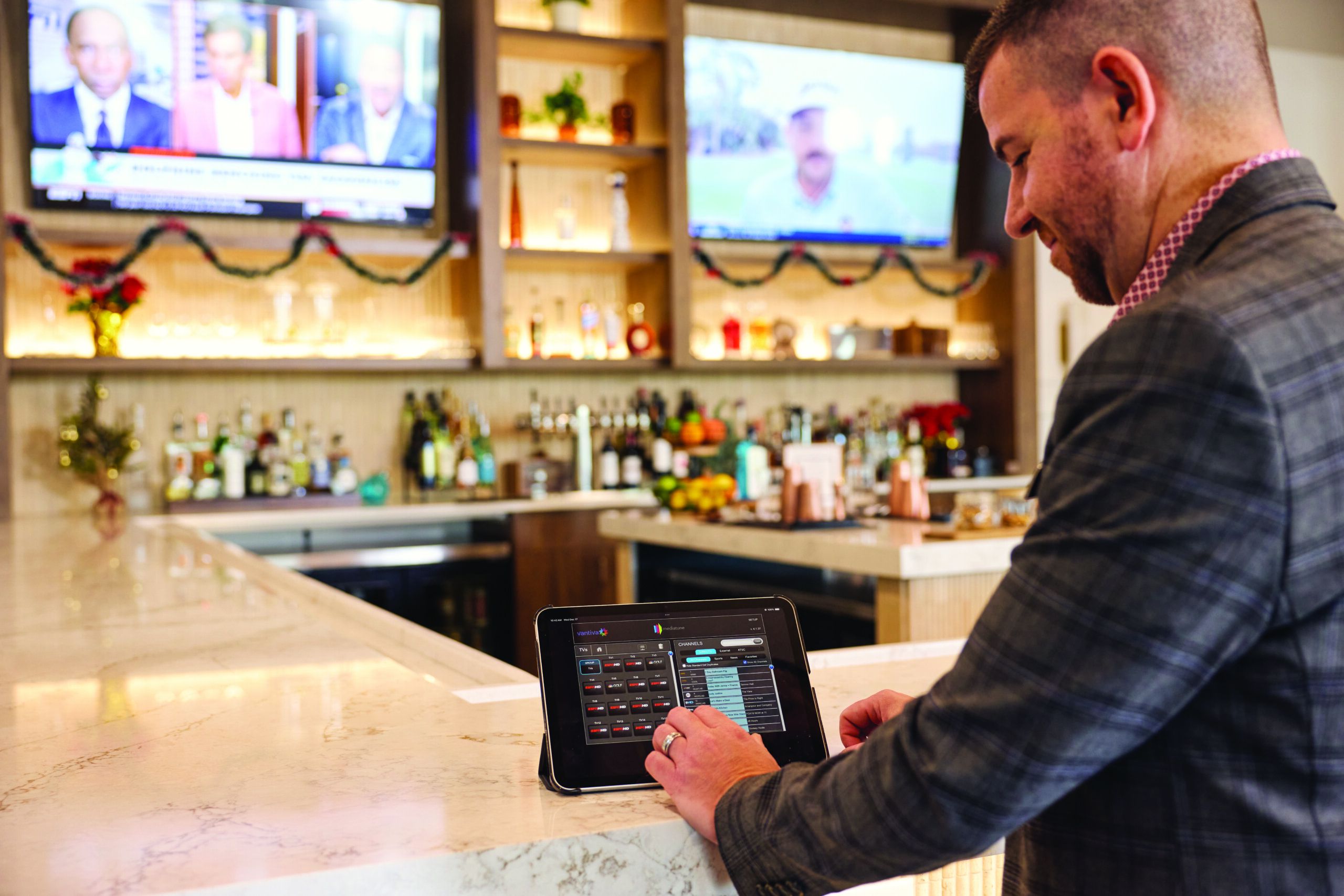
At TPC River’s Bend, Lipka said one of the most transformative additions is the matrix system that now controls every television and audio zone throughout the new clubhouse.
“There are 21 televisions in total and all of them are connected,” she said.
Evans explained the centralization of the system in the clubhouse.
“Everything comes through one box, and we can control every single TV volume throughout the entire clubhouse from an iPad. Point and click. It is quite impressive,” he said.
Lipka said the benefits go well beyond convenience.
“If we want music playing in one room, a football game in another, and we are doing announcements outside for an event, the matrix handles all of that,” she said.
She emphasized how outdated the old system felt by comparison.
“We used to have to walk around with remotes and try to find the right one for the right TV,” she said. “We no longer have to do that.”
Evans said the elevated audio-visual environment has also become part of the club’s social appeal. Members who have invested in large home televisions now find the clubhouse an equally strong destination for watching sports or gathering with friends.
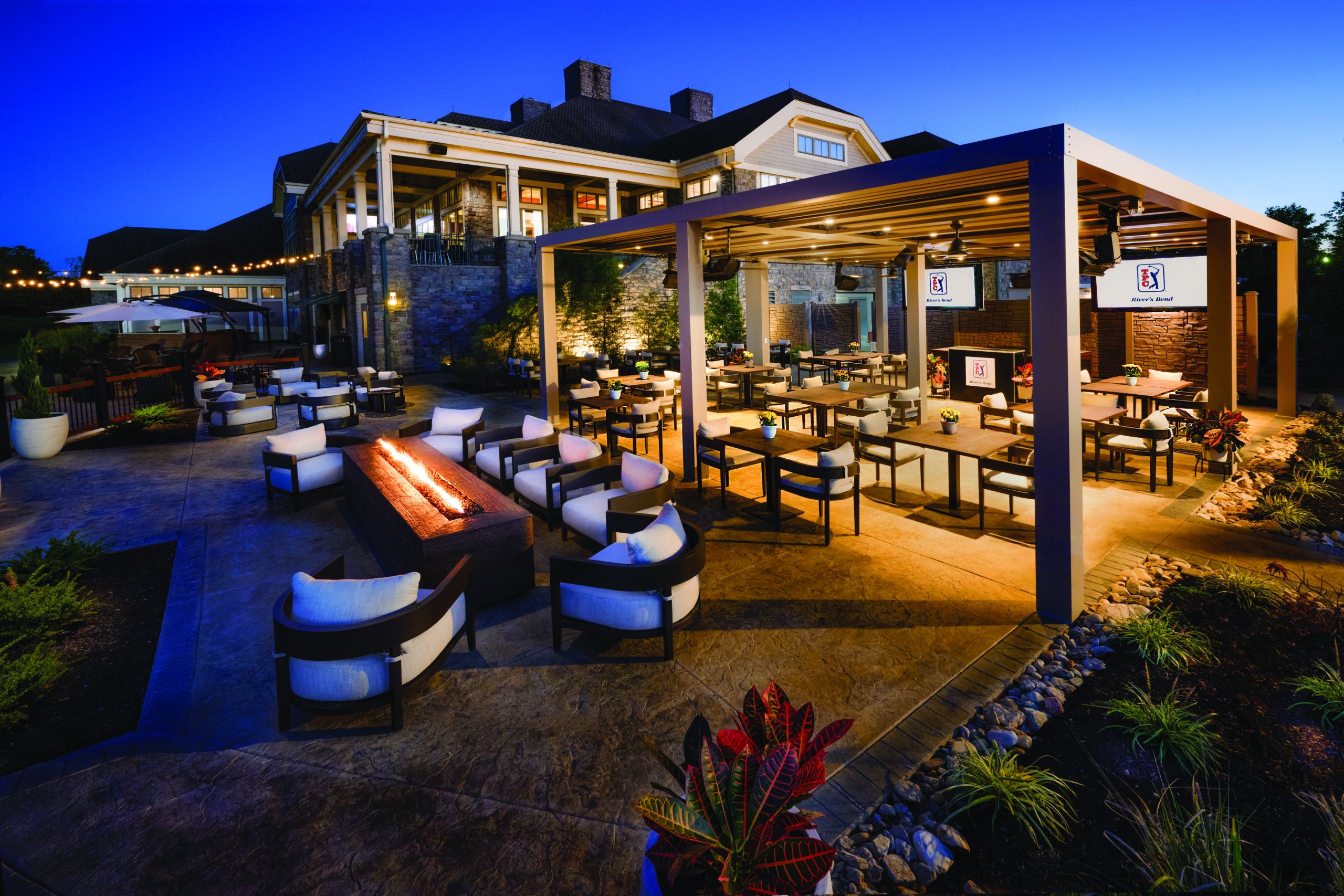
Technology is not confined to the interior at TPC River’s Bend. A new, mechanical pergola expands the connected experience into outdoor dining and relaxation spaces.
“It is louvered, so it opens and closes depending on what the weather is doing,” Lipka said. “If it starts to sprinkle, it automatically will close to protect the people sitting inside.”
Evans said automated shades, app controlled heaters, additional televisions and a large fire pit all contribute to TPC River’s Bend’s comfortable, tech enabled environment.
Zak said that smart design is not about flashy hardware; it’s about frictionless experiences, ease of use and uncluttered spaces for visual appeal.
“In clubhouse spaces, cords should not be visible, Wi-Fi should be strong everywhere, screens should be placed intuitively and meeting rooms should be ready the moment people walk in,” Zak said. “The best technology is the kind you never think about; it simply works.”
Data, privacy and the human touch
All the experts agreed that as clubs gather more data and integrate more intelligent systems, protecting member privacy is essential.
Koch with Invited said they keep data in centralized, secure locations with strict controls, and members understand what they are opting into with the understanding that their information will be kept safe.
Zak noted that mobile apps incorporate biometric login and other protections that reassure members.
Data collection at The Lakes Country Club is also handled with member privacy in mind as the club tracks member activity, but not individual identities.
“We do not track the individual by name,” Potts, Jr. said. “We track that it’s a member who is utilizing the club.”
The future of clubhouses
“The clubhouse experience must be memorable,” Earnest said. “Technology helps, but it is the human engagement that people remember.”
DeLozier echoed the same sentiment.
“Members join clubs to feel known,” DeLozier said. “Technology should empower staff to create those moments.”
Koch explained that AI is not going to displace people in golf. Instead, it can multiply their ability to provide service. AI identifies patterns, anticipates needs and pushes insights to the staff member who delivers the human touch.
Zak captured it best: hospitality is built on relationships. She said no automated system can replace eye contact, handshakes or meaningful conversation.
“The smart clubhouse does not eliminate people,” Zak said. “It elevates them.”
Artificial intelligence is already woven into many club operations, but the next wave will go even deeper, said Evans, who acknowledges that golf has not historically been ahead of the curve when it comes to technology.
“We live in a space where technology is not really forward in the golf world,” he said. “It seems like clubs lag in this space, but we are starting to get caught up.”
Potts, Jr. believes that data is the key to a truly smart clubhouse.
“Find and implement the tools to capture the data you need,” he said. “If you do not have the data, you are just making a decision and hoping that it sticks.”
For Potts, Jr., the technology roadmap at The Lakes Country Club is only beginning.
“From an operator’s perspective, we are just scratching the surface of what artificial intelligence is going to do,” he said. “Every new tool needs to be chosen with one guiding principle: elevate the member experience.”
This article originally appeared in the January/February 2026 issue.