

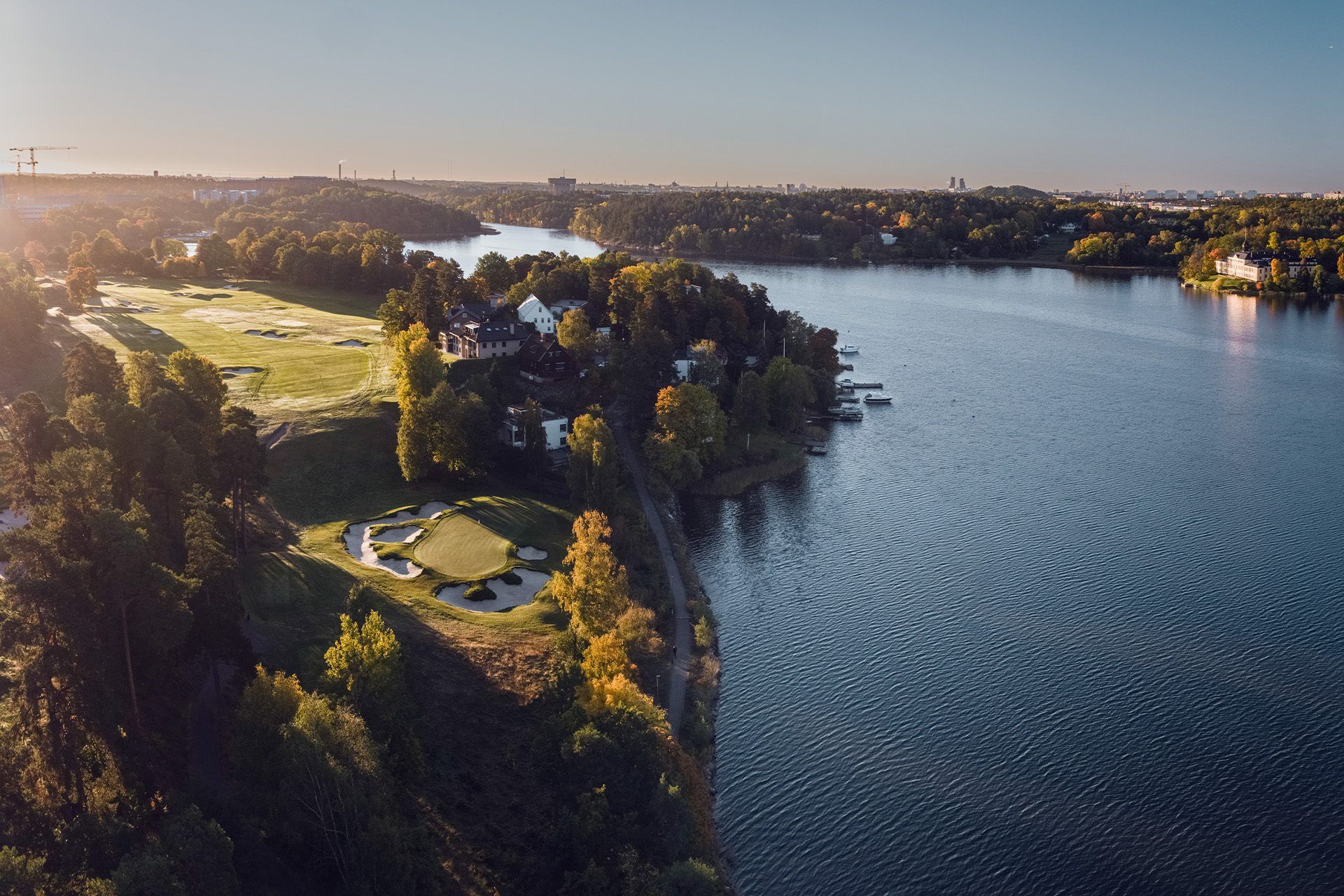
On the public side, international contingents earned top honors. Stockholms Golfklubb in Stockholm, Sweden, and La Hacienda Alcaidesa Links Golf Resort in Cadiz, Spain, took first and second place, respectively.
“I am extremely proud over receiving this recognition,” said Per Jacobson, course committee chair. “Established in 1904, we at Stockholms Golfklubb are proud of our heritage and legacy. We were certain this was the right approach for the club when we started this project to combine our history, the golf architectural importance of Harry Colt, with modern golf of today.”
Golf Inc.’s Renovation of the Year once again sought nominations from across the globe and judged entries on the following criteria: vision; course aesthetics; economic and environmental sustainability; and course routing and land use. This year’s judges were Jason Sloan, director and project manager at Frontier Golf; John Buser, general manager at TPC Colorado; and a panel of Golf Inc. editors.
Here are the winners for the Public Course category. Click here to view the Private Club winners.
(Excerpted from the July/August 2023 issue of Golf Inc.)
FIRST PLACE
Stockholms Golfklubb
Stockholm, Sweden
Owner: Member-owned
Architect: (re)GOLF
Contractor: 1st Golf Construction
Cost: €2 million
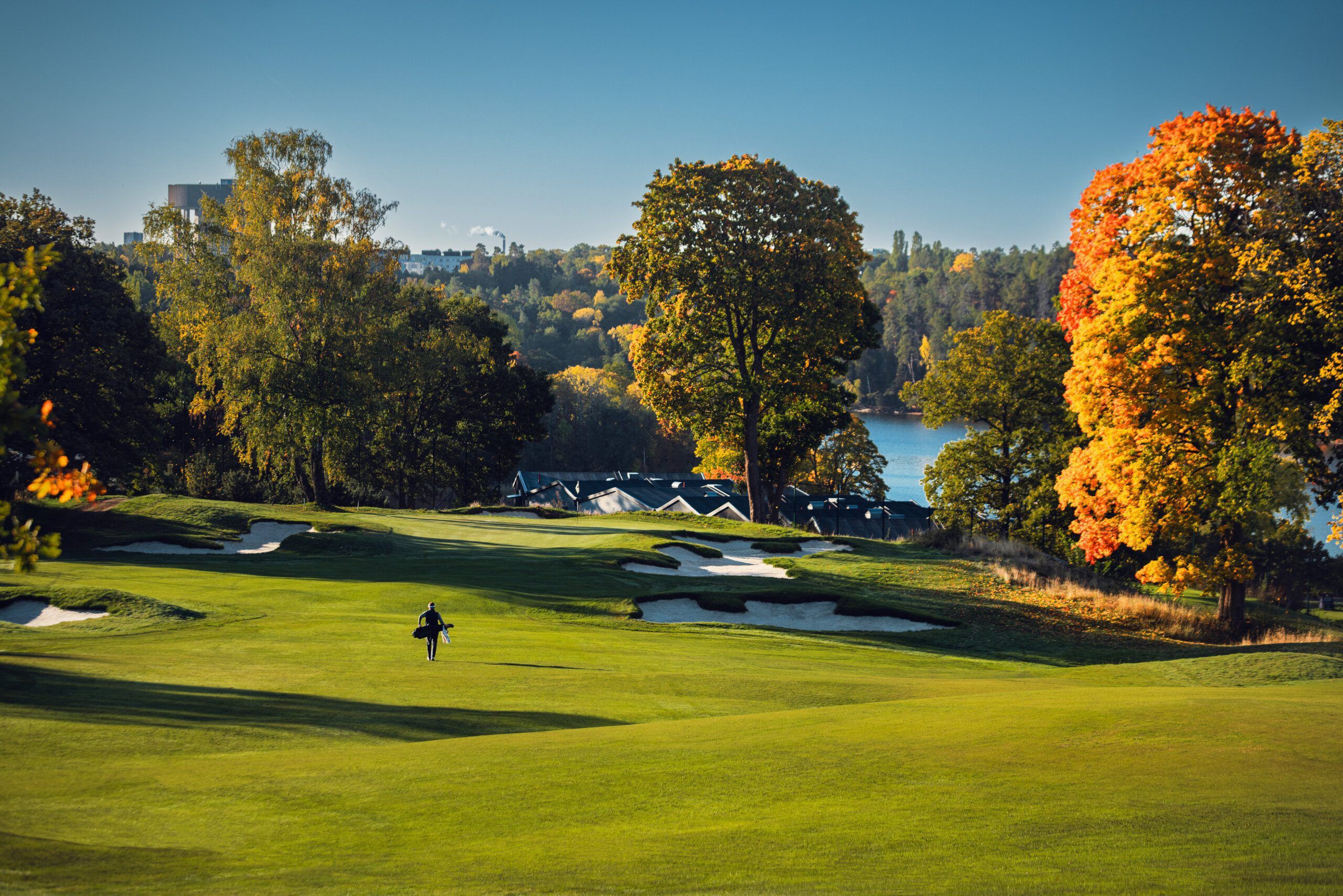
Stockholms Golfklubb was founded in 1904. The course, designed by Harry Colt and John Morrison, dates back to 1932. The course’s future has been threatened by a series of short-term leases from the ever-encroaching city. Recently, however, the club was able to secure a much longer lease from the city, making it reasonable to invest in much-needed improvements.
The goals of the renovation included improving and updating the aging irrigation system and reworking the entire course to make it more appealing to all levels of players. Those goals worked in tandem, given that a modern irrigation system allows for larger fairways.
Colt’s original design emphasized natural beauty and playability. To bring back that aesthetic, the renovation team removed elements that detracted from the natural beauty of the course and restored original elements such as bunkers and contours that had been lost over time.
The team also carefully reshaped the course to match the natural contours, honoring Colt’s philosophy of using natural shapes and materials.
Colt favored irregular, organic shapes for his bunkers, greens and fairways, and he believed that a course should be shaped by the natural terrain rather than imposing artificial features upon it. Eighty-nine new bunkers and four green complexes were built, and four greens were rebuilt. The new bunkers use capillary concrete with a turf edge to give them a “Golden Age” look.
The new irrigation system uses less water and helps maintain more consistent moisture levels, while reducing the need for manual watering. This frees up personnel to focus on other areas of the course.
SECOND PLACE
La Hacienda Alcaidesa Links Golf Resort
Cadiz, Spain
Owner: Alcaidesa Holding, S.A.
Architect: Bowman Design
Contractor: Garden Golf International, S.L.
Cost: Not disclosed
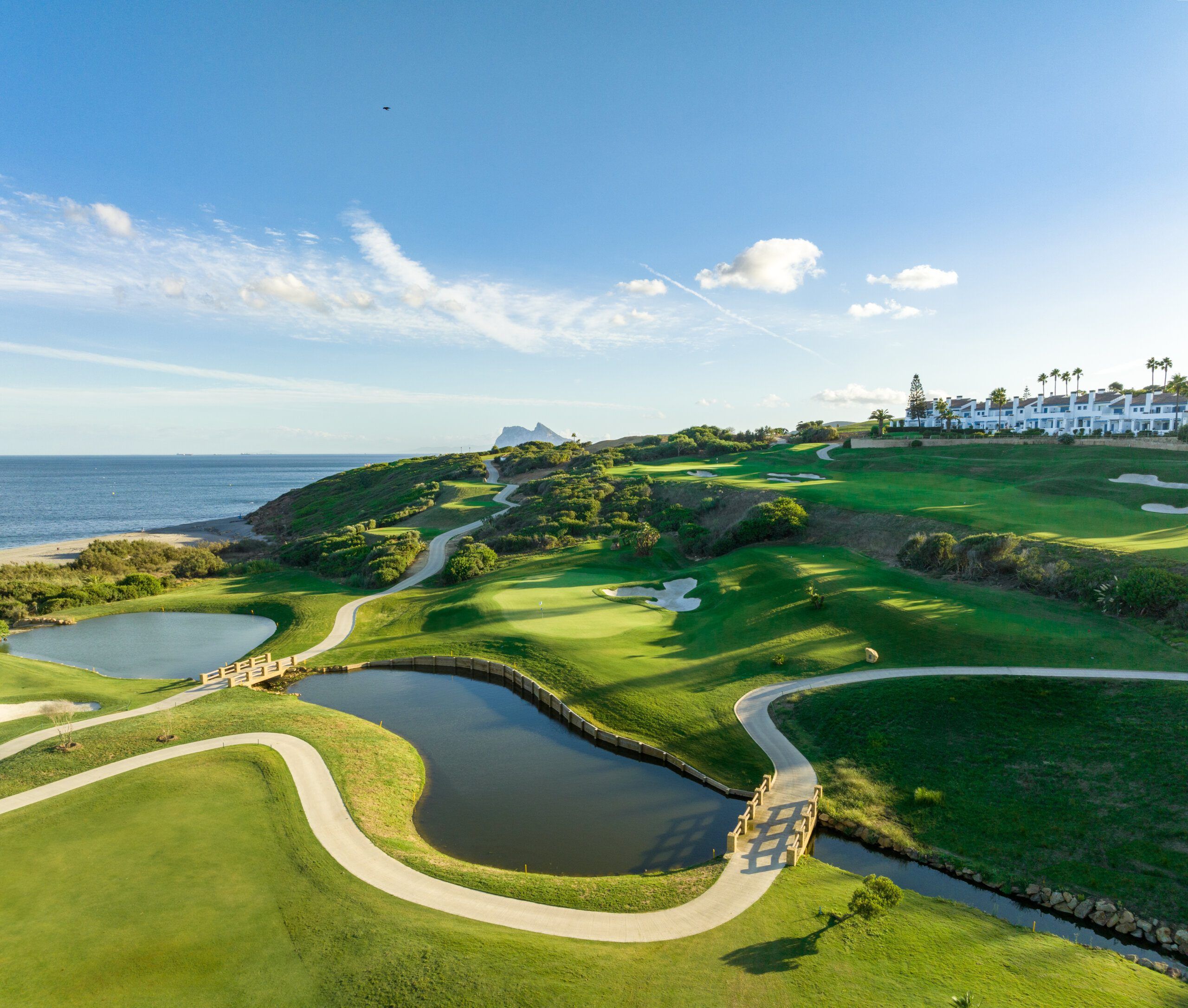
The edict for La Hacienda’s redesign was to take it back to a links-style course. The owners felt that the layout didn’t take advantage of the location because of budget restrictions on the original design.
In the 30 years since the course opened, growing vegetation had obscured views of the Mediterranean and the Rock of Gibraltar and needed to be cut back.
Additionally, the greens, fairways and bunkers needed renovation, and a new irrigation system was needed to make the course more sustainable and put it on par with some of the other golfing venues in the area.
The routing was largely left alone, with the exception of the fifth and ninth greens, each of which were relocated to improve the fl ow of play and the views. A native fescue grass blend was seeded into out-of-play areas for an authentic links feel, and indigenous plants that thrive in a coastal environment were introduced.
“Beginning with my initial tour of the golf course with owner Javier Illan-Plaza, president of Millennium Hospitality Real Estate, our goal was to create Spain’s own version of Pebble Beach,” said Kurtis Bowman, president of Bowman Golf Design. “We knew the property had unlimited potential, and our mission was to make the golf course as good as the views.”
What the judges said:
“Featuring stunning views of the Mediterranean Sea along the coast of Spain, the redesign of La Hacienda to a links-type course has elevated the overall golfing experience.” — Golf Inc. editors
THIRD PLACE
Settler’s Hill Golf Course
Batavia, Illinois
Owner: Forest Preserve District of Kane County, Illinois
Architect: Martin Design Golf
Contractor: Wadsworth Golf Construction
Cost: $5.8 million
The site that Settler’s Hill occupies was originally a landfill. After more than 30 years, the landscape had suffered significant problems, including drainage issues and landfill settling.
One of the biggest impediments to the renovation was the inability to excavate into the landfill cover cap. This limited the ability tore-work the drainage systems and create new landscape features.
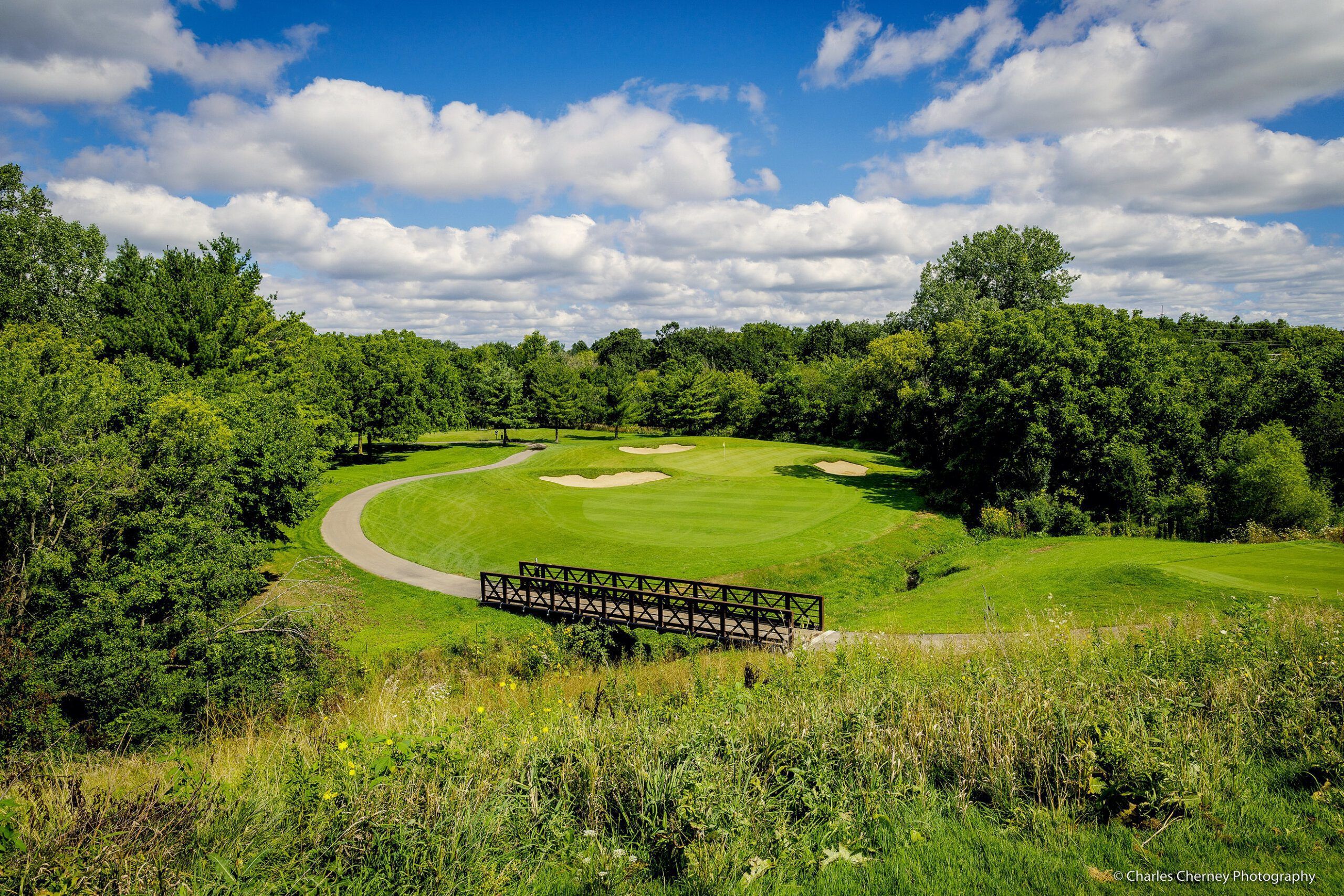
The only answer was a full, tip-to-toe renovation. The architects maintained the routing as closely as possible while improving green-to-tee proximity.
The renovated course has wider fairways and approaches; fewer but deeper, more relevant bunkers; more tee surface and greater yardage options; and larger greens.
With the renovation complete, the next step is to build a new clubhouse in a more central location, while converting the existing clubhouse to a banquet facility.
What the judges said:
“This was quite a massive undertaking with various parties involved. The renovation and new additions of a practice range and four-hole youth course reveal landscape assets of the property in unique and interesting ways.” — Golf Inc. editors
HONORABLE MENTION
St. Johns Golf Club
Elkton, Florida
Owner: St. Johns County, Florida
Architect: Larsen Golf
Contractor: Wadsworth Golf Construction
Cost: $8 million
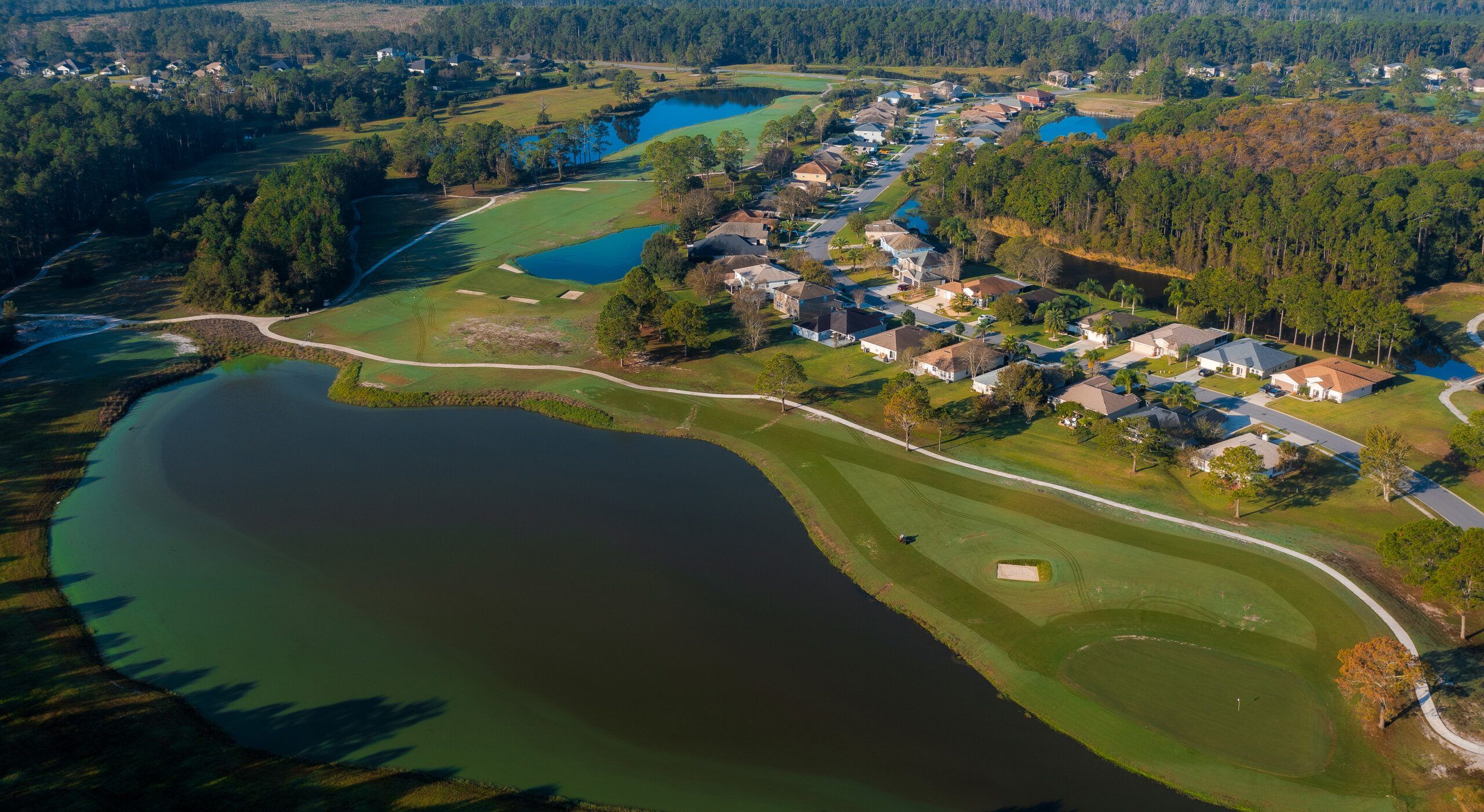
St. Johns originally operated as a 27-hole course, but nine of those holes fell out of use a decade ago, a consequence of declining rounds and revenue. The course needed renovation not only to spruce things up and attract player interest but to address drainage issues that were causing about 30days a year to be lost to wet conditions.
The architect radically revamped the routing, including reversing the flow of the nine-hole course. The new layout emulates the style of early 1900s architects Seth Raynor and C.B. MacDonald. It employs wide fairways, unique green designs and low-maintenance “coffin” bunkers throughout. TifEagle bermudagrass greens and Zoysia bunker faces were installed, as well as a new irrigation system and pump station.
HONORABLE MENTION
Fazio Canyons Golf Course at Omni Barton Creek Resort
Austin, Texas
Owner: Omni Hotels & Resorts
Architect: Tom Fazio
Contractor: Omni Hotels & Resorts
Cost: $5 million
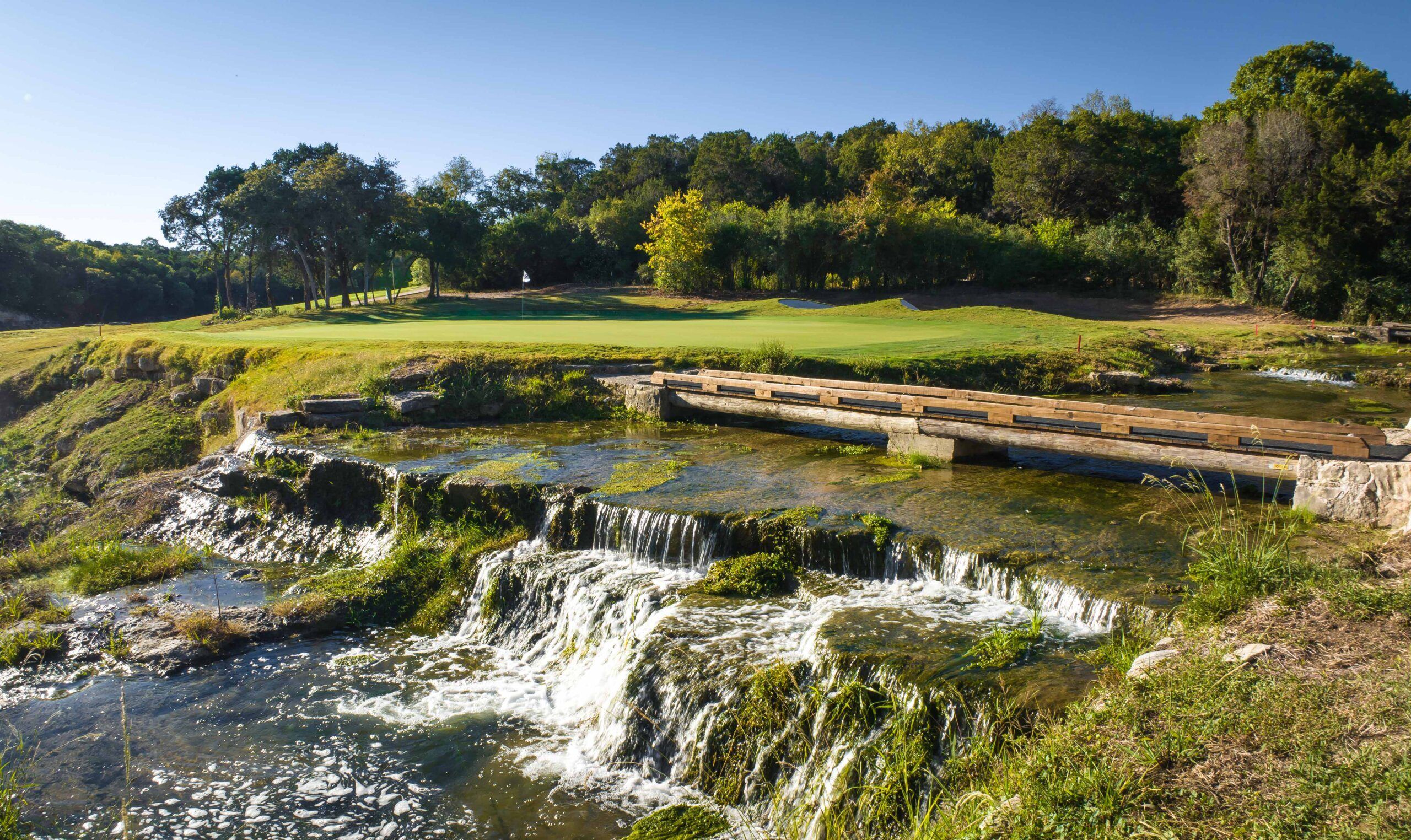
Fazio Canyons had a reputation to maintain as one of the top courses in Texas, so a revamp with an eye toward modern design was in order. The renovation team worked with Tom Fazio, the original architect, to achieve that goal.
All tees were leveled and resurfaced, enlarging them by 30%, which added about 400 yards to the overall course length. Most of the bunkers were renovated to change their shapes and install new liners, drainage and sand. Nine new bunkers were installed, while 11 were removed. The irrigation system received a facelift, with 1,300 sprinkler heads being replaced and 500 new ones being added.
More than 20 acres of native area was hydroseeded with grasses and wildflowers, and all water features were refreshed. The team sodded 840,000 square feet of turf, added 120 semi-truckloads of bunker sand and 400 loads of new growing medium. Finally, they added more than 200 trees and3,000 shrubs and flowers.
The renovation improved playability by making the tee boxes more versatile for all skill levels and provided enhanced shot options and quality with the altered bunker placement.