

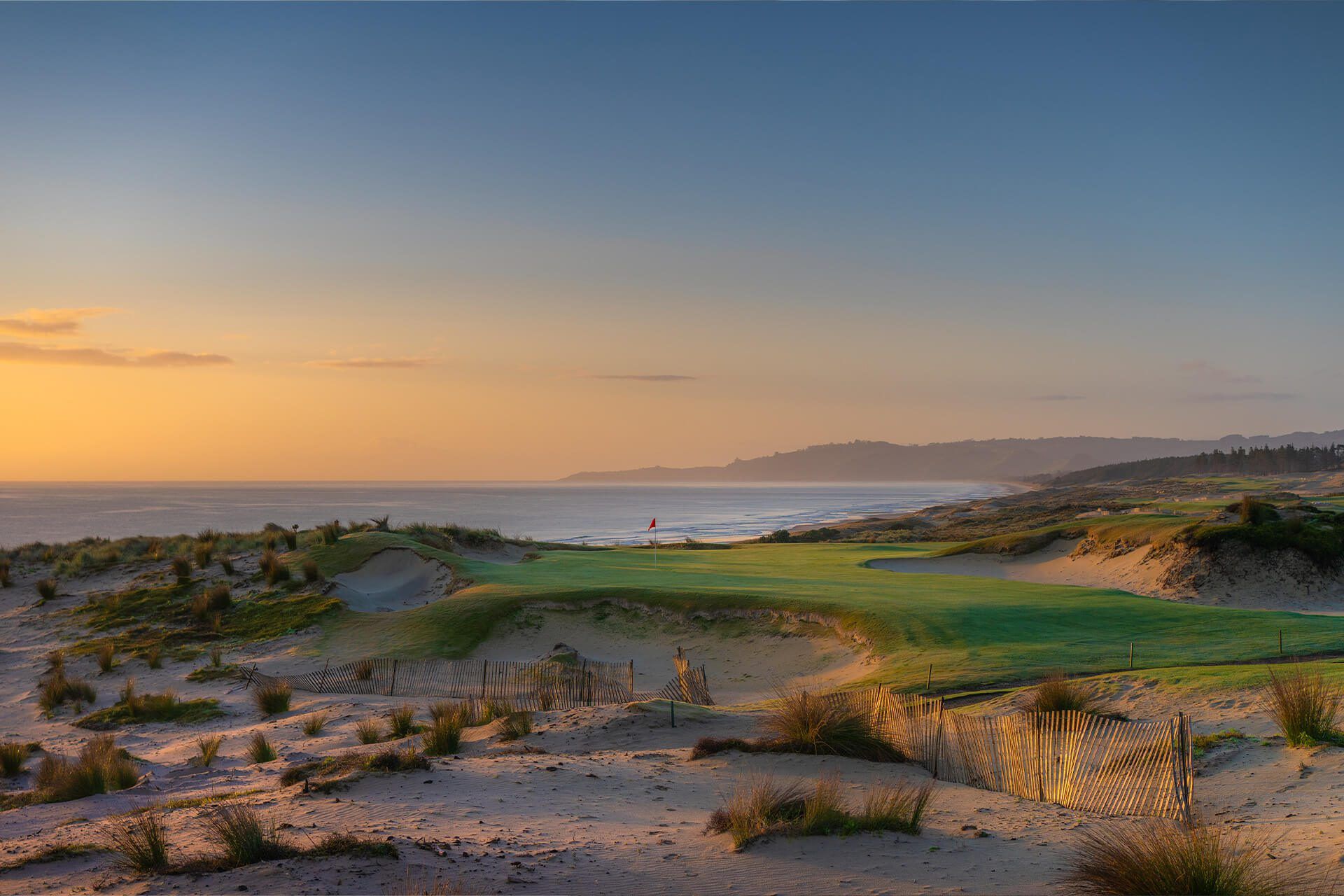
In the Private Course category, the Te Arai Links South Course, also in New Zealand, took first place. Bill Coore of the Coore & Crenshaw design team said that incorporating the beachfront environment into the course design was key to creating player enjoyment.
“Our course really does give the player that rare and lovely feeling that you are right there next to the sea, a little higher than the beach itself,” he said. “I think Willie Nelson once said, ‘All you can do is create something you feel is good, throw it out there, and someone will tell you if it’s good or not.’”
Winners were judged according to how well the vision of the project was executed, the course aesthetics, economic and environmental sustainability, course routing, and land usage. The judges were Darryl Bartlett, senior project manager at NMP Golf Construction Corp.; Casey Paulson, project president at Driftwood Golf and Ranch Club; Kevin Norby of Norby Golf Course Design; Mike Nuzzo of Nuzzo Course Design; and Tripp Davis, president of Tripp Davis and Associates.
(Excerpted from the May/June 2023 issue of Golf Inc.)
Click here to check out the winners for the Best Resort/Daily Fee courses and the Best Golf Entertainment facilities.
Private/Semi-private
FIRST PLACE
Te Arai Links South Course
Auckland, New Zealand
Owner/Developer: Ric Kayne & Jim Rohrstaff, Te Arai Links
Architects: Bill Coore & Ben Crenshaw
Contractor: Puddicombe Golf
Cost: Not disclosed
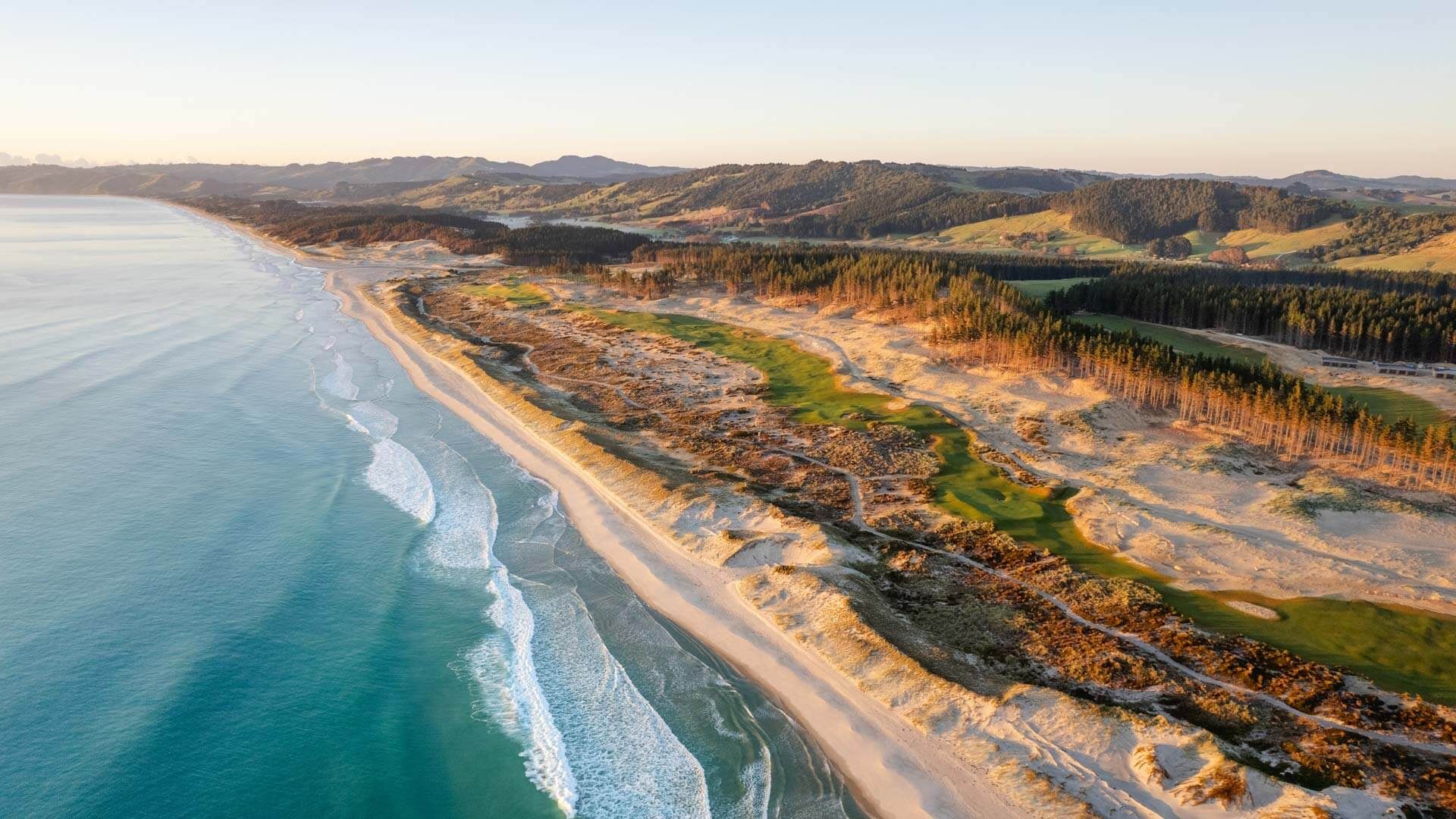
The South Course at Te Arai Links has been a highly anticipated offering from architects Bill Coore and Ben Crenshaw since it was first announced. The team strove to create a course layout that appeals to newcomers and veterans as well. It’s wide and playable but also strategic.
Managing Director Jim Rohrstaff said the South Course has as much ocean frontage as any course in the world.
“It’s that connectivity with the sea that distinguishes the South Course from most links experiences,” he said. “There’s the visual sensation of actually seeing the waves crashing. But golfers can also hear them crashing on more than half the holes.”
Coore pointed out that every par-3 hole on the course is oriented so that golfers can see the ocean.
“In my own mind — being as critical and objective as I can be — there aren’t two or three ‘Wow’ holes at Te Arai Links that are so much better than the others,” he said. “There just aren’t.”
Other features of Te Arai include a 2.5-acre putting green called The Playground and a practice facility with six greens modeled after classic course architecture from around the world. When construction is completed in the next few months, the property will include 48 suites, 19 cottages and six villas. In addition to golf, resort visitors can enjoy surfing, horseback riding, hiking, fishing and more.
What the judges said:
“World class links, surfing, fishing, hiking and fun. This New Zealand gem has it all.” — Darryl Bartlett
“The architecture of the entire facility is outstanding. Makes me want to jump on a plane and get there.” — Tripp Davis
“Incredible vision. Supports the new, more casual and inclusive golf environments now being created. Love the modern amenity architecture. Golf views are stunning.” — Casey Paulson
SECOND PLACE
Apes Hill Barbados
St. James, Barbados
Owner/Developer: Glenn Chamandy, Apes Hill
Architects: Ron Kirby
Contractor: Apes Hill
Cost: Not disclosed
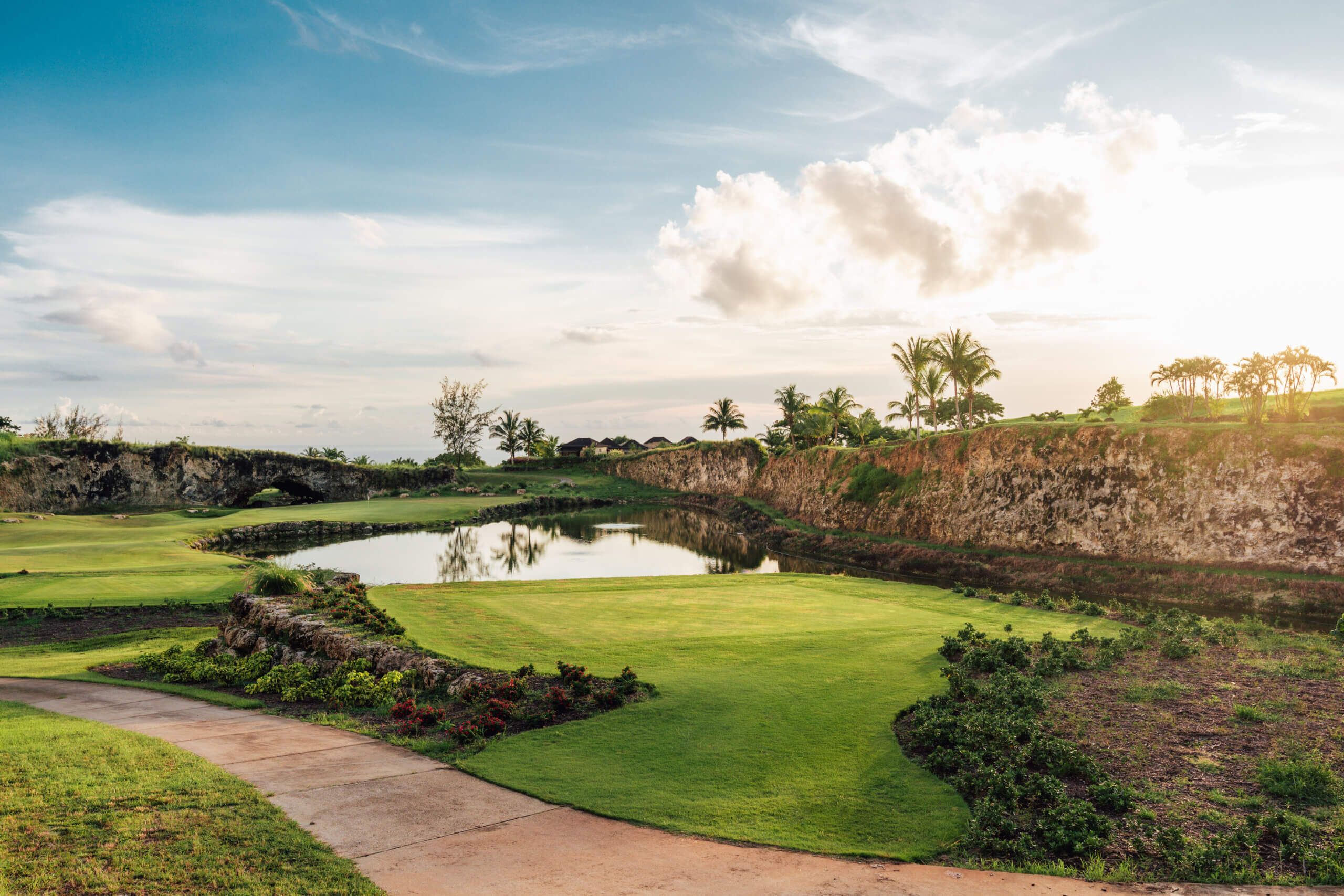
The goal of Apes Hill was simple: Build a place where a group of like-minded, active people and their families can live and have fun in a safe and healthy environment.
This was achieved by providing an 18-hole, par-72 championship golf course on the 475-acre site with modern residences and other amenities.
The course takes advantage of its island location by offering views of the Caribbean Sea and the Atlantic Ocean from several holes on its elevated site. The course routing integrates ancient rock formations and more than seven miles of deep tropical gullies populated by monkeys and other wildlife. Additionally, the large indigenous bearded fig trees that give Barbados its name are highlighted throughout the site.
The architect, Ron Kirby, aimed to create a high-risk/high-reward, drivable, par-4 hole as well as some par-5 holes, while also making the course playable and enjoyable for all.
Advanced irrigation technology connects the property to a 58-million-gallon rainwater reservoir, which is only one facet of Apes Hill’s eco-friendliness. Drought-resistant Zoysia grass was used throughout the course, and the number of sprinklers required for irrigation was reduced by 44%. Elsewhere, the property uses natural fenestration, passive ventilation, insulation, energy efficiency, water efficiency, photo voltaic electrical generation, and nontoxic green materials. There are electric vehicle charging points and charging stations for electric golf carts.
What the judges said:
“Beautiful views in a tropical environment; impressive commitment to environmental sustainability.” — Casey Paulson
THIRD PLACE
Lost Rail Golf Club
Gretna, Nebraska
Owner/Developer: Lost Rail Golf / Dirk Chatelain
Architects: Scott Hoffman
Contractor: Landscapes Unlimited
Cost: $15 million
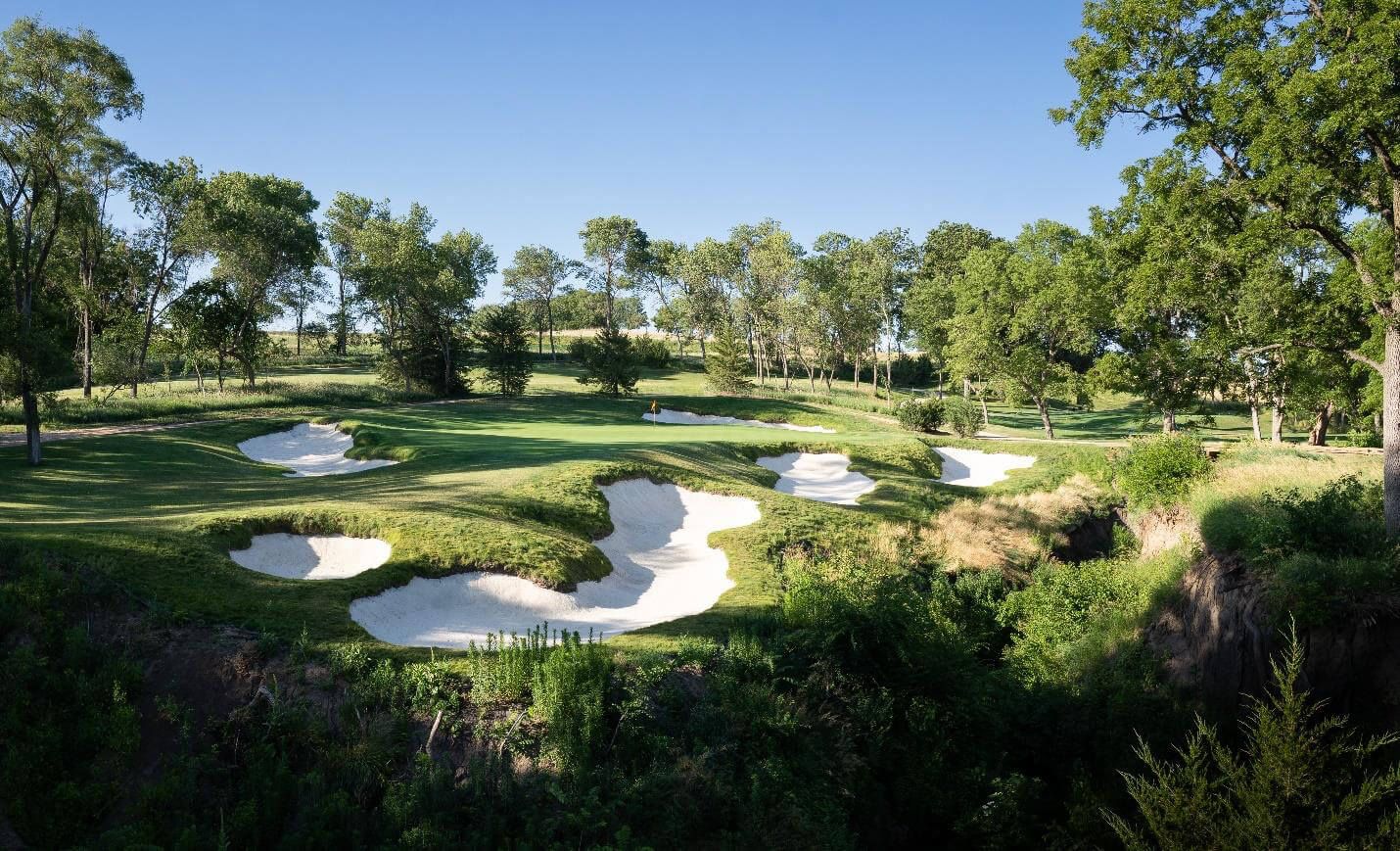
Lost Rail wanted to create a destination reminiscent of renowned getaways in the Nebraska Sandhills, but with convenience being the driving force. The location just a few miles from downtown Omaha minimizes travel time, allowing members and guests to enjoy the club more frequently. The club is purely golf-driven, with 30-second walks between holes.
Initially, the clubhouse was more modest, but as development progressed, the owners saw a need to expand it, thereby allowing members to enjoy it year-round. The course routing also went through numerous revisions by architect Scott Hoffman, who wanted to ensure that the best features of the landscape — the 100-year-old railbed, the canyons, the windmill and the trees — were not only incorporated but preserved.
Most trees and native vegetation were retained while still allowing for wide fairways, which lends to the environmental sustainability of the course.
What the judges said:
“Unique golf course well fitted to the land. The only golf setting with a reasonable size clubhouse is refreshing.” — Tripp Davis
HONORABLE MENTION
Stillwater Golf & Country Club
St. Johns, Florida
Owner/Developer: Lennar
Architects: Bobby Weed Golf Design
Contractor: MacCurrah Golf Construction
Cost: Not disclosed
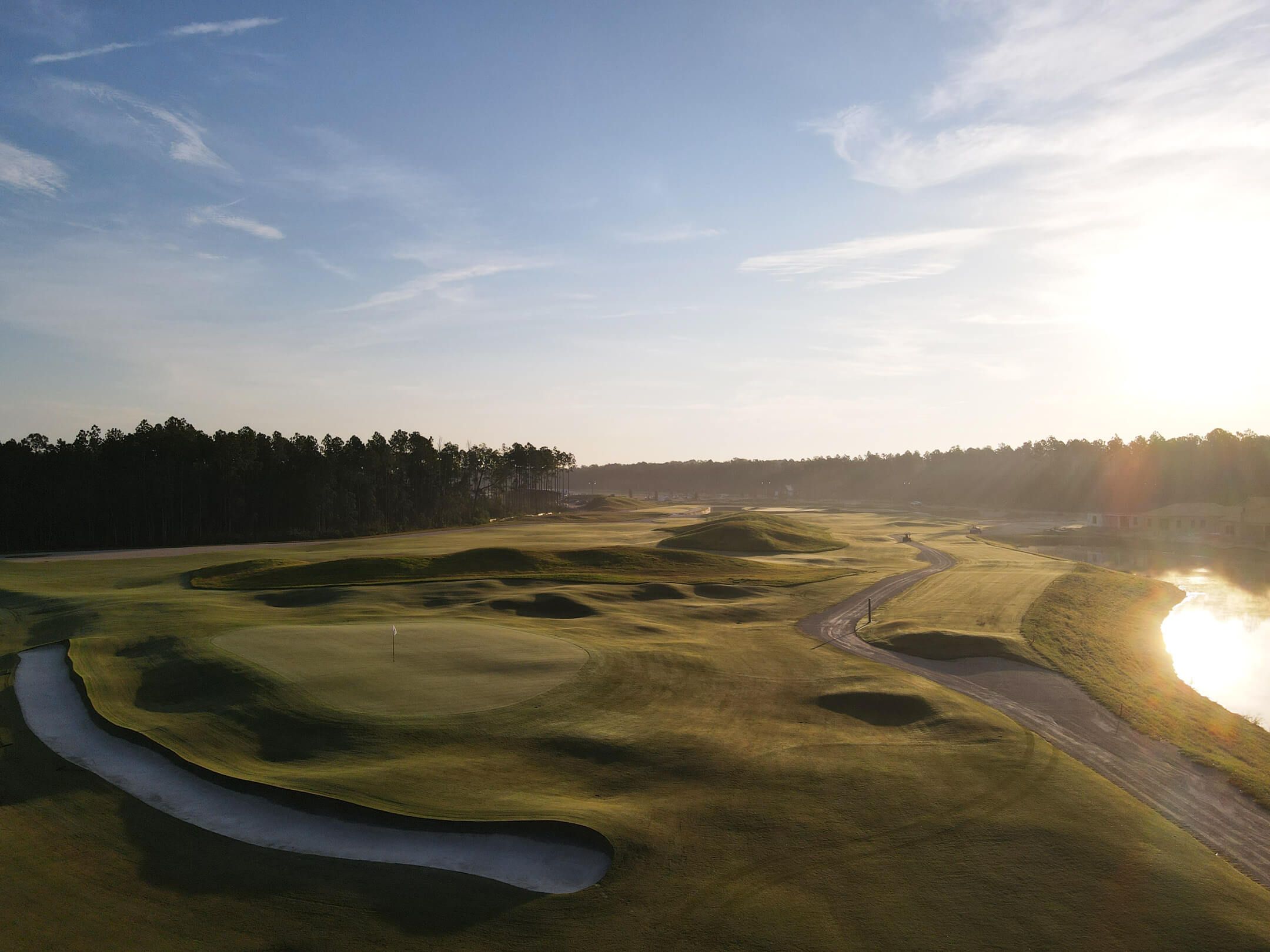
Stillwater is the first course to be built in northeastern Florida in more than 10 years. The developers focused on the 55-plus demographic, designing it for residents looking to create a new lifestyle for the next phase of their lives.
The course occupies the native wetlands with cypress, pine and oak trees and has only 70 acres of irrigated turf. It uses reclaimed effluent water as its main source of irrigation and has drastically cut down on the maintenance and cost for its bunkers by using repurposed artificial sod from British soccer fields for the front walls.
The course has 3-, 6-, 9- and 12-hole loops, giving players the choice of playing for anywhere from an hour to four hours.
The property includes a practice facility with Toptracer technology, a resort-style pool and tennis and bocce ball courts.