

The clubhouse serves a dual purpose: It needs to function as the so-called “face” of the club, and it needs to accommodate the needs of its patrons. A good clubhouse excels at one of those, but a great one excels at both.
This year’s Clubhouse of the Year competition was one of the most contested ones we’ve ever seen, with more prospective entries than almost any other we’ve done. With four categories in the running — New Private, New Public, Remodeled Private, and Remodeled Public — there is a veritable smorgasbord of design styles represented from across the country, with a few international gems for good measure.
Our judges for this competition were Lee Hyden, director of architecture at Chambers USA; Joni Burden, founder, executive chairman and creative director at J. Banks Design; and a panel of Golf Inc. editors.
NEW PUBLIC
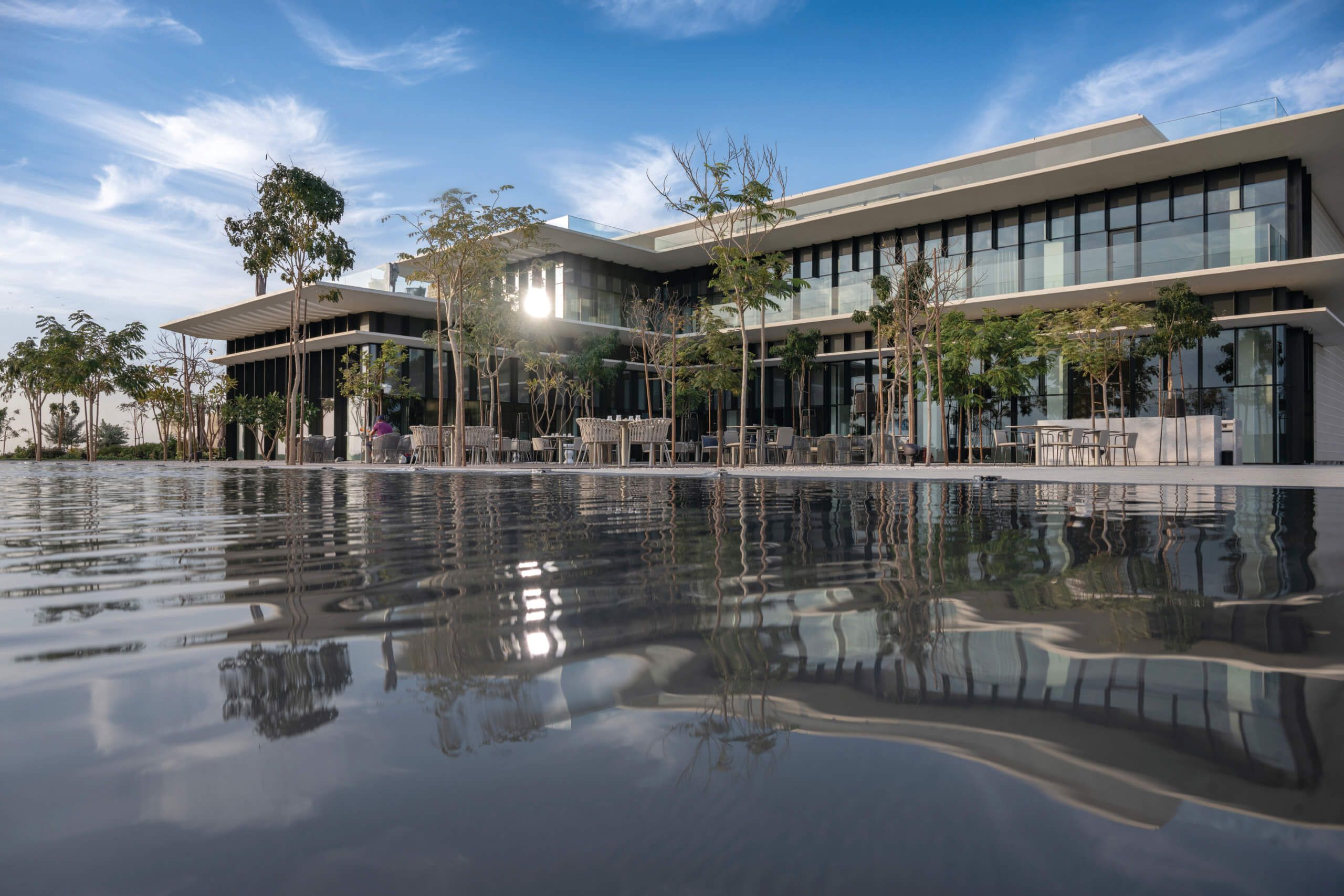
FIRST PLACE
Al Zorah Golf & Yacht Club
Al Zorah City, Ajman, United Arab Emirates
Architect: Annaka
Interior Design Firm: Mojo Concept
Contractor: Darwish Engineering
Cost: Not disclosed
Al Zorah Golf & Yacht Club’s new clubhouse blends natural topography with architectural form to create a fluid, engaging experience. Built on a previously flat site, the building introduces vertical movement and layered spaces, rising in terraced steps to a rooftop terrace with sweeping views.
The ground floor houses key public amenities, including reception, pro shop, gym and restaurant. Upper levels offer quieter, more private spaces for members, wellness areas and administrative offices. Ramps and elevators provide full accessibility, while service zones are discreetly separated to reduce disruption.
The design draws from regional influences with a contemporary touch, using natural textures, muted tones and controlled lighting to create a calm, composed atmosphere. Sunlight enters through shaded apertures and open-air corridors, enhancing comfort while lowering energy use.
Sustainability guided every design decision. Passive systems and integrated controls reduce the environmental footprint. LED lighting is used throughout the clubhouse and landscape, with indirect fixtures to minimize glare and light pollution. A centralized chilled water system handles climate control, and water-efficient fixtures optimize circulation. A building management system monitors HVAC, lighting and window treatments in real time to improve efficiency.
What the judges said:
“Well executed on all fronts: architectural and interior design efficiency with a cohesive and functional plan, holistic aesthetics from one function to another and realizing the project vision of blending regional influences with contemporary lines, incorporating sustainable design considerations.” – Lee Hyden
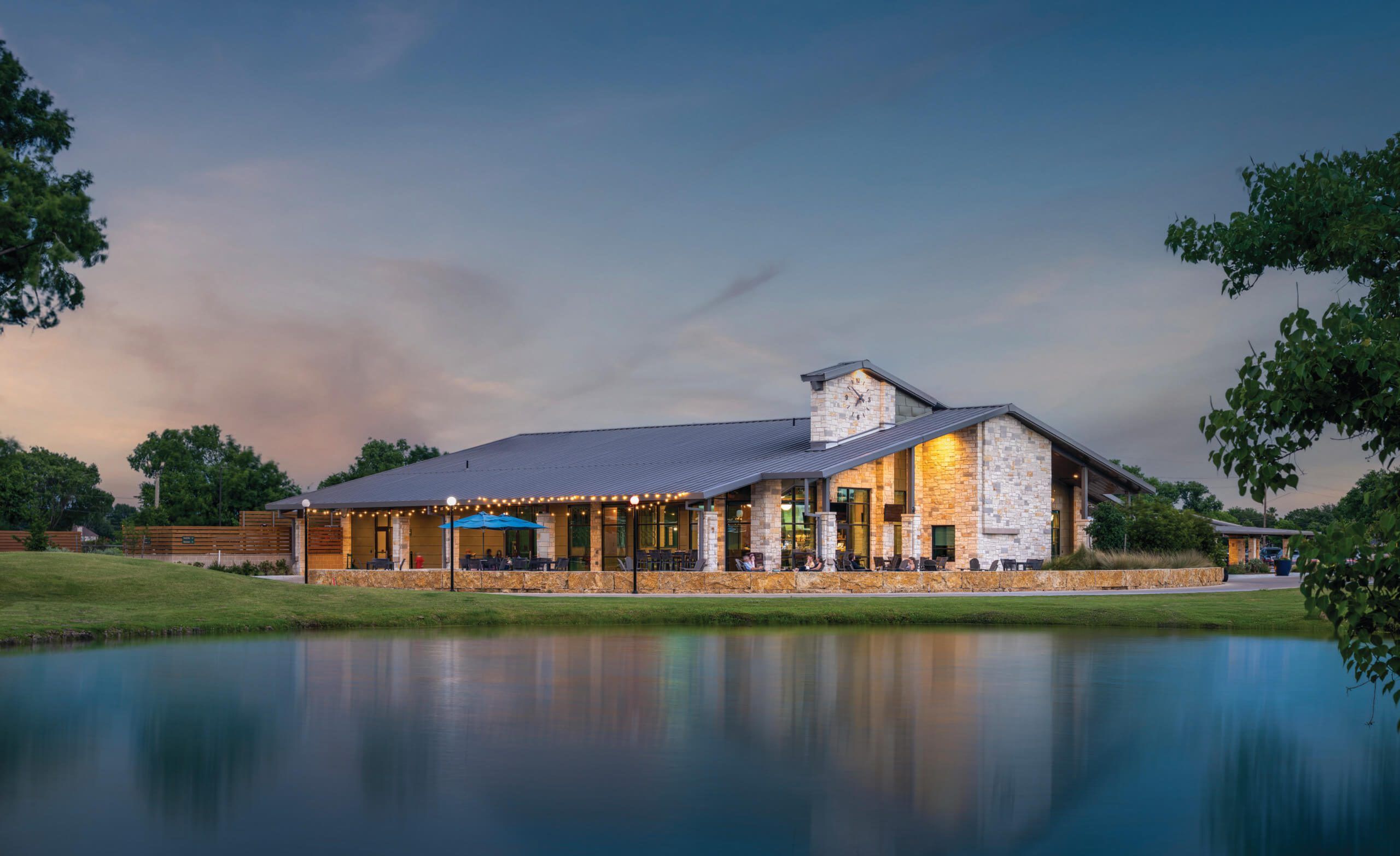
SECOND PLACE
Jersey Meadow Golf Course
Jersey Village, Texas
Architect: FGM Architects
Interior Design Firm: FGM Architects
Contractor: Brookstone Construction
Cost: Clubhouse $6 Million; Event Center $2 Million
Jersey Meadow Golf Course sought to enrich the social and recreational experience for golfers of all ages and abilities and provide an events space available to the entire community. A new primary clubhouse was constructed next door to the existing clubhouse, which was remodeled into an events center capable of hosting up to 200 guests.
Together, the buildings form a central plaza with a mix of covered and open-air seating, landscaped with native plants. Texas limestone and deep roof overhangs — anchored by stone columns — define the architecture and provide shade throughout. A curved golf cart path runs past a low stone wall that visually separates the clubhouse from the course.
The clubhouse stands out with a taller roofline and a clock tower visible from the course. Inside, vaulted ceilings and a living green wall reinforce the connection between indoor and outdoor spaces. Floor-to-ceiling windows provide panoramic course views.
Features include simulator bays for recreation, instruction and indoor leagues; two virtual driving ranges; a virtual putting green; and a well-stocked, light-filled pro shop. The clubhouse’s rounded furniture and custom lattice screens reflect Art Deco influences in a muted earth-tone palette.
The events center includes a flexible multipurpose room and separate wedding suites. Outdoor space was expanded to accommodate larger functions and more seating.
Repurposing the original clubhouse helped lower construction costs, reduce carbon impact and conserve resources. Deep overhangs on both buildings provide shade, improve comfort and reduce solar heat gain. Revenue from both facilities supports the club’s operations, offering a strong return on the public’s investment.
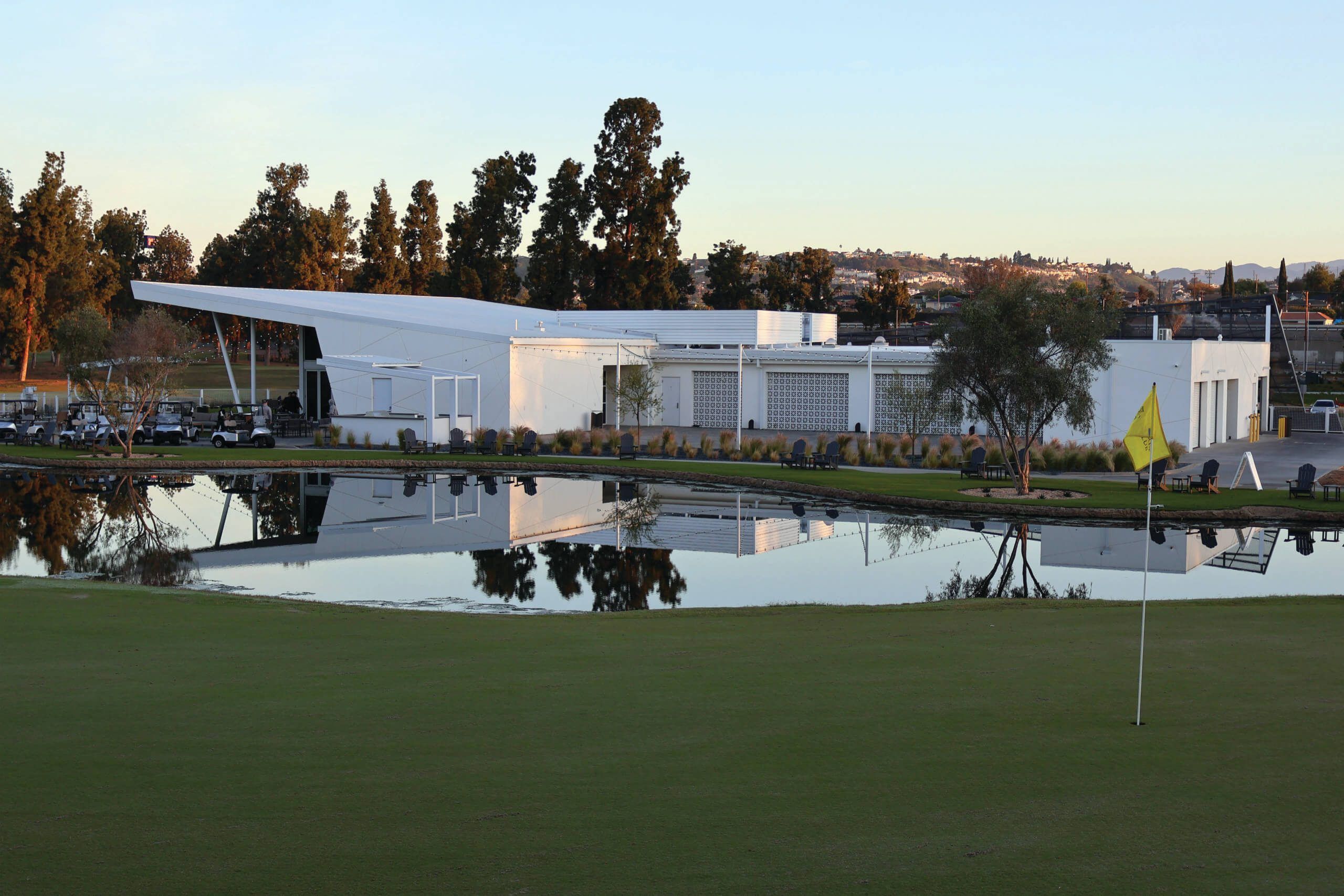
THIRD PLACE
Bella Verde Resort and Golf Club
Montebello, California
Architect: Douglas Fredrikson Architects
Interior Design Firm: Creative License
Contractor: R.C. Construction Services
Cost: Not disclosed
The city of Montebello transformed its underused 18-hole municipal course into two smaller layouts and a new Topgolf facility. A modern clubhouse was added to match the upgraded experience and serve as a flexible event space for both golf and community use.
Though compact, the building includes a golf shop, bar and grill, restrooms and cart storage. It also features a fireplace, outdoor firepits, exterior televisions, two lawn areas — one with a stage and one by the lake — and a covered patio used for cart staging during the day.
Food is available from a built-in barbecue, outside catering or the adjacent Topgolf venue. The on-site bar serves both interior guests and outdoor events through operable doors.
Sustainability played a key role in the design. Large roof overhangs reduce solar heat gain, and operable doors allow for natural ventilation. Clerestory windows bring in daylight, while the flat roof is reflective to minimize heat absorption. The unconditioned cart storage area uses perforated metal screens and breeze blocks for airflow and lighting. Local and Green-certified materials were used throughout, including high-performance glass and low-emission finishes. Roof water is collected and redirected to the course and lake, and the main lawn is artificial turf to conserve water.
NEW PRIVATE
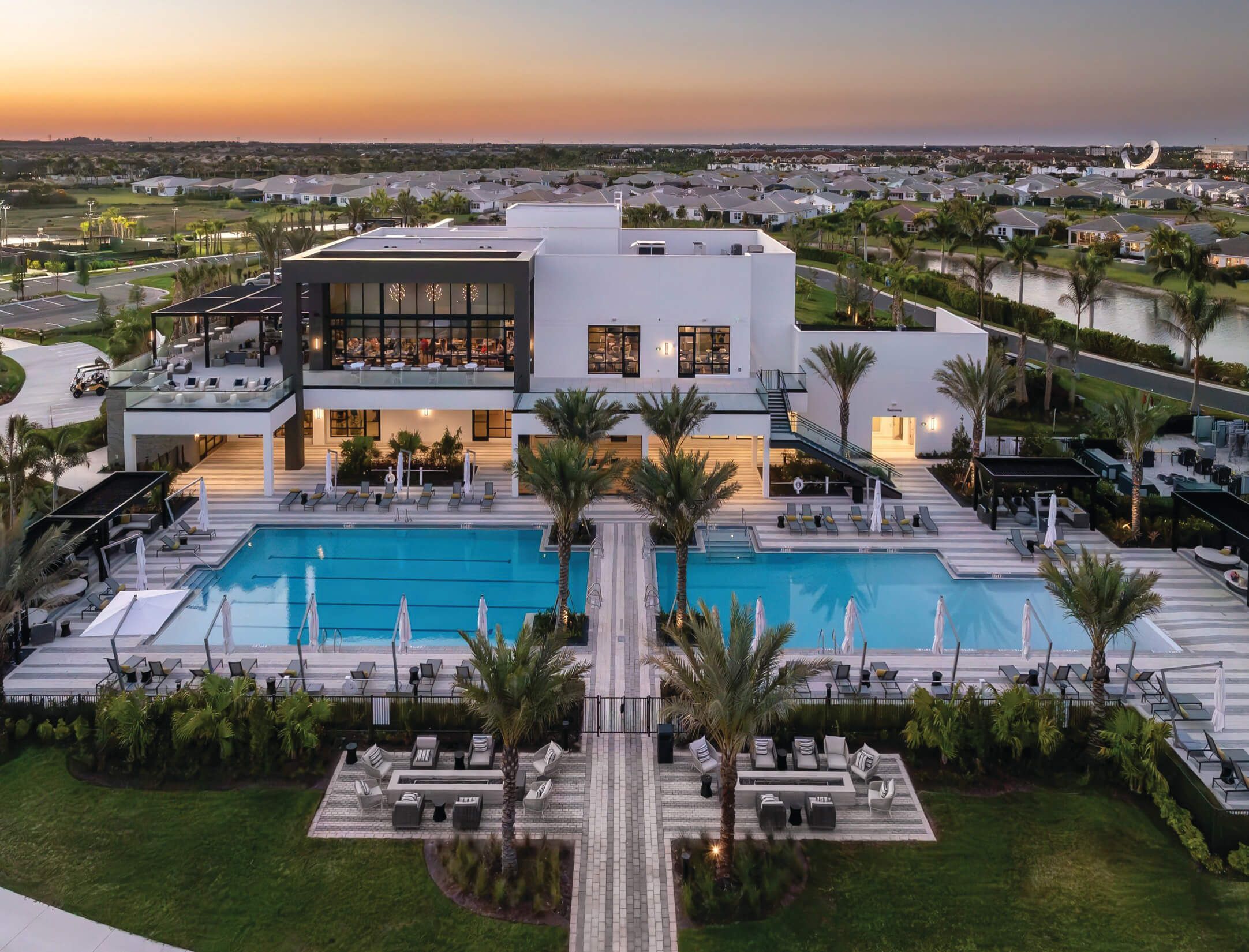
FIRST PLACE
Telaro
Port St. Lucie, Florida
Architect: Peacock + Lewis
Interior Design Firm: Peacock + Lewis
Contractor: Black Diamond General Contracting
Cost: $12.89 Million
Designed to appeal to a younger, contemporary audience, Telaro’s new clubhouse breaks from tradition to deliver a fresh, resort-inspired experience.
The modern aesthetic begins at the front guardhouse, where clean-lined landscaping and water features set a welcoming tone. The two-level, 26,000-square-foot clubhouse is positioned with its main entrance on the upper level to take advantage of elevated views.
Inside, the upper level includes card rooms, an administrative suite and a large multi-use gathering space with a retractable glass wall that opens to an 1,800-square-foot terrace. The terrace is shaded by an adjustable pergola with modulating louvers, allowing control over light and shade for day and evening use.
Natural light is central to the design. A glass atrium leads to the lower-level walkout fitness center, which includes locker rooms, a juice bar and a teaching kitchen. Floor-to-ceiling glass provides unobstructed views of the resort pool, fitness pool, sport courts and garden beds.
Blending contemporary architecture with practical amenities, the clubhouse offers a modern retreat tailored for everyday luxury living.
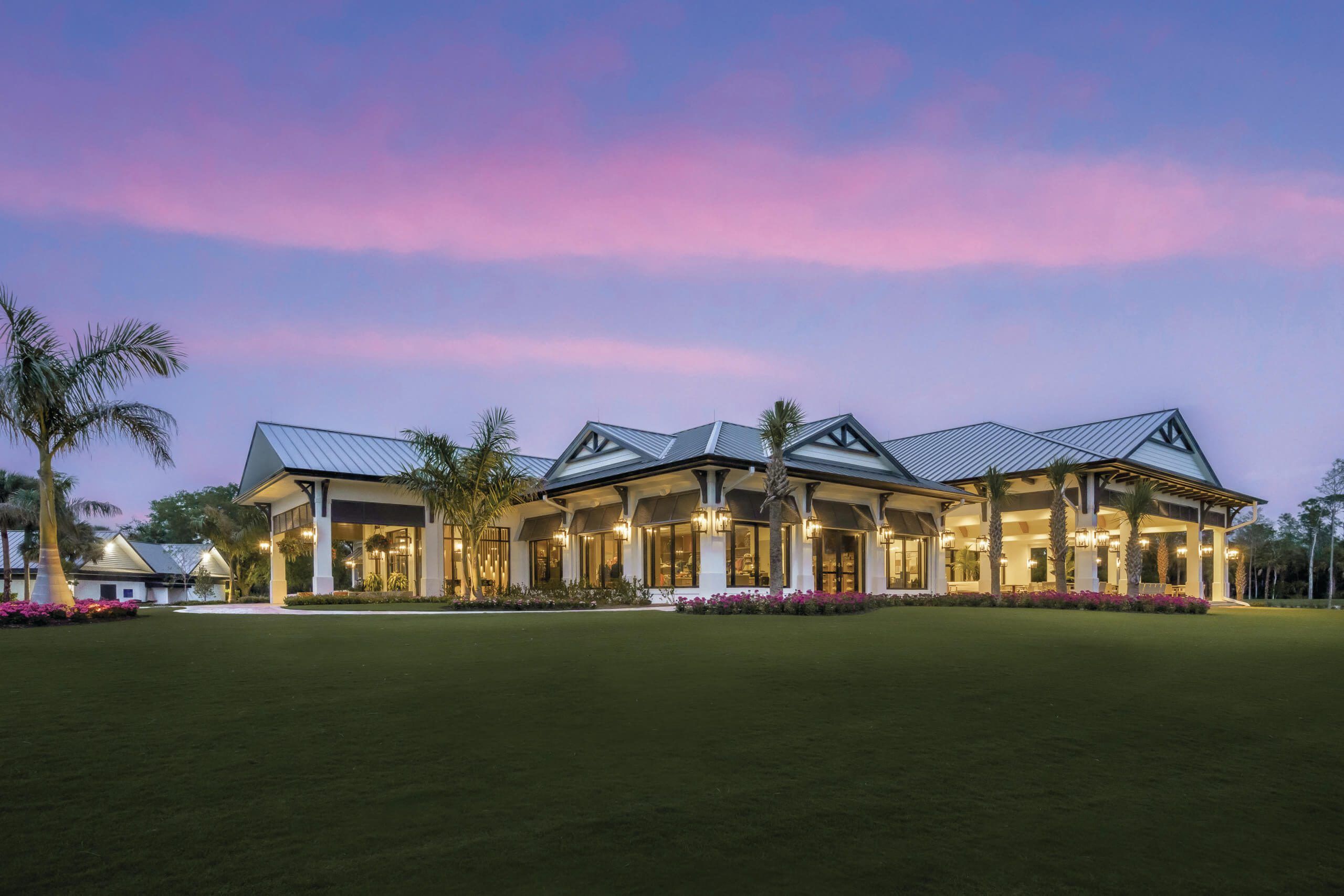
SECOND PLACE
Bonita Bay Club
Bonita Springs, Florida
Architect: AM Design Group
Interior Design Firm: AM Design Group
Contractor: D. Garrett Construction
Cost: Not disclosed
Bonita Bay Club’s new clubhouse combines modern sophistication with natural beauty and efficient spatial design, creating an open, timeless environment that complements the Southwest Florida landscape.
Inspired by coastal aesthetics, the interiors feature natural wood tones, stone finishes and soft textures. Vaulted ceilings and clean lines add scale and airiness, while expansive glass and NanaWall folding systems blur the line between indoors and out.
Form and function guided every design decision. The 12,000-square-foot building was rotated 17 degrees to improve sightlines, maximize daylight and frame key interior spaces with views of the course. The rotation also optimized the layout of the terrace, a climate-controlled dining space that seats 84 and connects directly to the indoor dining room and bar.
The clubhouse features a Lutron automated lighting system that adjusts based on occupancy and daylight. Sustainable materials were used throughout, including GREENGUARD-certified Cambria quartz countertops and recycled, locally sourced finishes to reduce embodied carbon and support the regional economy.
“With its unique setting surrounded by breathtaking scenery, we aimed to create an intimate, nature-connected experience for our members,” said Fred Fung, CEO and general manager. “We’re proud of the outcome and grateful for the thoughtful design partnership that made it possible.”
What the judges said:
“An impressive project with clean lines that allow for architectural and interior design plan efficiency, holistic aesthetics from exterior to interion, realizing the overall project vision.” – Lee Hyden
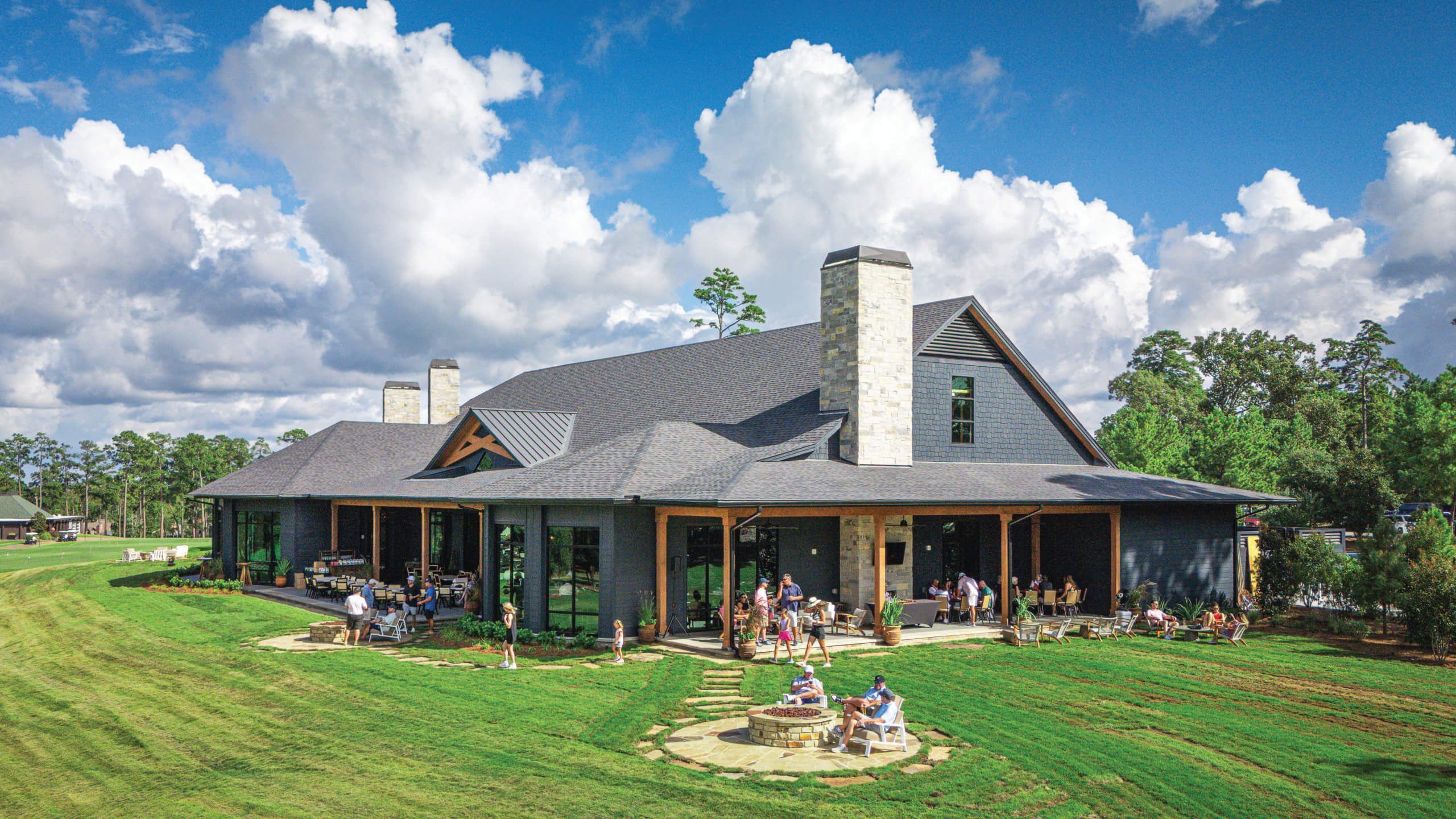
THIRD PLACE
Bluejack National
Montgomery, Texas
Architect: Ziegler Cooper
Interior Design Firm: Bluejack Design
Contractor: Harvey Builders
Cost: Not disclosed
The Porch at Bluejack National reimagines the traditional clubhouse as an inviting, unpretentious space that anchors both the club and the community. The design balances warmth and comfort with nontraditional, curated elements.
Architectural details and major furnishings were selected for their timeless appeal and durability. Over two years, the design team sourced vintage and antique pieces from across the U.S. and Europe, blending architectural salvage, modern design and custom elements.
Reclaimed doors, paneling and hardware bring character while reducing material waste. The clubhouse layout follows smart sun design principles, oriented to capture natural warmth and avoid energy-draining north-facing walls. Rainwater runoff is collected for irrigation, easing demand on local systems.
Facing west, the clubhouse takes in sunlight throughout the day, minimizing artificial lighting. Expansive windows and seamless indoor-outdoor transitions let in light and breezes, enhancing comfort and lowering energy use. Oversized low-energy fans and deep roof canopies promote natural cooling and airflow, reducing reliance on air conditioning.
REMODELED PRIVATE
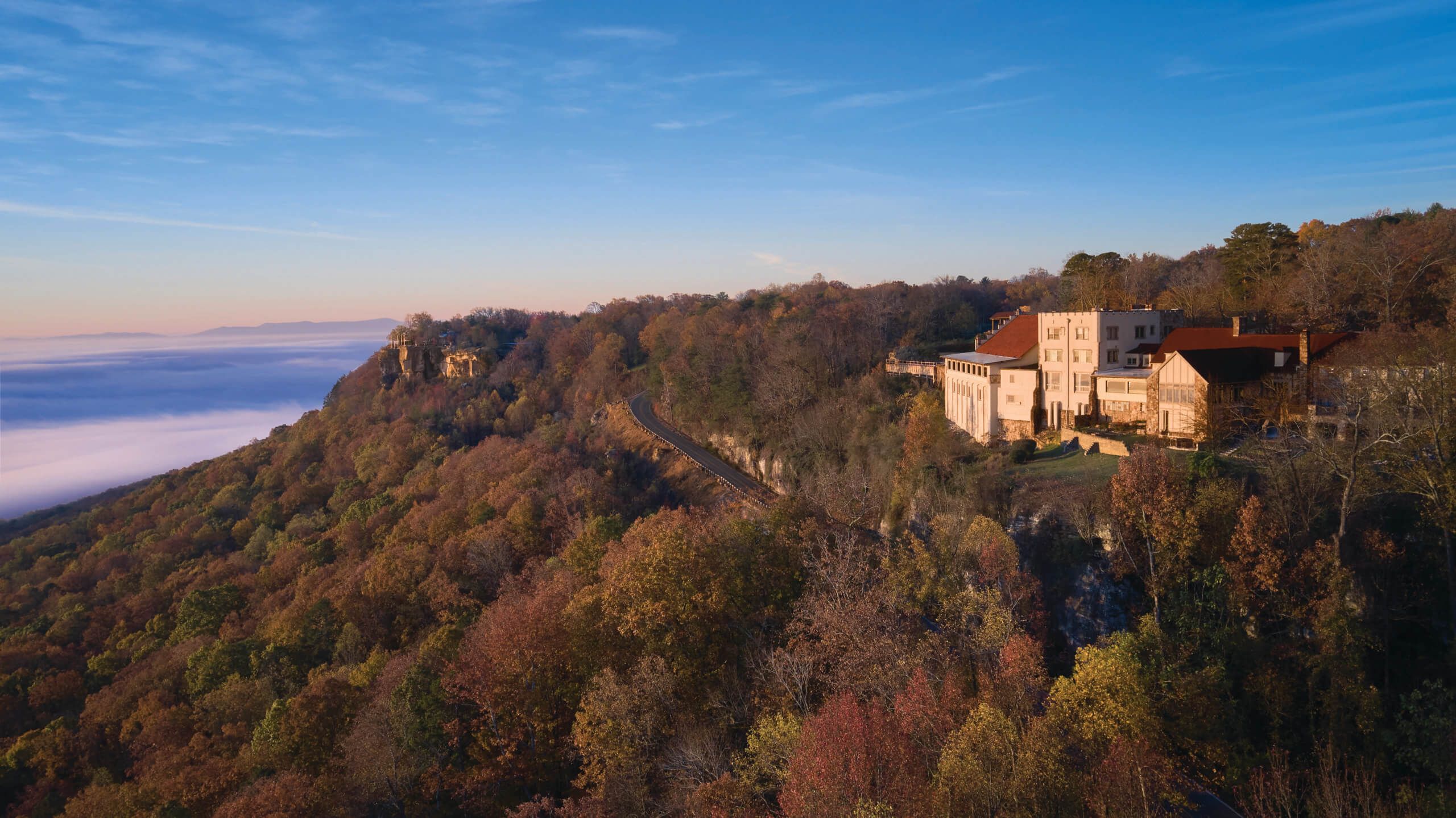
FIRST PLACE
The Lookout Mountain Club: Fairyland Club and Golf Club
Lookout Mountain, Georgia
Architect: Kuo Diedrich Chi Architects
Interior Design Firm: Traci Rhoads Interiors
Contractor: DBS Corporation
Cost: Fairyland clubhouse $4.4 Million; pool facilities (pools & deck) $2.3 Million
Lookout Mountain’s clubhouse renovation focused on enhancing dining and pool amenities without compromising what members value most — the view.
Perched to overlook a sweeping mountain landscape, the club made preserving sightlines a top priority. The upgrade includes a new outdoor bar and social area with lounge seating, expanded patio dining, an upgraded kitchen, a casual pub and more informal, multi-generational dining spaces throughout.
Several underused areas were repurposed to better serve members. The former bar, once tucked away in a formal dining room, was relocated to the “coolest spot in the building,” now offering panoramic 180-degree views. Adjacent to it, a former enclosed dining room was transformed into a family-friendly terrace, complete with drop-down screens, radiant heaters and overhead fans to keep the space usable year-round.
The pool also received a major overhaul to address leakage and capacity issues. The redesign preserved its recreational use for swim teams while adding a zero-entry section with bubblers and splash features for children. New trellises and arbors provide additional shade and comfort.
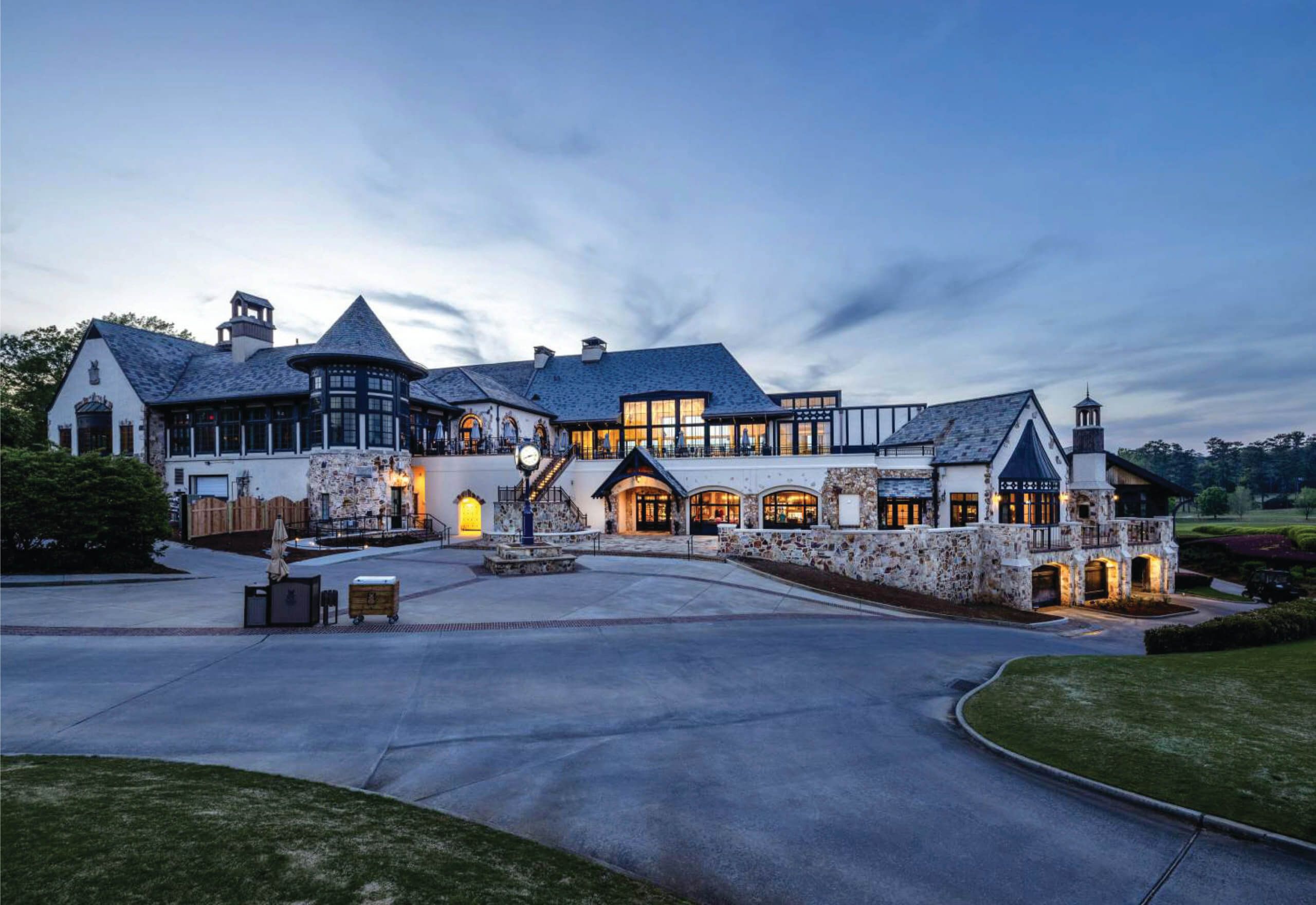
SECOND PLACE
Capital City Club at Brookhaven
Atlanta, Georgia
Architect: Chapman Coyle Chapman Architecture & Planning
Interior Design Firm: Susan B. Bozeman Designs
Contractor: Hodges & Hicks General Contractors
Cost: $41 Million
Capital City Club capped a 10-year renovation with a major clubhouse expansion designed to meet the needs of a growing membership and modernize its amenities.
The primary kitchen was remodeled and expanded to 10,000 square feet to boost productivity while maintaining architectural continuity. The upgraded kitchen now includes 10 freezers and refrigerators, a bakery, pastry prep area, new expo kitchen and a dedicated staff dining room.
A new Men’s Grill triples the size of the original, featuring timber ceilings, a stone fireplace and a covered veranda with golf course views. Additional upgrades include a redesigned adult restaurant and bar, vertical expansion and interior updates to the ballroom and bar, renovated men’s and women’s lounges with updated food service equipment, a refreshed fitness area and a fully built-out pro shop.
Natural light and energy efficiency were central to the design. Large windows bring daylight into key spaces, enhancing member comfort while reducing reliance on artificial lighting. Deep roof overhangs and shaded outdoor areas limit solar heat gain and lower energy use.
THIRD PLACE
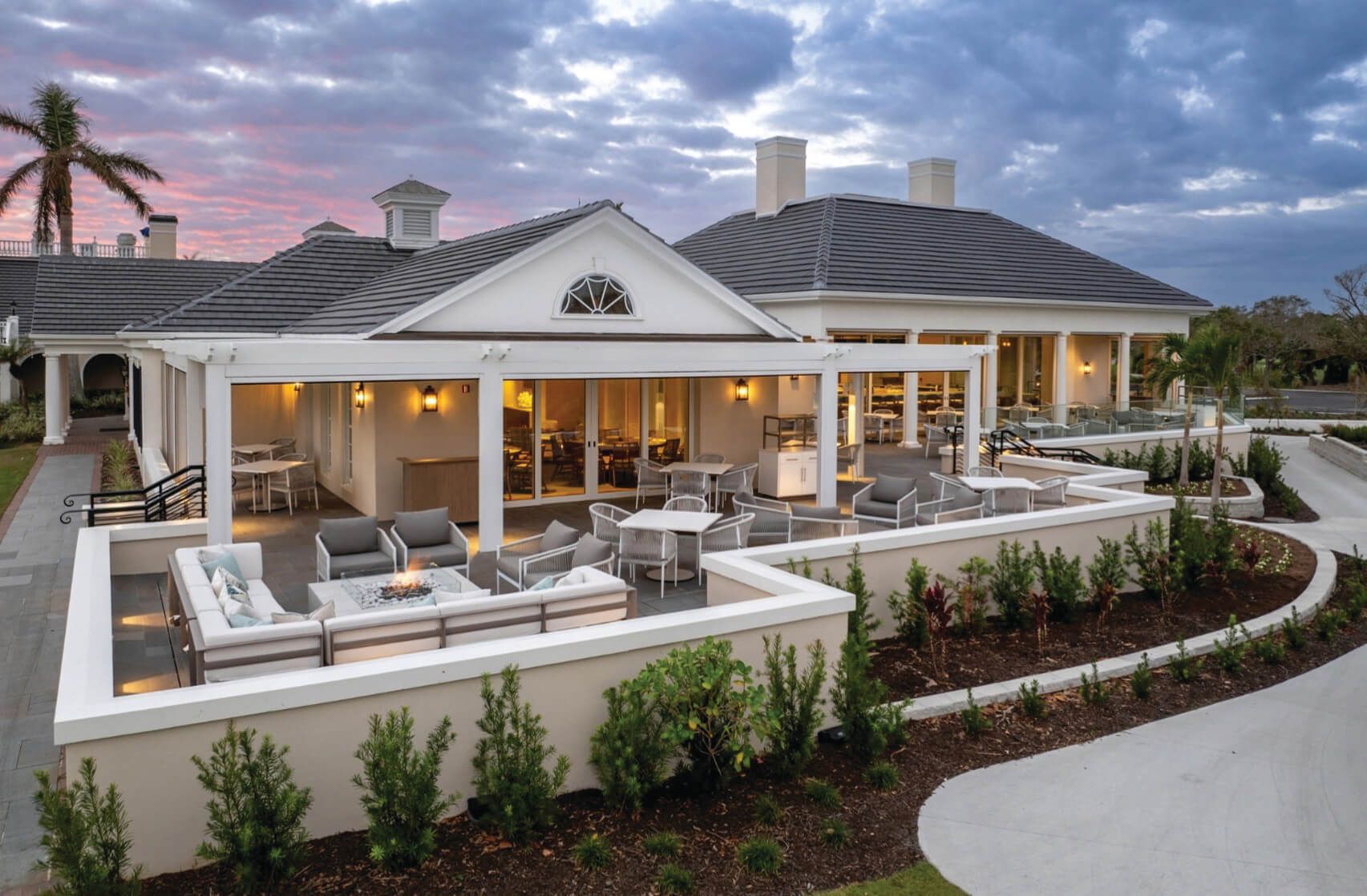
The Oaks Club
Osprey, Florida
Architect: Peacock + Lewis
Interior Design Firm: J Banks
Contractor: Willis Smith Construction
Cost: $9 Million
The Oaks Club set out to create a clubhouse that was both welcoming and refined, balancing elegance with everyday function.
The centerpiece of the redesign is a four-sided bar with outdoor lounge areas overlooking the 18th fairway of the Heron Course. Retractable glass walls and roll-down screens allow the space to adapt to weather and events while maintaining an open connection to the landscape.
Fire tables and lounge seating give members the choice to relax under cover or open sky. Natural light, fresh air and course views were central to the design intent.
Behind the scenes, an expanded kitchen and dedicated server stations improve flow and service. A private wine room offers secure, climate-controlled lockers for members’ collections, while a wine display in the entry gallery highlights the club’s curated wine program.
Staff needs were also prioritized, with new break areas, secure lockers and quiet spaces to recharge between shifts.
What the judges said:
“The lighting, textures, fabrics and bar niches gave this clubhouse unique warmth in a bright space.” – Joni Burden
HONORABLE MENTION
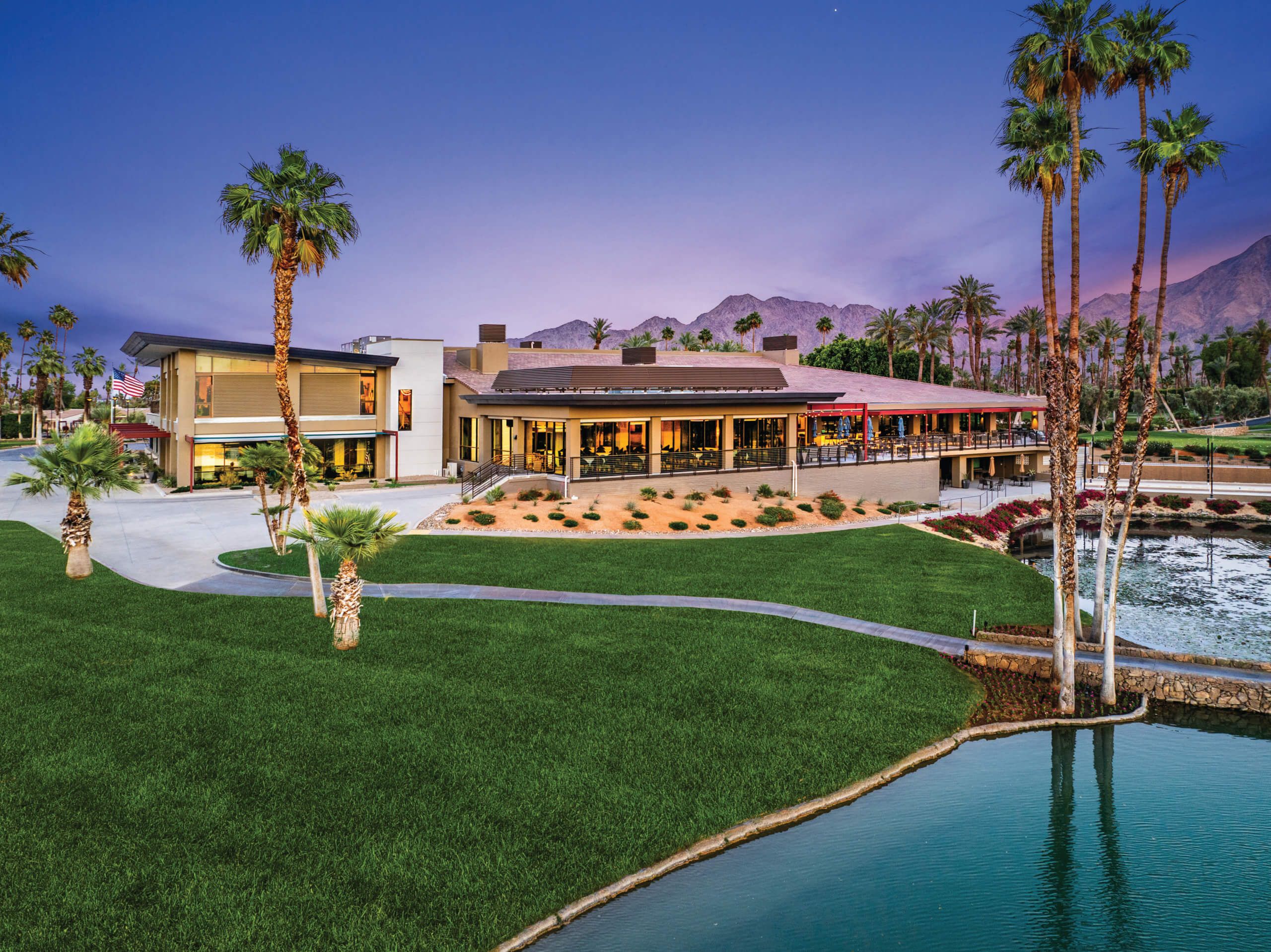
Desert Horizons Golf Club
Indian Wells, California
Architect: MDR Architects
Interior Design Firm: MDR Architects
Contractor: Driver SPG
Cost: $23 Million
Originally built in 1982, the Desert Horizons clubhouse and tennis pavilion recently underwent a major renovation to better reflect the community’s needs and its scenic location near Eisenhower Mountain.
The redesign introduced a clean, modern architectural style that frames the club’s lakes and fairway views. Indoor and outdoor social areas were expanded and now flow seamlessly to accommodate both large gatherings and smaller events.
Key additions include an 8,000-square-foot fitness center with direct outdoor access, new food service facilities featuring two bars, a snack bar and an employee break room, and a new courts pavilion with space for socializing and match viewing.
Sustainability was a priority throughout. The updated design incorporates deep overhangs, butterfly rooflines, roller shades over west-facing glass, terrace fans and misters, and photo-sensor lighting controls. The roof was engineered to support solar panels in the future.
HONORABLE MENTION
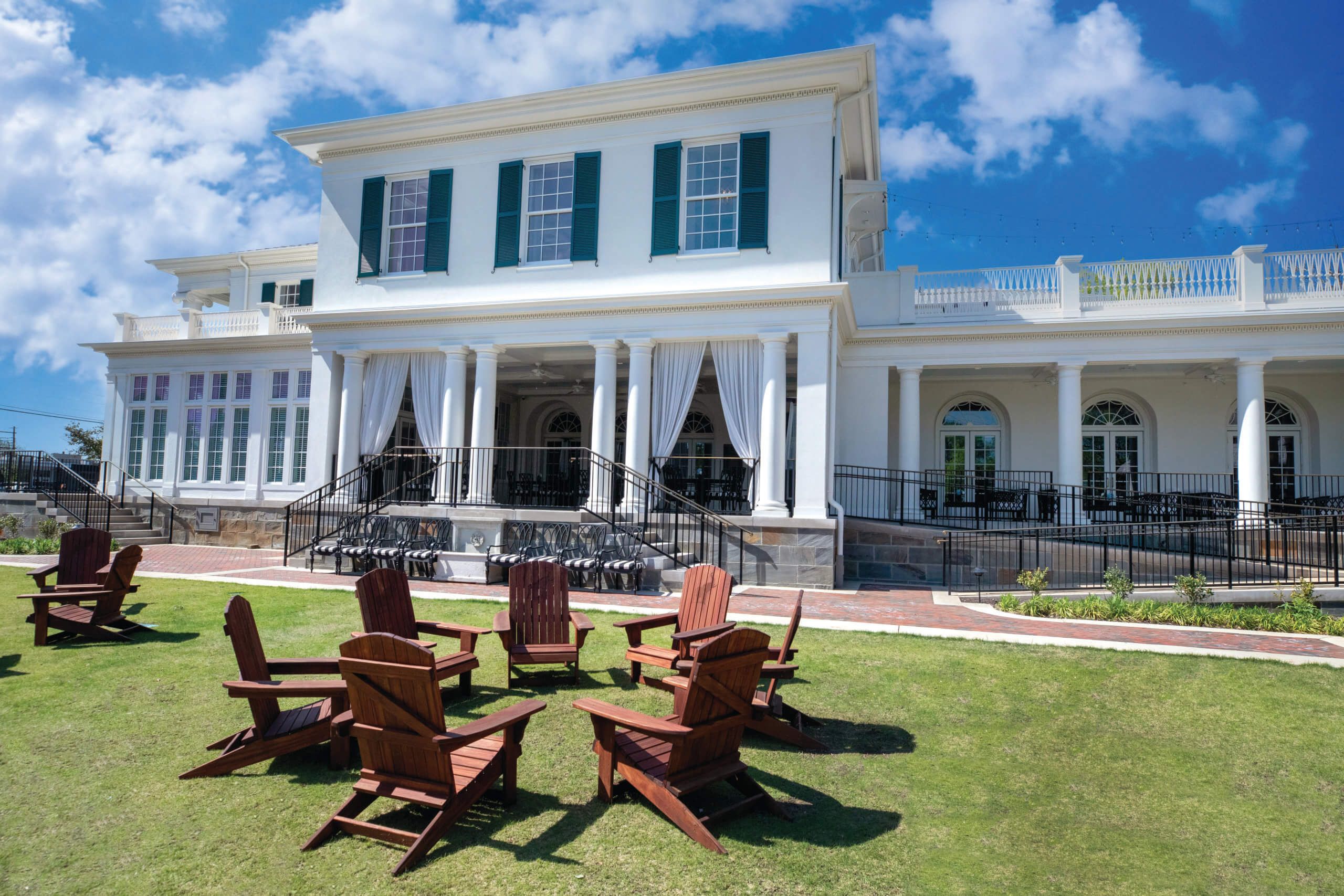
University Club at the University of Alabama
Tuscaloosa, Alabama
Architect: Cole & Cole Architects
Interior Design Firm: Feltus Hawkins Design
Contractor: Harrison Construction
Cost: Not disclosed
The University of Alabama’s clubhouse, originally built in 1834, has been thoughtfully updated in collaboration with Invited, Feltus Hawkins Design and Harrison Construction to preserve its legacy while enhancing functionality.
At the center is a lively bar that serves as the social hub of the club. Flanking it are casual dining spaces that accommodate both intimate meals and larger groups. The formal dining room also received a modern refresh with contemporary finishes.
A recent expansion added 1,500 square feet, including a veranda, boardroom and banquet area. The veranda features a soft blue plank ceiling and white sheers that offer privacy from the street. The boardroom’s modular table system allows it to quickly convert into a bridal suite, while the banquet space supports events ranging from weddings to business functions.
Subtle nods to the university’s identity appear throughout the clubhouse, including houndstooth-patterned upholstery, crimson accents, original artwork and historical artifacts. A dedicated history wall near the bar highlights the club’s deep ties to Tuscaloosa and the university.
“We approached the design as storytellers — preserving the architectural character, celebrating the University’s heritage, and thoughtfully layering in modern touches to enhance the member experience,” said Marjorie Feltus Hawkins, president of FH Design.
REMODELED PUBLIC
FIRST PLACE
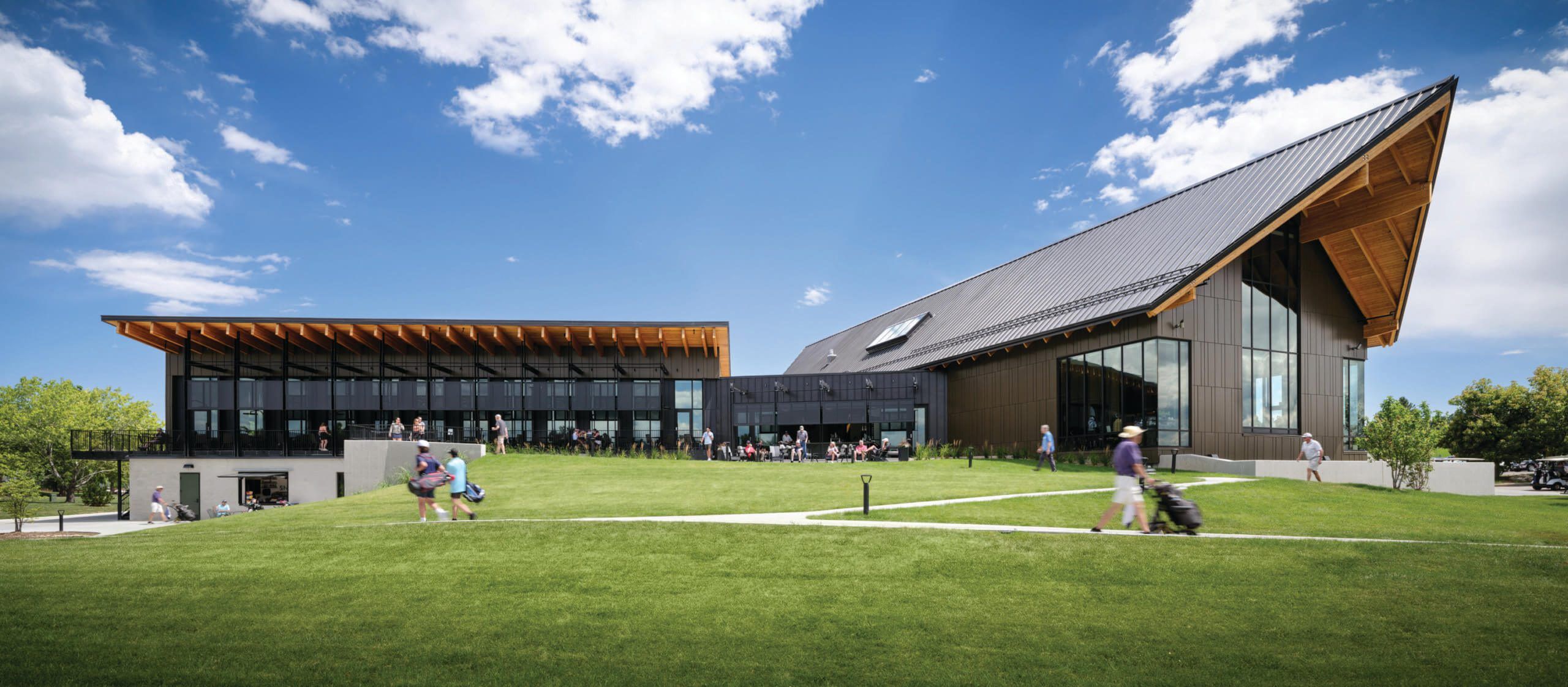
Foothills Golf Course
Denver, Colorado
Architect: JNS Architecture + Interior Design
Interior Design Firm: JNS Architecture + Interior Design
Contractor: Adolfson & Peterson Construction
Cost: Not disclosed
Foothills Golf Course set out to refresh its original 1974 clubhouse by creating a welcoming, modern space that balances approachable charm with aspirational design — and strengthens its role as a community hub.
The renovation introduced a flexible layout that supports both casual gatherings and larger events. The restaurant and event areas open onto terraces overlooking the 18th hole, reinforcing the connection between indoor spaces and the course.
A defining element of the original building — the elevated main level — was preserved and enhanced to provide panoramic views and a sense of arrival. The redesign added direct course access, restrooms positioned for minimal play disruption and a walk-up café at the cart barn, which now includes integrated wash bays and space for future charging stations.
Dining and lounge areas were expanded and now connect directly to the bar and shaded outdoor seating, allowing for year-round use.
At the heart of the building is an exposed mass timber structure that adds natural warmth and reduces environmental impact. Other sustainable features include a highly insulated metal rainscreen, performance glazing and west-facing shade structures that limit solar heat gain without sacrificing views.
What the judges said:
“Outstanding in the execution of all criteria: architectural and interior design plan efficiency, holistic aesthetics, realizing the project vision that embraces strong sense of community and sustainable objectives utilizing mass timber construction.” – Lee Hyden
SECOND PLACE
Old Course
Vilamoura, Algarve, Portugal
Architect: Nuno Rodrigues
Interior Design Firm: Nuno Rodrigues
Contractor: ABD-C
Cost: $2.2 Million
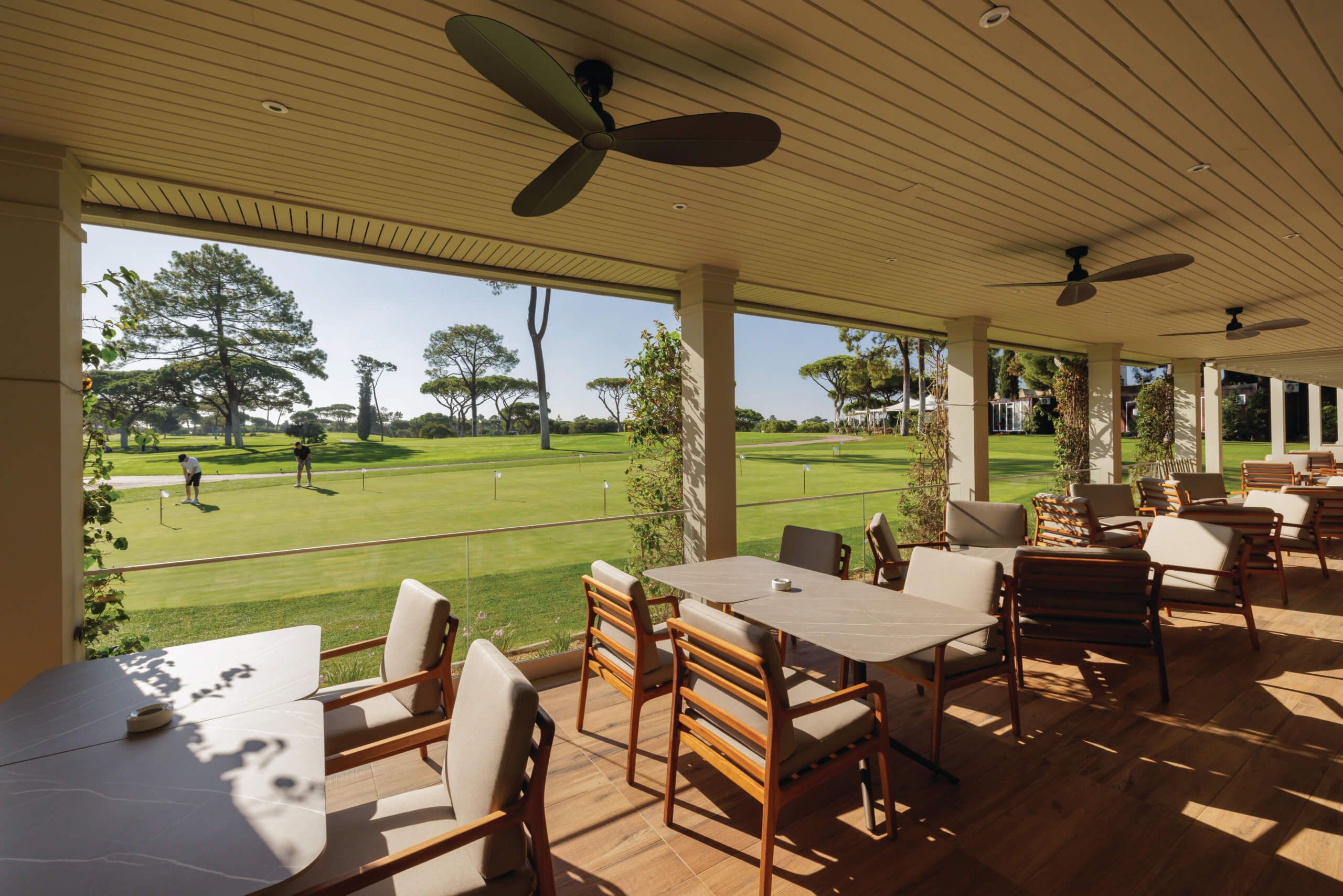
The Old Course needed a new clubhouse to match its course renovation — one that honored tradition while embracing the future.
A central feature of the design is the circular flow between the pro shop and restaurant, which encourages movement, interaction and seamless integration of retail and hospitality. Round dining tables add a social, welcoming touch, reinforcing a sense of community.
Efficiency was a key goal. The proximity of main service areas allows staff to maintain high service standards across spaces. Outside, the terrace offers panoramic views of holes 1 and 18, with clear sightlines to the driving range, buggy house and arrival area to help guests orient themselves quickly.
Natural light and airflow were also priorities. Large windows and an open-plan layout reduce the need for artificial lighting and air conditioning by maximizing sunlight and encouraging cross-ventilation.
Sustainability is embedded throughout. The clubhouse features furniture and signage made from 100% recycled plastic. It also benefits from the club’s broader environmental efforts, including advanced irrigation systems and drought-resistant grasses that significantly cut water use.
“The result is a truly handcrafted environment, where every detail reflects a commitment to excellence and authenticity,” said Nuno Rodrigues, creative director. “This transformation celebrates not only legacy, but also the power of design to elevate golfers experience.”
THIRD PLACE
Pearl at Kalauao
Aiea, Hawaii
Architect: Bryce Uyehara
Interior design firm: Bryce Uyehara
Clubhouse contractor: Quality General, Inc.
Cost: Not disclosed
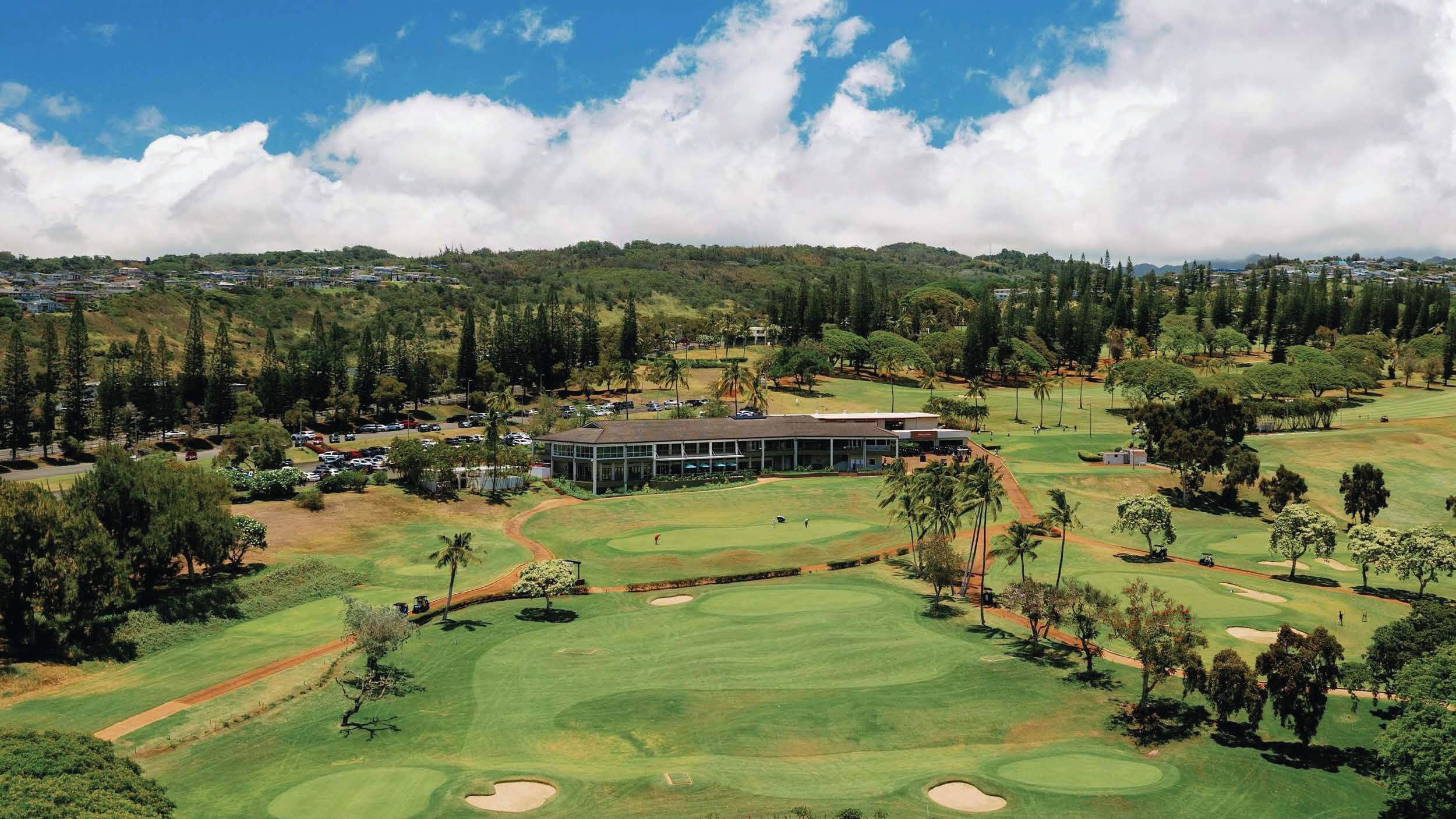
Originally built in the 1980s, Pearl at Kalauao’s 24,000-square-foot clubhouse had seen few updates beyond fresh paint. A recent renovation dramatically reimagined how the space is used—without changing its footprint.
The redesign corrected a long-standing circulation issue that forced guests to climb stairs to check in, only to descend again for play. The pro shop was relocated to the lower level, where it now benefits from better natural light, improved flow and increased retail space. It also incorporates a new snack shop offering grab-and-go food, drinks, and golf essentials.
The former pro shop has been transformed into a boardroom and meeting space, enhanced with natural wood finishes and improved lighting. The main banquet room was expanded to showcase second-story views, and additional outdoor dining areas were added to better integrate indoor and outdoor spaces.
The old clubhouse lacked an indoor bar—now remedied with a new social hub for members and guests. The kitchen was reconfigured for better flow, separating banquet prep from restaurant service and upgrading equipment for higher volume.
A new restaurant and revamped menu spotlight locally sourced meals and drinks. Players can now order food and beverages directly from the course, with on-cart delivery from the enlarged kitchen and bar.
“This transformation was an investment in future generations, ensuring that they can now continue to enjoy makes our club and community so special,” said Ed Kageyama, general manager.
(This story originally ran in the September/October 2025 issue of Golf Inc.)