

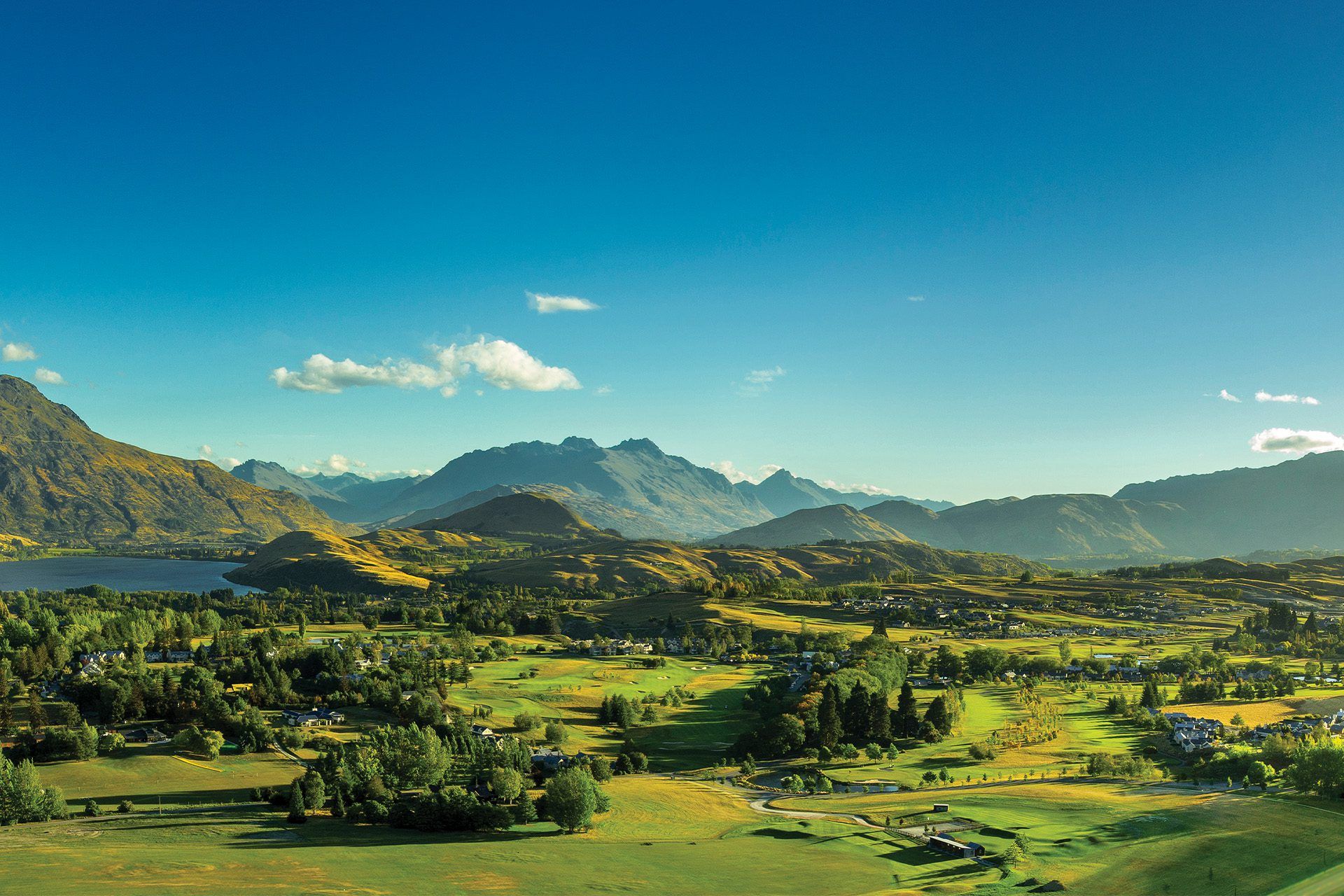
These award-winning courses from the past 10 years showcase how creativity, strategy and respect for the land continue to shape the future of golf.
————
In the last 10 years, golf development has entered a new era — one defined by creativity, restraint and a deeper connection to the land. The best new courses no longer rely on grandeur alone; instead, they reflect thoughtful design, environmental sensitivity and a focus on the pure joy of play.
Over the past decade, Golf Inc. has honored standout new courses through its Development of the Year competition. These golf courses combine aesthetics with outstanding play and business sense.
This feature ranks winners based on their scores when they opened. These projects have not only stood out upon opening but have continued to influence golf design and inspire players worldwide.
From dramatic destination layouts that embrace bold architecture to community-centered courses built with sustainability in mind, these developments tell a story of evolution in the game. They reveal how collaboration among architects, developers and operators can transform landscapes into lasting golf experiences.
Each course in this collection embodies the balance between beauty and function that defines today’s best golf design. Many have become benchmarks for how to merge strategy, sustainability and aesthetics, using natural contours, modern agronomy and a strong sense of place to create unforgettable rounds.
This retrospective celebrates not only the artistry of golf design but also the enduring vision behind these projects. A decade later, their impact remains clear: great golf courses aren’t just built — they’re crafted to stand the test of time.
No. 1 – Point Hardy Golf Club at Cabot Saint Lucia

Cap Estate, Gros Islet, Saint Lucia
Owner/Developer: The Cabot Collection
Architects: Bill Coore & Ben Crenshaw
Greens Fees: Around $445; includes caddy, snacks and other amenities
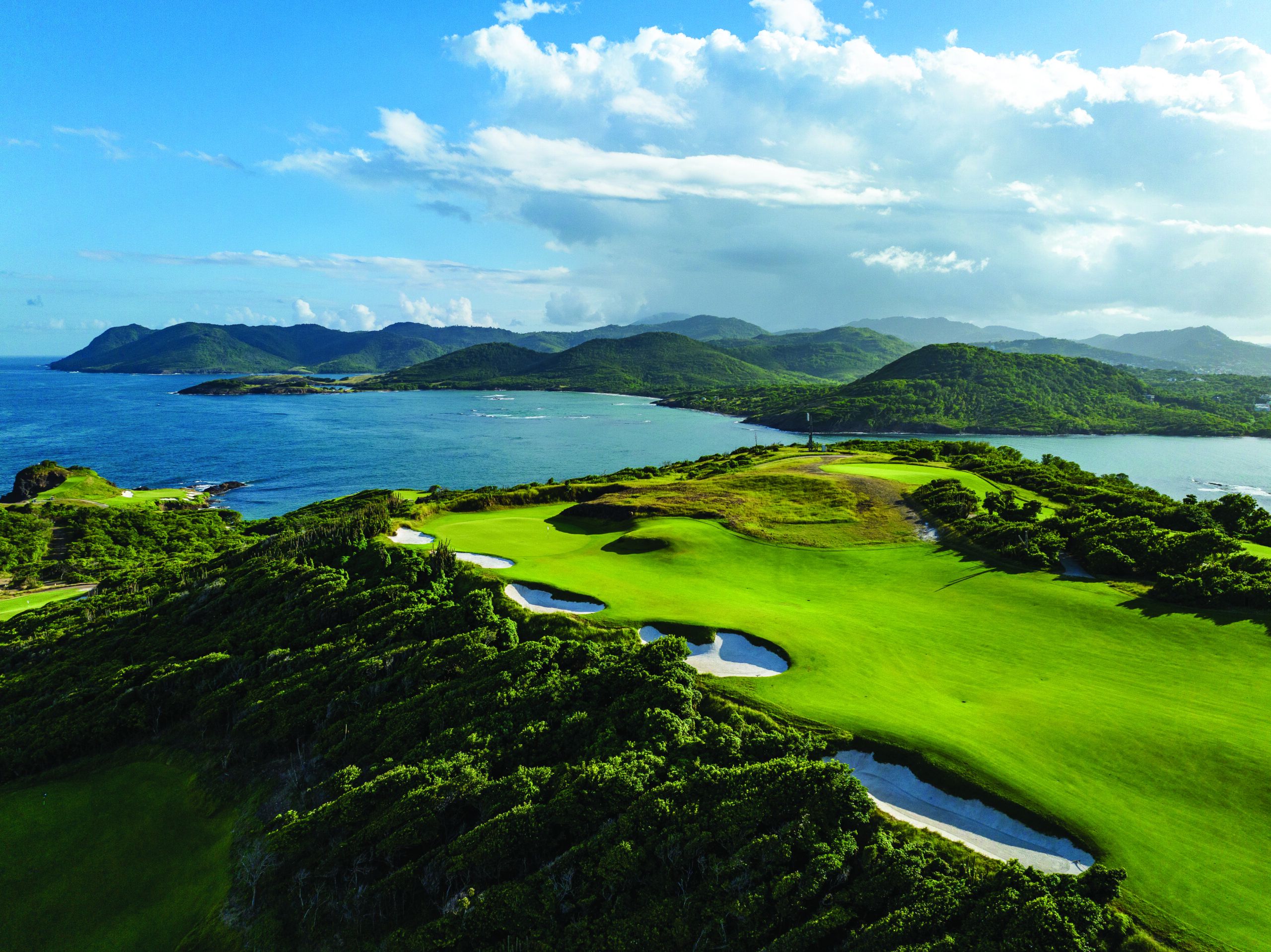
Designed by Bill Coore and Ben Crenshaw, Point Hardy Golf Club marks the duo’s first Caribbean course and one of their most striking. Routed through lush valleys, rocky cliffs and stretches of sandy beach, the layout showcases nine oceanfront holes and sweeping views from every tee. Coore called it “the most visually stunning piece of land we have ever worked with.” The design balances beauty with playability, blending natural topography and a volcanic coastline into a course that feels both dramatic and seamless. Sustainable elements include drought-tolerant turf irrigated with stored rainwater and on-site desalination plants to protect the island’s fresh water. Residences range from hilltop villas to beachfront homes, built with materials chosen for ecological sensitivity and harmony with the landscape.
No. 2 – Forest Dunes — The Loop
Roscommon, Michigan, United States
Developer: Lew Thompson
Architect: Tom Doak, Renaissance Golf Design
Greens Fees: $145 to $215 (Peak season is May 29 to September 28)
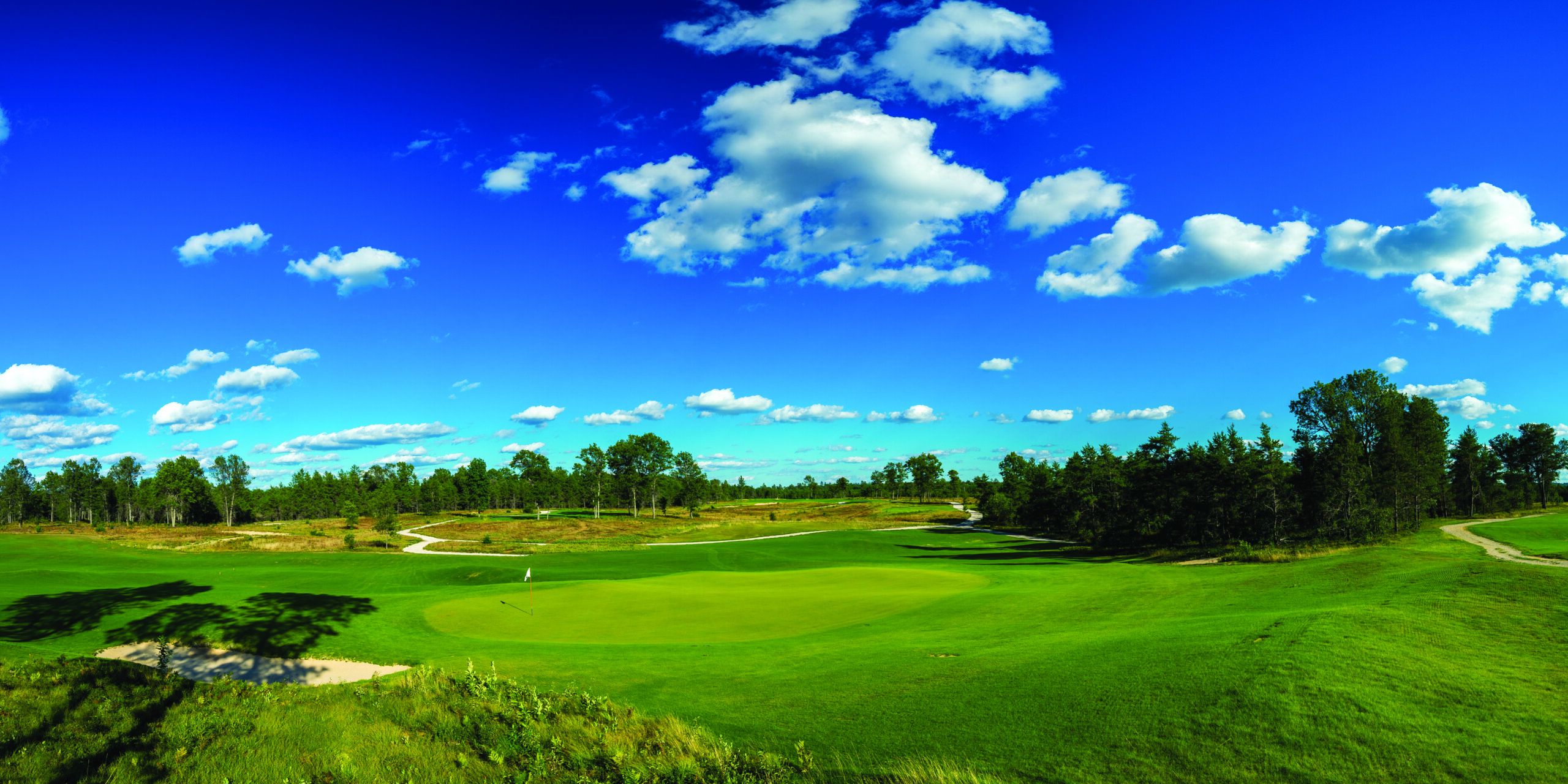
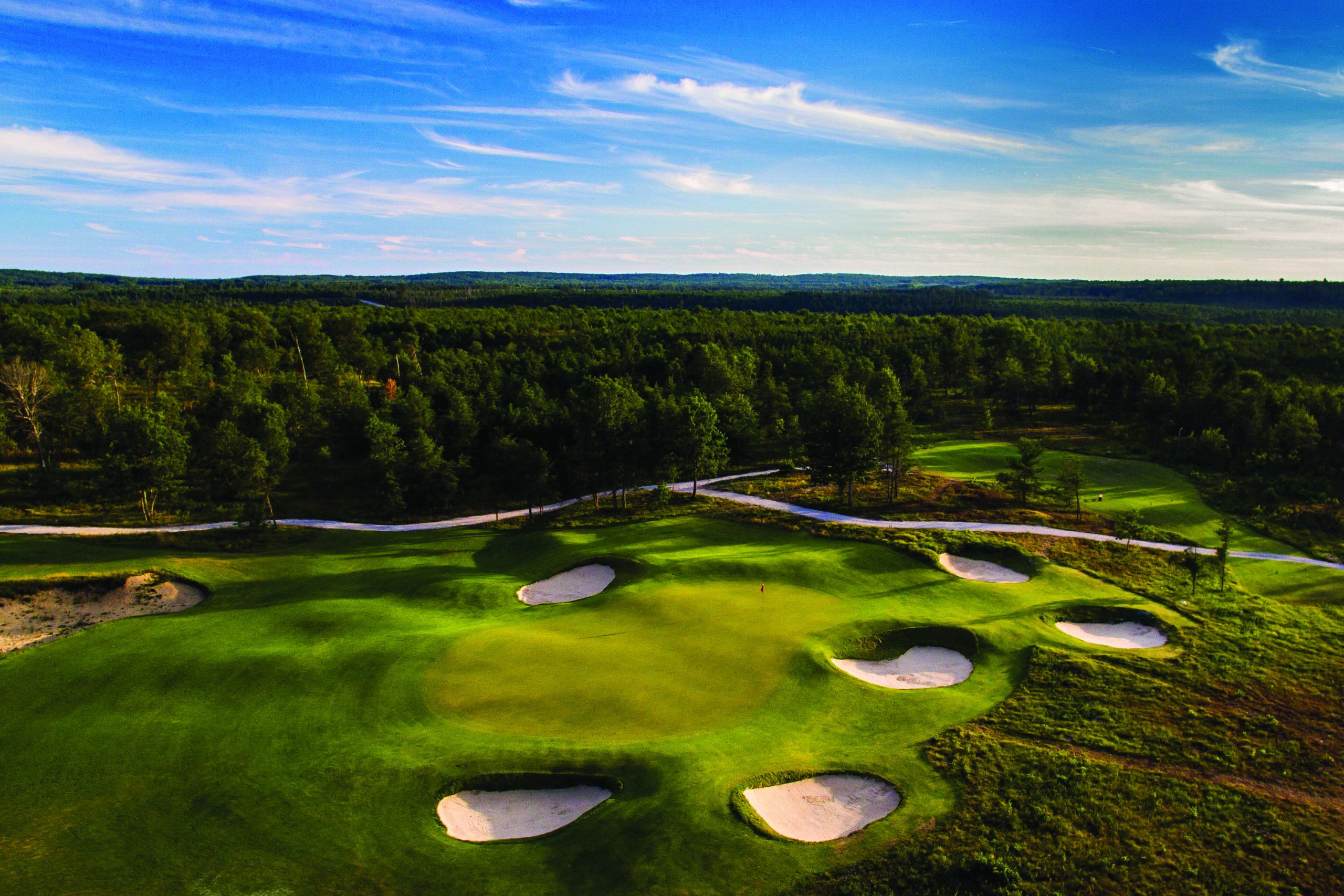
At Michigan’s Forest Dunes, architect Tom Doak redefined innovation with The Loop, North America’s only reversible 18-hole course. Played one direction one day and the opposite the next, it transforms strategy and flow with each round. Built to complement Tom Weiskopf’s original design, The Loop turned Forest Dunes into a true golf destination — one that keeps players coming back for a completely new experience every time.
No. 3 – New Course at Les Bordes Golf Club
Saint-Laurent-Nouan, France
Architect: Gil Hanse, Hanse Golf Design
Contractor: SOL Golf
Greens Fees: €160 when accompanied by a member; €375 when unaccompanied
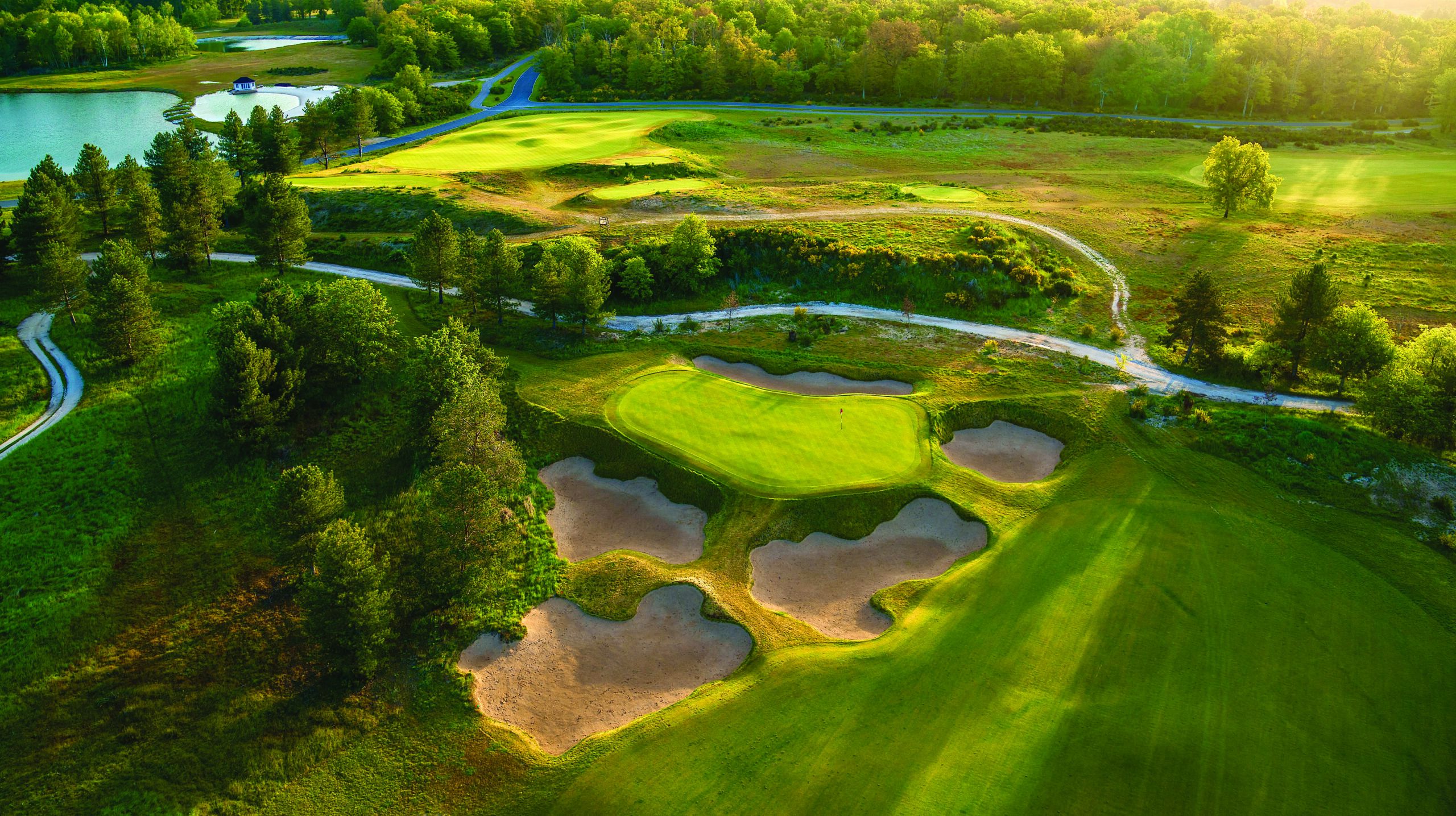
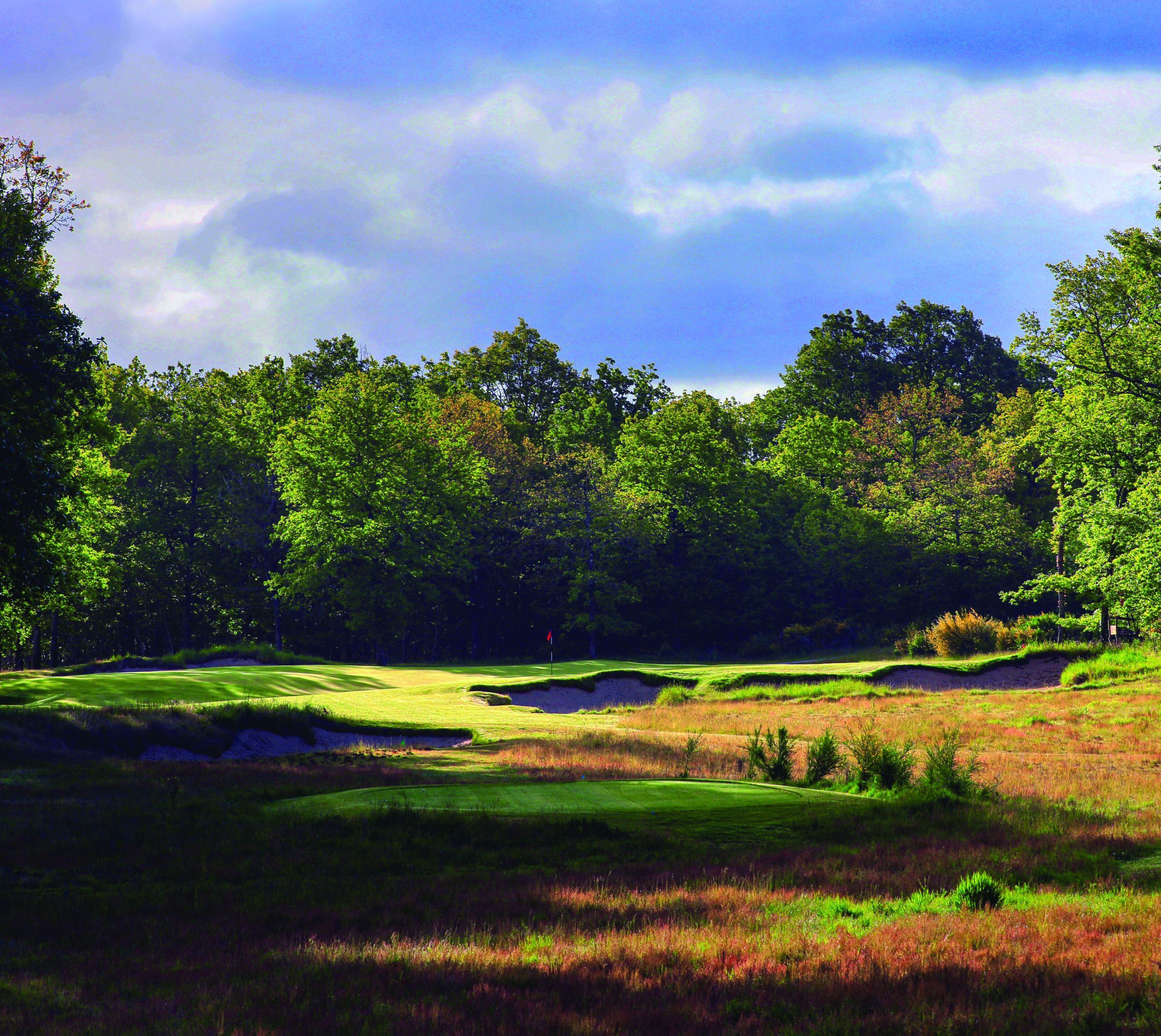
At France’s Les Bordes Golf Club, Gil Hanse’s New Course complements the famed Old Course with a fast, heathland-style design that flows through forests of pine, birch and oak. Sustainability was central to the project, from 250,000 heather plants supporting local wildlife to recycled materials and reduced irrigation. Paired with Hanse’s 10-hole short course, Wild Piglet, the New Course reinforces Les Bordes as one of Europe’s premier golf destinations.
No. 4 – The International Olympic Academy Golf Course and The Hills Course at Navarino Hills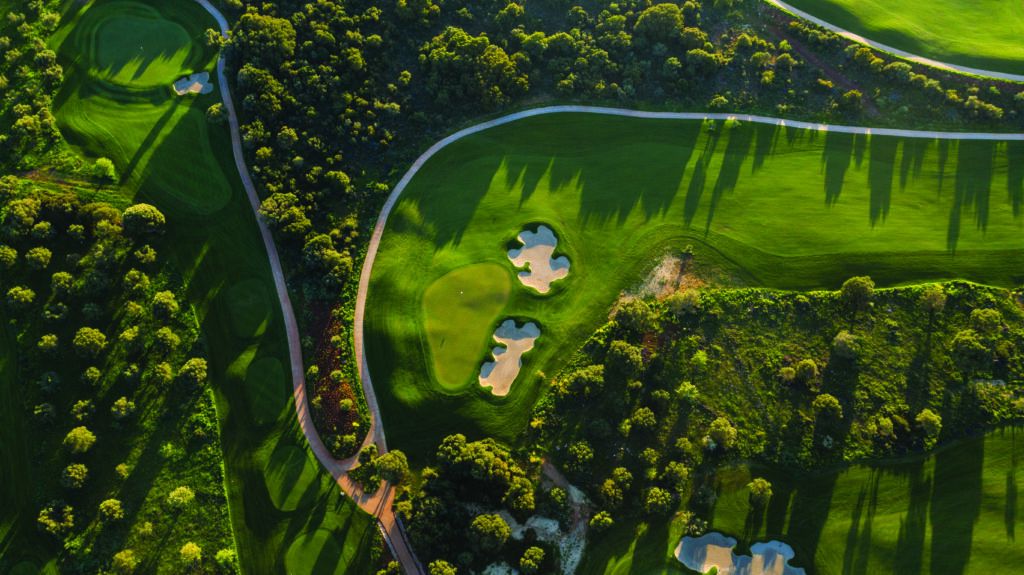
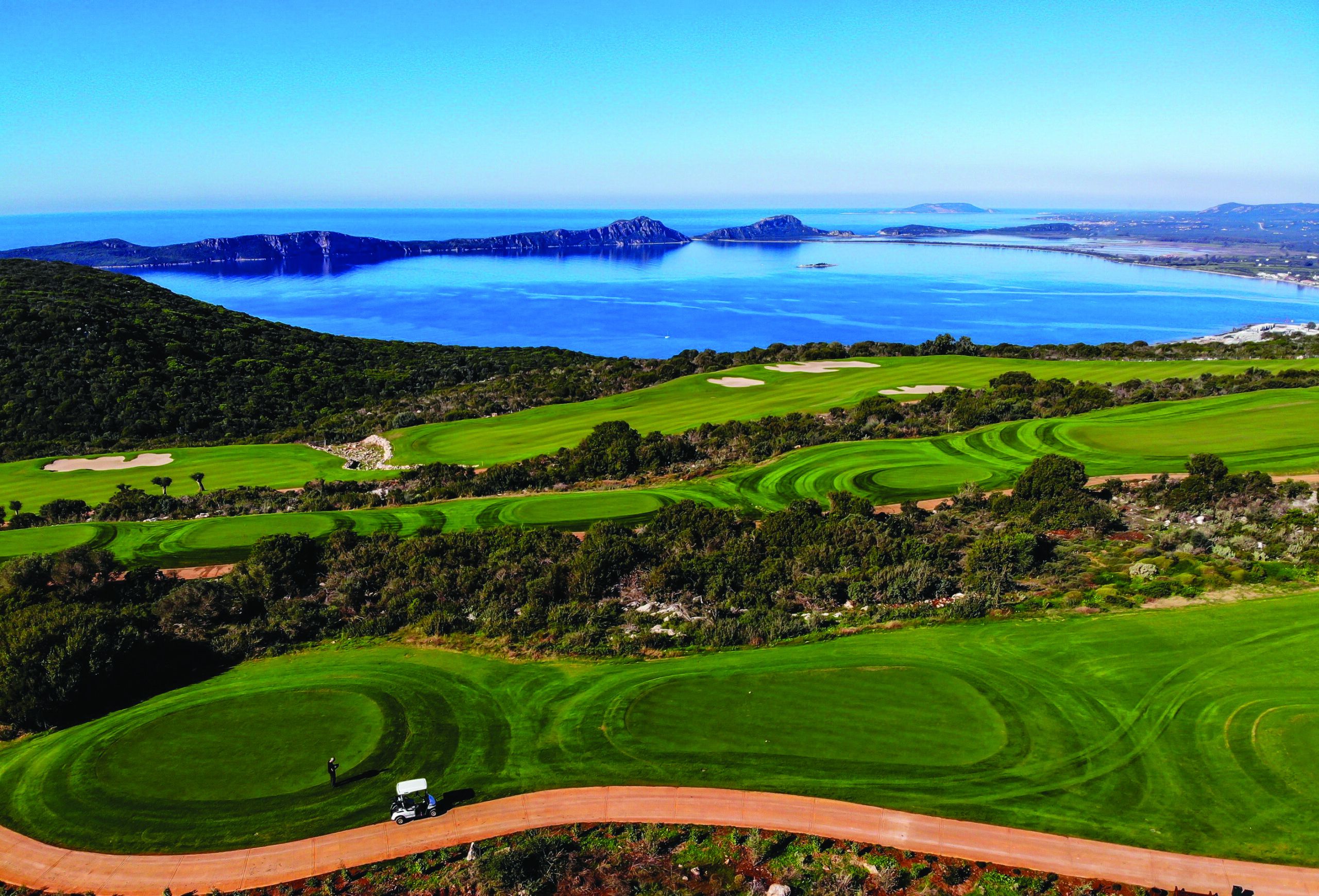
Messinia, Greece
Owner/Developer: Panorama S.A.
Architect: José María Olazábal, Olazábal Design
Greens Fees: €279; Winter rate (December 9 to February 28) €125
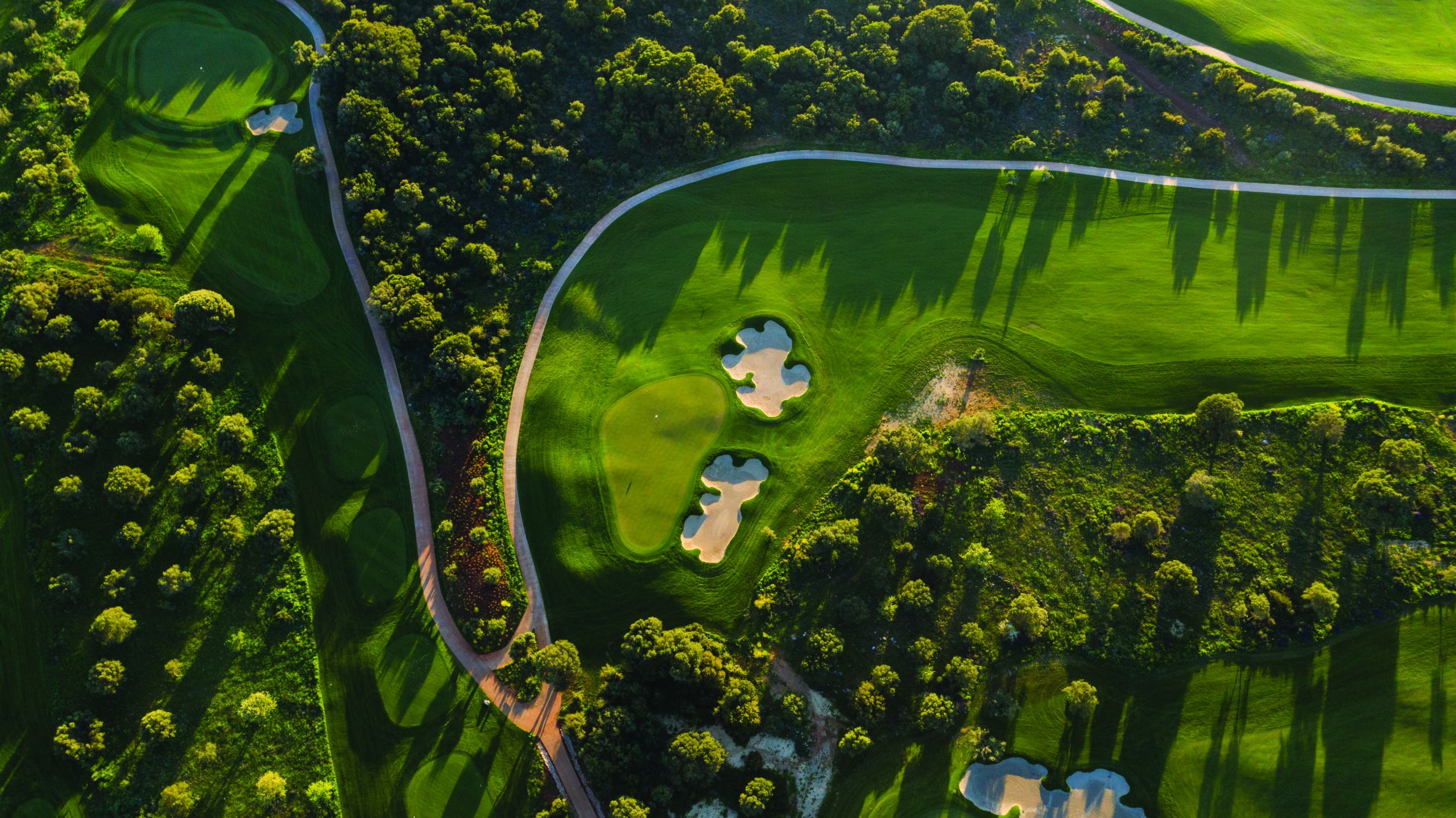
Costa Navarino’s two newest 18-hole courses, designed by José María Olazábal, expand the resort’s reputation as Europe’s premier golf destination. The International Olympic Academy Course overlooks the Bay of Navarino, while The Hills Course winds through olive trees and rugged ravines. Blending seamlessly with the Greek landscape, both layouts reflect Olazábal’s respect for nature and strategy — a modern tribute to golf’s timeless artistry.
No. 5 – Cabot Cliffs
Inverness, Nova Scotia, Canada
Developers: Ben Cowan-Dewar & Mike Keiser
Architects: Bill Coore & Ben Crenshaw
Greens Fees: $197 to $329 (Peak season is June 26 to September 13)
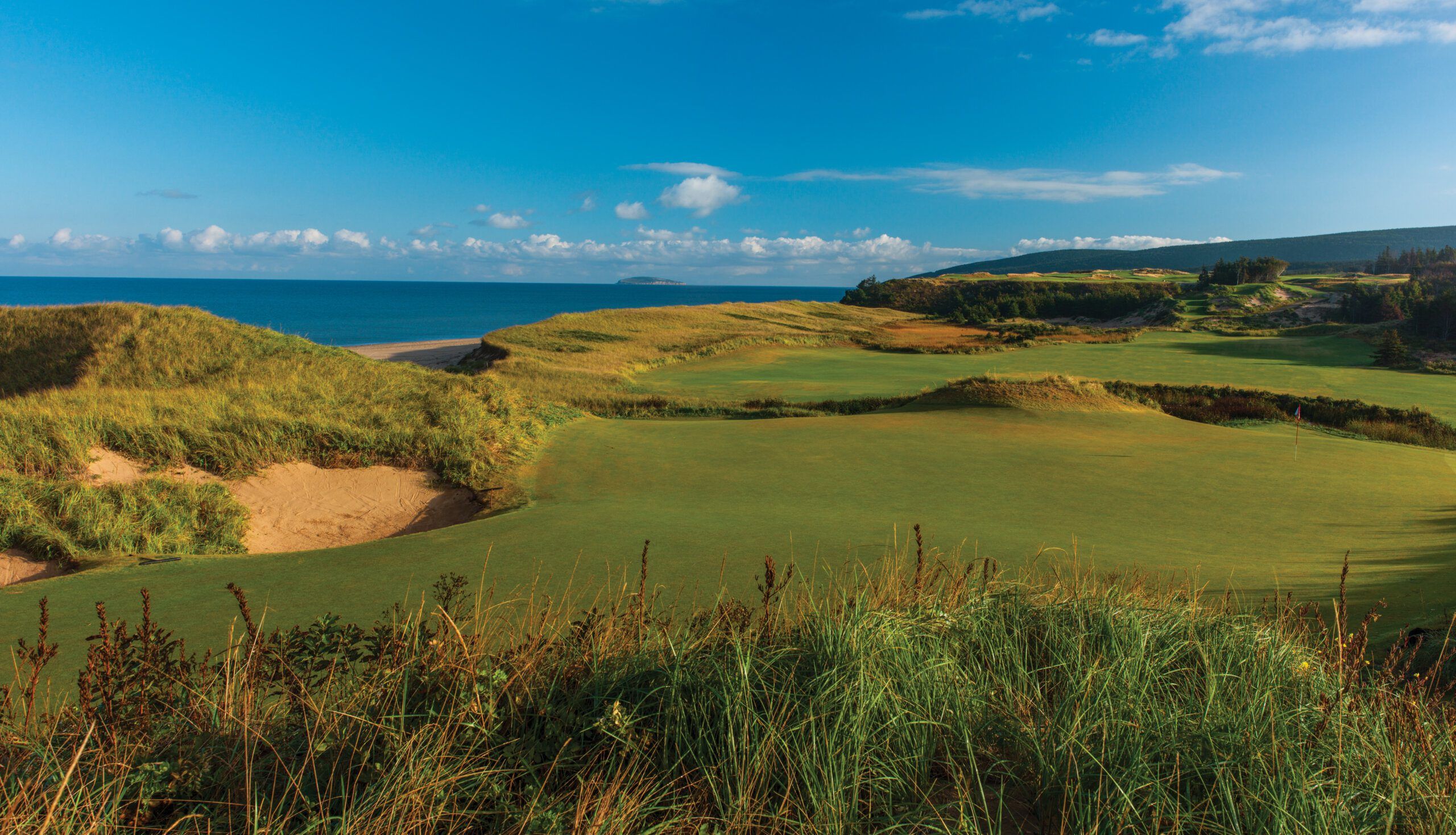
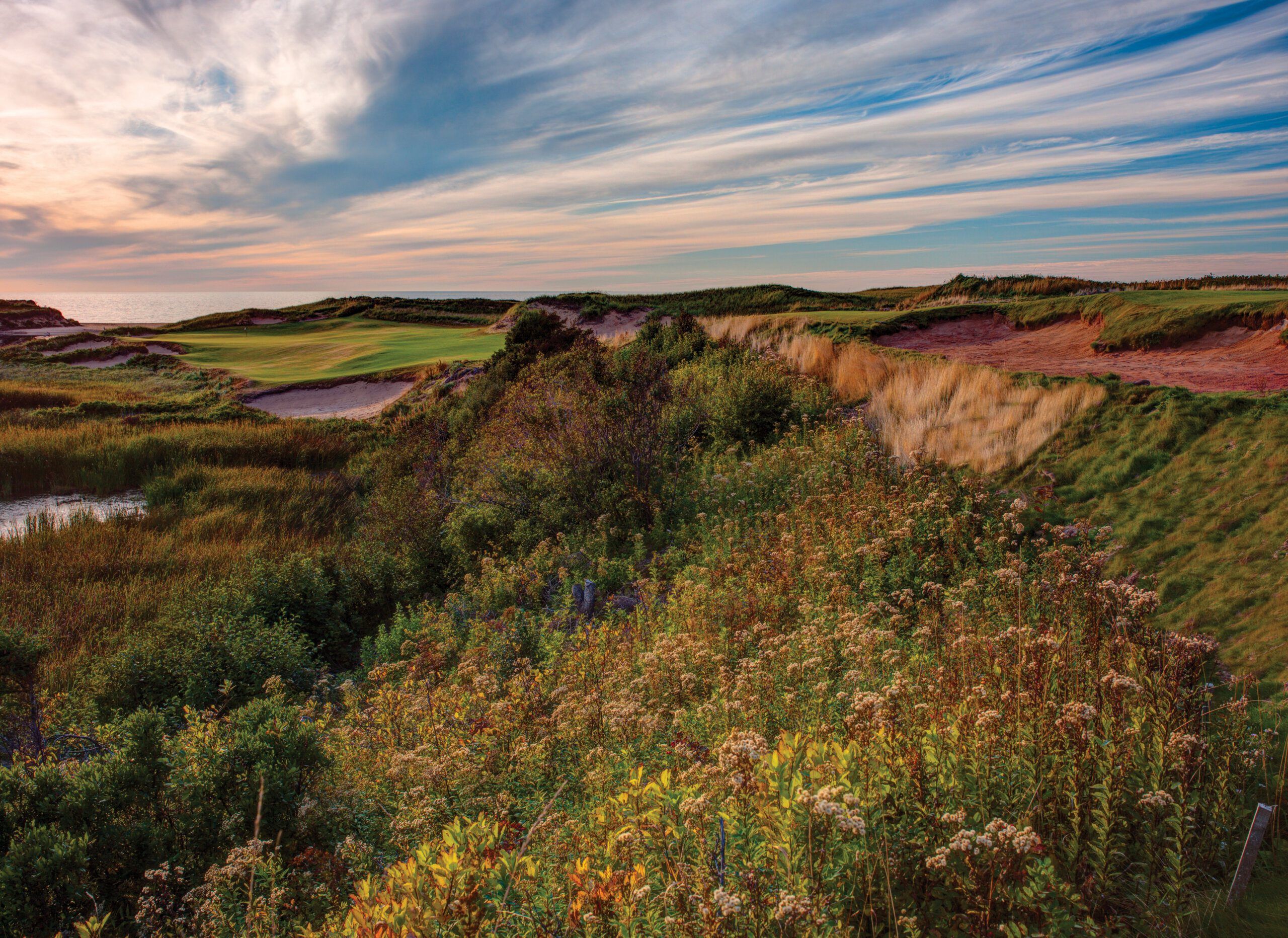
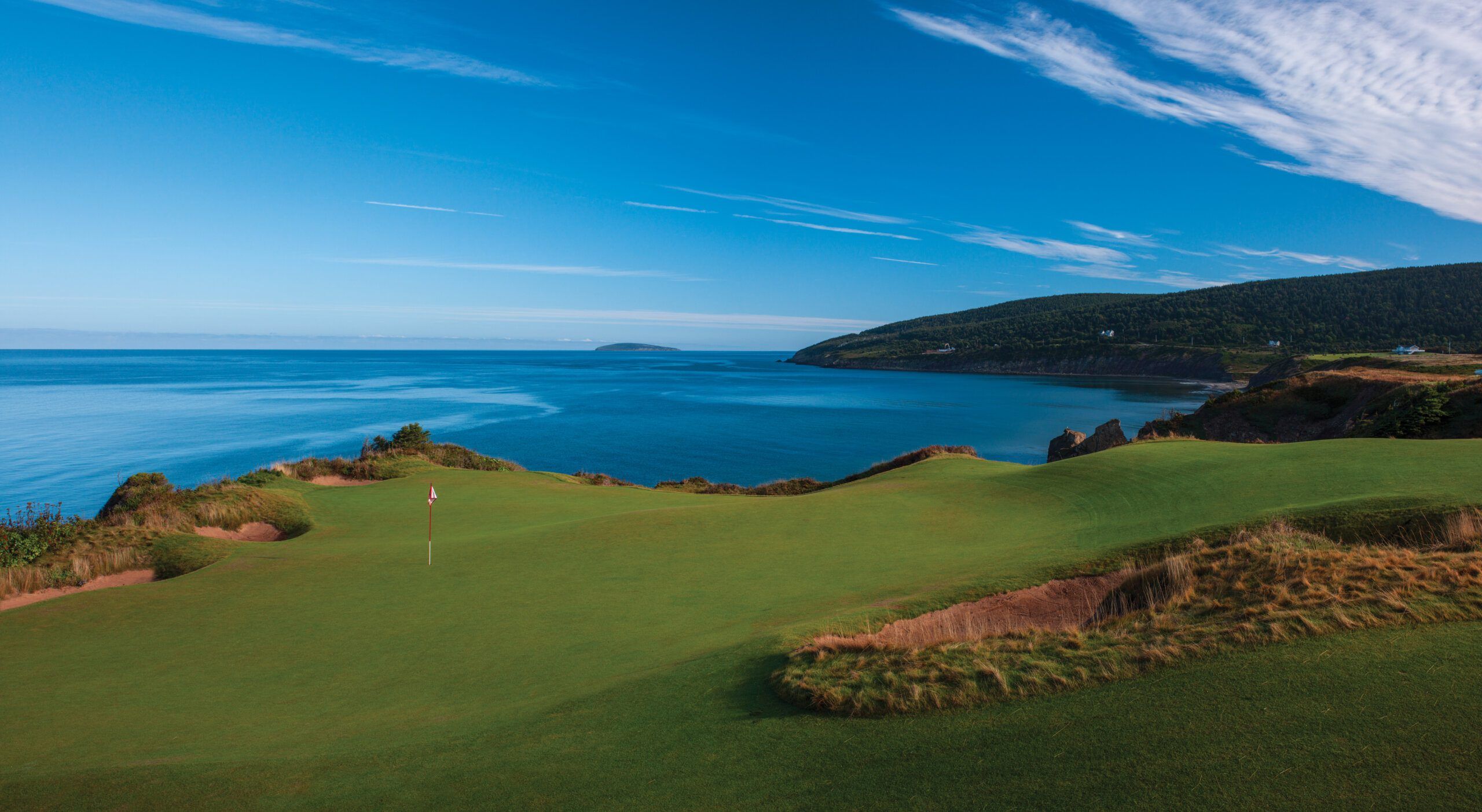
Perched on Nova Scotia’s rugged cliffs, Cabot Cliffs pairs minimalist design with breathtaking drama. Created by Bill Coore and Ben Crenshaw for developers Mike Keiser and Ben Cowan-Dewar, the course blends playability with challenge through its rare 6-6-6 routing of par-3s, par-4s and par-5s. Judges praised it as “a masterpiece of design” that feels born from the land — a course as beautiful as it is unforgettable.
No. 6 – Te Arai Links South Course
Auckland, New Zealand
Owner/Developer: Ric Kayne & Jim Rohrstaff, Te Arai Links
Architects: Bill Coore & Ben Crenshaw
Greens Fees: NZD $300-$500 (Peak season is November to April)
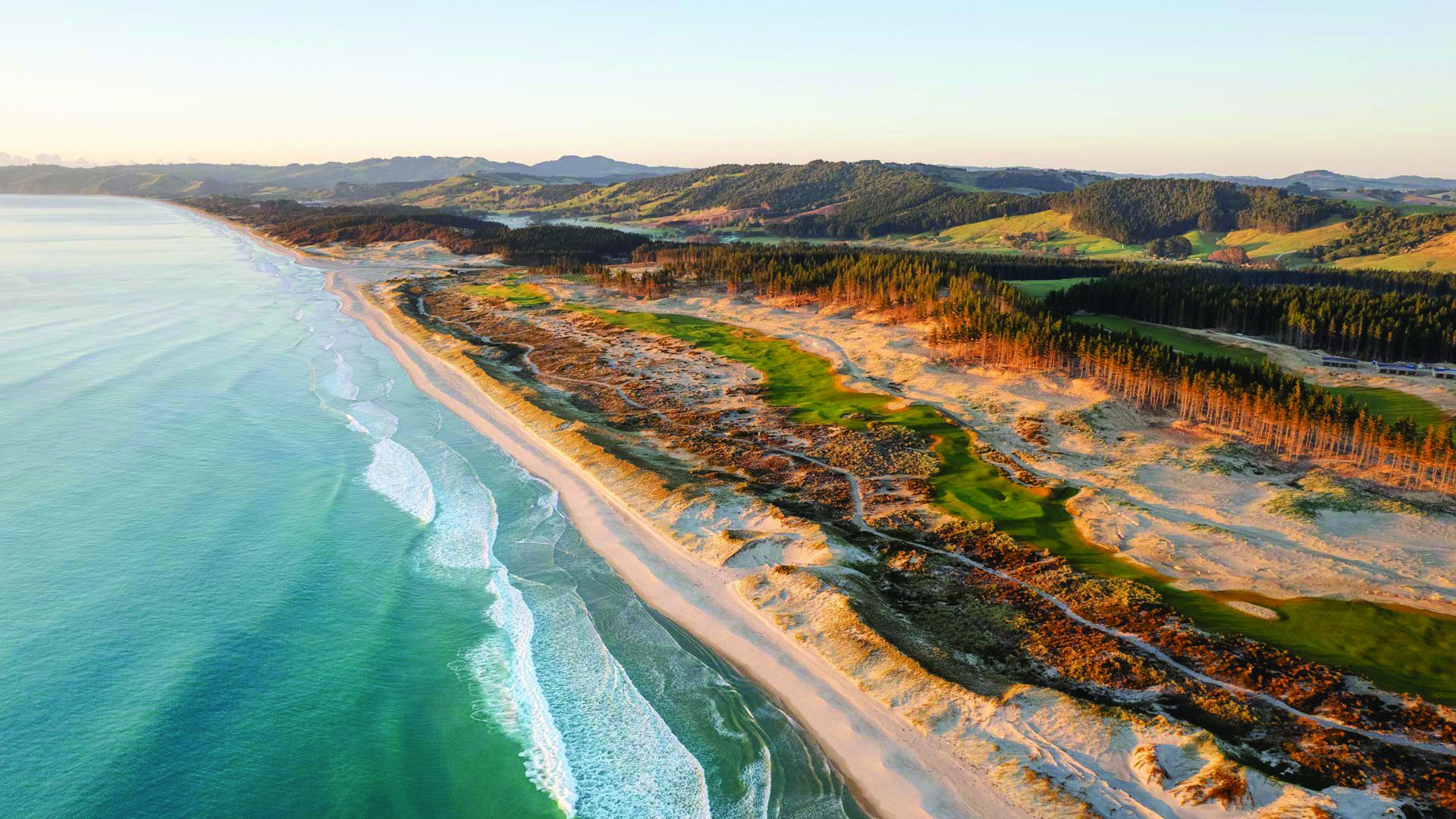
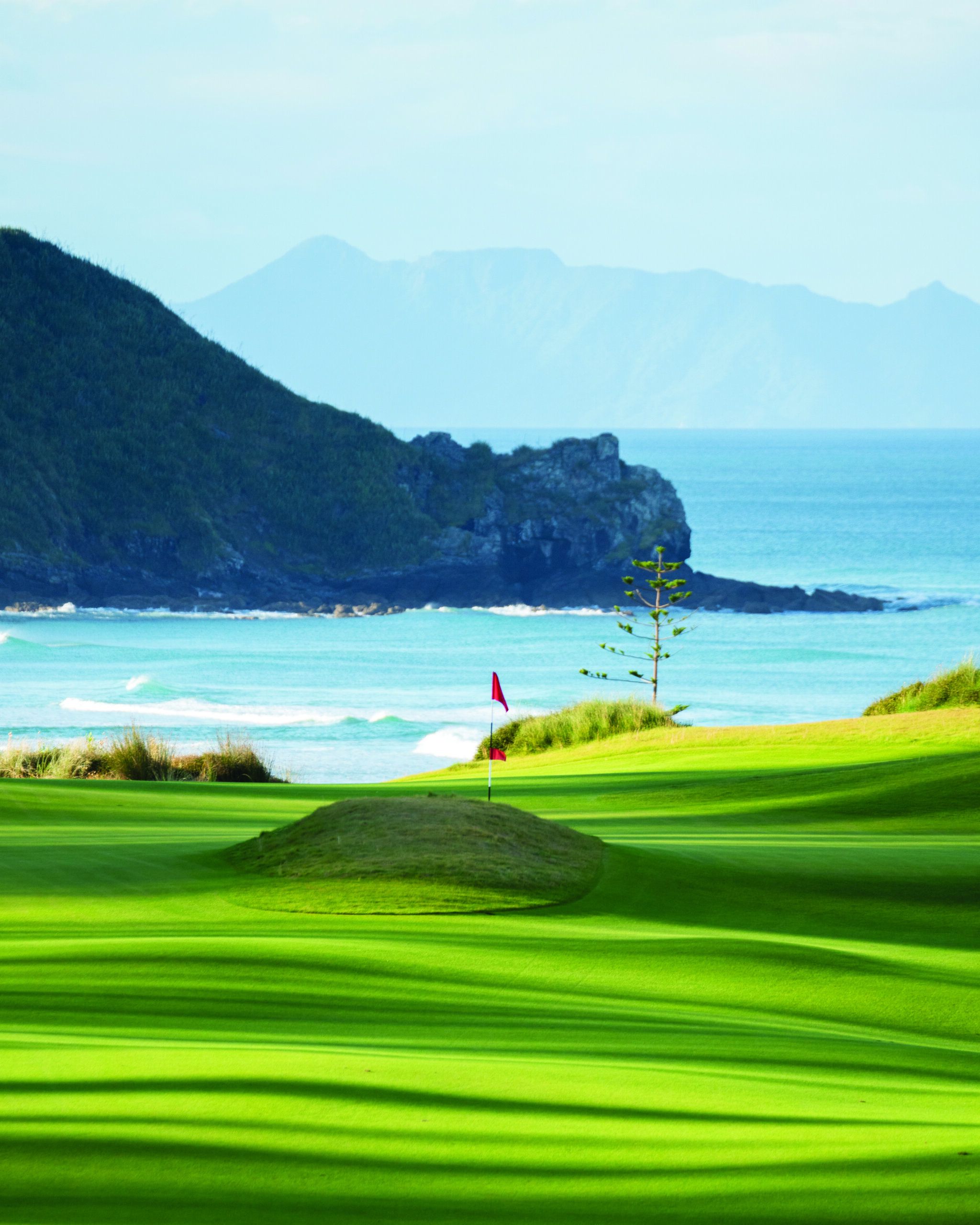
At New Zealand’s Te Arai Links, Bill Coore and Ben Crenshaw’s South Course delivers one of the world’s most striking seaside golf experiences. With ocean views from every par-3 and the sound of waves on half the holes, it blends strategy and serenity. Wide fairways, natural contours and classic design elements make it both welcoming and unforgettable.
“The architecture of the entire facility is outstanding. Makes me want to jump on a plane and get there.” — Tripp Davis
No. 7 – Streamsong Black
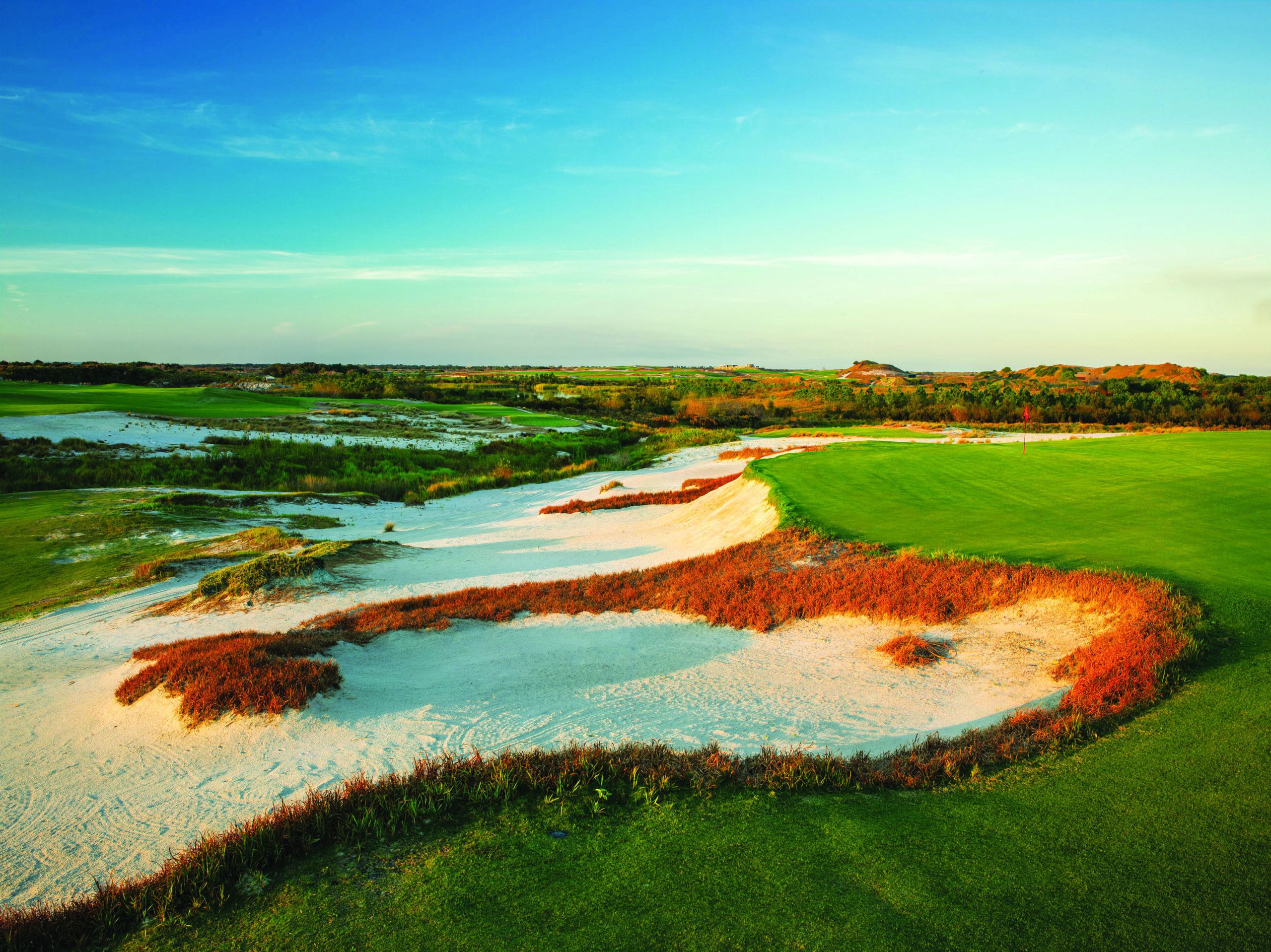
Streamsong, Florida, United States
Developer: Mosaic Co.
Architect: Hanse Golf Design
Greens Fees: $140 to $395 (Lower rates are for resort guests; peak season is October 1 to December 14)
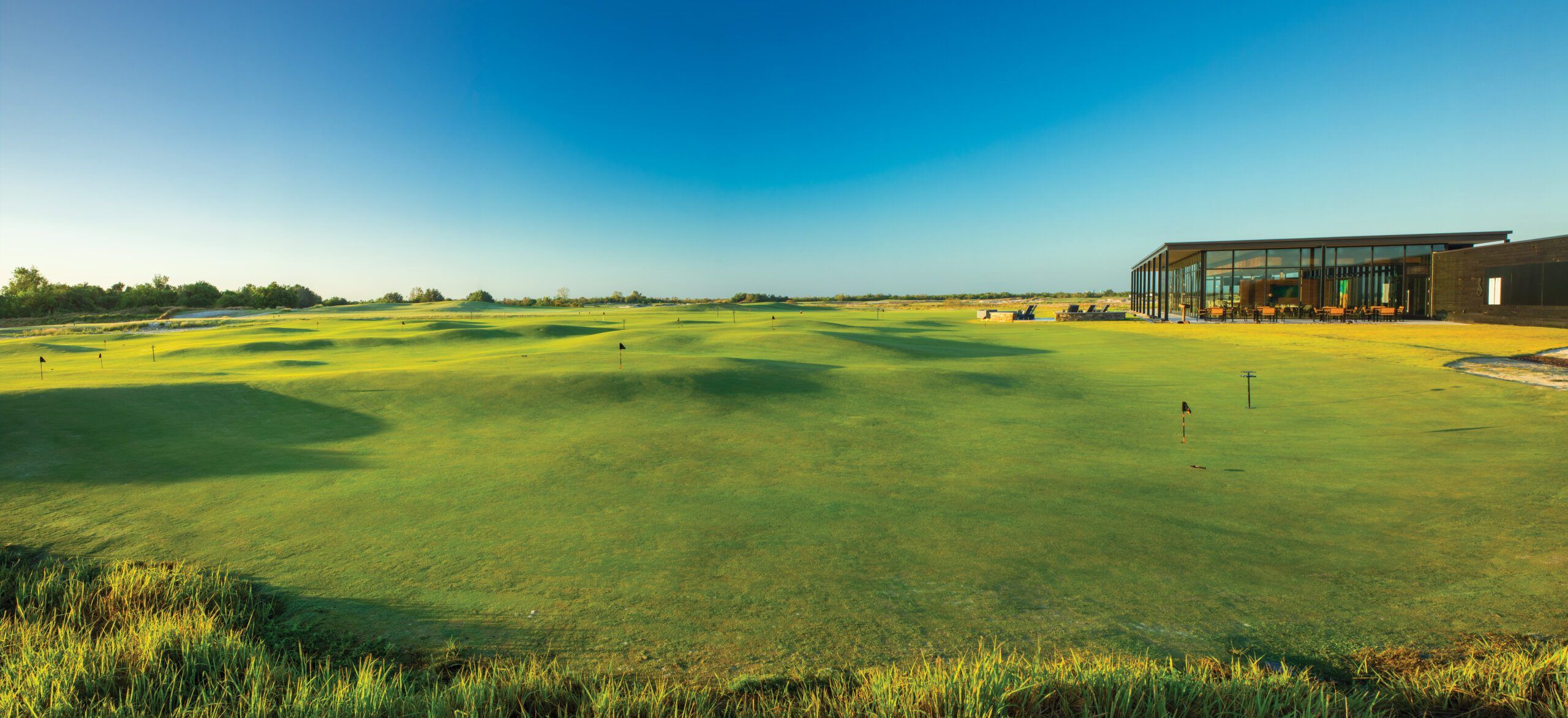
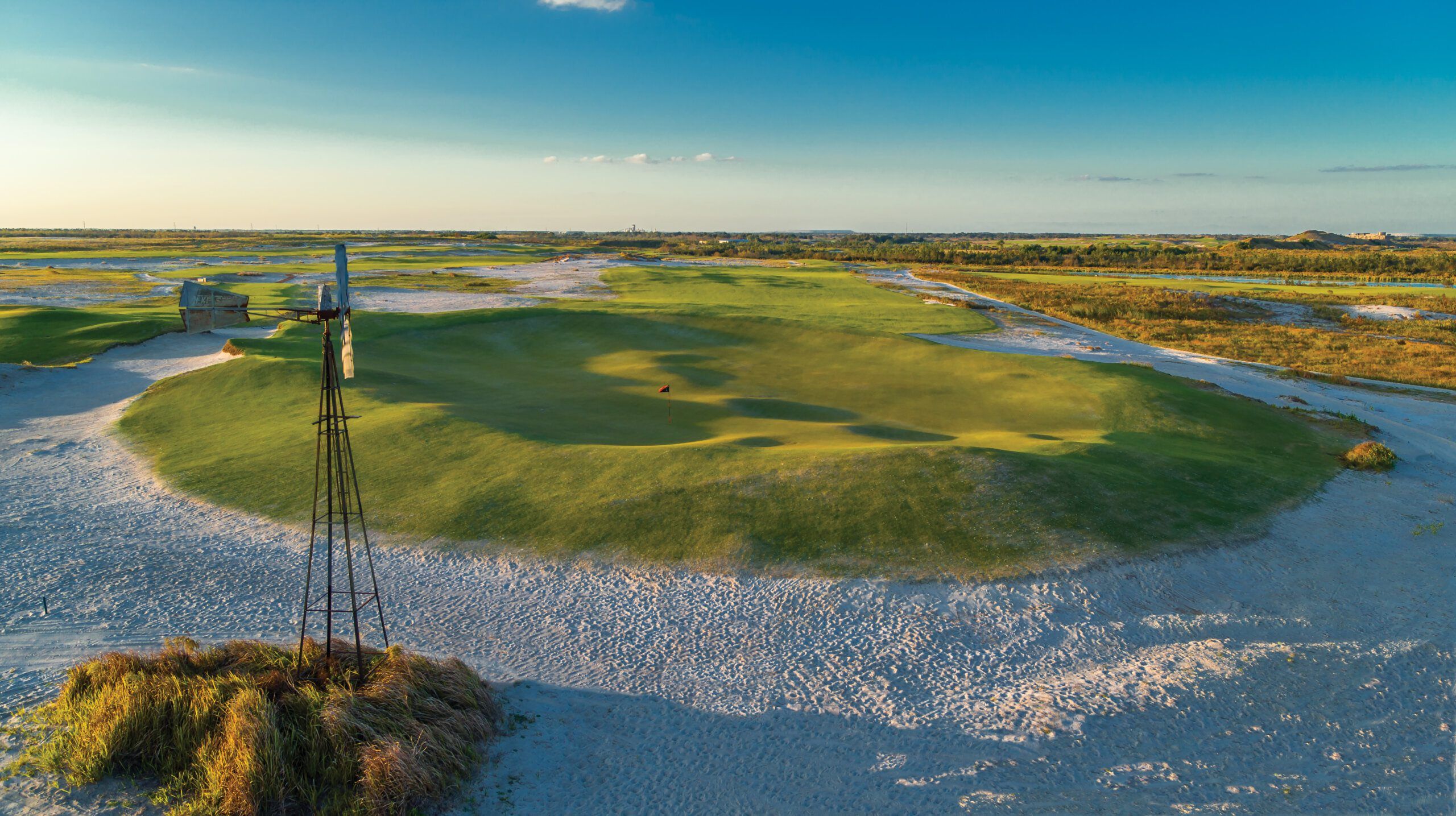
Built on a reclaimed phosphate mine, Streamsong Black redefines inland links golf. Gil Hanse and Jim Wagner crafted a flowing, minimalist design with firm fairways, bold ridges and a par-73 layout stretching over 7,300 yards. Complemented by The Roundabout and The Gauntlet putting course, it offers endless ways to play — a striking example of innovation, sustainability and beauty reborn from the land.
No. 8 – Omni PGA Frisco Resort & Spa
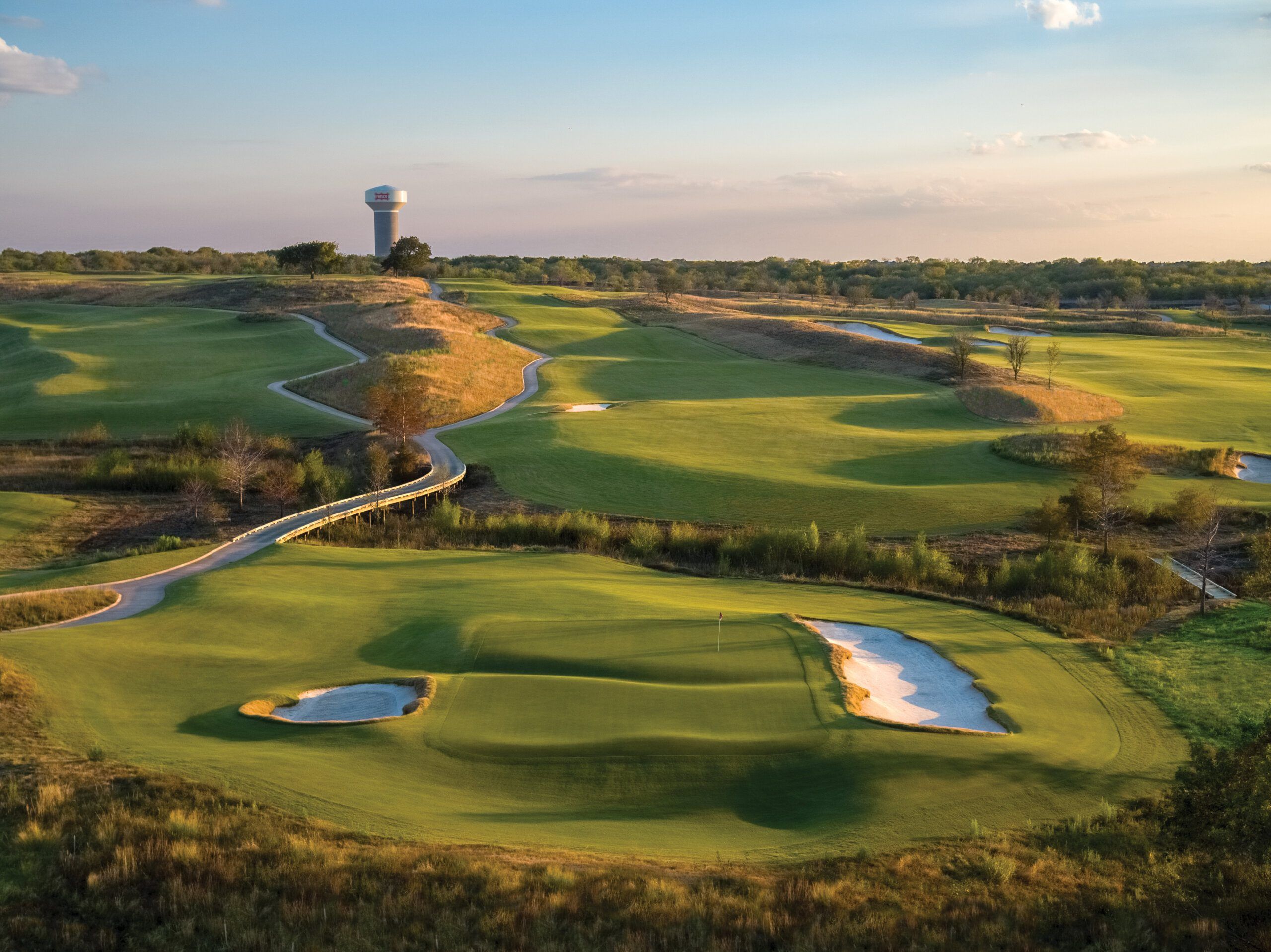
Frisco, Texas, United States
Owner/Developers: PGA of America, Omni Hotels, City of Frisco, Frisco Independent School District
Architects: Gil Hanse (East course), Beau Welling (West course)
Greens Fees: $275 to $325
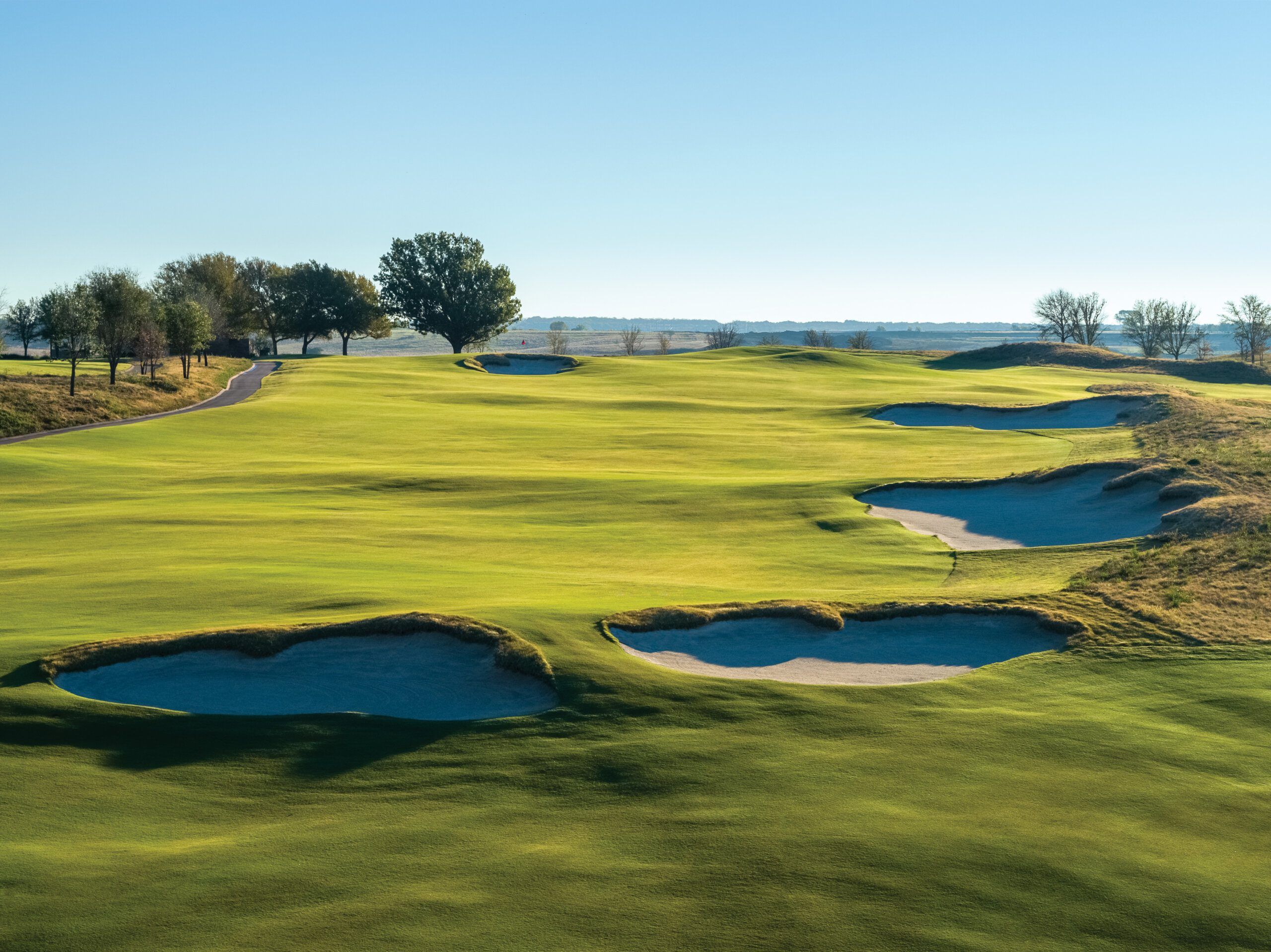
A collaboration between the PGA of America, the city of Frisco, Omni Hotels and the local school district, Omni PGA Frisco Resort & Spa sets a new standard for golf destinations. The Fields Ranch complex features two 18-hole courses — East by Gil Hanse and West by Beau Welling — designed for both championship play and everyday enjoyment. Hanse’s East course spans 7,800 yards with elevated greens and strategic runoffs, while Welling’s West course offers broader fairways and dramatic downhill drives. Beyond the fairways, the resort includes 12 restaurants and bars, three pools (including a rooftop adults-only pool), a two-acre putting course called The Dancefloor and the lighted short course Swing, creating a lively, all-hours golf experience.
No. 9 – Dumbarnie Links
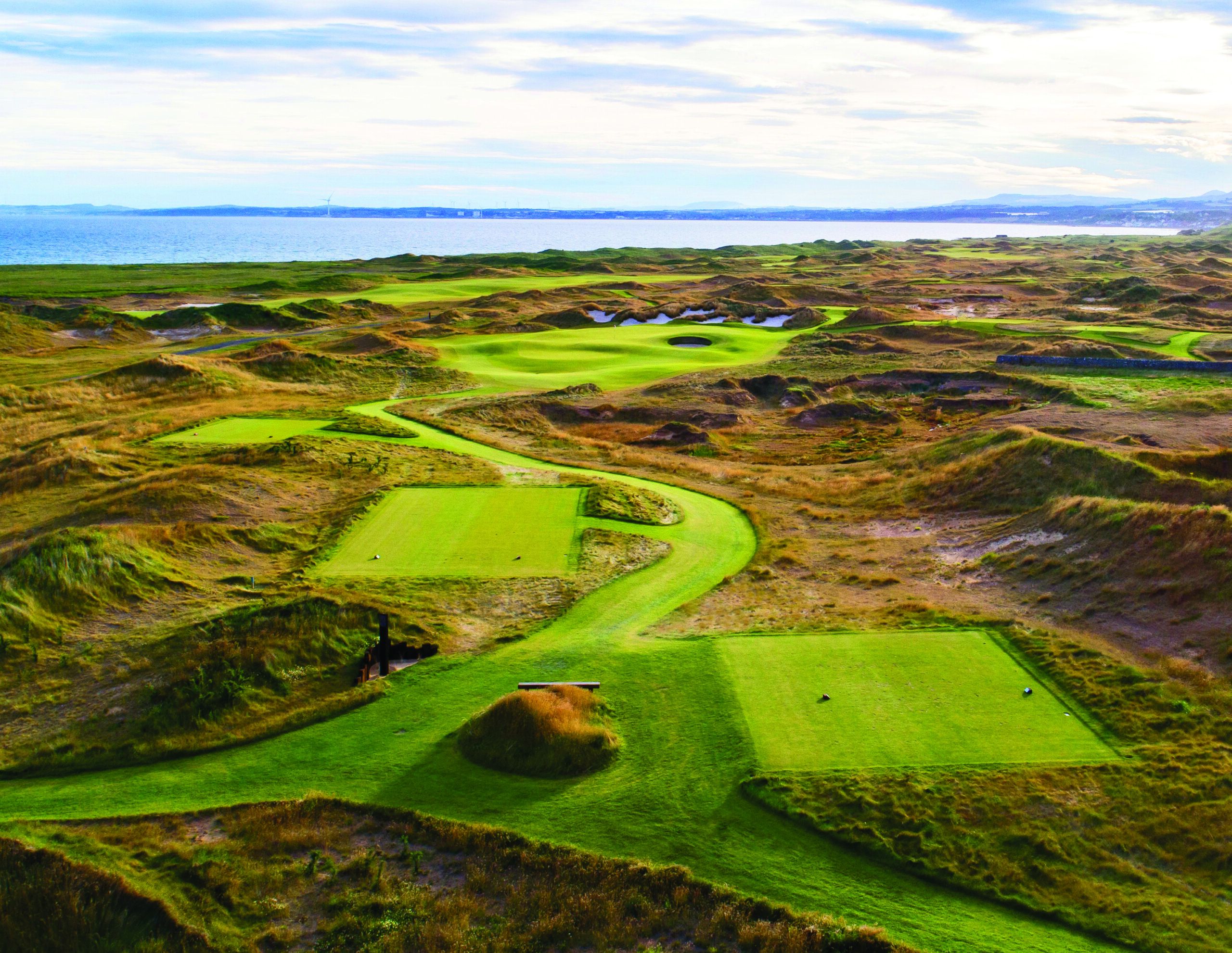
Leven, Scotland
Developer: DGL Investors LLC
Architect: Clive Clark Design
Greens Fees: £256 to £350 (Peak season is May 1 to October 29)
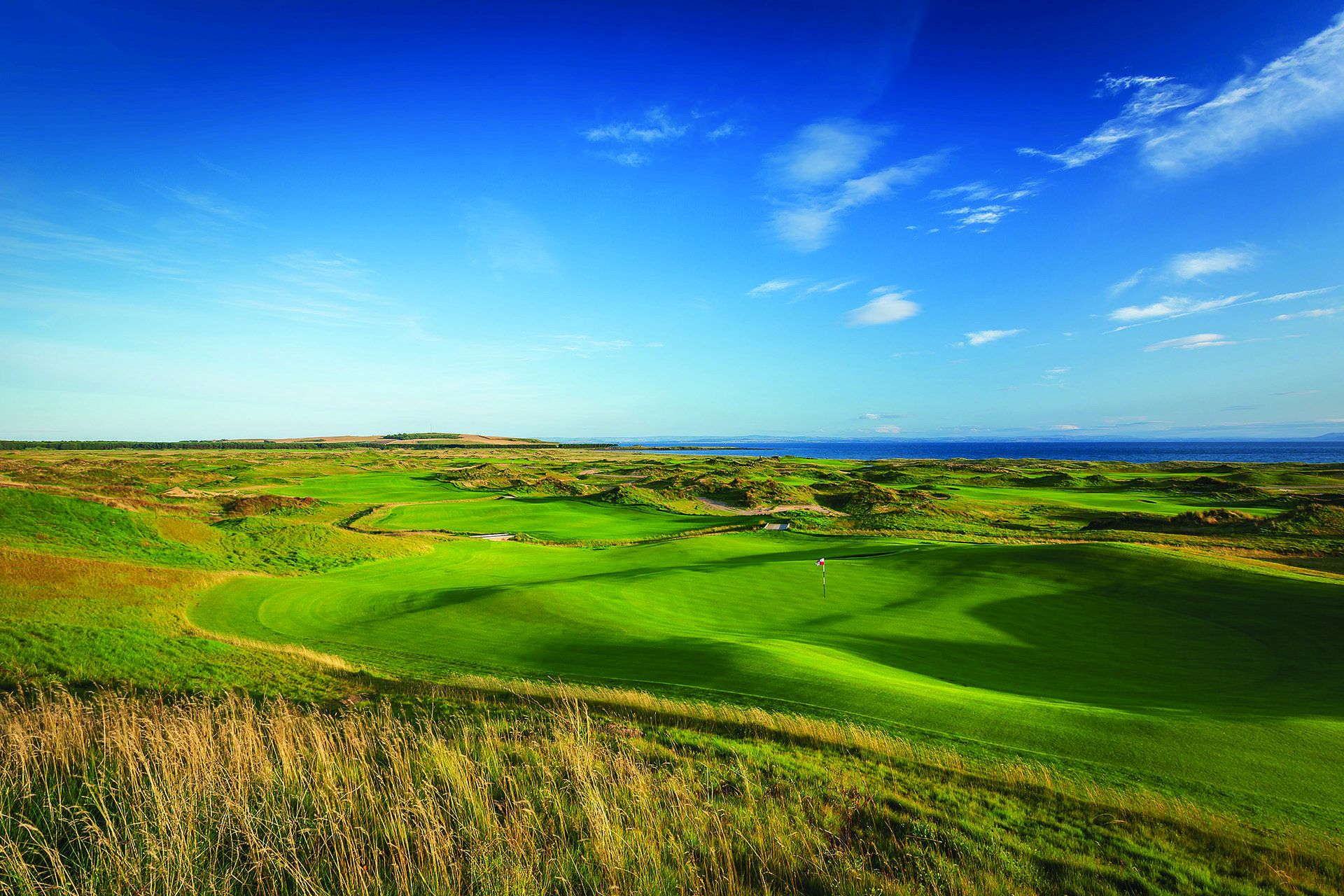
Dumbarnie Links, designed by Clive Clark, reimagines the Scottish seaside experience with a modern twist. Opened in 2020, the course departs from the traditional out-and-back routing to offer ocean views from every hole. Its creative design invites risk-and-reward play, including several drivable par-4s, while maintaining fairness for all levels. Built with sustainability in mind, the once-barren land now thrives with wildlife — an inspired blend of beauty and environmental care.
No. 10 – Fox Hills Golf Course
Watford City, North Dakota, United States
Owner/Developer: Watford City, North Dakota
Architect: Kevin Norby, Norby Golf Course Design
Greens Fees: $70 (Includes cart)
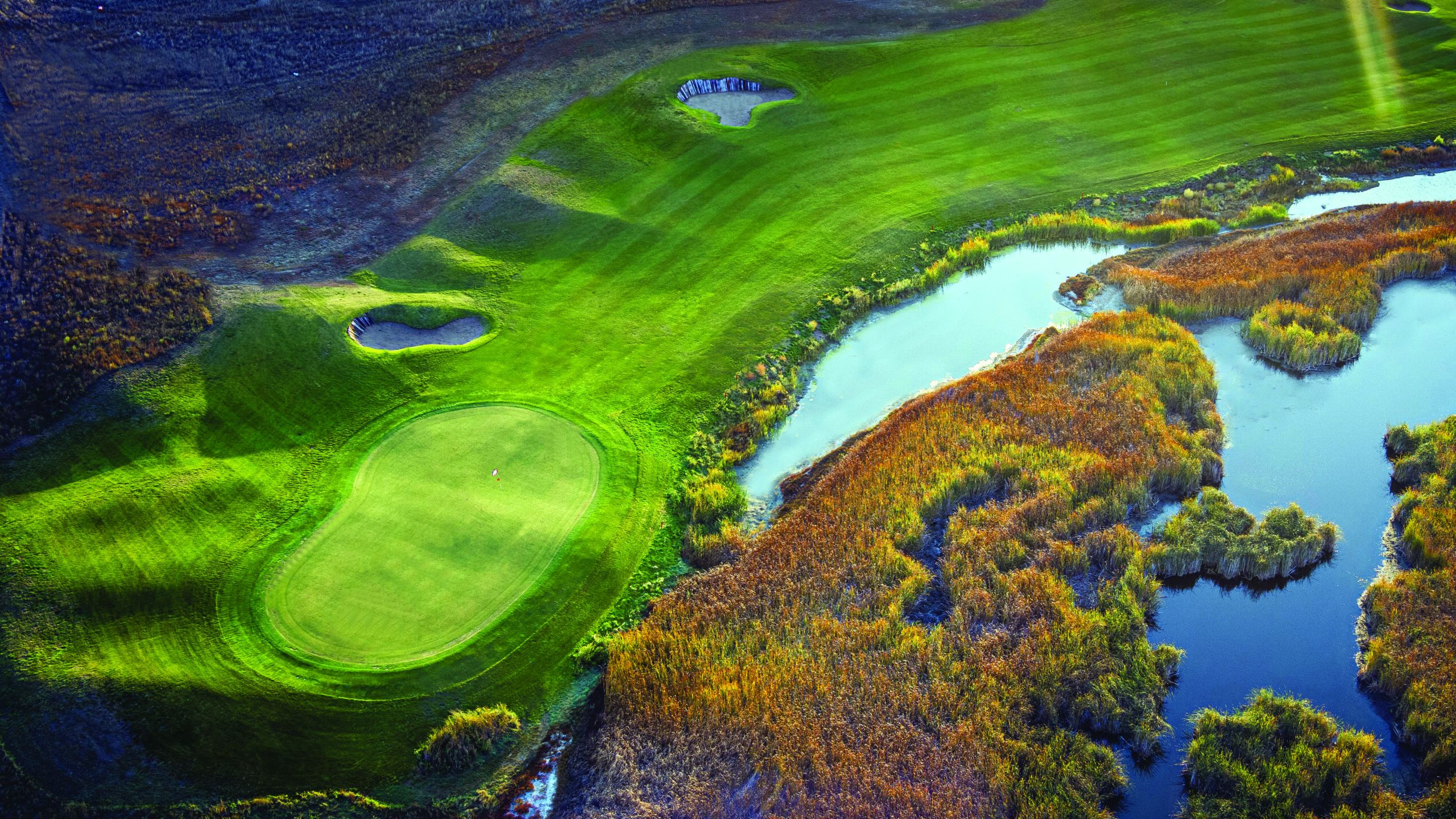
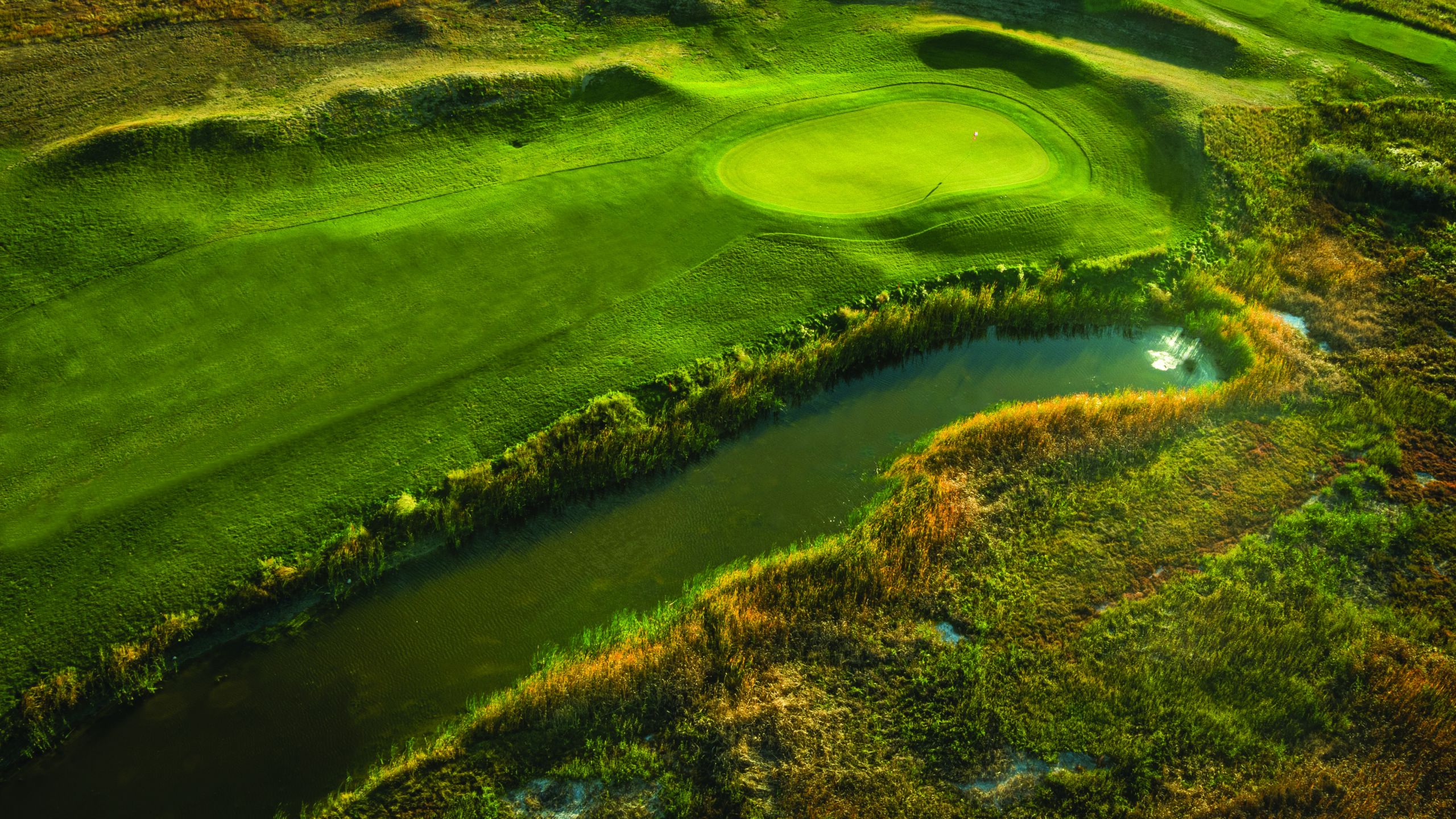
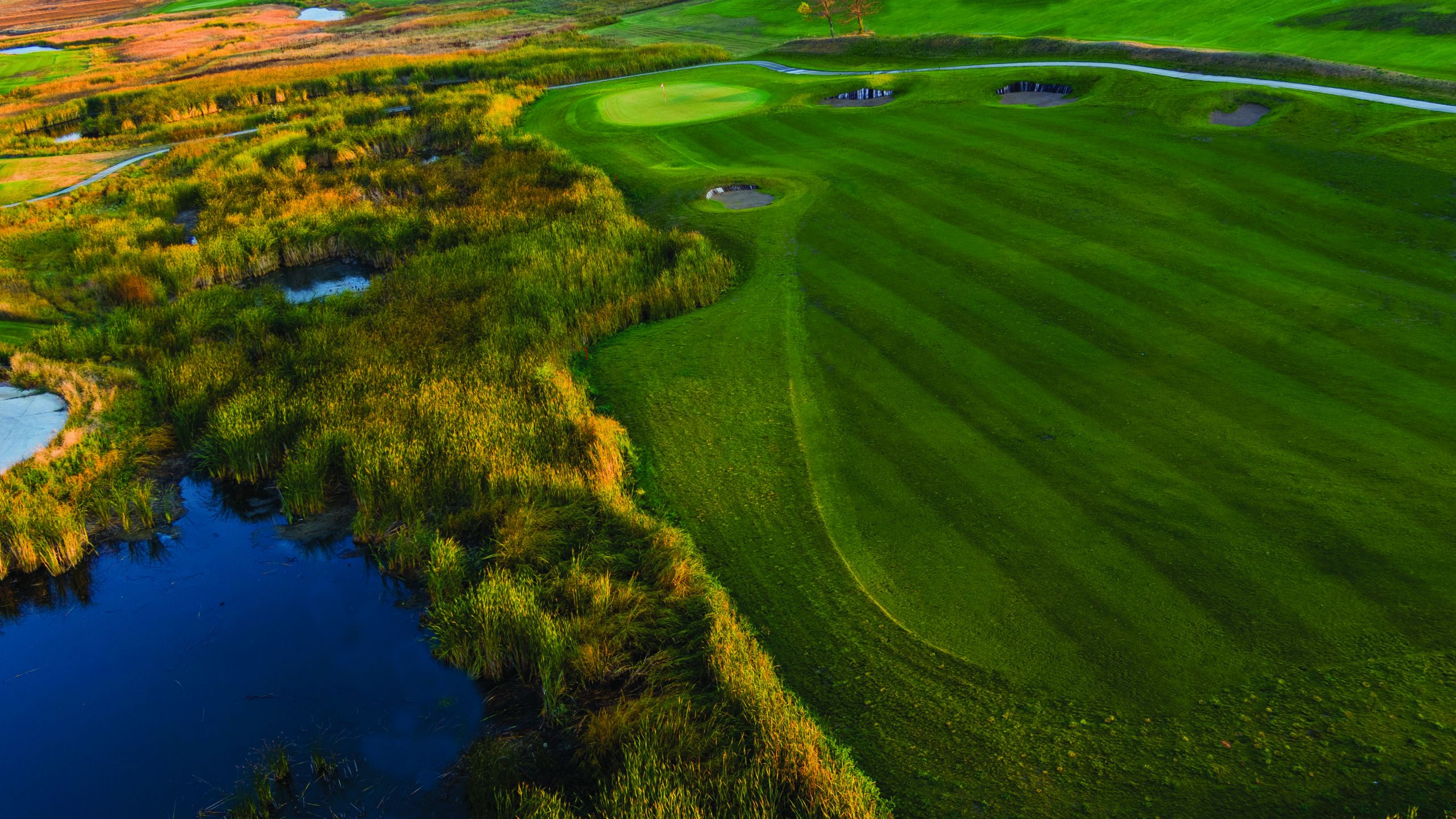
When Watford City assumed management of Fox Hills Golf Course in 2017, it embarked on a three-phase redevelopment that transformed the local 9-hole layout into a modern 18-hole public course. Designed by architect Kevin Norby, the project balanced accessibility and playability while preserving the area’s natural landscape. Twelve new holes were built on land donated by local developers, followed by the remaining six, a new driving range, short-game area and expanded parking. Routed along Cherry Creek and rolling prairie terrain, the course uses minimal earthwork to highlight native grasses and natural water features. The city’s commitment to the project helped revitalize the community and expand opportunities for golf in western North Dakota.
No. 11 – Cabot Citrus Farms
Brooksville, Florida, United States
Owner/Developer: The Cabot Collection
Architects: Karoo – Kyle Franz; Roost – Mike Nuzzo, Kyle Franz, Rod Whitman and Ran Morrissett as golf course architecture adviser; The Wedge & The Squeeze – Mike Nuzzo
Greens Fees: $395 to $430 (Discount as low as $75 for local residents)
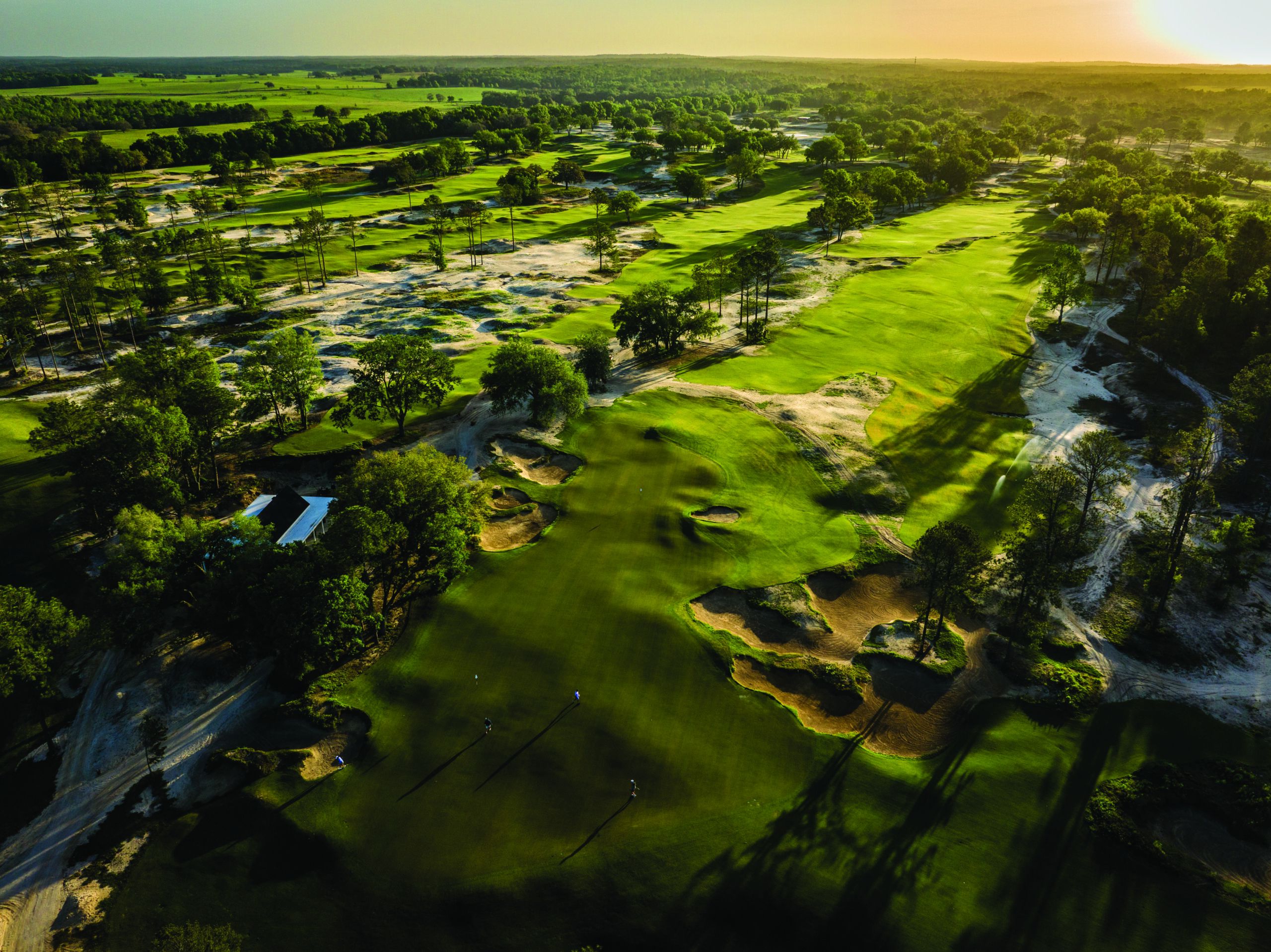
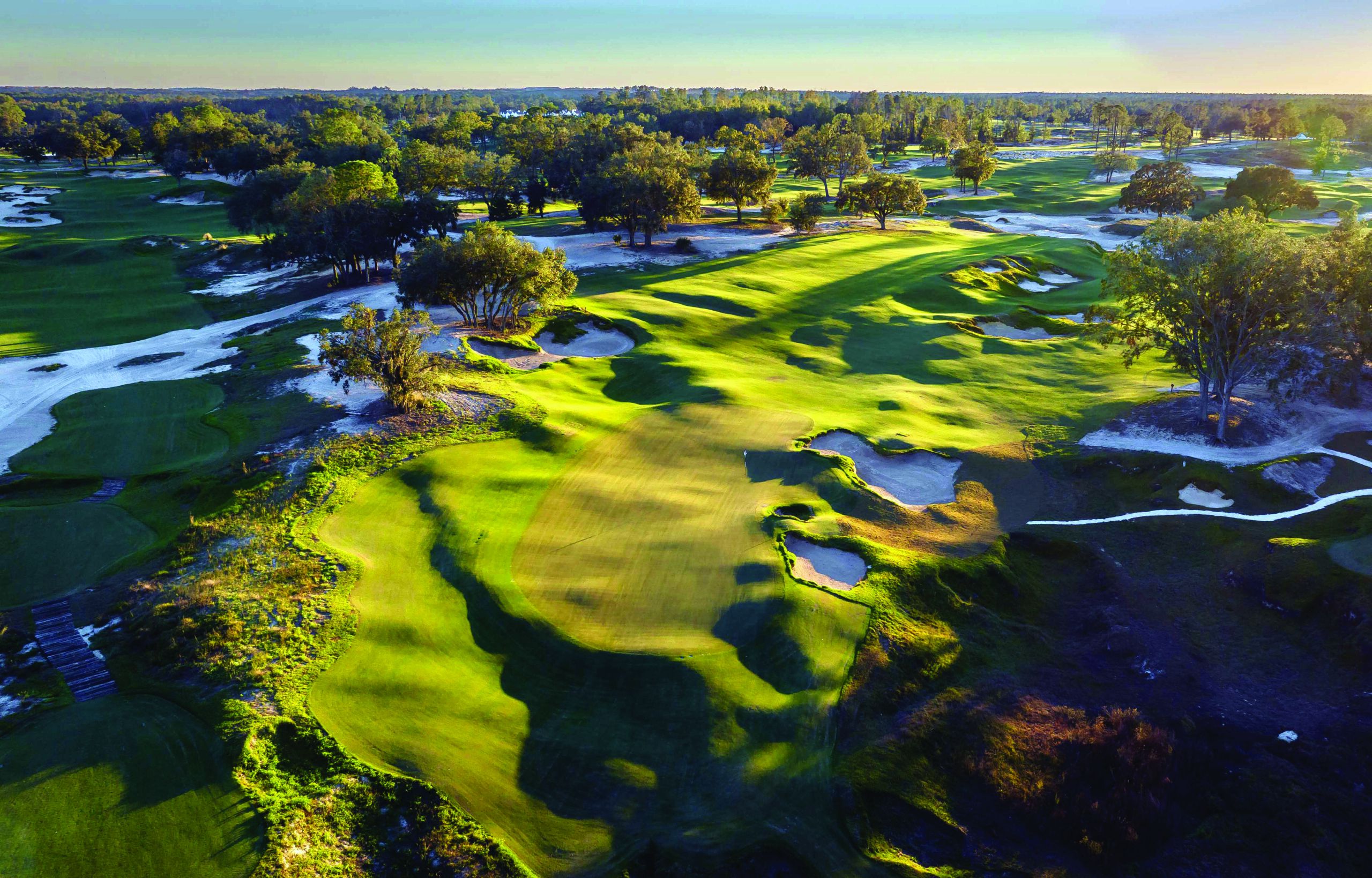
Cabot Citrus Farms marks the Cabot Collection’s bold U.S. debut — transforming the famed World Woods site into a multi-course destination built on creativity and conservation. With two reimagined 18-hole layouts and two inventive short courses, the Florida property pairs classic design with modern flair. Wide fairways, bold contours and natural elevation shifts showcase the land’s beauty while cementing Cabot’s reputation for shaping golf experiences that endure.
No. 12 – Mammoth Dunes Golf Club
Nekoosa, Wisconsin, United States
Developer: Keiser family
Architect: David McLay Kidd
Greens Fees: $235
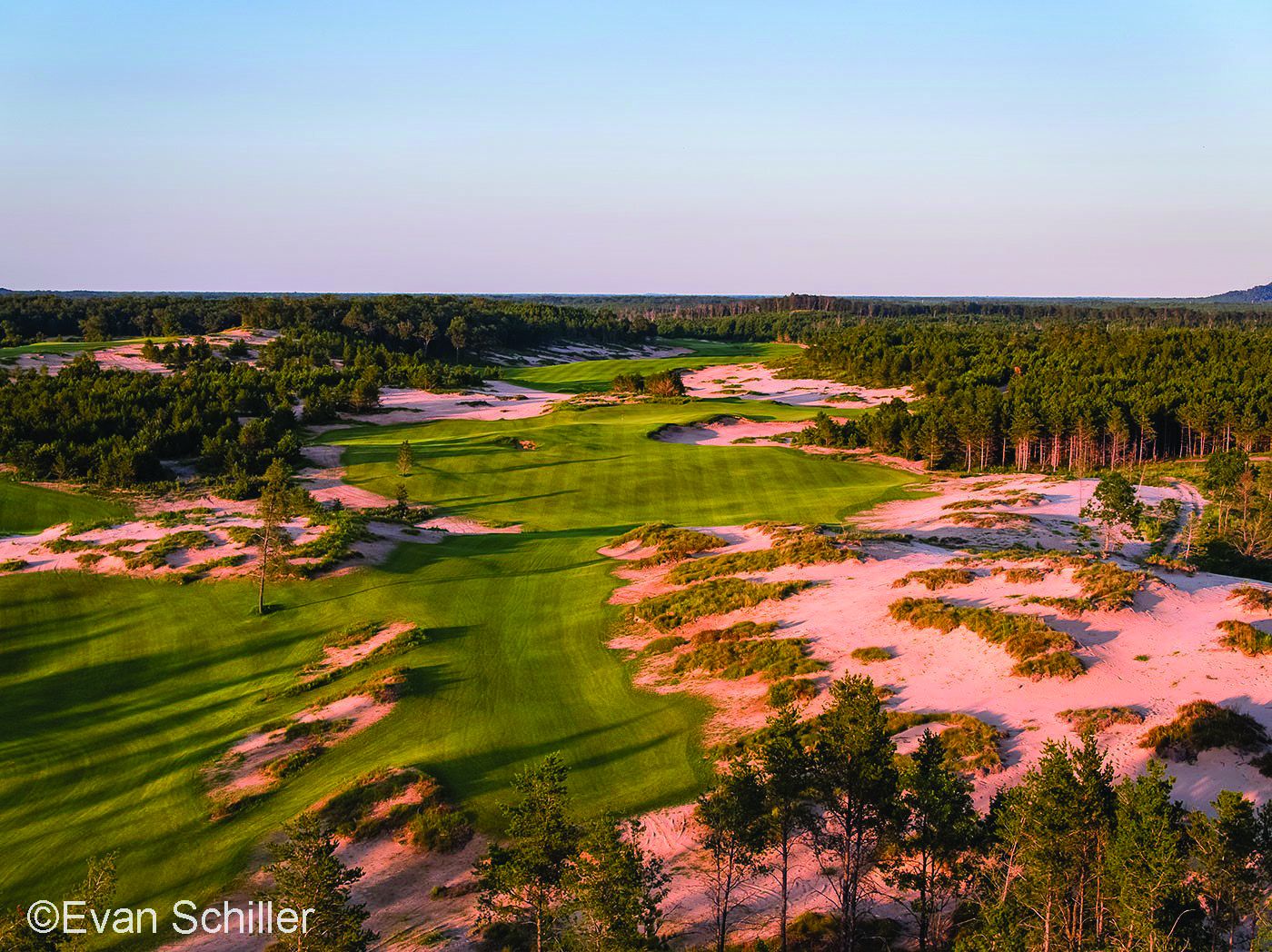
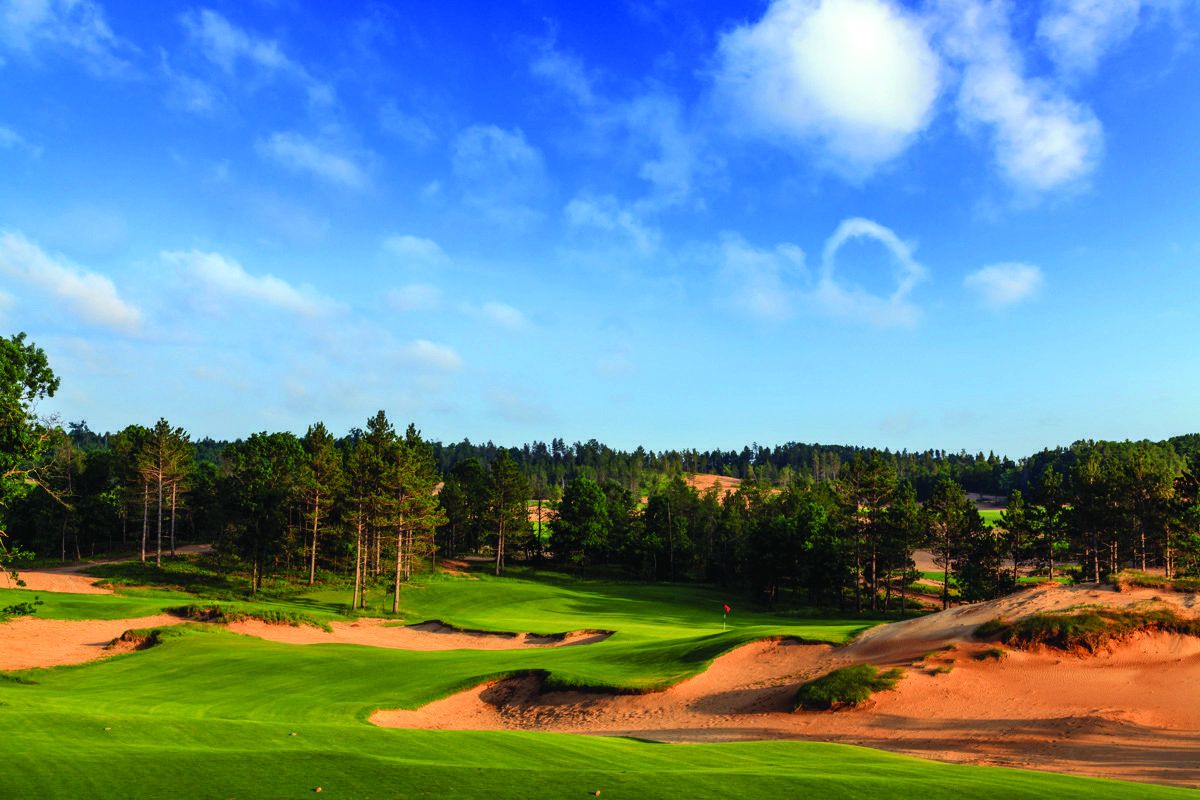
Mammoth Dunes marks a reunion between developer Mike Keiser and architect David McLay Kidd — and a fresh philosophy in course design. With fairways as wide as football fields, the course blends drama with forgiveness, inviting every golfer to enjoy the game. Playable, scenic and Instagram-worthy, it’s golf designed for joy, not punishment — and proof that fun can still be world class.
“The beautiful aesthetics, apparently wide play areas and sporty feel should attract golfers from far and wide, and it should leave them yearning for more.” — Chet Williams
No. 13 – Cape Wickham Links
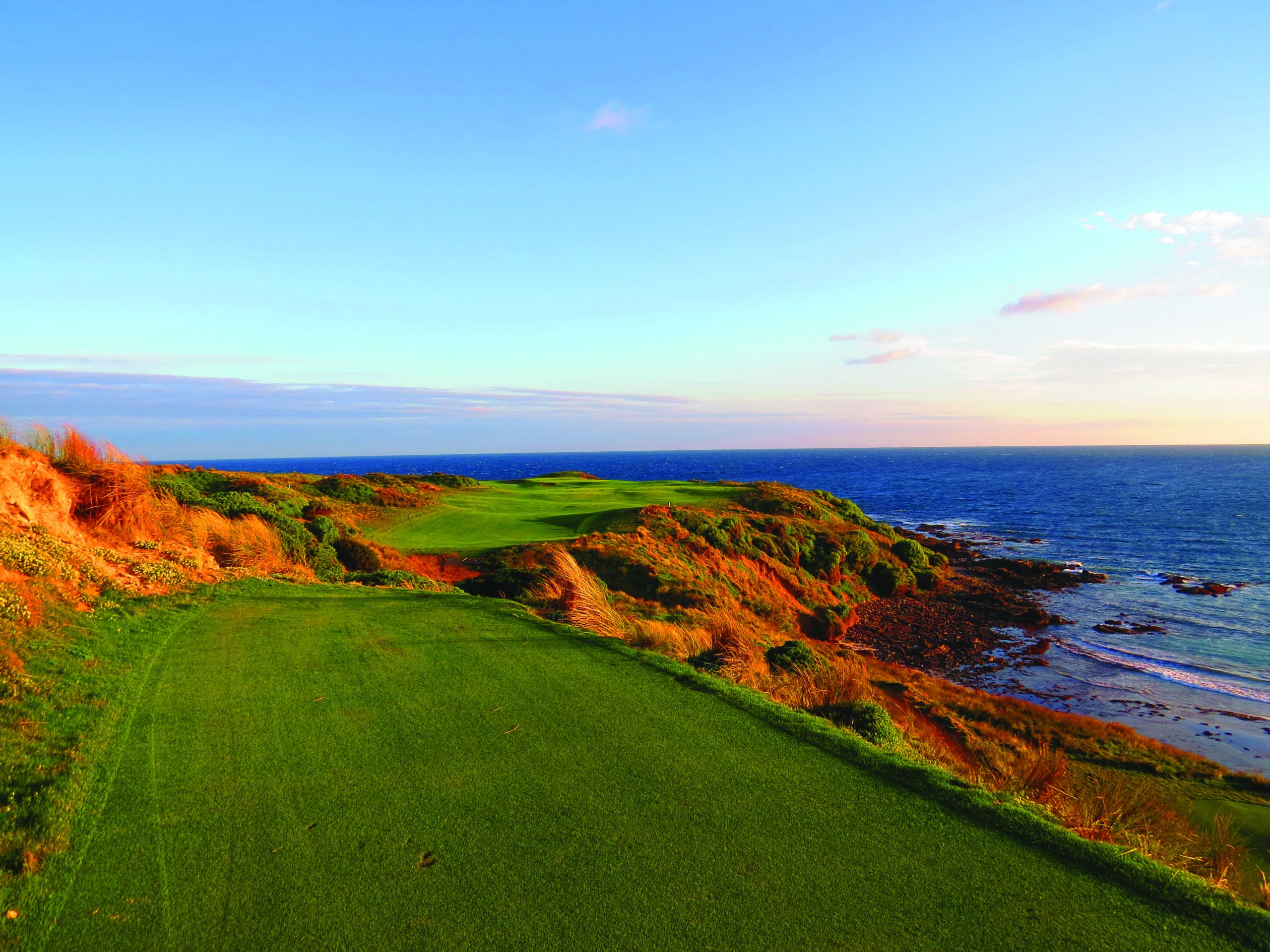
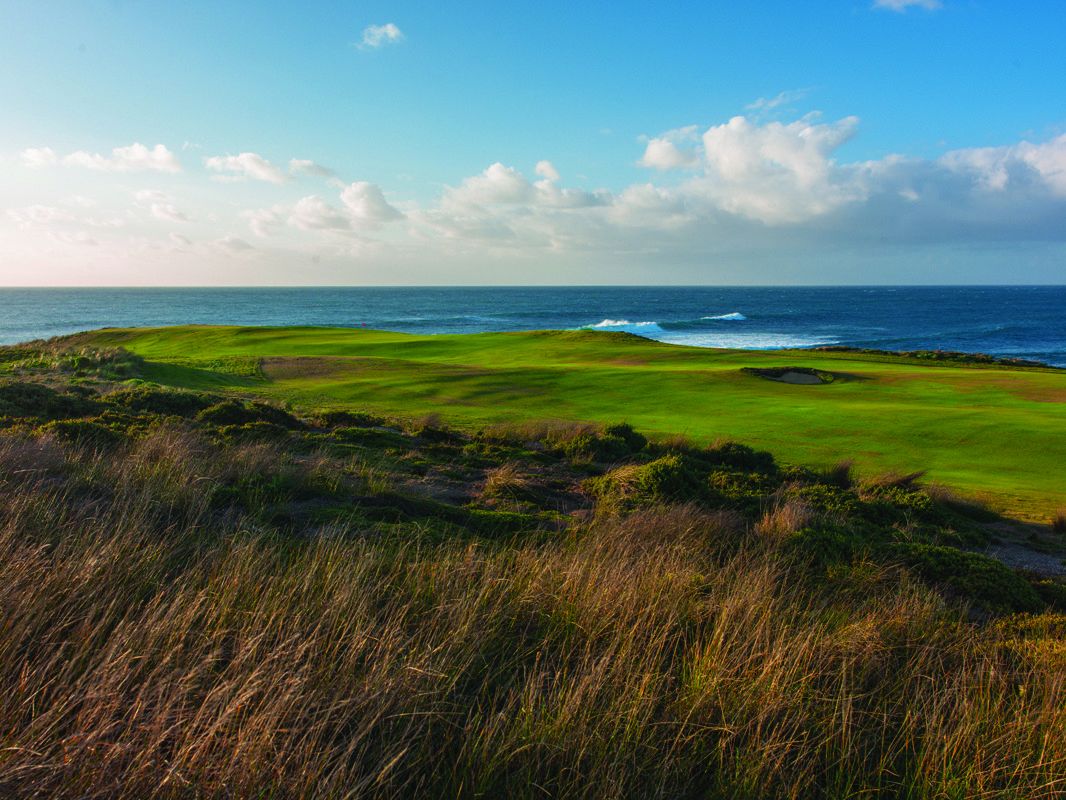
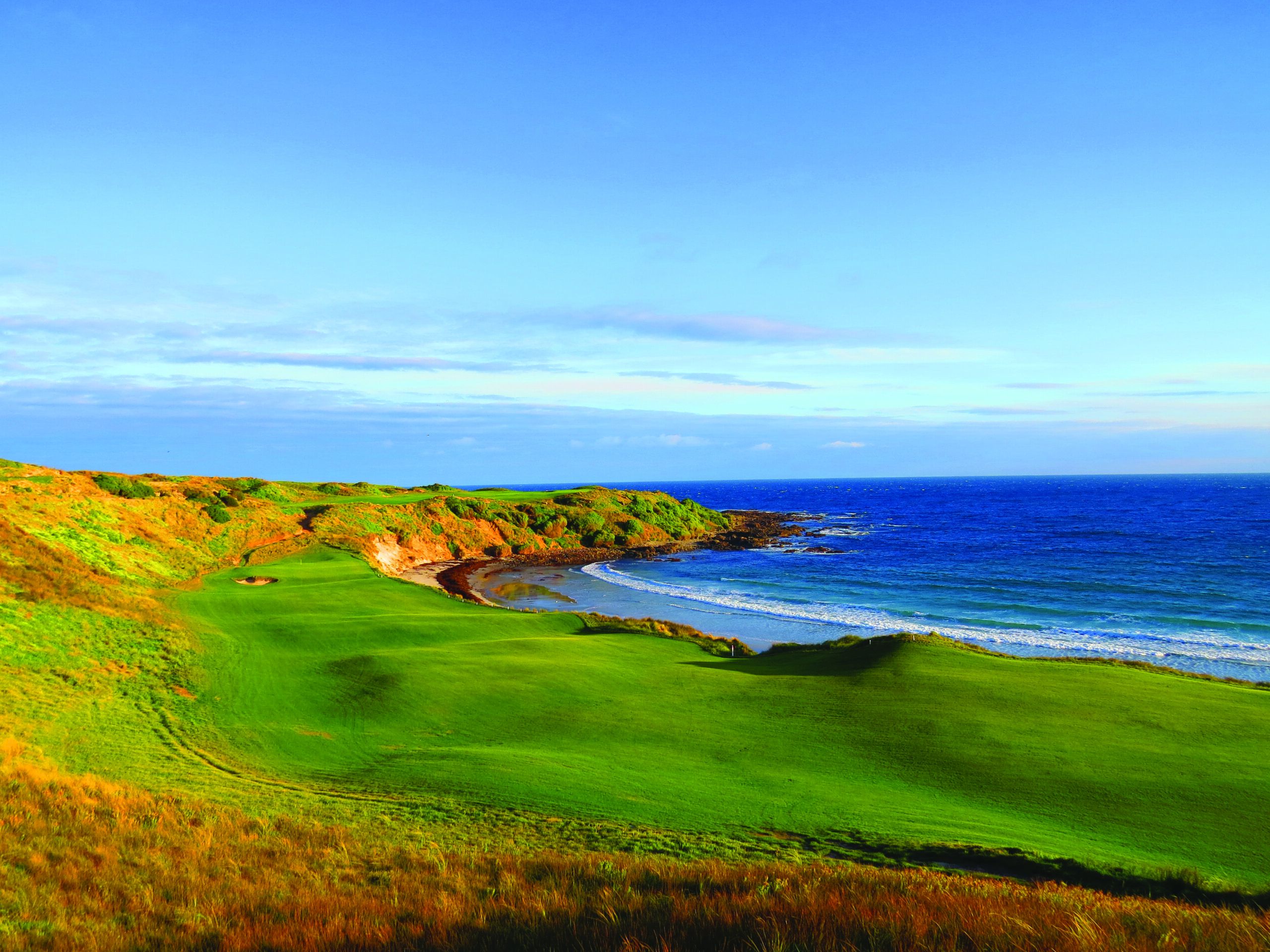
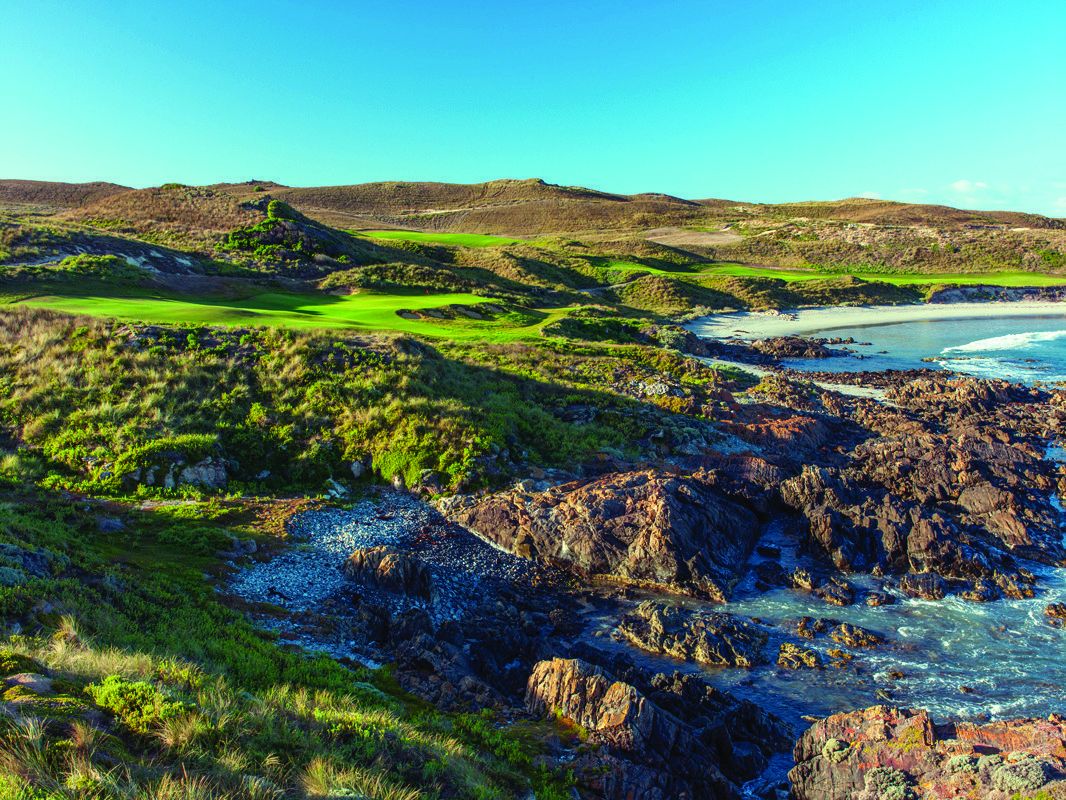
King Island, Tasmania, Australia
Developer: Duncan Andrews
Architects: Mike DeVries and Darius Oliver, DeVries Designs
Greens Fees: $180 to $270
Set on a remote Tasmanian island, Cape Wickham Links delivers pure, bucket-list golf. Designed by Mike DeVries and Darius Oliver, the fescue-covered links features 18 holes with sweeping ocean views and dramatic ridge-top greens. Judges praised its “breathtaking setting” and sustainable design. With affordable greens fees and world-class scenery anchored by the Southern Hemisphere’s tallest lighthouse, it’s a true destination for golf purists.
“The existing features were utilized in varied strategic ways as the holes twist and turn across this beautiful landscape.” — Mike Nuzzo
No. 14 – Pinehurst No. 4
Pinehurst, North Carolina, United States
Developer: Pinehurst Resort
Architect: Hanse Golf Course Design (Gil Hanse/Jim Wagner)
Greens Fees: Around $360, but only available to resort guests through a package
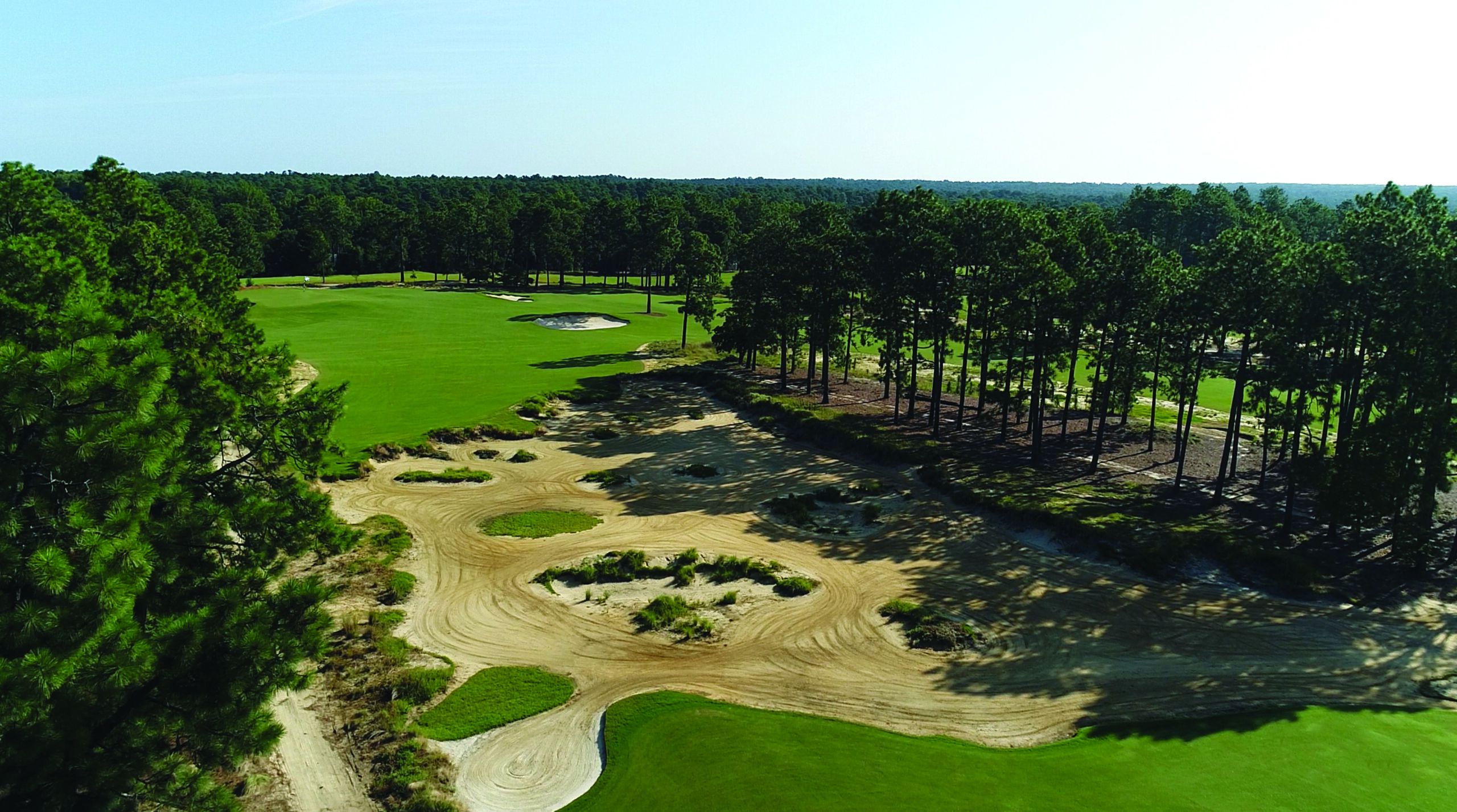
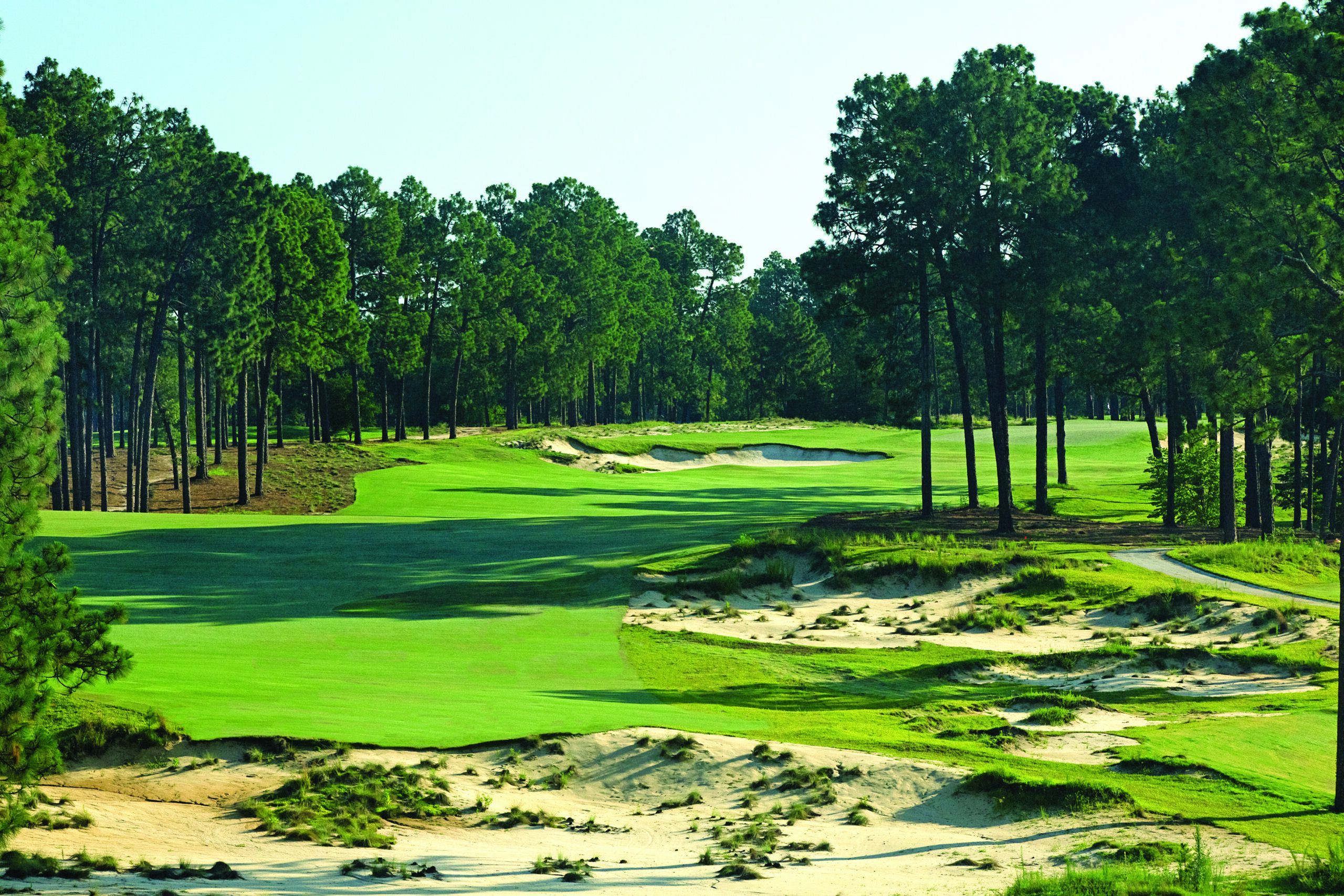
At Pinehurst, Gil Hanse and Jim Wagner reimagined Course No. 4 as a modern classic rooted in the Carolina Sandhills. Drawing inspiration from Coore & Crenshaw’s celebrated work on No. 2, they reshaped the landscape to restore native contours, sandy textures and rolling elevation. With reduced turf, natural vegetation and a new, eco-friendly irrigation system, the course feels both timeless and distinctly its own — a bold companion to Pinehurst’s legendary sibling.
No. 15 – Royal Norwich Golf Club
Norwich, England
Owner/Developer: Royal Norwich Golf Club
Architect: European Golf Design
Greens Fees: £100 to £140
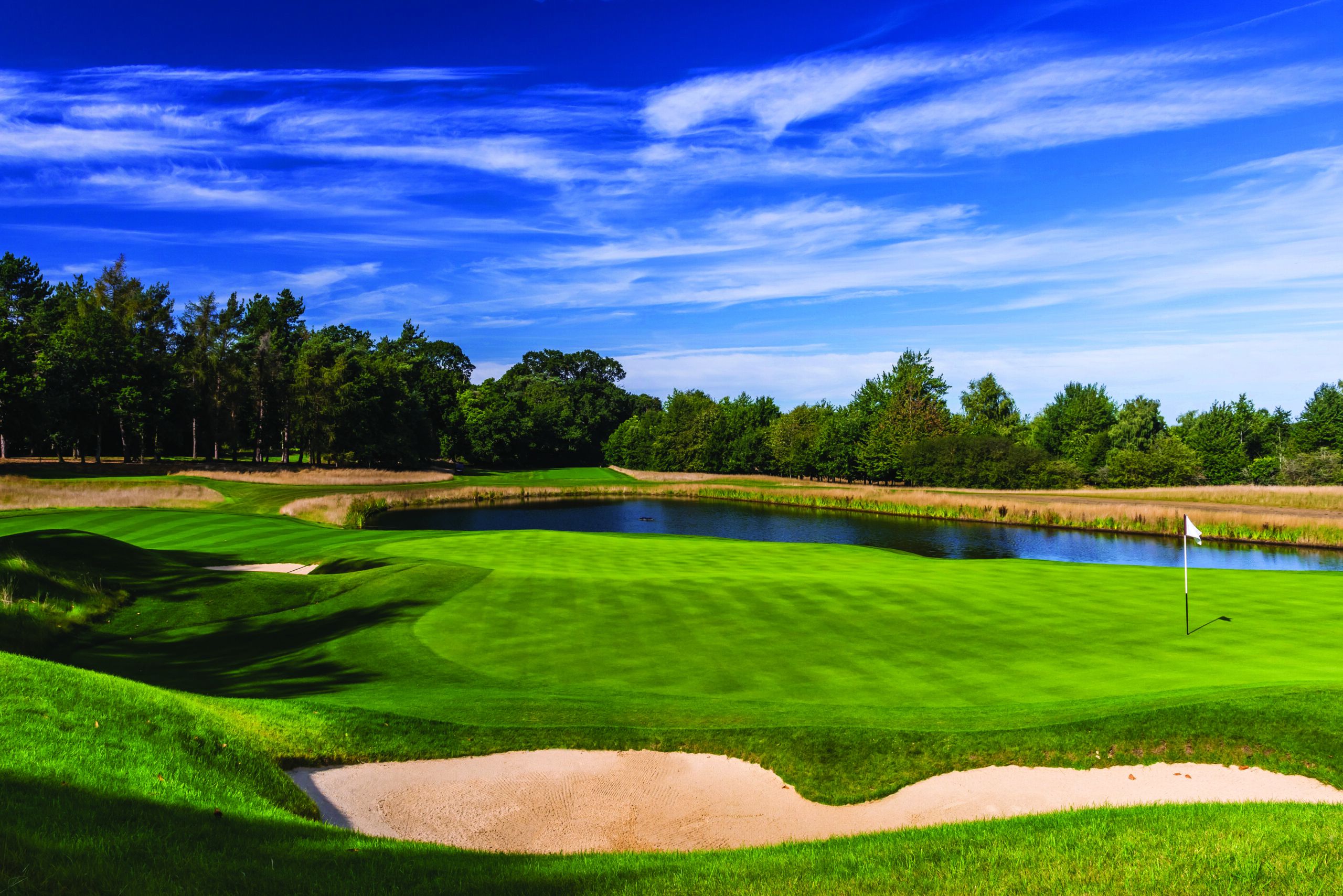
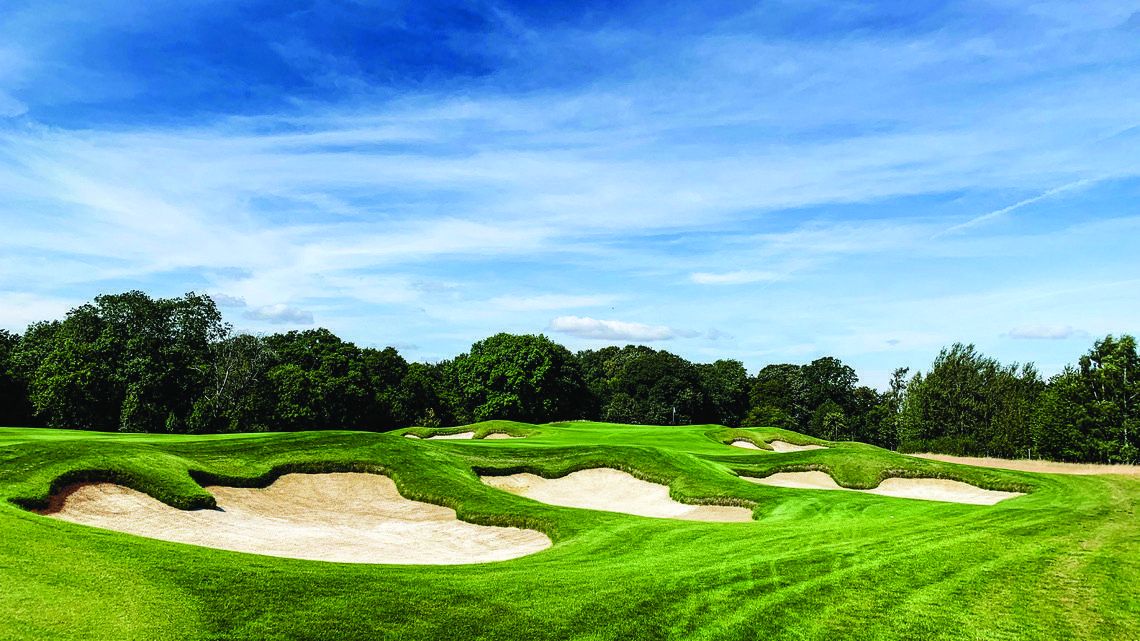
When members voted to sell their 125-year-old course, it gave Royal Norwich the rare chance to reinvent itself. Relocating to a 350-acre site 10 miles away, the club partnered with European Golf Design’s Ross McMurray to create a modern, family-friendly destination. The new layout, which reopened in 2019, blends mature parkland, woodland and open grazing land, offering challenge and playability for golfers of all levels. A 6-hole short course and teaching academy now anchor the club’s emphasis on accessibility and learning. Its 15,000-square-foot clubhouse — once a stable — features a bar and brasserie, microbrewery, fitness center and multiple dining options.
No. 16 – Birdwood Golf Course
Charlottesville, Virginia, United States
Developer: University of Virginia Foundation
Architect: Love Golf Design (Davis Love III, Mark Love, Scot Sherman)
Greens Fees: $140 to $180 (Higher rate includes cart)
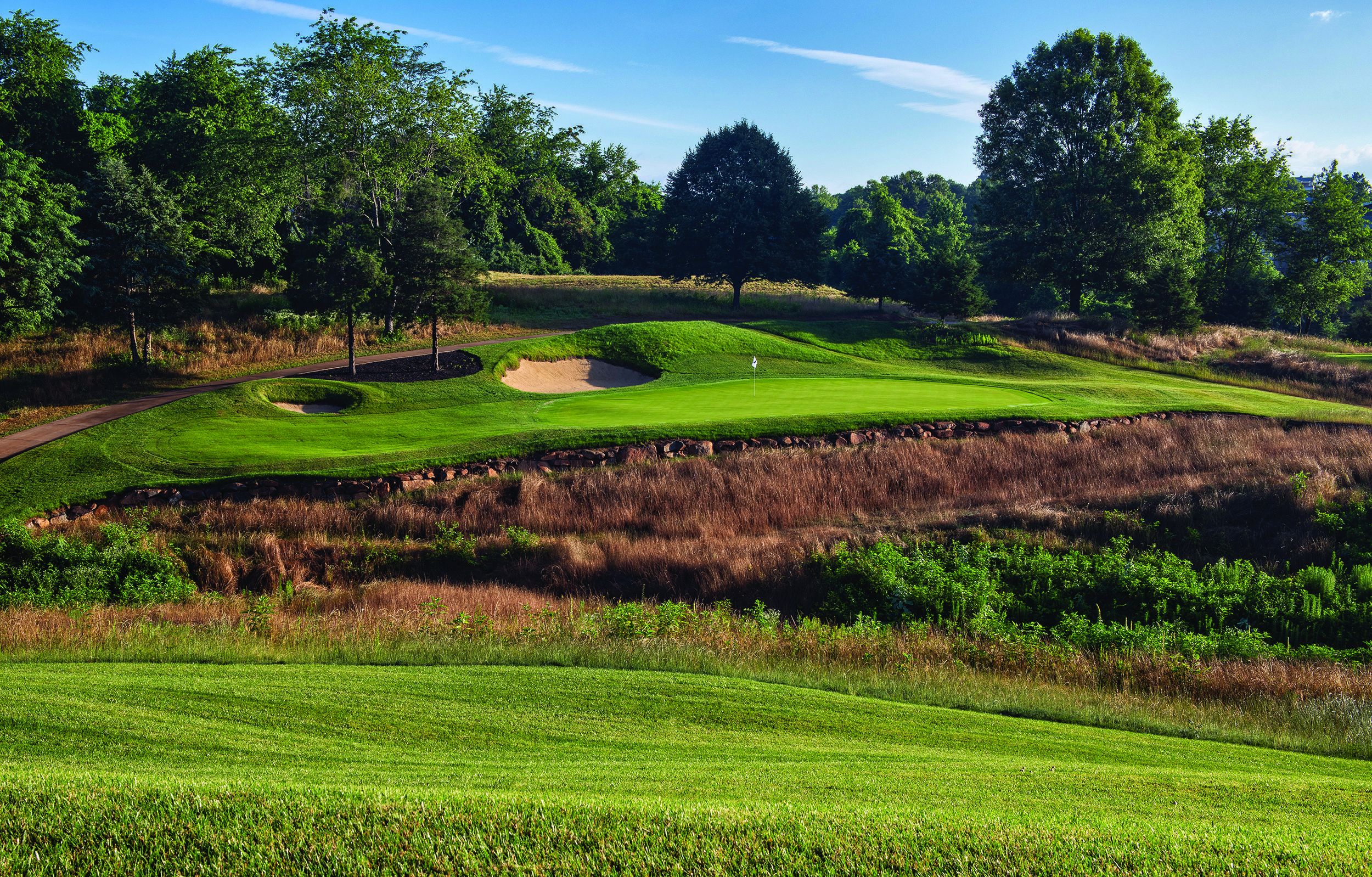
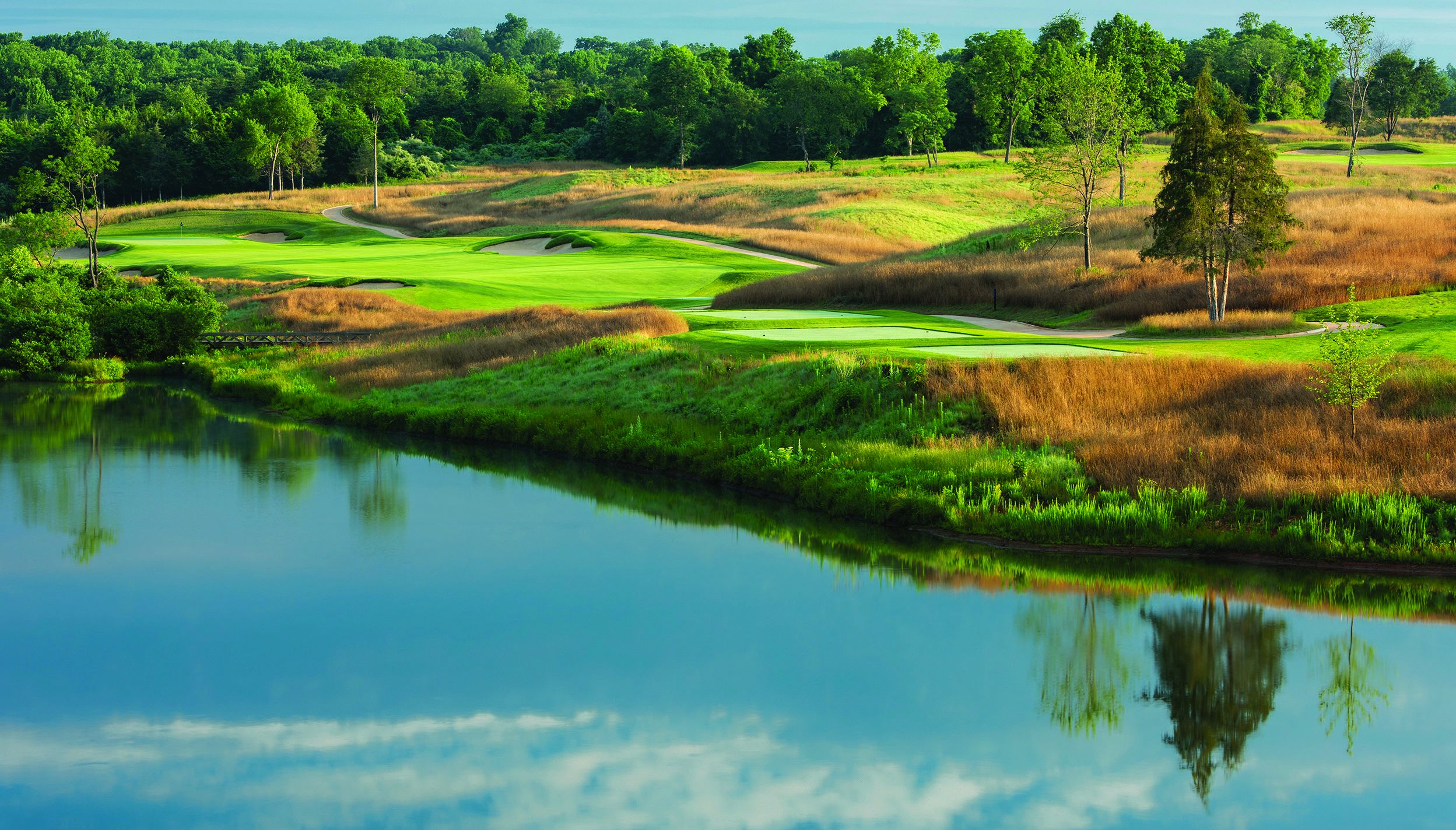
At the foothills of the Blue Ridge Mountains, Birdwood Golf Course underwent a complete transformation by Love Golf Design to create a modern, family-friendly experience. The new 18-hole layout was routed to showcase mountain views and highlight the land’s natural contours. As the site was cleared, native vegetation reemerged, shaping the course’s natural aesthetic and out-of-play areas. Home to the University of Virginia men’s and women’s golf teams, Birdwood now includes a full practice range and a 6-hole par-3 course open to the public and resort guests. A new tennis stadium, built on the footprint of the former third hole, integrates seamlessly into the course’s 250-acre redesign — blending sport, landscape and community in a fresh new way.
No. 17 – Coronet Course at Millbrook Resort
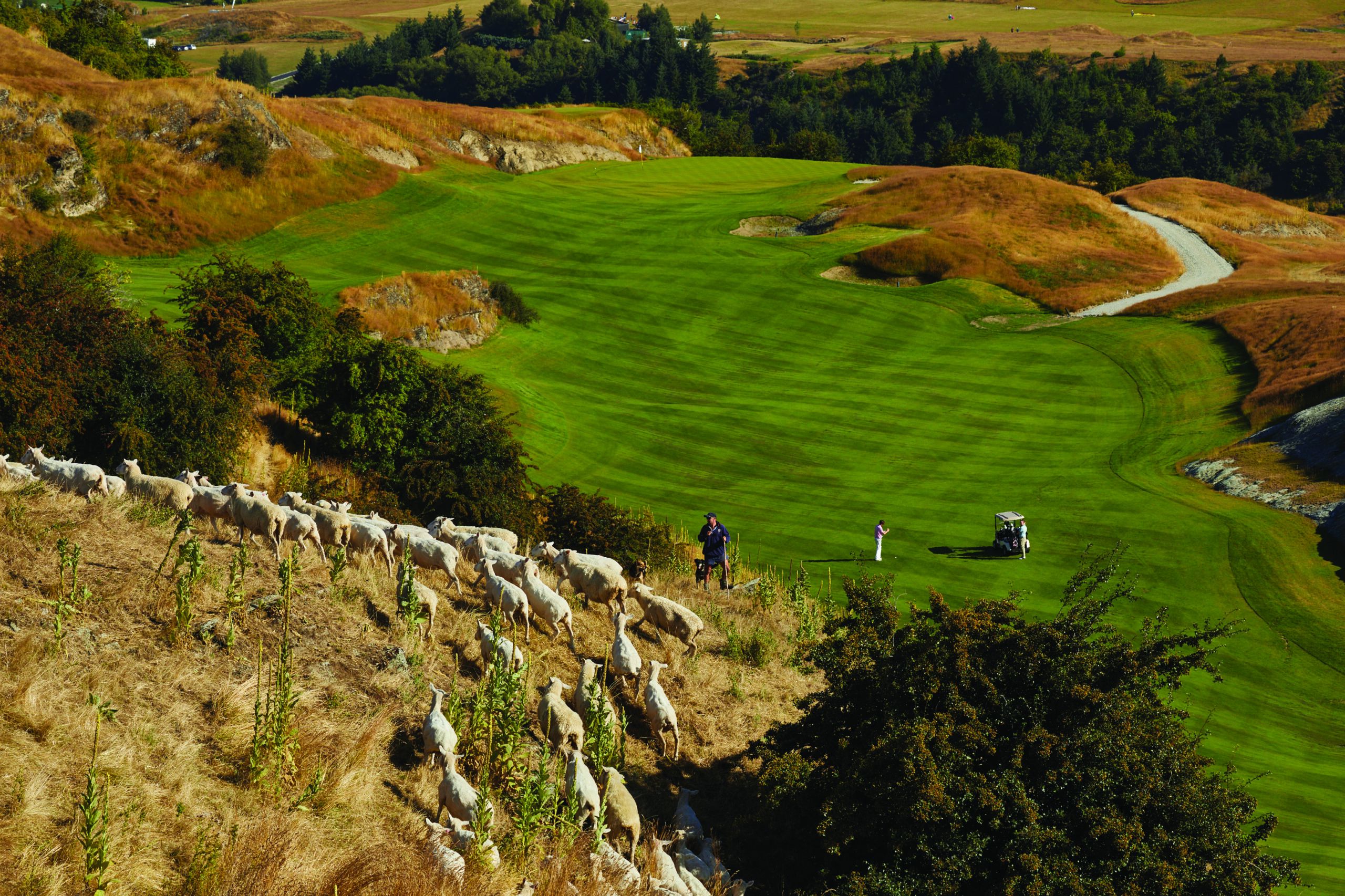
Arrowtown, Central Otago, New Zealand
Owner/Developer: Millbrook Country Club Ltd.
Architects: Greg Turner and Scott Macpherson
Greens Fees: NZD $375 (Peak season is October 20 to April 30)
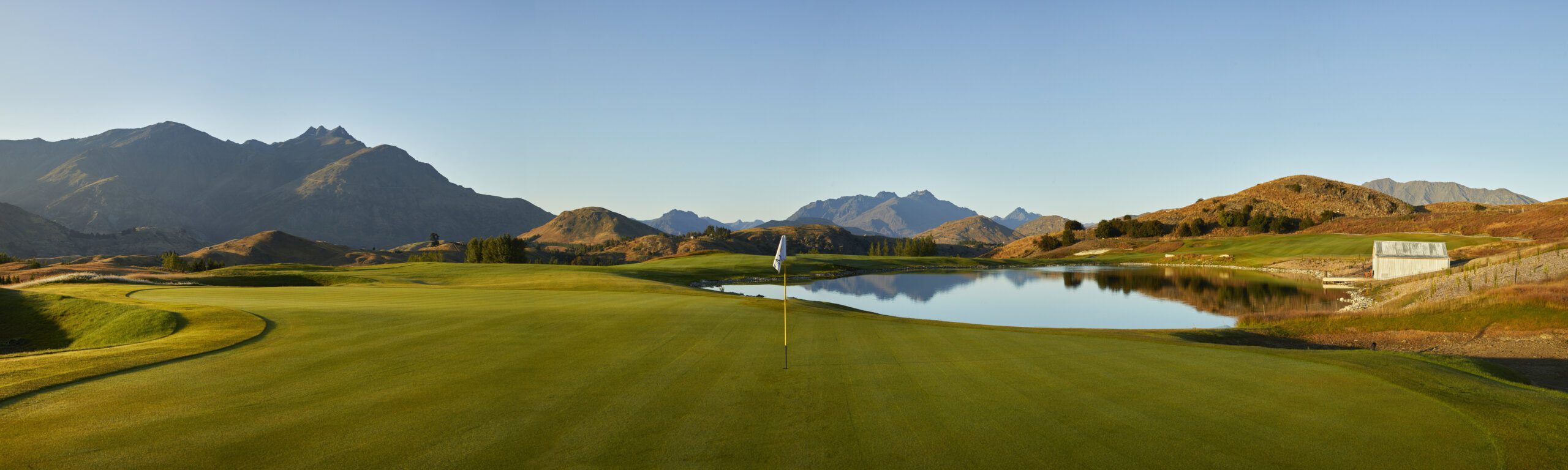
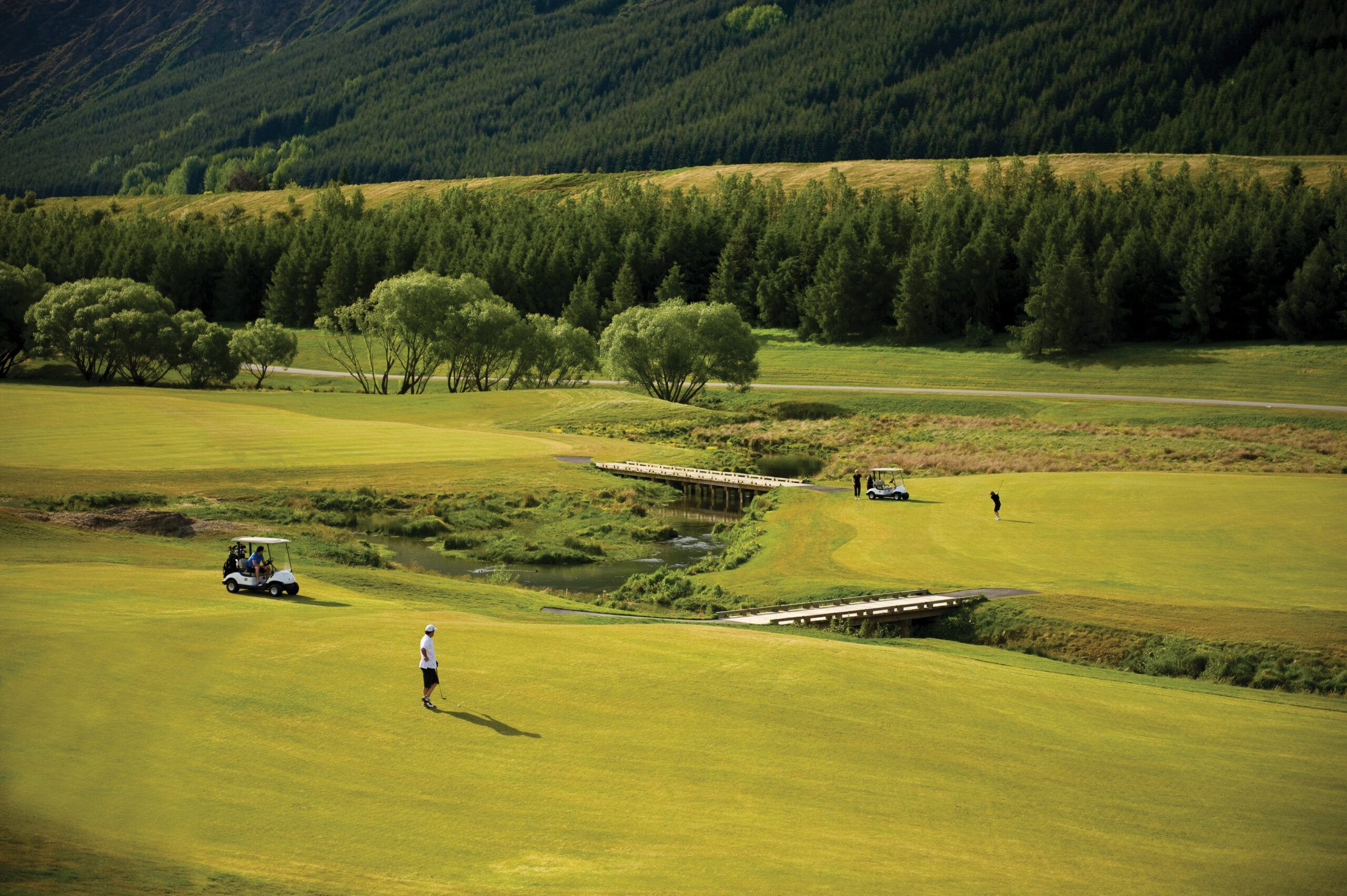
Set amid New Zealand’s Southern Alps, Millbrook’s Coronet Course blends world-class golf with the spirit of its 1860s wheat-farm origins. Built alongside the original Remarkables Course, the layout integrates wetlands, native flora and a working farm to honor the land’s heritage. With sweeping alpine views and a strong environmental focus, Millbrook captures the beauty and balance of modern resort golf.
No. 18 – Apes Hill Barbados
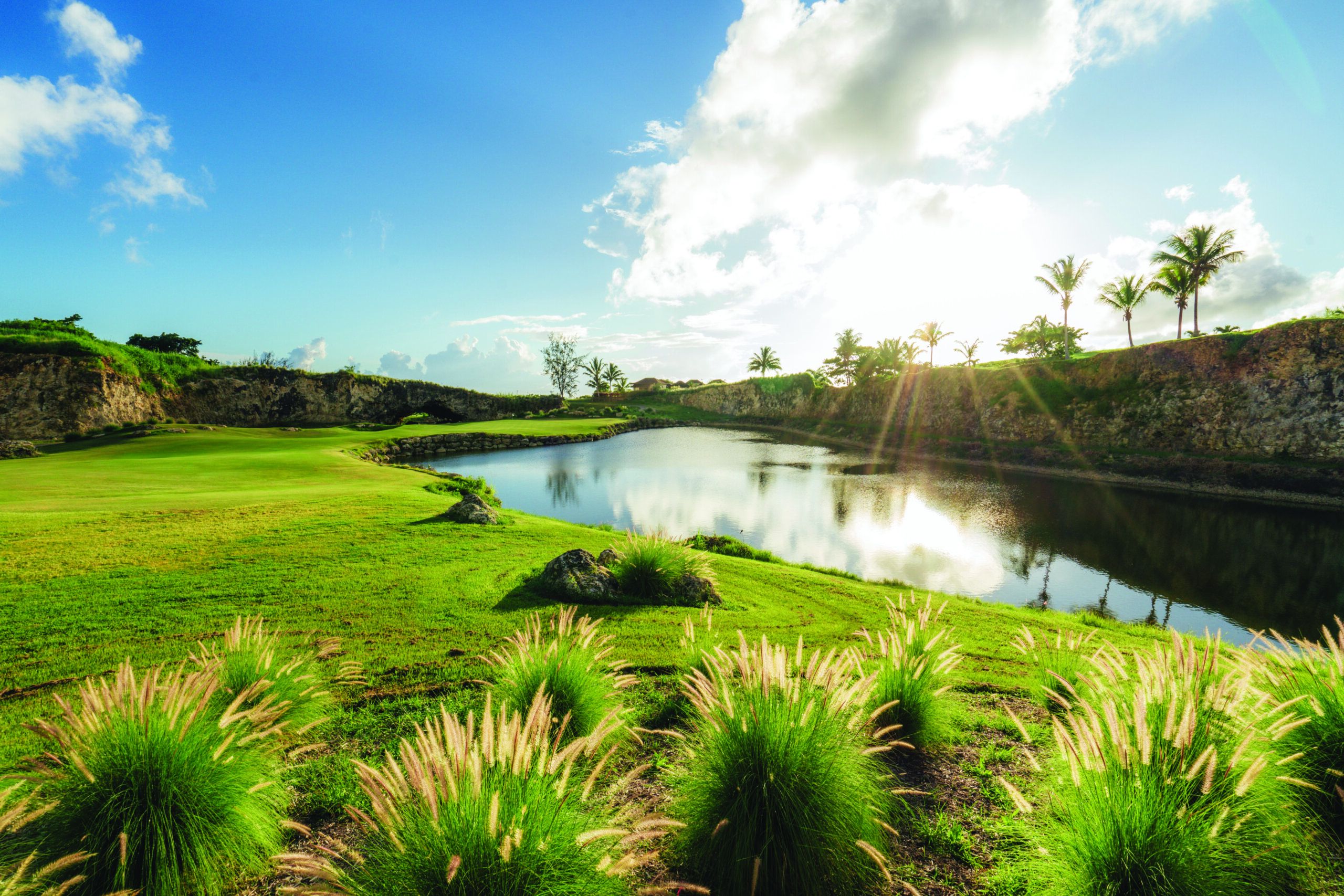
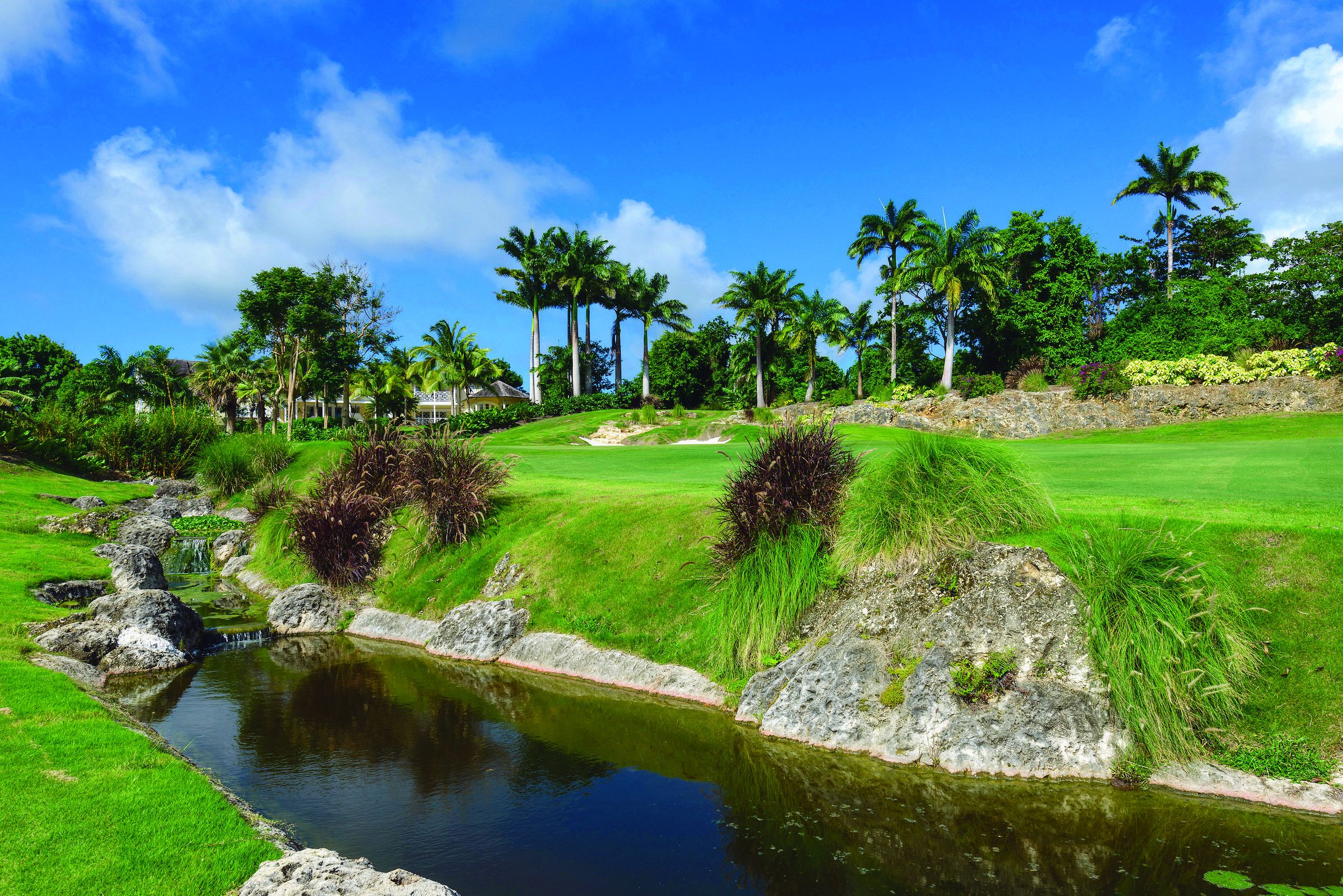
St. James, Barbados
Owner/Developer: Glenn Chamandy, Apes Hill
Architect: Ron Kirby
Greens Fees: Estimated at $375 to $450, but must be a member or resort guest to play
Perched high above Barbados, Apes Hill blends luxury living with eco-conscious design. Ron Kirby’s course offers sweeping views of both the Caribbean and Atlantic, weaving through ancient rock formations and tropical gullies. With drought-tolerant turf, a rainwater reservoir and solar-powered facilities, it’s a modern model of sustainable island golf — beautiful, bold and built for the future.
No.19 – The Club at Lac La Belle
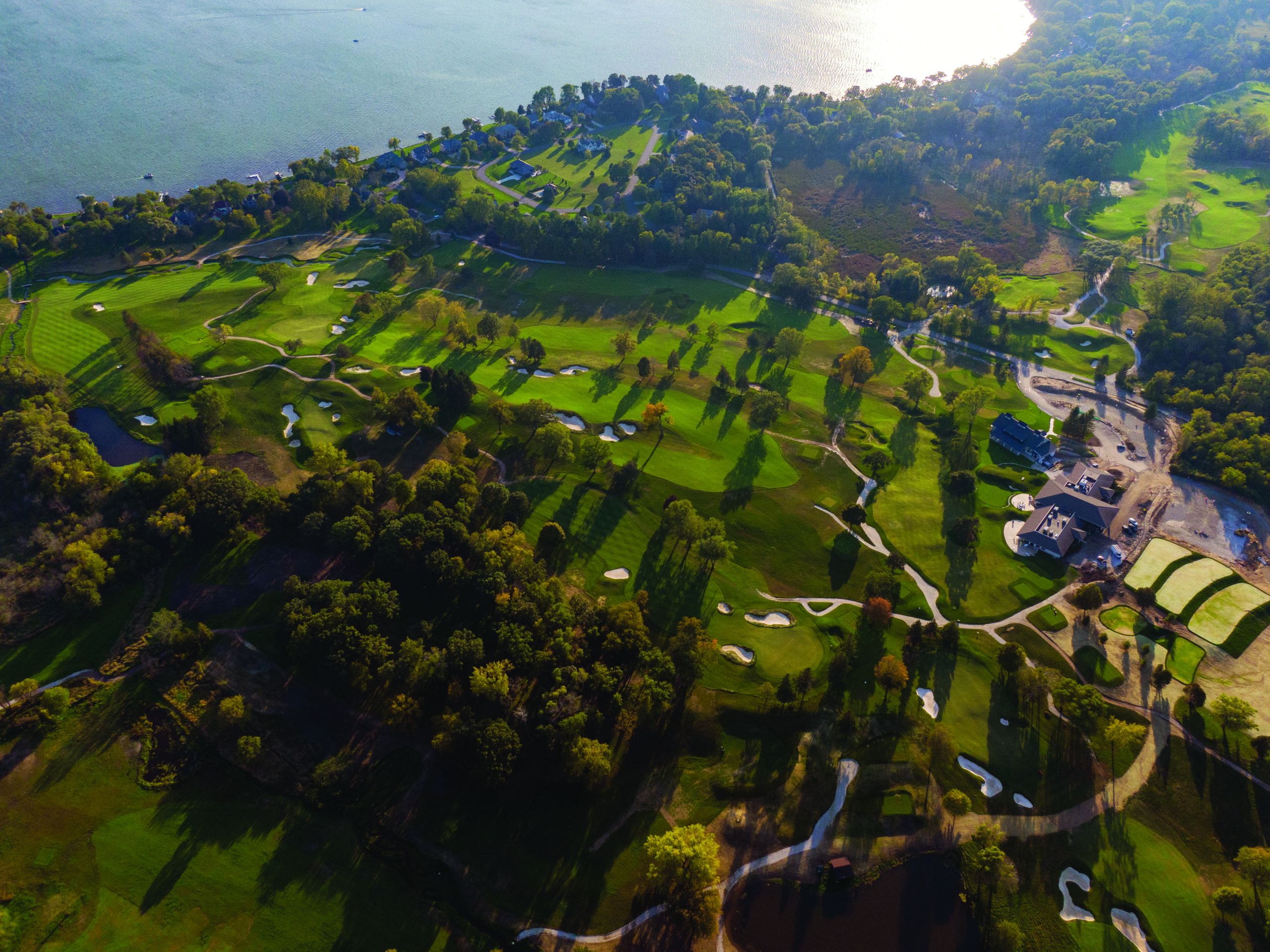
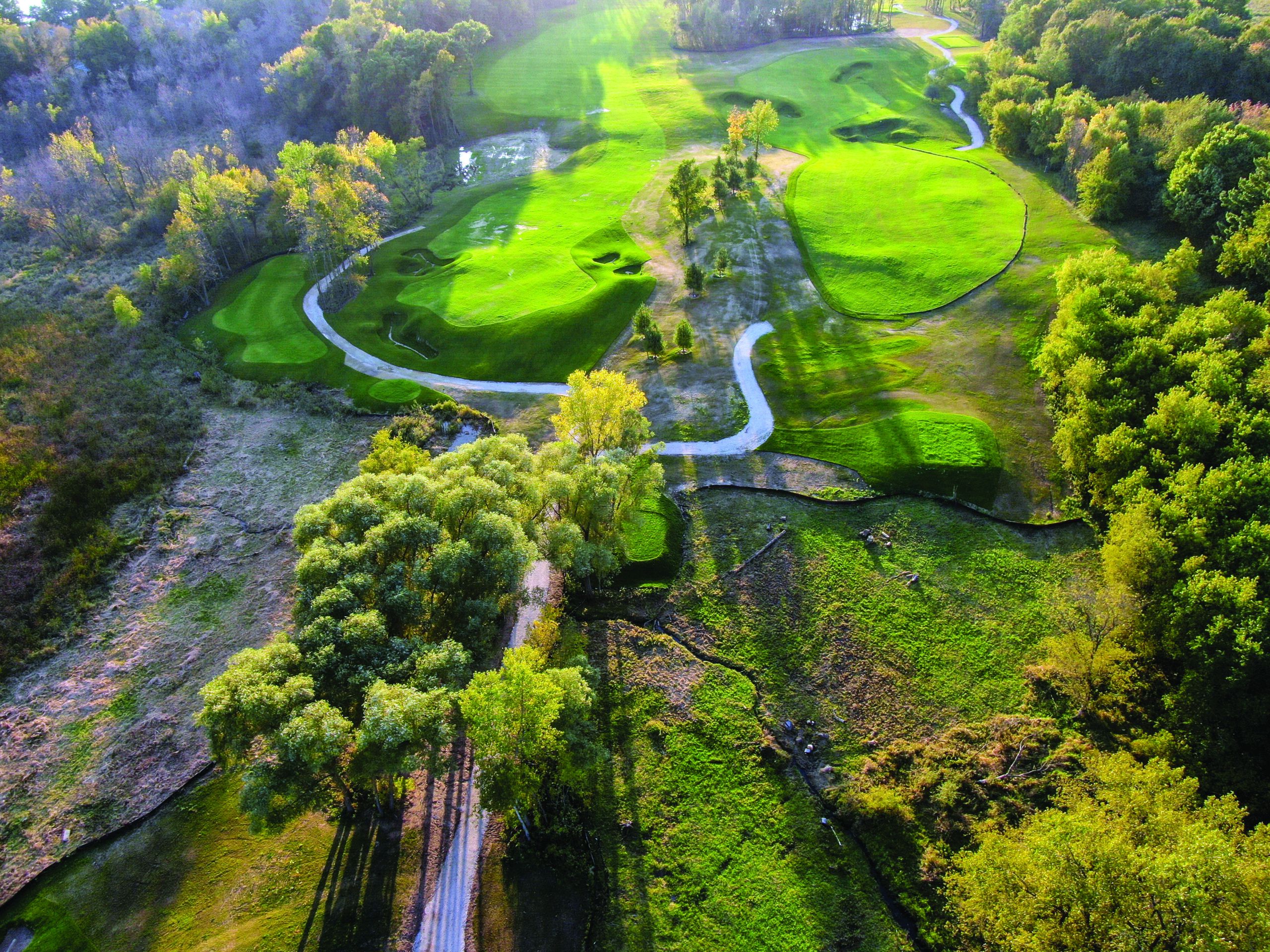
Oconomowoc, Wisconsin, United States
Developer: Tyler Morse
Architect: Craig Haltom
Greens Fees: $40 to $205 (Higher includes cart)
Prestwick Golf Group’s Matt and Tyler Morse revived a historic 1896 course to honor the game’s roots and give back to golf. Partnering with architect Craig Haltom, they rebuilt the layout using Golden Age design principles — elevated tees, undulating greens and deep Scottish-style bunkers — while solving drainage and tree overgrowth issues. The restored course, paired with a new practice facility and event center, blends history, craftsmanship and modern sustainability.
No. 20 – Payne’s Valley Golf Course
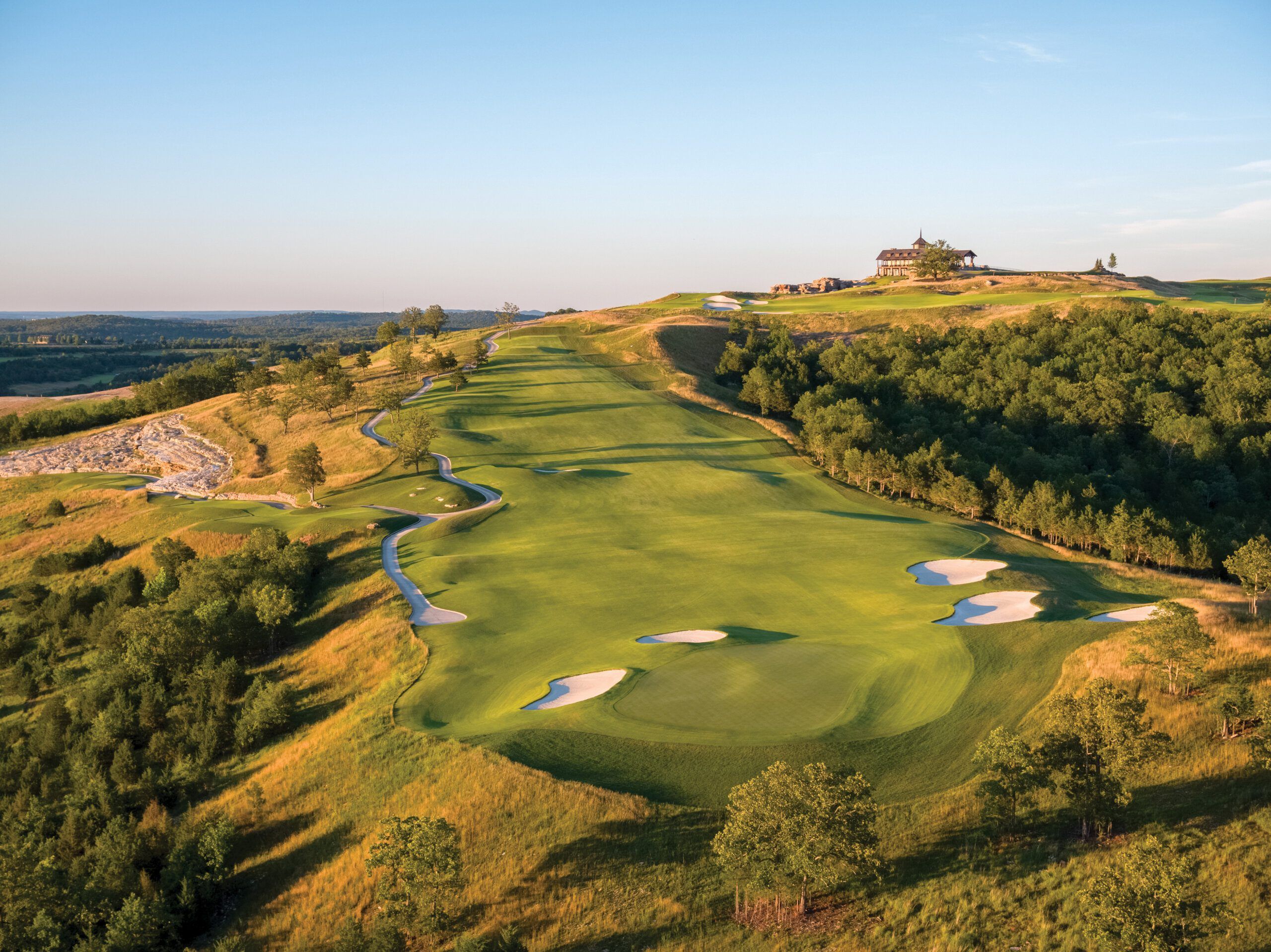
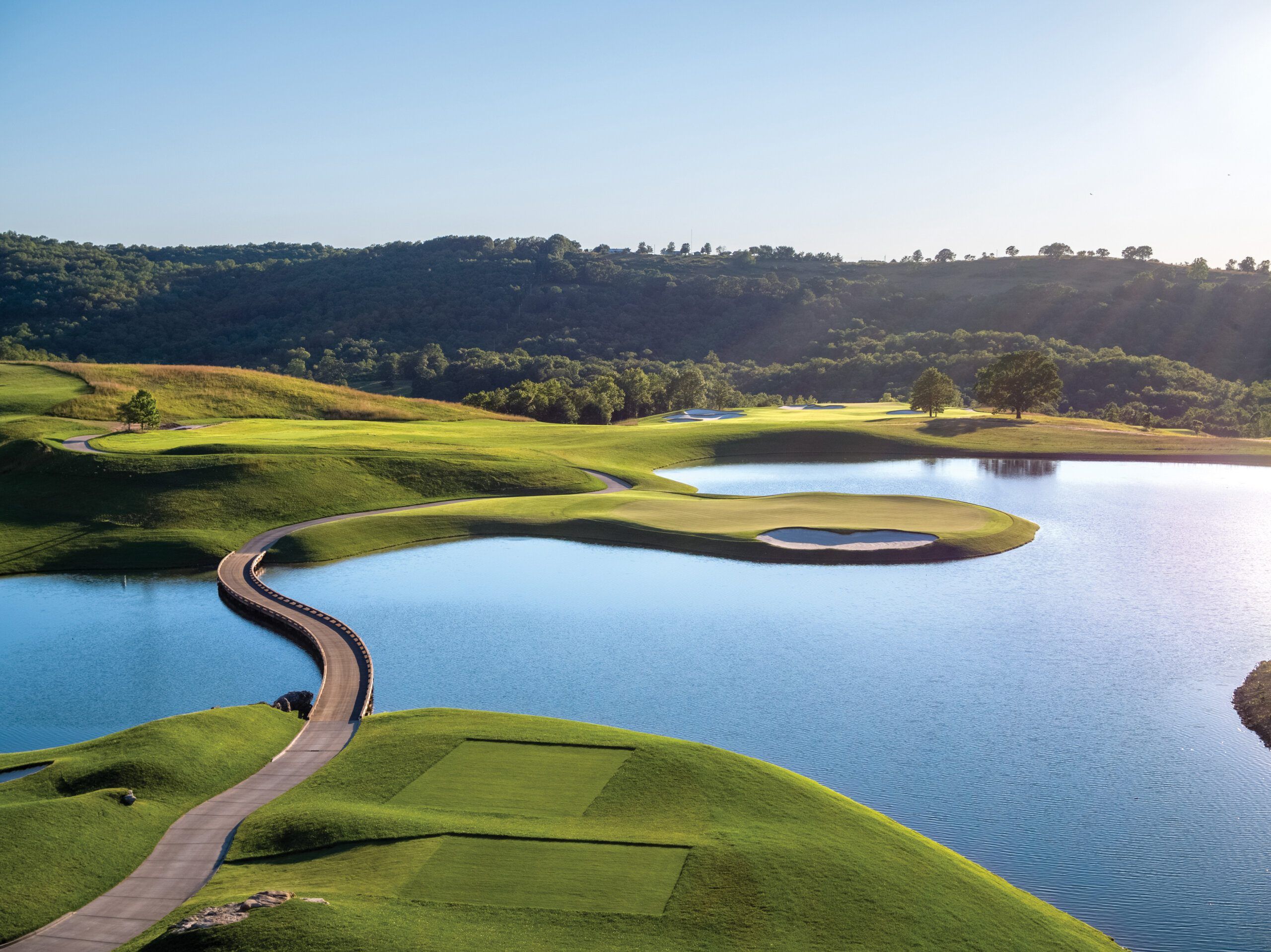
Hollister, Missouri, United States
Developer: Johnny Morris
Architect: Tiger Woods and TGR Design
Greens Fees: $345 to $400 (Must be a resort guest to play)
Payne’s Valley at Big Cedar Lodge, a collaboration between Tiger Woods and conservationist Johnny Morris, honors Payne Stewart with a design that celebrates golf’s connection to nature. The 19-hole course winds through cliffs, waterfalls and Ozark valleys, offering both challenge and playability. Its dramatic mile-long finish through natural caverns and streams cements Payne’s Valley as one of the most visually stunning golf experiences in America.
This article originally appeared in the 2025 Golf Inc. Design Issue.