

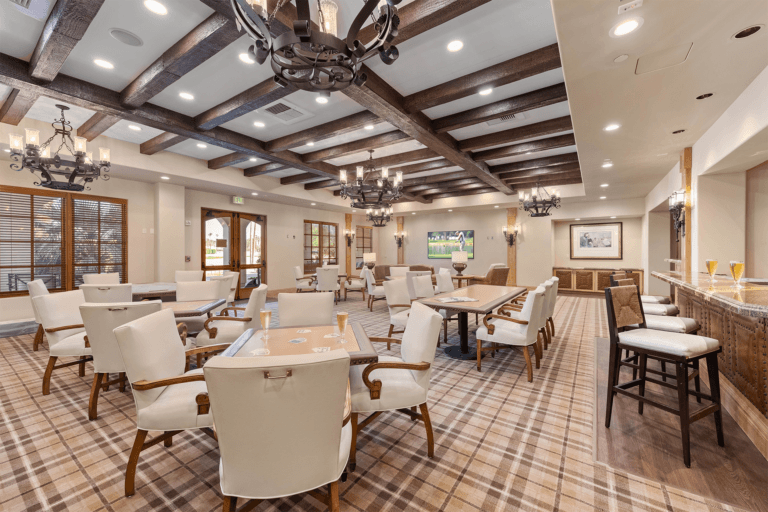
There was a time in the not-so-distant past that clubhouses were simply spaces for folks to gather and have a drink and a bite to eat after finishing their rounds. But those days are long gone — and they’re not coming back.
What’s changed? Clubhouses are now flexible, hospitality-driven environments. They don’t just offer food and beverages. They support members’ expectations for family activities, remote work, social events, year-round amenities and wellness.
Clubs of all types (daily fee, private and resort) must respond accordingly. If they haven’t done so yet, they should rethink their clubhouse amenities, designs, programming and technology. Quickly.
Tim Castor, president of Castor Design Associates, Inc., can attest to this.
A clubhouse interior designer, Castor has noticed a major shift in the club industry, especially during the past five to 10 years. Clubhouses once provided three main offerings: golf, food and beverages. But now the member experience has expanded considerably to include fitness centers, hair salons, massage rooms and nail parlors.
Each amenity is designed to be as elegant as possible too. Fitness centers have decorative light fixtures, elaborate ceilings, gorgeous colors, hydration stations and music. Massage rooms are becoming more renowned for their beautiful artwork, elaborate wall coverings, well-crafted wood lockers and carpet benches wrapped in leather. And gourmet coffee shops are being added to clubhouses along with snack rooms and yogurt stations.
“It’s like going from a Model T to a new Jaguar,” Castor said. “Clubhouses are one-stop shops, and the club experience lasts all day, rather than just four hours of golf.”
Ryan Doerr, president and CEO of Strategic Club Solutions, has noticed an influx of younger members at clubs across the United States, and boomers are embracing luxurious club experiences more regularly.
“Members are becoming accustomed to a higher end of luxury living so clubs have to raise the bar to meet their expectations,” Doerr said.
To “raise the bar,” clubs are increasing their dining options and family-friendly activities and programming within their clubhouses. They’re also repurposing the clubhouse space to accommodate members’ ever-evolving requests. Some clubhouses have been completely redesigned while others have been re-concepted, from interior refreshes to new builds, all in response to current and potential trends.
Food, beverage and clubhouse strategies
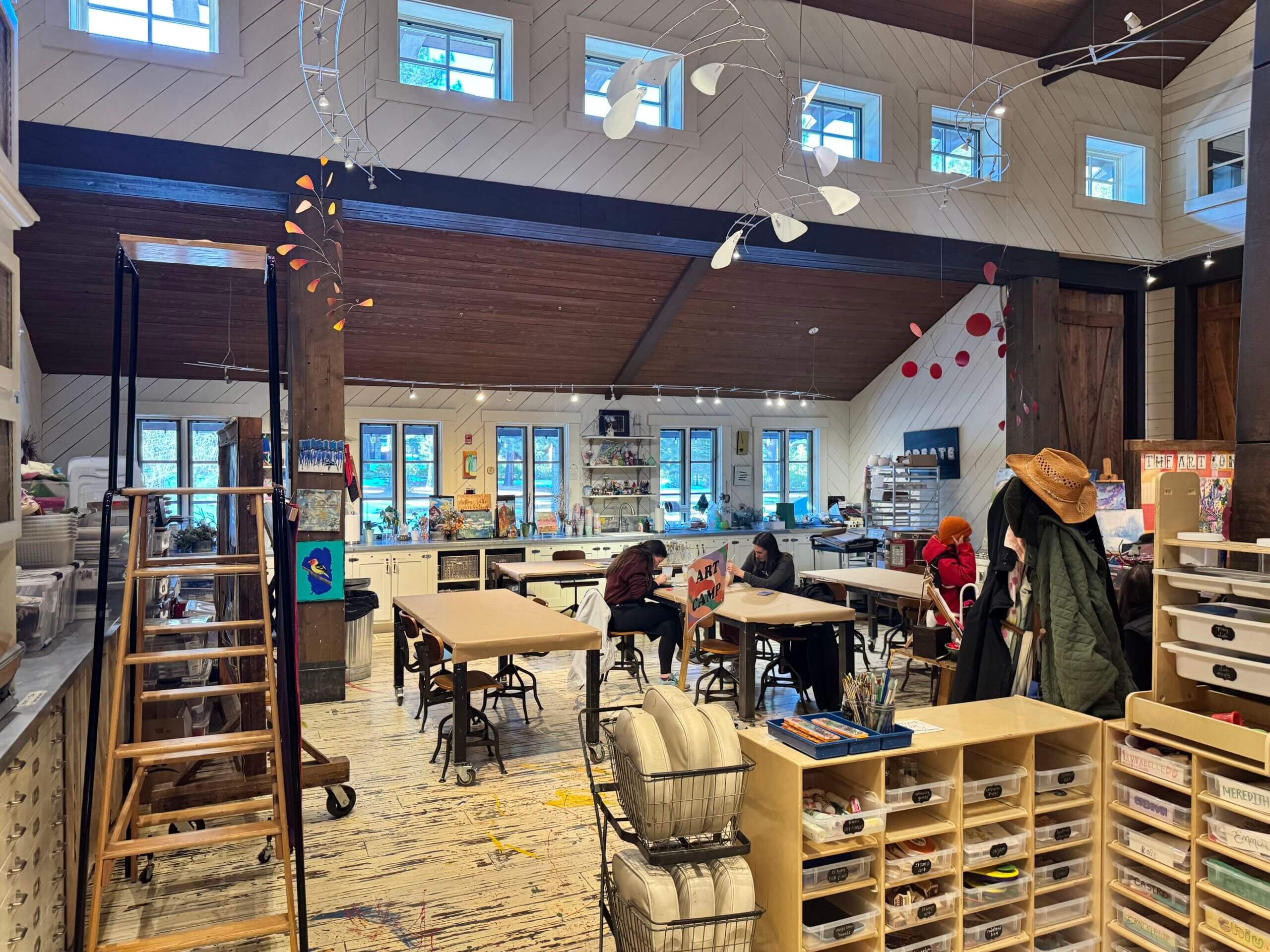
With the expansion of practice facilities, Doerr said golf simulators are becoming more popular, and food and beverage options are changing to include balanced, healthy options and children’s staples such as chicken tenders and fries.
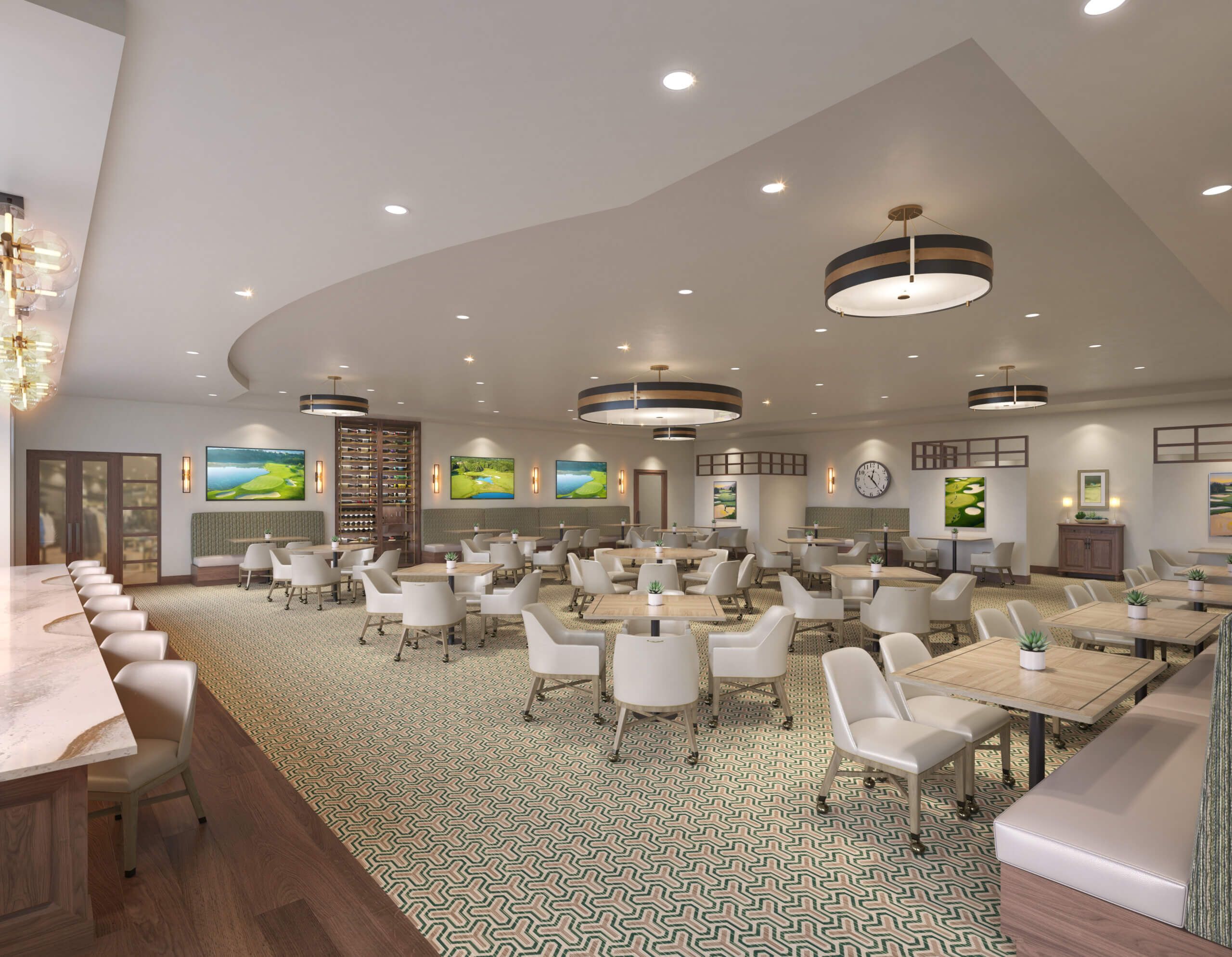
Beyond traditional offerings, members are seeking dining diversity, including casual, fast casual, grab-and-go and elevated dining, which isn’t necessarily formal in dress code. Casual and ultra-casual — from the atmosphere to the dress code to the menu offerings — are the new norms, while formal dining continues to decline.
Clubs are seeking distinct looks that match their personalities such as the custom carpet Castor designed for Indio, California’s Heritage Palms Country Club, with palm trees to complement the club’s location.
“It’s a reflection of the club’s personality,” Castor said. “It’s fresh and inviting and members are proud to show it off.”
For Avondale Golf Club in Palm Desert, California, Castor incorporated its surroundings by updating the food and beverage spaces with warmer lighting, modern flooring and enhanced views of the Santa Rosa and San Jacinto Mountains, leading to a rise in member satisfaction.
Clubs are boosting the usage of their restaurants too, resulting in longer hours and higher profits. Along with sit-down restaurants, clubhouses are adding bistros and grab-and-go options that feature tables where people can work. These types of co-working spaces have become popular as parents can now work on their laptops while their children play nearby.
“Having a space that is comfortable for members to come in and work and have a beverage and snack is important,” Doerr said. “It’s a third space outside of work or home for them to focus or just meet up and connect with someone.”
A focus beyond golf
With clubs offering more than golf, fitness amenities are fluctuating. In larger, high-end private clubs, alternative fitness therapies such as cold plunges and red light are increasing. Longevity is the name of the game as members are determined to stay healthier longer.
“These therapies add value for dues,” Doerr said. “They’re movements that aren’t going anywhere anytime soon.”
Castor has observed another longevity trend at clubs. To increase employee loyalty, clubs are making room for employee appreciation. They aren’t just adding a small plaque on the wall that mentions an employee anymore. Rather, some clubs, such as The Farms Golf Club in Rancho Santa Fe, California, have created full walls of fame, which recognize numerous employees.
“It’s all about retainage — of members and employees,” Castor said.
While focusing on amenities, offerings and clubhouse additions that are beyond the norm of nine- or 18-hole rounds, clubs are providing luxury and uniqueness — without losing sight of balance, particularly regarding practical returns on investment. According to Doerr, third-party involvement helps clubs remain practical and balanced since they’ll receive assistance with long-range planning via focus groups and member surveys.
“Every club is different. A $50 million new clubhouse or a multi-million-dollar reimagination of current spaces will never make sense on a balance sheet for most multi-course operators,” Doerr said. “But for a member-owned club, if a clubhouse will last for the next 60 to 70 years, it’s a good investment.”
To help clubs have more practical ROIs, Castor Design Associates offers its clients $3 million renovations while only spending $1 million. This type of deal is provided in three key ways: its usage of materials, buying power with manufacturers and employment of subcontractors who understand the required level of expertise.
“For example, we used a million dollars from Jeff Christensen of Sierra Golf Management to spread throughout Avondale Golf Club evenly,” Castor said. “And we accomplished that through our usage of carpets, furnishings, lighting and tabletops.”
Enhancing experiences through technology
Club operators are implementing technology to improve the member experience. Tablets and apps are becoming popular, allowing clubs to shorten the service times and deliver food to more areas outside of the restaurants.
Software- and online-based reservations have boosted clubs’ organization too, Doerr said. This technology enables employees to spend less time on the phone, allowing them to focus more on other aspects of the member experience.
Another technology that is exploding at clubs is the offering of golf simulators, Castor said, with some members joining clubs for that technology alone.
“Golf simulation is through the roof,” Castor said. “It expands members’ golf games away from the course and allows them to receive tips from a golf pro — all while being involved in a completely different experience than a normal round.”
When it comes to the future, the sky is truly the limit for clubs. Whether they’re adding heated furniture to increase their clubhouse hours or providing members with their own wine lockers, clubs are constantly innovating.
“Flexibility is important,” Doerr said. “Clubs must continue to renovate, elevate and stay relevant, all while listening to their members.”
“Members want to feel special and be part of something that’s special,” Castor added. “Clubs must bear that in mind with everything they do and offer.”
This article originally appeared in the July/August 2026 issue of Golf Inc.