

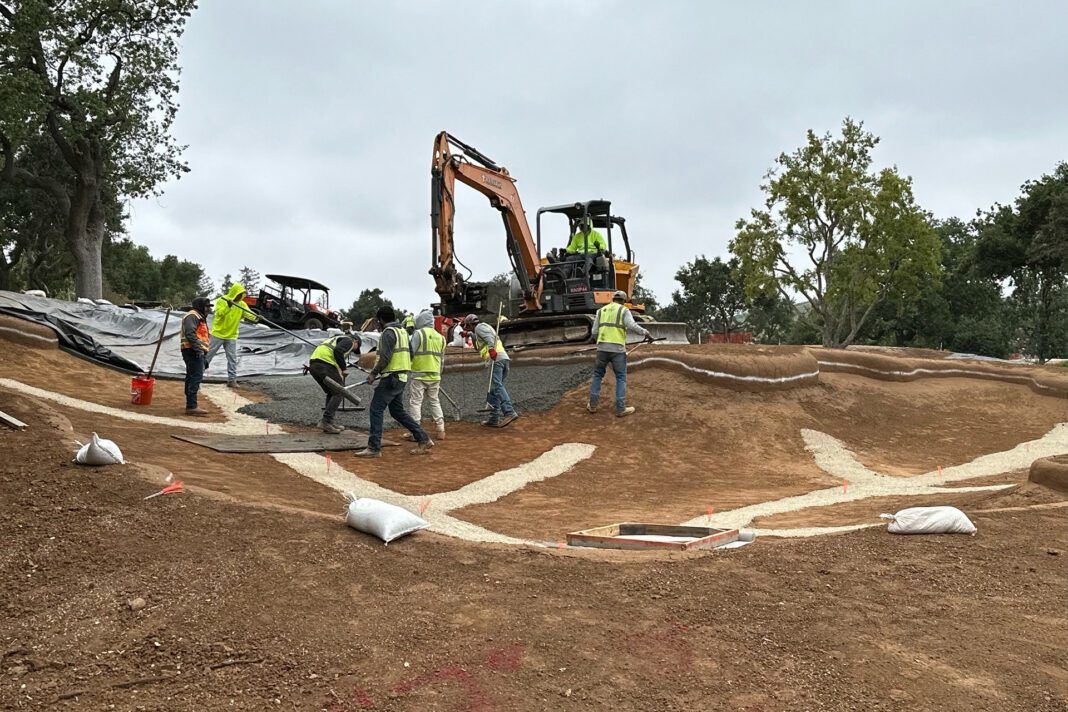
Building a smarter golf course is not necessarily about spending more money. It is about knowing where to spend it, planning earlier and making decisions based on how the property will perform years after construction crews leave.

Owner-operators and builders are taking a longer view of new construction and renovations.
Irrigation and drainage systems are becoming more precise. Drones and digital tools are changing how projects are planned. Autonomous mowing is influencing infrastructure decisions before equipment arrives. Sustainability is shaping choices about turf, water and native areas.
The definition of the golf property itself is also changing, with practice facilities, short courses and technology-enabled ranges entering the conversation.
For Jim Flynn of Landscapes Unlimited, smarter construction starts before moving the dirt.
“We spend considerable time upfront vetting project details, asking tough questions and thinking through every aspect of a project before construction begins,” Flynn said.
That process helps owners avoid costly changes during construction while making sure capital is directed towards improvements that create the greatest long-term operational and experiential value.
A bigger vision
The scope of golf construction has changed considerably over the past decade.
Flynn said owners are increasing thinking beyond individual course improvements and considering the entire property — golf, practice, clubhouse, lodging and other amenities — as part of a broader long-term plan.
Technology has changed construction too. Machine-controlled equipment, drones, precision irrigation and digital reporting are improving accuracy, communication and early identification of potential problems.
Jon O’Donnell, president of Heritage Links and president of the Golf Course Builders Association of America, sees drones being used before and throughout construction to give architects and builders aerial views of the site and its progress. AI-assisted software can perform takeoffs and map terrain contours, reducing time spent manually measuring.
But building smarter is not simply about technology. It also means understanding who will use the property.
Nate Watkin of SOX Erosion Solutions said owners are considering a wider range of golfers, including women, children and families. That can mean shorter tees, par-3 opportunities, technology-enabled ranges and lighted facilities that extend use of the property beyond a traditional round.
Spend where it pays back
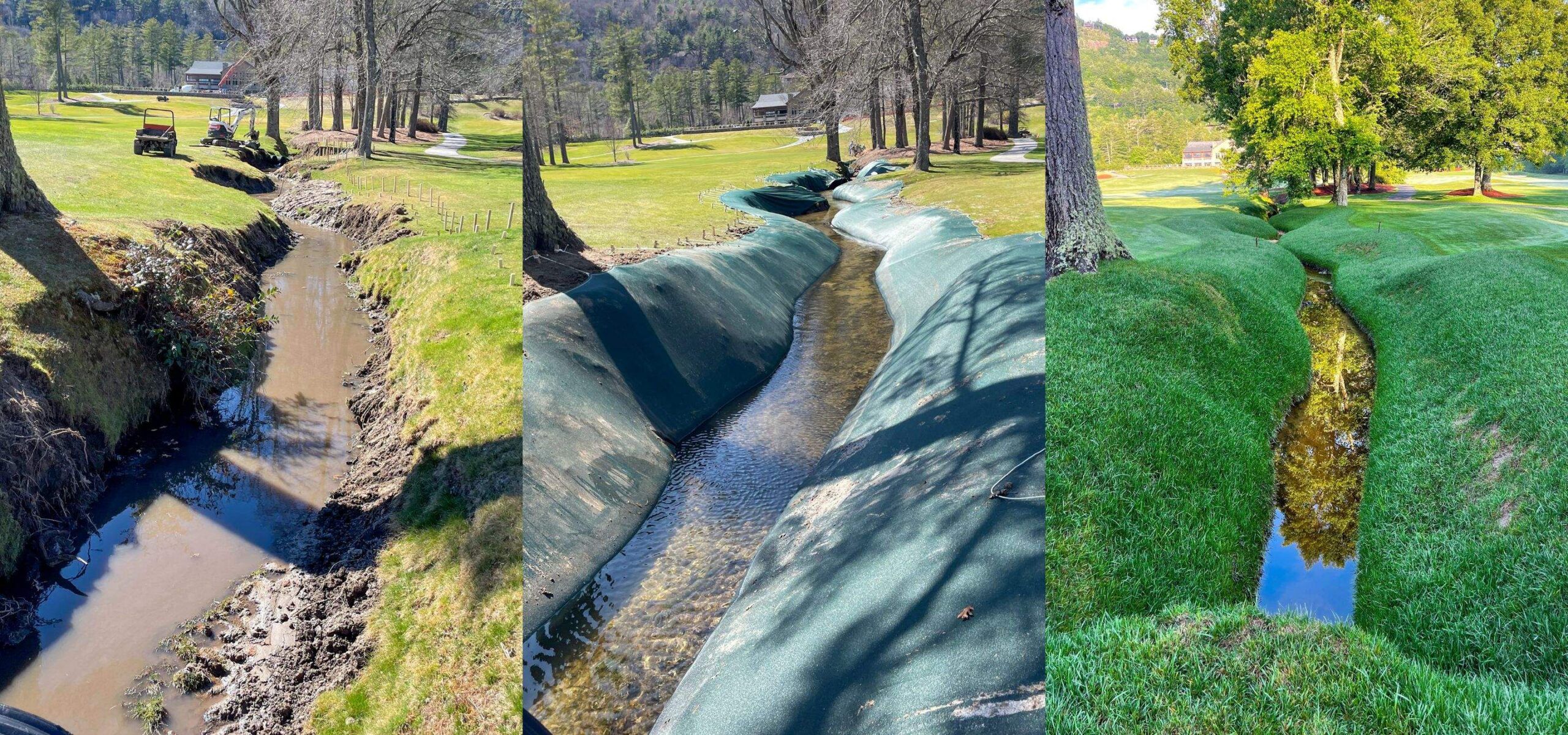
When asked which investments deliver the fastest return, Flynn starts with infrastructure. Irrigation, drainage and improved turf varieties can lower maintenance costs, improving course conditions, which can support rounds and overall member satisfaction. O’Donnell is also seeing significant spending in those areas, including new greens, irrigation lines and systems, pump houses and fairway drainage. Soil-moisture sensors can tell superintendents when greens need water and how much, allowing more precise irrigation.
But smarter spending also means protecting those investments. Watkin said erosion control should be considered when construction or renovation affects lake banks, creek banks and other vulnerable areas of the property.
“You’re spending all of this money and you’re impacting all of the lake banks or creek banks on your property,” Watkin said. “What are you doing to protect that asset?”
For owners, that shifts the ROI conversation from what produces an immediate return to what can prevent a larger expense later.
Sustainability meets operations
Sustainability is also becoming more closely tied to operating efficiency.

“It’s not just about using less water,” Flynn said. “It’s about building courses and clubs that are more efficient to operate from day one and over the long term, without sacrificing quality.”
That includes water use, turf and chemical applications, wildlife and habitat management and decisions made during planning and construction.
Watkin offers a more nuanced view. He has seen less maintained turf and greater use of native landscapes, but said owners must balance environmental goals with playability.
“It’s really trying to balance the sustainability and the experience,” Watkin said.
That thinking is also reaching the portfolio level. Concert Golf Partners recently enrolled its portfolio of more than 40 private clubs in Audubon International programs designed to improve environmental practices and conservation, with select clubs pursuing Cooperative Sanctuary for Golf certification.
Build today for tomorrow’s tech
Few trends illustrate long-term planning better than autonomous mowing.
Flynn said Landscapes Unlimited teams are already incorporating charging infrastructure during construction even when autonomous equipment is not part of the immediate plan.
“It’s much easier and more cost-effective to prepare for the future now than retrofit a course later,” he said.
Jason Connor, director of commercial robotics for Husqvarna North America, connects the technology to another industry challenge: labor.
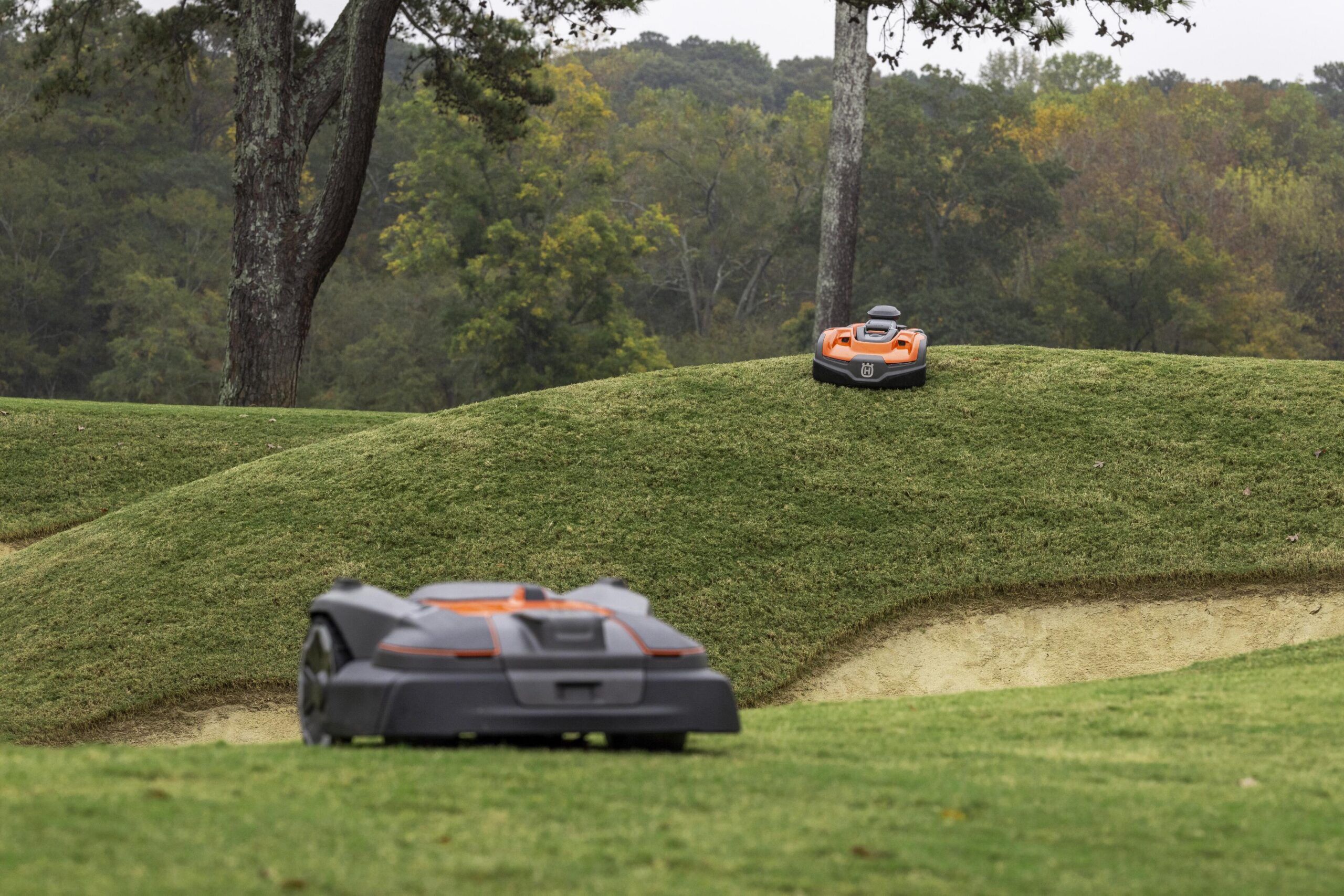
“Autonomous mowing operations can provide relief for the superintendent and give them hours back to focus on tasks that often get deprioritized,” Connor said.
Future courses also need to consider power infrastructure, placement and concealment, Connor said, as planning those elements during construction can save money through proper sequencing.
O’Donnell is more direct on the matter: “If you’re not already using autonomous mowers, you’re already behind.” He advises owners to consider future maintenance and labor costs during renovation or new construction and include autonomous technology in capital planning.
Don’t forget the seam
Building smarter also requires looking beyond the edge of the fairway.

Tim Christman of Barringer Construction describes the important “seam” where horizontal course construction meets the vertical construction of other structures. The contractor works with civil engineers and golf course architects to coordinate where those scopes meet.
That becomes more important as clubs combine practice facilities with teaching buildings and technology.
Christman described a project in design that integrates a renovated driving range with a teaching facility, indoor and outdoor hitting opportunities and Trackman technology. The challenge is making the building, topography, range floor, grass teaching areas and indoor components work together.
Poor coordination can create drainage, elevation and other problems when working from interconnected plans.
Christman’s advice: Establish your team early and then bring everyone to the table with enough time for the different disciplines to work as one team rather than solving problems independently.
Plan the disruption
Smart construction also means understanding what happens while work is underway.
Construction costs remain high, O’Donnell said, and site conditions can dramatically change project economics. Remote locations can add infrastructure, lodging and travel challenges.
Renovations bring another calculation: downtime. Closing all or part of a course means lost revenue. O’Donnell said some owners are combining major improvements to minimize closures and scheduling work during the offseason when other activities can help maintain revenue.
Watkin sees some properties taking the opposite approach, spreading improvements across several years or completing six or nine holes at a time. The key is having a master plan that considers members, closures and capital reserves. He is seeing owners develop one-, three-, five-, seven- and 10-year plans instead of approving individual projects and hoping the money will be there later.
Think 20 years ahead
That may be the biggest shift in smarter golf course construction. Instead of simply asking what can be built today, Flynn said owners are asking what will make sense 20 or 30 years from now.
Even 18 holes is no longer automatically the answer. Flynn said owners, architects and builders are considering whether 15, 12, nine or even six holes might make more sense for a particular property and market.
The smartest construction decisions focus on what a course will need tomorrow, not just what can be added today. But if that future calls for 13 holes?
“We still try to avoid 13 holes for superstitious reasons,” Flynn said.
This article originally appeared in the September/October 2026 issue of Golf Inc.