
Tech-savvy superintendents are in high demand, but the range of skills needed is more expansive than ever before.
————
As sure as Bob Dylan sang “the times they are a-changing,” the requirements for a good superintendent have changed along with them.
Once upon a time, sticking a knife in the turf and following your gut was all it took to figure out when to water the greens and how much fertilizer to apply.
Nowadays that’s only a fraction of the job a modern golf superintendent has to tackle on a daily basis. Not only that, but the technology with which they do it has also continued to advance, providing a whole new world of data — data that is irreplaceable, but also broadens the responsibilities at the same time.
Much of that technology is affordable and easy to use, but some of the cutting-edge tech in the industry can leave some courses in the lurch until it’s adopted by more people and eventually becomes more affordable. In such cases, courses have to get by with the equipment and supplies they already have and make more out of less.
While a great love of golf and a desire to work outdoors is still important, it’s no longer enough for superintendents just to know their way around turfgrass. The superintendent needs to be well versed in environmental and fiscal sustainability, and to be able to deal with booming club memberships and exponential increases in rounds played.
“Golf itself is challenging, so why shouldn’t working on a golf course be challenging,” said Justin Sims, director of grounds and facilities at The Alotian Club in Roland, Arkansas.
But, overcoming challenges and seeing the results of your labor is a major reward, he said.
The golf course superintendent wears many hats these days: master gardener, business manager, mechanic, tech expert, hydrologist, meteorologist, diplomat.
“You have to have your head on a swivel,” Sims said.
Successful superintendents have business acumen, said Bob Farren, director of golf course maintenance at Pinehurst Resort in North Carolina.
“The number of superintendents managing million-dollar budgets is growing every day,” he said. “And, it’s important to understand that as much as 60% of this will be payroll or investing in people. Leadership and engagement skills are much more important now than 30 years ago.”
The superintendent’s job is a very visible position and requires interaction with many people, from line employees to club trustees.
“Communication and resource management is critical,” said Jordan Booth, senior director for the United States Golf Association’s course consulting services. “Think about it: The superintendent is responsible for more than half of the club’s assets.”
Cole Thompson, director of the USGA’s turfgrass and environmental research division, agreed that good communication is a key asset for superintendents.
“They will always need the soft skills, the ability to work with people, communicate across the spectrum from the board of trustees to the ground crew,” he said.
Ultimately, the goal for any superintendent is to create a great golf experience while using best practices to do so.
Scott Nickerson, director of golf at Oliver D. Appleton Golf Course at St. Lawrence University, said that the biggest challenge a superintendent faces is simply the expectations of the golfers.
“They want fast greens, they want consistent bunkers, they want everything,” he said. “No matter where you are, you have to deal with those expectations because of what they see on TV. That’s probably the biggest challenge: producing a product that’s playable and respectable at a low-end budget.”
If you are looking to hire a superintendent, here are some points to ponder, provided by some of the most knowledgeable folks in the business.
Training and education
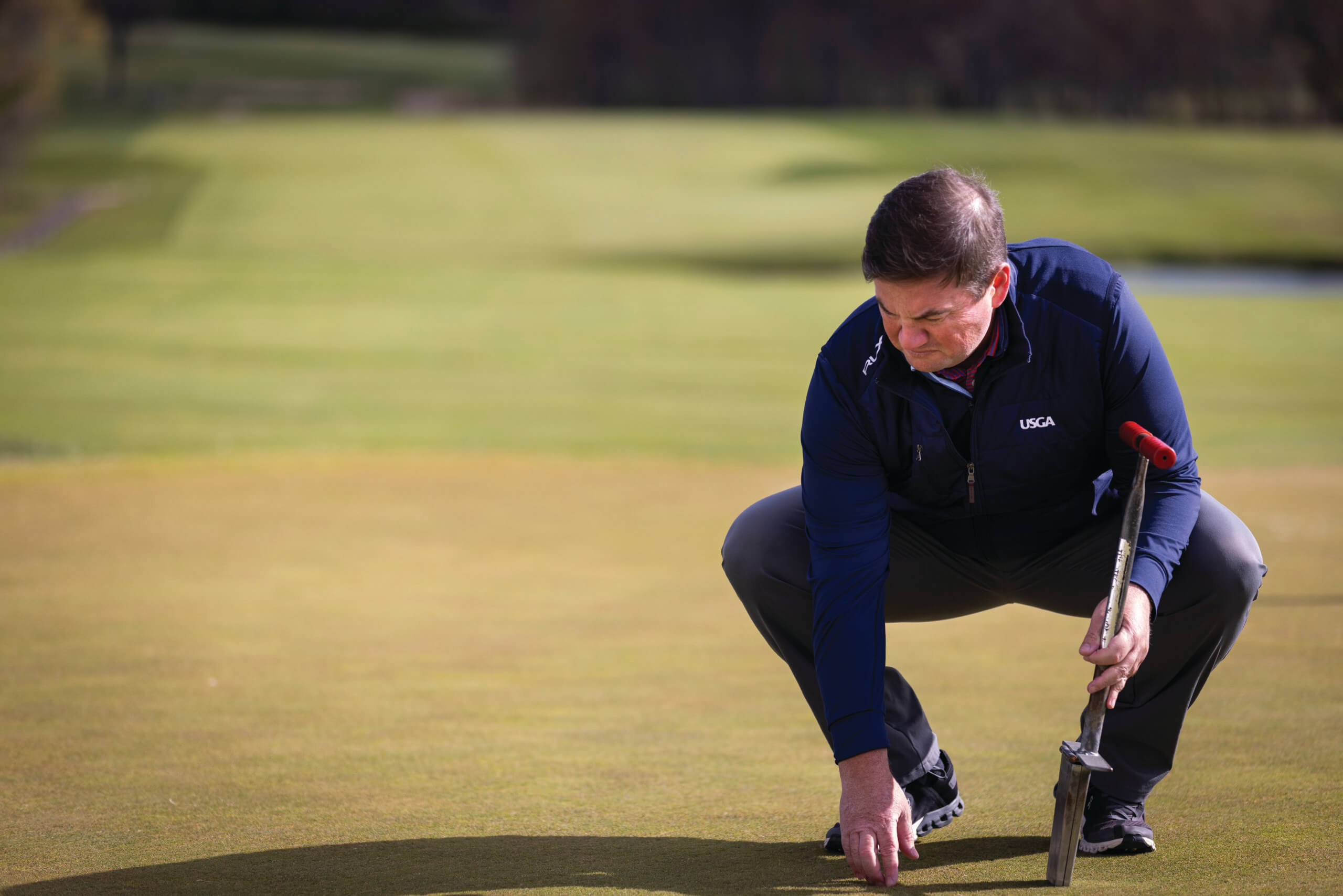
Superintendents today are more educated than in the past, as there are specialized tracks and courses of study offered at the college level. Nickerson noted, however, that the current pool of trained superintendents is smaller than it used to be because turf education programs at universities around the country have shrunk in recent years.
“We just don’t have the assistants and the superintendents that we had before,” he said. “People are hiring assistants or second assistants or assistants in training that have absolutely no training whatsoever, and they’re starting at the very bottom with these titles.”
Part of the trick is knowing that such opportunities are available, which is where the USGA comes in.
Thompson said he began playing golf in high school. Then he noticed the people who were working on the course, started asking them questions, and got a job on the grounds maintenance crew, picking up range balls and changing cups on the greens.
“I eventually went to school for it, but until I got involved in golf, I had no idea these careers even existed,” he said.
In the early 1920s, the USGA partnered with the U.S. Department of Agriculture to help superintendents stay up to date on advances in turfgrass science. This led to the formation of the USGA’s Green Section, which provided information to superintendents regarding research and developments in agronomy.
Today, the Green Section has scientists across the U.S. who continue to provide research and data, not only on turfgrass but on agronomy, hydrology and other related aspects.
The Green Section Record, founded in 1921 and published twice a month, is used to disseminate the most up-to-date information to superintendents. The USGA also provides consulting services.
Booth, Farren and others launched a continuing education program in the Pinehurst, North Carolina, area a few years ago. It includes classes on turfgrass, soil, water and pest issues. Booth and Farren plan to incorporate and add classes for those interested in mechanical topics.
Technology for the everyman
Technology can be a huge help in cutting down busy work and bringing the most important details to the forefront. Nickerson believes that much of the recent technological innovations in the last few years are huge boons for superintendents, though for certain things it may take some time to reach widespread adoption and affordability.
Autonomous mowers and automatic irrigation systems are currently expensive and mostly out of the reach for the average lower-end golf course. But high-end courses with larger budgets show how useful and time-saving they can be, and eventually the technology comes down in price so that more people can take advantage of its benefits.
“The hard sell is a lot of the initial cost is high, but then you have to look at what the results are going to be and what it’s going to get you in return,” Nickerson said. “It absolutely gives that superintendent just a little more edge on what he’s doing.”
Tech-savviness is much more of a requirement nowadays. The way the wind is blowing, tech is permeating every level of a superintendent’s job, from managing irrigation schedules to tracking GPS golf carts to course weather analytics to dozens of other metrics.
Farren noted that the job requires a healthy mix of the art of greenskeeping — those intuitions and feelings formed by years of experience — and the science of greenskeeping — the right technology, research and data needed to succeed.
Booth pointed out that data, in and of itself, does not reveal as much in the moment as it does over time.
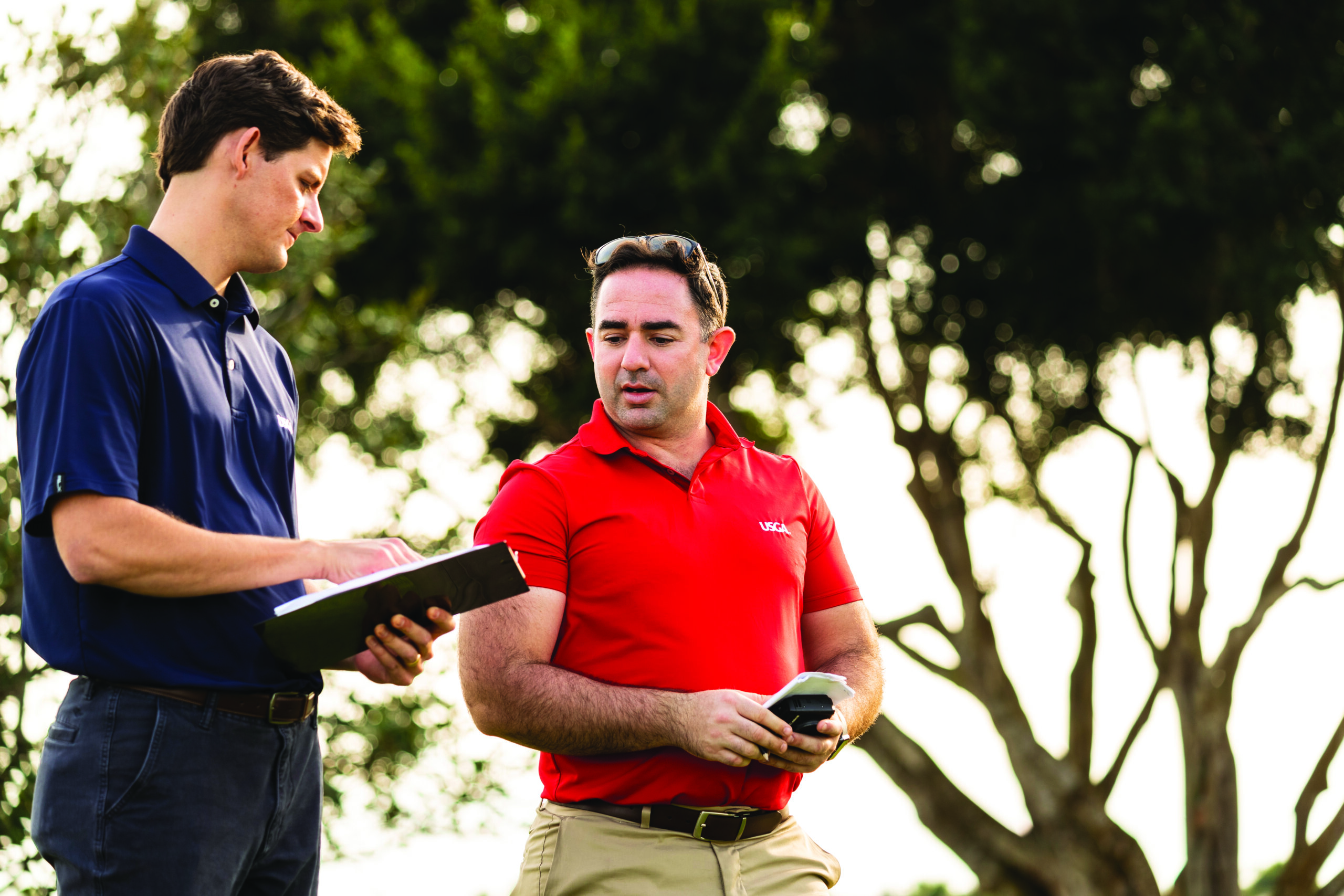
Maximum economic and environmental sustainability will be achieved by taking a detailed, site-specific approach to a golf course. Therefore, what superintendents will need to know will in large part depend on where they are working.
For example, knowing which turfgrass is most appropriate for a particular geographic area is key.
In addition, how much water and fertilizer to apply, when to apply it and how to handle other issues such as pests can vary from place to place, even on the same golf course.
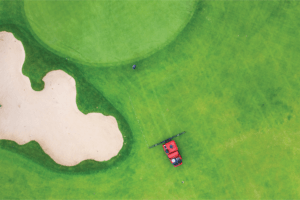
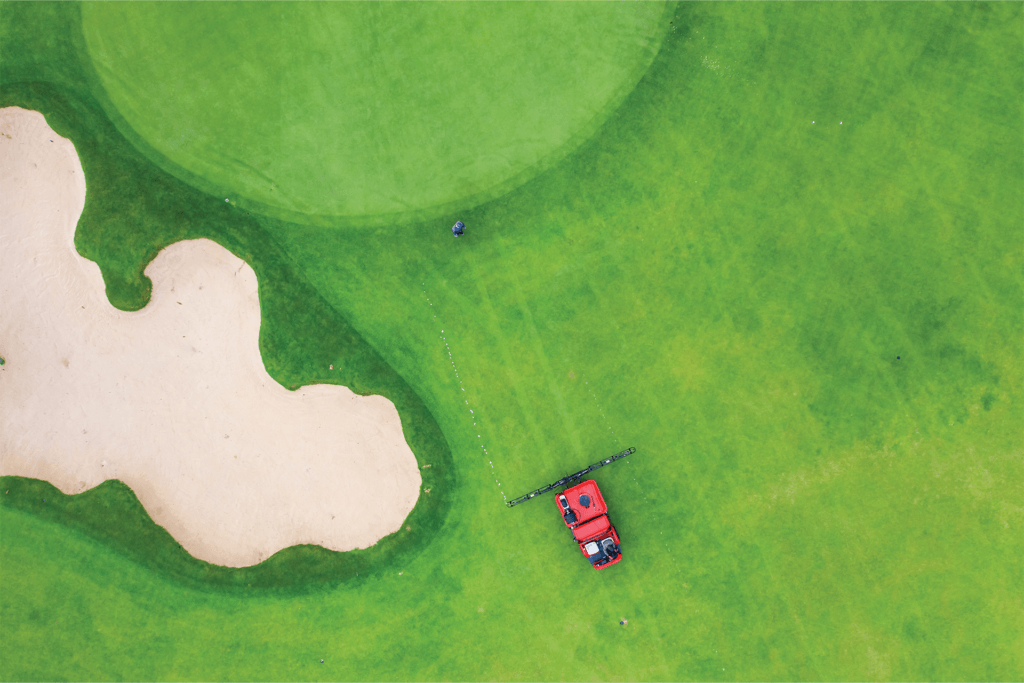
Thanks to technology, much more detailed data and new, improved tools are available to help the superintendent do precisely that. From automated mowers, GPS-guided irrigation systems, sprayers with remotely controlled nozzles and sophisticated soil-sensor data analysis, many tools are available and are being refined every day.
However, it has taken time for some technologies to catch on. Only in the last few years have they caught on in the industry and proliferated.
“A lot of tools we are using now have been around a while; it just has taken time and effort to make it practical for them to be adopted by the mainstream,” Thompson said. “Soil sensors, for example, have been around since the 1980s.
“It comes down to education. A lot of people are not usually ready to change from what they’ve always done, but when they see the value, they usually take hold of it.”
The personal touch
Education is more than simply sitting in class. Work experience is vital, since it provides a real-time, real-world perspective.
One of the most important components of the education process is interaction with others. Farren noted that superintendents, as well as all successful hospitality-related professionals, have learned the importance of being a part of the community in which they do business.
Communication and leadership skills are vital.
Nickerson noted that the best superintendents are the ones that are hands-on and adaptive to the issues that come up at a club.
“It’s very instant gratification, it’s visual,” he said. “You know when it’s good, you know when it’s bad, but your feedback is instantaneous. One of the things that a superintendent loves is being out on the golf course and seeing his product and, regardless of budget, making it as good as it possibly can be.”