

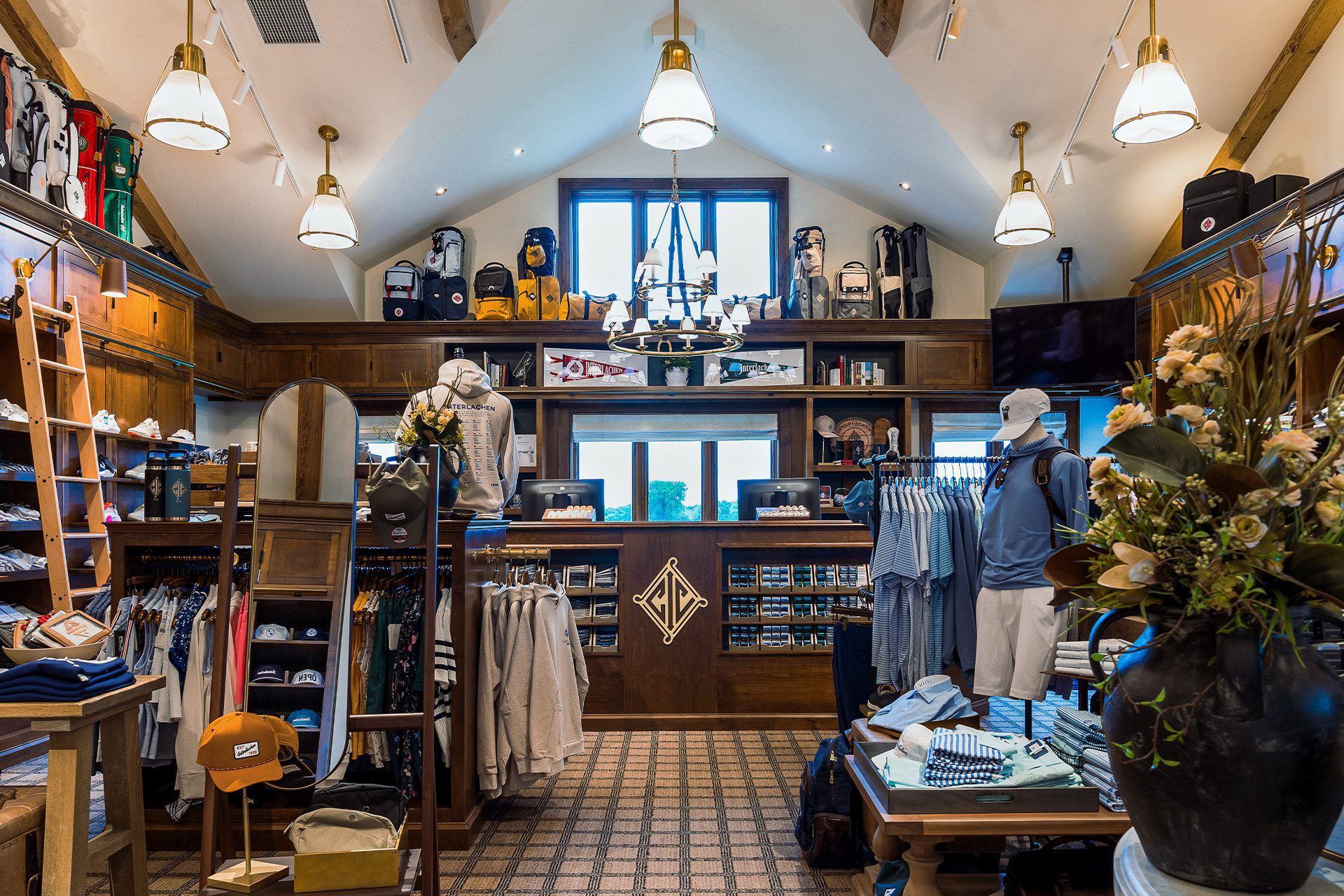
Golf course pro shops, both public and private, are navigating a retail landscape shaped by evolving consumer expectations, economic pressures and technological advancements.
While public facilities often grapple with tight margins and budget constraints, private clubs are leveraging new strategies to drive profitability.
Jennifer Morton, CEO of the Association of Golf Merchandisers, said to mitigate losses, public pro shops are exploring strategies such as streamlining inventory, enhancing visual merchandising and adopting basic customer segmentation to tailor communications via email or text.
“Frequent shoppers get early access to new arrivals, occasional buyers receive incentives to visit more, rare visitors get ‘rediscovery’ invitations to special events,” she said. “Implementing a tailored approach can lead to improvements in email conversion for greater profitability.”
Many private club pro shops are leading the way in retail innovation, embracing hyper-personalization to cater to their members’ preferences, Morton said.

“This trend involves leveraging artificial intelligence and data analytics to offer customized experiences, such as personalized club fittings, apparel suggestions based on weather conditions and targeted marketing campaigns,” she said.
According to AGM, members significantly outperform national merchandise sales averages, highlighting the effectiveness of personalized retail strategies.
“By focusing on individual member preferences and creating exclusive shopping experiences, private clubs are transforming their pro shops into profitable, member-centric spaces,” Morton said.
As consumer expectations continue to evolve, both public and private course pro shops will need to adapt to remain competitive, she added.
“As pro shop retail reaches new levels, look for the use of QR codes on hanging tags of merchandise to lead to additional technical insight into putters or a video to demo the proper club swing,” Morton said. “This type of engagement will provide an experience that consumers crave.”
Member-centered strategy
At Country Club of Indianapolis, boosting revenue in the pro shop isn’t about gimmicks or flash; it’s about relationships, relevance and results.
Jeff Parsons, general manager, oversees operations at CCI and credits the club’s revenue growth to a blend of strategic planning, member-focused perks and consistent event-driven engagement.
George Arvanitis, director of golf at CCI and all its Links Asset Trust clubs, has led the golf operation at the course for more than two decades. He owns and operates the pro shop.
“The shop it’s not just stocked; it’s curated,” Parsons said. “Fresh product, constant rotation and merchandising that keeps new arrivals up front — that works.”
One of the most effective tactics at CCI is the seamless integration of the golf shop into the club’s outing and tournament schedule. Every outing includes a tournament prize fund, with winnings redeemed in the golf shop.

“It might be a $10 or $20 certificate, but it drives foot traffic and encourages members to browse and buy,” Parsons said.
From first place finishes to long-drive contests, all awards translate into shop credit, creating a reliable revenue loop between golf events and retail sales.
Parsons said Arvanitis leans into timely and festive promotions, including a wine-and-cheese holiday shopping event and a “Christmas in July” sale.
“These seasonal touchpoints keep the golf shop top-of-mind even in slower periods and help move merchandise in a way that feels organic rather than forced,” he said. “A standing 20% member discount also sweetens the deal. It’s a perk that keeps members loyal and spending.”
While not directly tied to the pro shop, one of the more unexpected revenue boosters is CCI’s approach to events and banquets. These events increase foot traffic on the property, creating more opportunities for incidental pro shop sales.
“Our corporate members in particular are booking monthly dinners, training events and meetings,” Parsons said. “The volume and consistency of those bookings feed into our broader operations, including food & beverage and, by extension, retail.”
The foundation of it all? Hospitality, Parsons said.
“Service is delivering what’s expected,” he said. “Hospitality is exceeding expectations.”
That mindset, he said, is what keeps members returning and spending. This commitment extends beyond big spenders. Every member, even those who visit infrequently, needs to feel valued.
For other public or semi-private golf operations looking to boost retail revenue, the formula is clear, Parsons said.
“Treat your members and guests well, and they’ll keep coming back — not just to play, but to shop” he said.
Retail revival
When Interlachen Country Club in Minnesota shut down its private golf course for renovation from June 2023 to August 2024, the disruption hit more than the fairways. It rippled through every corner of the club, especially the pro shop. With no regular rounds, no guest play and corporate events on pause, the shop braced for a drop in sales.
With two mini-seasons of the pro shop being open during the renovation, creative innovations were front and center.
Enter Katie Gates, director of retail, who turned what could have been a two-year retail drought into a story of smart pivots, creative merchandising and loyal member engagement.
Despite a projected 50% loss in revenue, Interlachen’s shop closed 2024 only 31% down, thanks to Gates’ strategy. Revenue grew in several categories.
With golf activity sharply reduced, Katie pivoted her buying strategy.

“While the basics such as gloves, balls and markers slowed with the rounds, I leaned into versatile women’s lifestyle wear that could go from drop-off to brunch to golf,” Gates said. “Brands like Varley, Spanx and Rhone joined the lineup, offering chic, comfortable looks beyond course attire.”
On the men’s side, she expanded into swimwear, beach towels and stylish lake-ready items, capitalizing on the proximity of the pool and the Minnesota summer lifestyle.
“Interlachen’s athletic programs got a boost while golf was down, with newly revamped tennis courts and year-round pickleball,” she said. “I seized the opportunity, beefing up offerings for these sports and launching trunk shows and themed events.”
Rather than treating athletic apparel as a secondary category, she curated gear and lifestyle items that catered to tennis and fitness, not just crossovers from the golf section. This resulted in members outside the golf program feeling newly seen and they showed it with their wallets.
And while the Minnesota winter may have shut down the course, Gates made sure it didn’t shut down sales.
“The pro shop was transformed into a lifestyle boutique during the holidays with an 8% increase in December 2023 revenue over the previous year,” she said.
A centerpiece of that success was the now-iconic Sip and Shop, a festive pre-Christmas shopping night complete with champagne, desserts and member-favorite promotions.
Gates also created a widely anticipated holiday gift guide, which members could browse in print, online or in the weekly member e-magazine.
“Interlachen staff modeled the merchandise in the guide,” she said. “This created buzz and even playful autograph requests when members came in to buy and recognized a staffer from the catalog.”
Custom retail catalogs have now become a year-round sales generator for Interlachen. From “Get Golf Ready” preseason specials like buy-three-get-one deals on gloves and shorts to themed promotions for holidays and lake season, the catalogs feature both in-stock and special-order items.
“Especially popular during the closure was the junior golf catalog, which packaged kids’ gear into simplified sets such as Eagle, Birdie and Par packages for boys and girls,” Gates said. “With a streamlined ordering process and drop-shipping to members’ homes, it proved essential during low-foot-traffic periods and simplified camp preparation for families.”
To mark the reopening of the course, Gates and her team introduced a commemorative emblem rooted in Interlachen’s rich history.
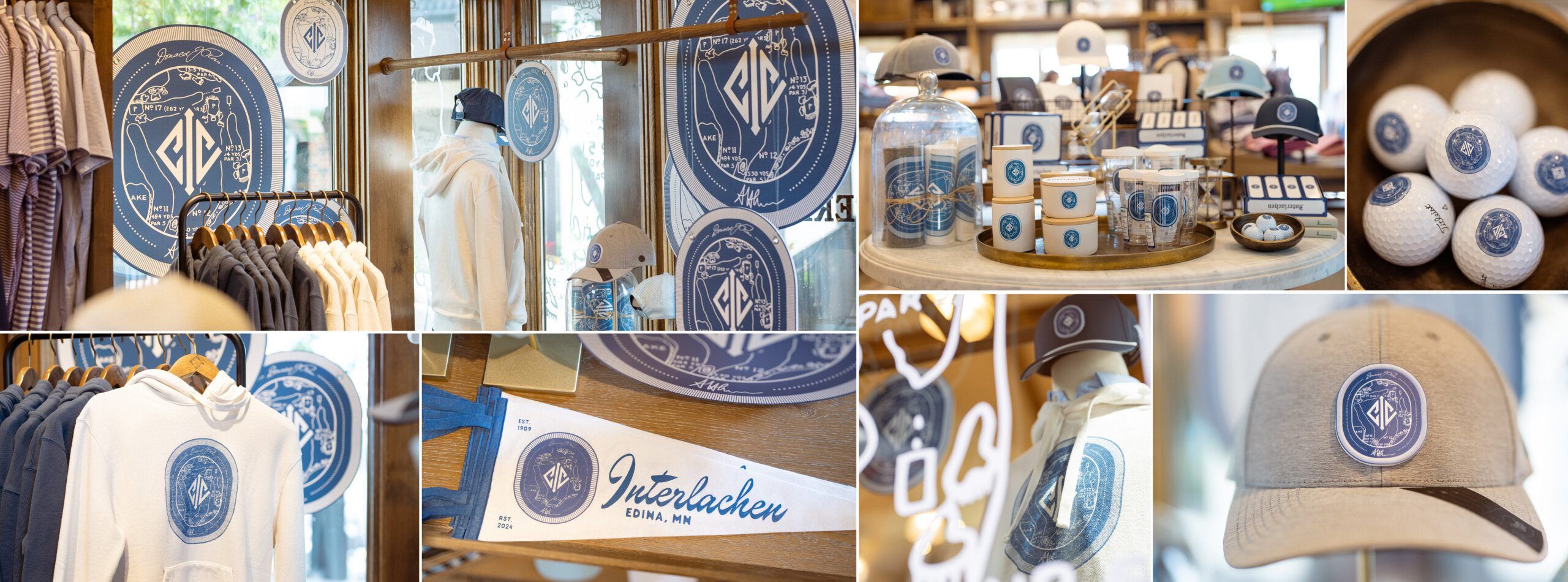 “It incorporated the original Donald Ross design, the signature of renovation architect Andrew Green and symbolic nods to the club’s 115-year history and proprietary members,” Gates said. “This exclusive design adorned limited-edition gear such as hoodies, headcovers, markers, balls, hats and even a small run of Bettinardi putters.”
Promoted on Instagram and through a club-produced video, the emblem campaign boosted revenue and brought members back to the shop in droves, Gates said.
“We didn’t wait for members to walk into the shop; we went to them,” she said. “Using Instagram and a weekly club e-magazine, new arrivals were promoted along with our seasonal gift guides, and lifestyle campaigns were tailored to specific moments from Mother’s Day to ski season, keeping members engaged, even those wintering in Florida or Arizona.”
Gates reimagined the role of the pro shop at Interlachen by blending lifestyle merchandising, digital outreach and emotional connection with the club’s identity.
“Even when the course is closed, the pro shop doesn’t have to be,” she said.
Adaptation is key
At Souris Valley Golf Course in Minot, North Dakota, the pro shop at the municipal course is more than just a place to pay for greens fees and cart rental.
Steve Kottsick, director of golf and a nearly 50-year veteran of the facility, has adapted the pro shop to meet both changing consumer habits and the needs of a growing, diverse player base.
“When I first got into the business, if you wanted a Titleist golf ball, you had to buy it at the pro shop,” Kottsick said. “Now, you can get golf balls anywhere. That means we must do more than just stock shelves in the pro shop; we need to create connections.”
At Souris Valley, that connection starts with course accessibility. By adding forward tees for women and senior players, Kottsick has increased playability. More rounds mean more foot traffic, and more foot traffic translates into stronger pro shop performance.
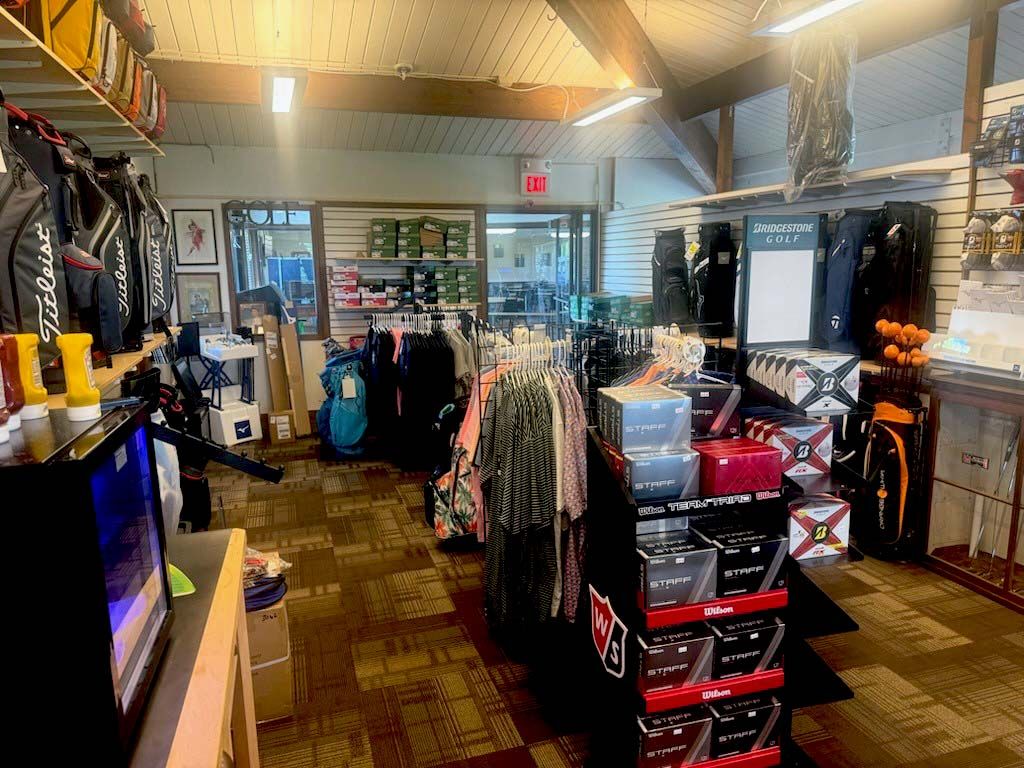
“We encourage multiple rounds with a stop in the shop to grab snacks, drinks or gear for the next 18,” Kottsick said.
The pro shop offers essentials and top-tier logoed apparel and accessories for purchase, designed for impulse buying.
“It’s like a convenience store,” Kottsick said. “When people stop in to pay for their round, we have ‘grab-and-go’ items right on the counter. Small-ticket items add up quickly when you have the volume.”
One strategy is appealing to younger players.
“Youth is the future of the game,” Kottsick said. “They want name brands and items that enhance the golfing experience such as portable speakers that hang inside the golf cart to stream their favorite playlist.”
To meet that demand, the shop sells golf cart-compatible Bluetooth speakers.
For municipal courses looking to strengthen their P&L, Kottsick offers a clear takeaway.
“Learn the habits of your players and shape your pro shop around what they want,” he said. “That’s where the profit is.”
(This story originally ran in the July/August 2025 issue of Golf Inc.)