

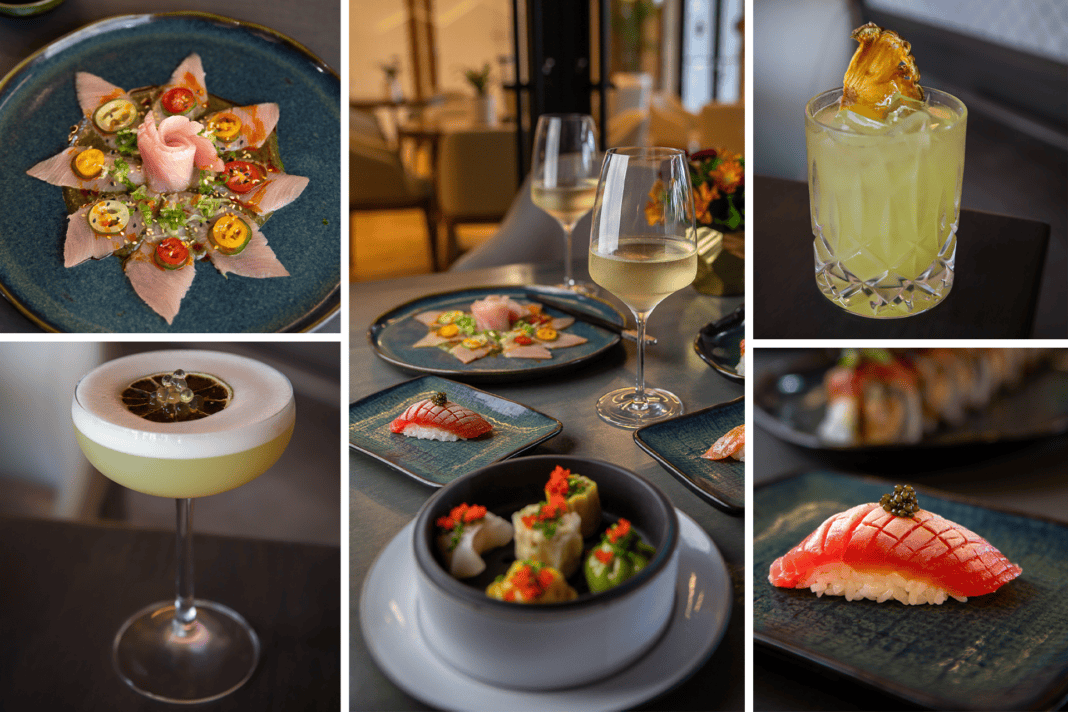
A hot dog still has its place on the golf course. But at Broken Sound Club in Boca Raton, Florida, a member can start the day with fresh juice near the tennis courts, return for sushi and dumplings at dinner or sign up for a hands-on cooking class.
“On Mondays, the familiar burger draws a crowd too,” said Gordon Maybury, director of culinary at Broken Sound. “The club serves about 500 diners on burger night during the season.”
That range captures the challenge for today’s golf operators. Members still want the favorites they grew up with, but they also bring expectations shaped by restaurants, resorts and the convenience of ordering food wherever they happen to be.
Maybury said a strong dining program gives members more reasons to spend time at the club, whether they played golf that day or not.
“Broken Sound has five dining concepts serving members with different schedules and tastes,” Maybury said. “The larger goal is to make the club feel like an extension of home.”
The order is changing
According to ClubGrub’s “2026 Mid-Year Golf Food & Beverage Trends Report,” hot dogs appeared in 3.86% of orders placed through its mobile platform in the first half of 2026, down 14.9% from the same period in 2025. The report draws on tens of thousands of orders at participating clubs. Among those platform users, fried chicken sandwiches, fish and shrimp tacos, breakfast burritos and other fresh handhelds gained popularity. Flatbreads, sliders, chicken tenders, margaritas and Surfside canned cocktails also gained ground.
Convenience matters alongside the menu. ClubGrub reported that clubs using its system recorded an average 15.5-minute improvement in pace of play as golfers spent less time waiting at the halfway house. For operators, extending service onto the course means coordinating ordering, preparation and delivery so the experience remains convenient for golfers and manageable for staff.
Premium choices are also finding a place on the course. ClubGrub’s largest single mobile order in the first half of 2026 totaled $357: six lobster rolls, two flatbreads and a dozen cocktails.
One order cannot establish a broader spending trend, but it illustrates the potential to offer more than quick, inexpensive fares to groups making a round of golf an occasion.
Demand extends beyond the round. Golf Life Navigators’ “2026 Mid-Year Buying Trends Report” said 49% of prospective club buyers weigh food and beverage heavily when forming an impression of a club. Casual dining drew interest from 94%, while interest in a sports-bar atmosphere reached 56% in 2025 and breakfast service reached 47%. Dining spaces and hours are part of the membership proposition.
Familiar, with room to explore
At Broken Sound, each venue serves a different need. CIRQ Grille and Bar offers club sandwiches, salads and roast chicken alongside burger night. Zest Restaurant serves sushi, dim sum and other Asian dishes. Moonstone Café handles smoothies and grab-and-go orders near the courts. A poolside bistro shifts from light lunches to seafood-focused dinners, while 1401 East is an Italian steakhouse at the club’s second course.
The mix lets members try something new without losing familiar meals. Burger night has evolved too: A toppings bar lets guests add bacon, avocado, mushrooms or caramelized onions while the kitchen concentrates on cooking and serving hundreds of burgers efficiently. At the poolside bistro, a tuna salad at lunch becomes a dinner entrée with seared fresh tuna.
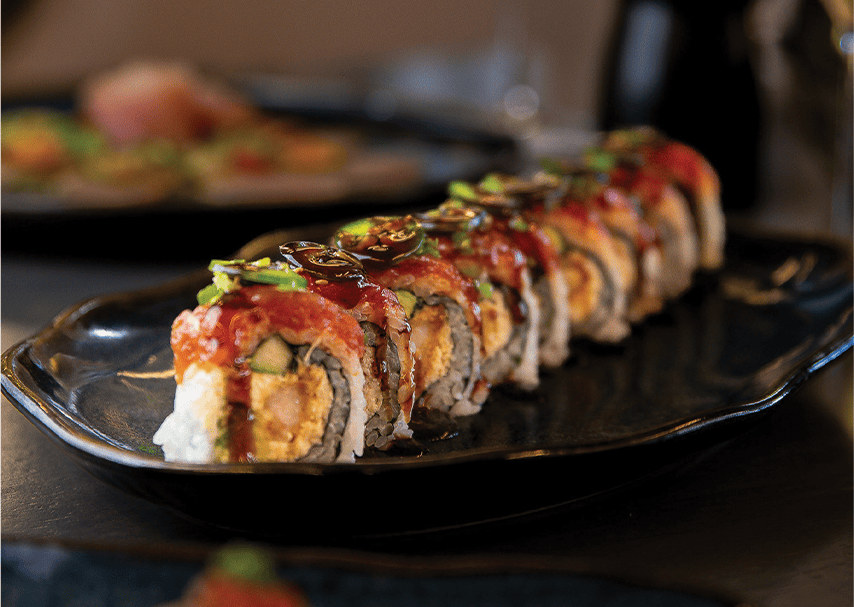
Maybury said members return from travel and restaurant visits with ideas for better coffee, fresh seafood, poolside treats and bar snacks. The club’s dining options also serve those who come for tennis, pickleball, the pool or a meal with family rather than golf. CIRQ can retain traditional favorites while the other restaurants offer room to experiment.
Broken Sound buys directly from Swank Farm in the Loxahatchee area and works with a distributor that brings in produce from Florida growers. He balances local sourcing against price and consistency, comparing vendors when a change would be less noticeable to diners.
Give them something to do
At Broken Sound, members do more than sit down to eat. The club hosts two wine dinners a month and offers hands-on cooking classes. Participants prep and cook in small groups with a cook assigned to each table, then sit down to eat what they made. When demand for one class exceeded the planned two days, Maybury said his team expanded it to four, serving 80 participants. A lobster and crab event drew about 400 people on a Saturday night.
Broken Sound also sends surveys after dining reservations and receives roughly 20 to 30 responses a day. Members can rate their visit and leave comments. Maybury said the feedback helps his team address problems quickly and improve the experience. Because responses are tied to reservations, managers can identify the dining room and time of a visit before following up with a member.
The Hideout Golf Club & Resort in Brownwood, Texas, offers a different model. Executive Chef Brandon Smith led its kitchen in 2018 and 2019, remained involved as a consultant and returned full time in 2026. A graduate of Scottsdale Culinary Institute at Le Cordon Bleu, he has worked in kitchens across Arizona and Texas. He is developing a menu with more Tex-Mex dishes and greater variety, guided by guest feedback, staff input and past successes.
Smith’s advice starts with dependable sellers: Improve the classics, then make sure drinks and service meet the same standard as the food. He is rebuilding the property’s garden, starting with herbs the kitchen can use and planning to add vegetables.
The Hideout has begun a monthly series featuring a different country’s cuisine as a Friday-night menu insert. Smith said the first event sold out that evening. Guests receive a punch card for attending, encouraging them to return. The series lets the kitchen explore global flavors without replacing the everyday menu. Smith also planned German and Greek nights, drawing on recipes from his grandmother for the latter.
Smith sees dining as a way to extend a visit. The scenery may bring someone in, he said, but a successful restaurant can persuade them to stay. His team serves guests through a coffee bar, grab-and-go operation, beverage cart, on-course service point and pool kitchen. Those outlets make food available where guests spend their time.
Make the math work
More choice can strain a kitchen. Smith uses ingredients across breakfast, lunch and dinner to create options from a smaller inventory. He also favors preparing items in-house when staffing and demand allow. At Broken Sound, Maybury compares suppliers, adjusts forecasts monthly and spends more where members will notice the difference.
“Save money on mayo, buy better meat,” Maybury said. “Recruiting and retaining kitchen staff remains a challenge, as does pricing meals for members who already pay dues.”
In an August 2026 analysis of club finance data, the Club Management Association of America reported that 91% of clubs subsidize food and beverage with dues. CMAA describes dining primarily as a member amenity whose value also lies in social connection and the ability to attract and retain members.
Operators still need to know what each concept costs and whether members use it. But dining’s value can reach across the property: a family comes for dinner on a nongolf day, a member brings guests to an event, or a quick meal becomes a longer visit. As Maybury put it, “This is their dining room.”
This article originally appeared in the November/December 2026 issue of Golf Inc.