

Walk into almost any golf industry conference today and you’ll hear the same buzzwords repeated: Artificial intelligence. Internet of things. Automation. Robotics. Precision GPS. Predictive analytics. Digital twins.
It’s enough to make many golf course owners wonder whether they’re looking at the future of course management or simply another wave of technology searching for a problem to solve. The reality is somewhere in between.
While autonomous mowers, AI-powered sprayers and connected irrigation systems continue to attract attention, the biggest technological revolution happening on courses today isn’t necessarily about replacing people. It’s about helping owners and superintendents make better decisions by giving them something the industry has rarely possessed: accurate, connected data.
The golf course has always been a collection of moving parts. Irrigation systems, weather stations, maintenance software, tee sheets, GPS carts, point-of-sale systems and equipment management platforms often operate independently. Each produces valuable information, yet few communicate with one another. That leaves owners making expensive decisions based on incomplete information.
“The first problem is not a technology problem,” said Dave Vanslette, founder and CEO of FAIRWAYiQ. “It is a visibility problem.”
For owners supervising one of the largest capital assets they’ll ever manage, that distinction may be the most important technology lesson of all.
The foundation of intelligence
Colin Read, founder and CEO of Whoosh, believes the industry has reached a point where collecting information is no longer enough. The next step is connecting it.
Today’s superintendent may have one system tracking irrigation, another monitoring turf moisture, another managing employees and another controlling the tee sheet. Valuable insights remain trapped inside individual software platforms.
“You currently do not have a full view of what’s going on across the property,” Read said. “A connected golf course is a data-rich golf course.”
The goal isn’t technology for technology’s sake. Instead, owners should ask a much simpler question: Are we collecting the information that allows us to make better operational decisions? If the answer is no, then artificial intelligence won’t fix the problem.
Read argues that successful technology adoption begins with understanding whether a club is gathering meaningful data about labor, course conditions, equipment utilization, cart movement and rounds played. Once that foundation exists, artificial intelligence can begin identifying patterns that humans could miss.
Without clean data, AI becomes little more than an expensive guessing machine.
“AI isn’t a substitute for good data or good operations,” Read said.
Start with the problem, not the purchase
Golf technology companies naturally like to showcase the newest products. Owners, however, shouldn’t begin with demonstrations. They should begin with questions.
What operational challenge is costing the club the most money? Labor shortages? Water consumption? Turf damage? Pace of play? Equipment maintenance?
Sean Palmer, COO of The Union League of Philadelphia, believes technology only succeeds when it follows strategy rather than trends.
“Implementation of smart technologies or investments in analytics can make a tremendous impact on an operation, with the right strategy,” Palmer said. “New technologies are worth the investments when they provide efficiencies that free up capital or resources to achieve more than the operation could before the technology’s implementation.”
That means resisting the temptation to buy the newest robotic machine simply because it looks impressive at a trade show. A robotic range picker may generate excitement among members, Palmer noted, but replacing one relatively inexpensive labor position may not justify a significant capital investment.
Conversely, emerging technologies like AI-guided precision sprayers that dramatically reduce chemical use and labor could eventually deliver meaningful returns. The question isn’t whether technology is innovative. It’s whether it solves an expensive problem.
Labor is not disappearing; it’s changing
Few issues concern owners more than finding and retaining quality maintenance employees. Technology is often promoted as the answer. The reality is more nuanced.
AI or automation will not dramatically reduce staffing needs. Instead, technology allows existing employees to spend more time on the work golfers notice.
“The honest answer is that technology doesn’t reduce the total labor requirement,” Read said. “It redirects it.”
Autonomous equipment can mow fairways, collect range balls or potentially rake waste bunkers in the future, but insight from experienced superintendents remain indispensable.
Scott Bordner, director of agronomy for The Union League of Philadelphia, knows that firsthand. His facilities already employ robotic equipment, yet the technology still demands human oversight. He recalls receiving an evening alert from an autonomous range picker that had become stuck, requiring him to spend half an hour retrieving it before the next morning’s operation.
The lesson? Automation isn’t replacing expertise. At least not yet.
Automation frees maintenance teams from repetitive work while allowing them to focus on detailed mowing, bunker presentation, moisture management and countless other tasks that influence conditioning.
Technology also has the potential to improve employee satisfaction.
Read said that better task management software can rotate responsibilities, reduce monotony and give employees greater ownership over their work rather than assigning the same repetitive jobs.
For clubs struggling with retention, that may prove just as valuable as labor savings.
Water, the biggest battleground
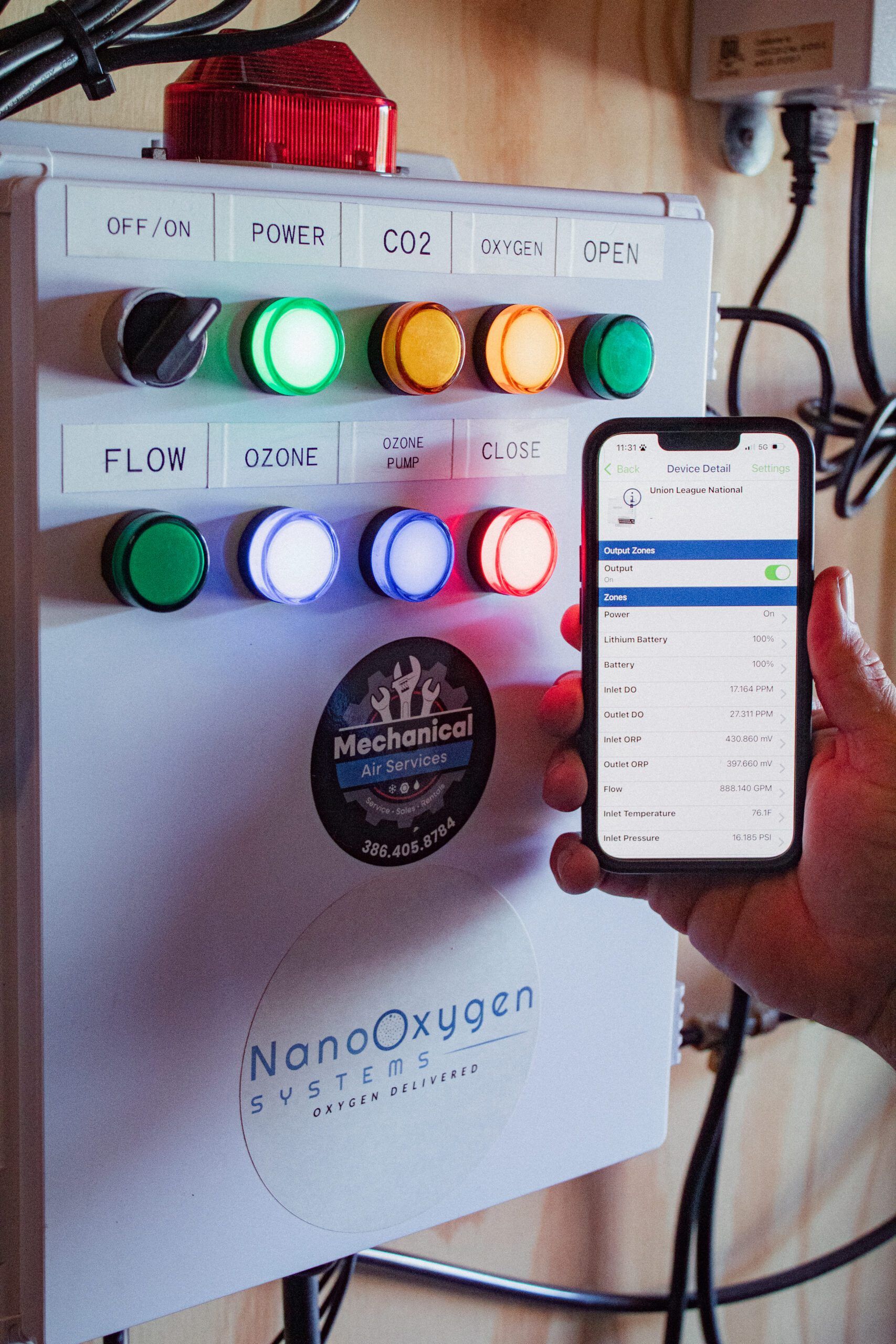
If one area has already demonstrated measurable returns, it’s irrigation.
Water availability, cost and environmental stewardship continue to reshape golf course management across North America.
Smart irrigation systems now combine weather forecasts, soil moisture readings, evapotranspiration models and individual sprinkler control to deliver water only where it’s needed.
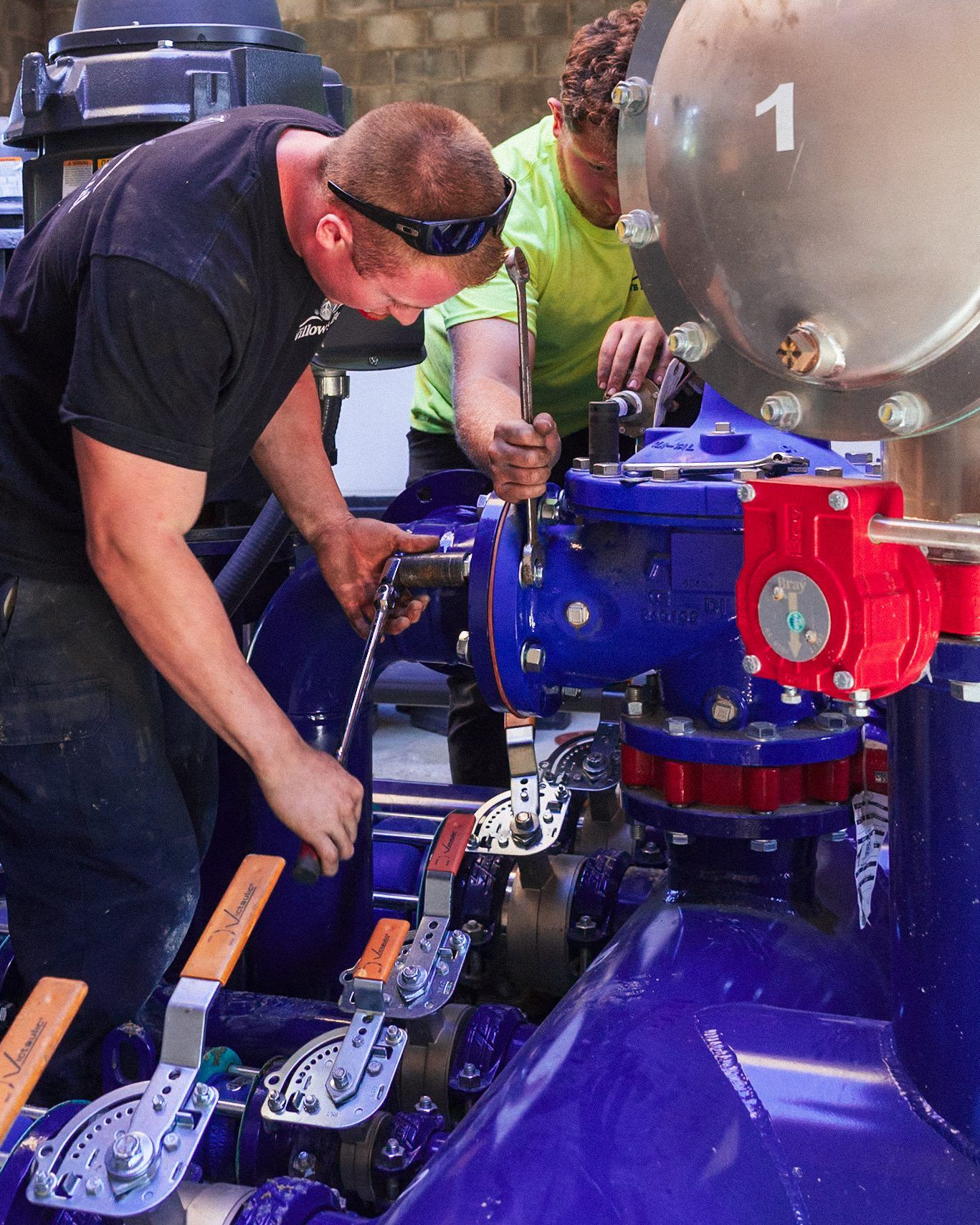
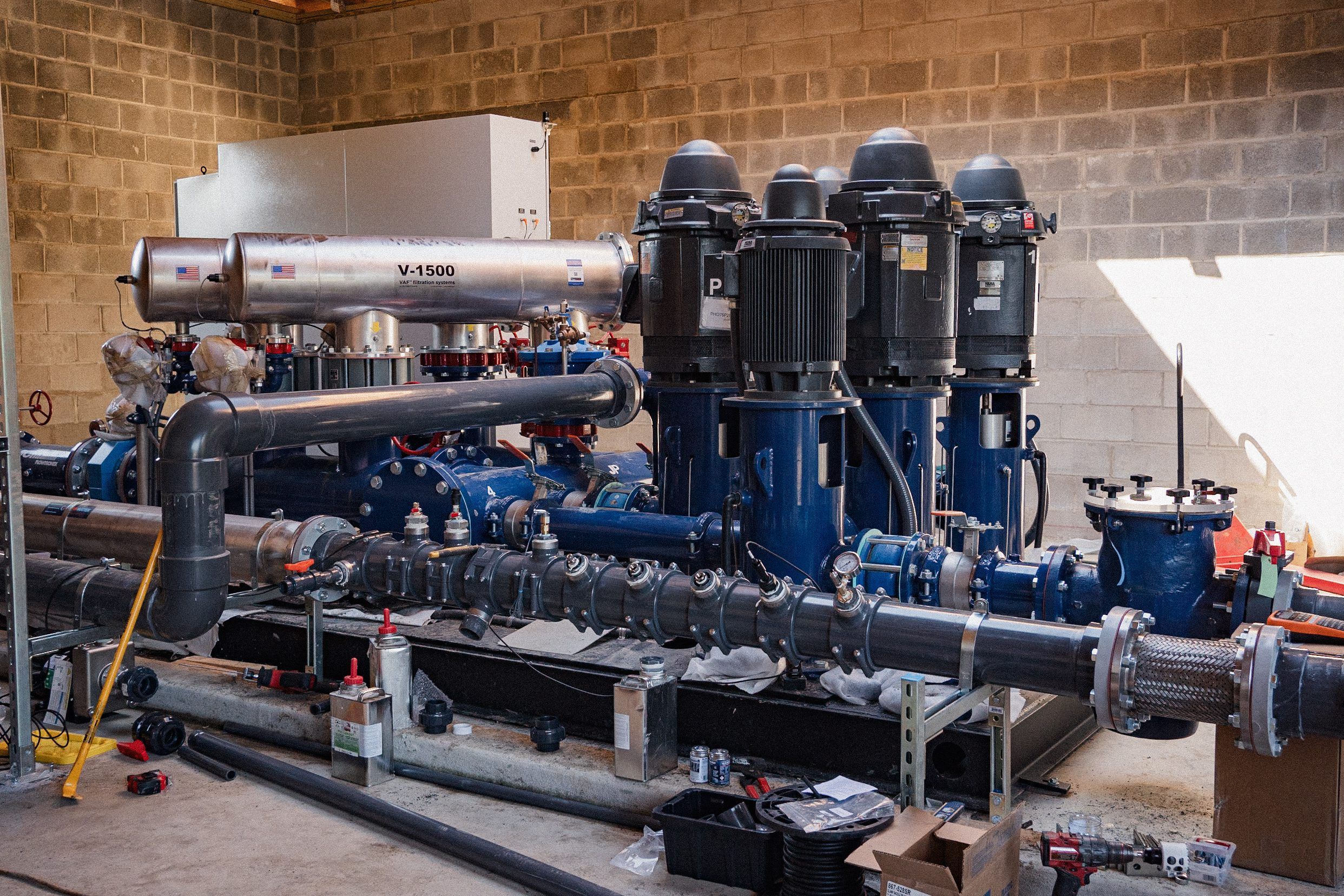
Bordner has seen the transformation. At Union League National, new irrigation controls and pump station technology have improved both water efficiency and water quality, allowing the maintenance team to deliver oxygen-rich irrigation comparable to rainfall while significantly reducing watering time.
Moisture sensors have replaced intuition with measurable data. The experienced superintendent still knows every inch of the property, but objective moisture readings help determine exactly where additional water — or less — is needed.
Owners should recognize that “smart irrigation” involves much more than automatic sprinkler scheduling. It means understanding water quality, soil composition, drainage, disease pressure, labor availability and golfer traffic before deciding how much water should be applied.
As Bordner noted, irrigation isn’t simply about using less water. It’s about applying the right amount in the right place at the right time.
Seeing what was once invisible
Perhaps no emerging technology illustrates the value of data better than precision GPS.
For decades, golf courses understood that cart traffic damaged turf. What they couldn’t determine was exactly where, when or how severely.
Vanslette said precision GPS has fundamentally changed those conversations.
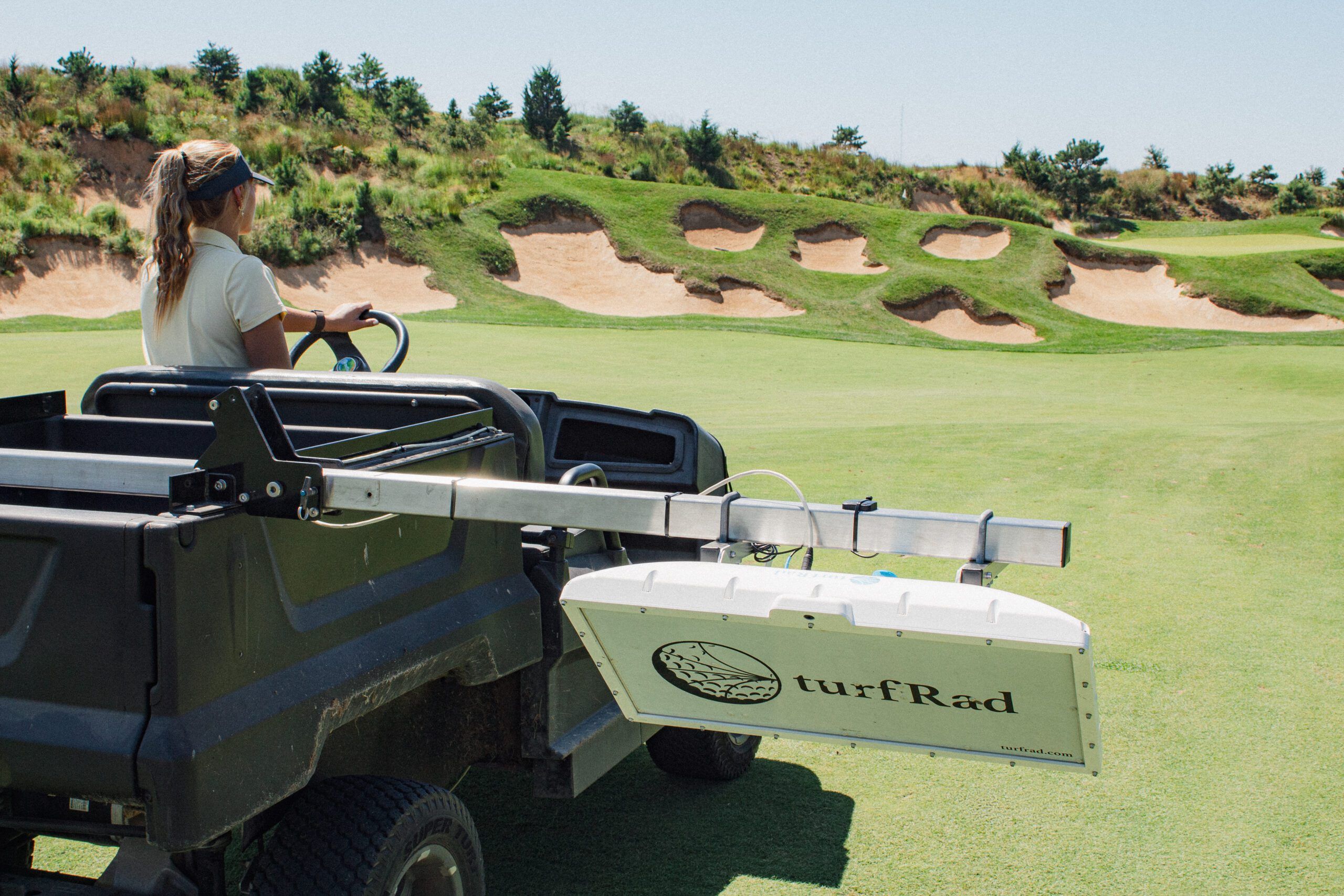
Instead of relying on assumptions, superintendents can now show heat maps identifying where carts repeatedly cross vulnerable turf, where pace-of-play bottlenecks develop and how golfer behavior changes throughout the day. This information provides actionable data.
“The conversation shifts from whether there is a problem to what we do about it,” Vanslette said.
That visibility carries significant financial implications.
Compaction-related repairs often consume a meaningful portion of annual maintenance budgets without owners ever recognizing the true source of those costs. Likewise, recurring pace-of-play backups may quietly reduce tee-sheet capacity and annual revenue.
When owners can finally measure both, operational priorities become much easier to establish.
Integration is the next frontier
Collecting data is valuable. Connecting it may be transformative.
Read said many clubs still operate too many disconnected systems that never exchange information.
Consider a heavily trafficked front nine. The superintendent may recognize worsening turf conditions. Maintenance staff may notice increasing compaction. Yet unless those observations are connected to tee-sheet demand, cart traffic and player flow, the club may continue treating symptoms instead of addressing the underlying cause.
Perhaps more rounds should begin on the back nine. Perhaps tee-time spacing needs adjustment. Perhaps traffic restrictions should change.
Those answers emerge only when operational systems communicate with one another.
Integration also improves communication between ownership, management and maintenance. Rather than debating opinions, everyone reviews the same objective information.
Read encourages clubs to establish regular operational review meetings where owners, general managers and superintendents evaluate common performance metrics together.
The result is greater alignment and fewer emotional decisions.
AI will be an assistant, not the superintendent
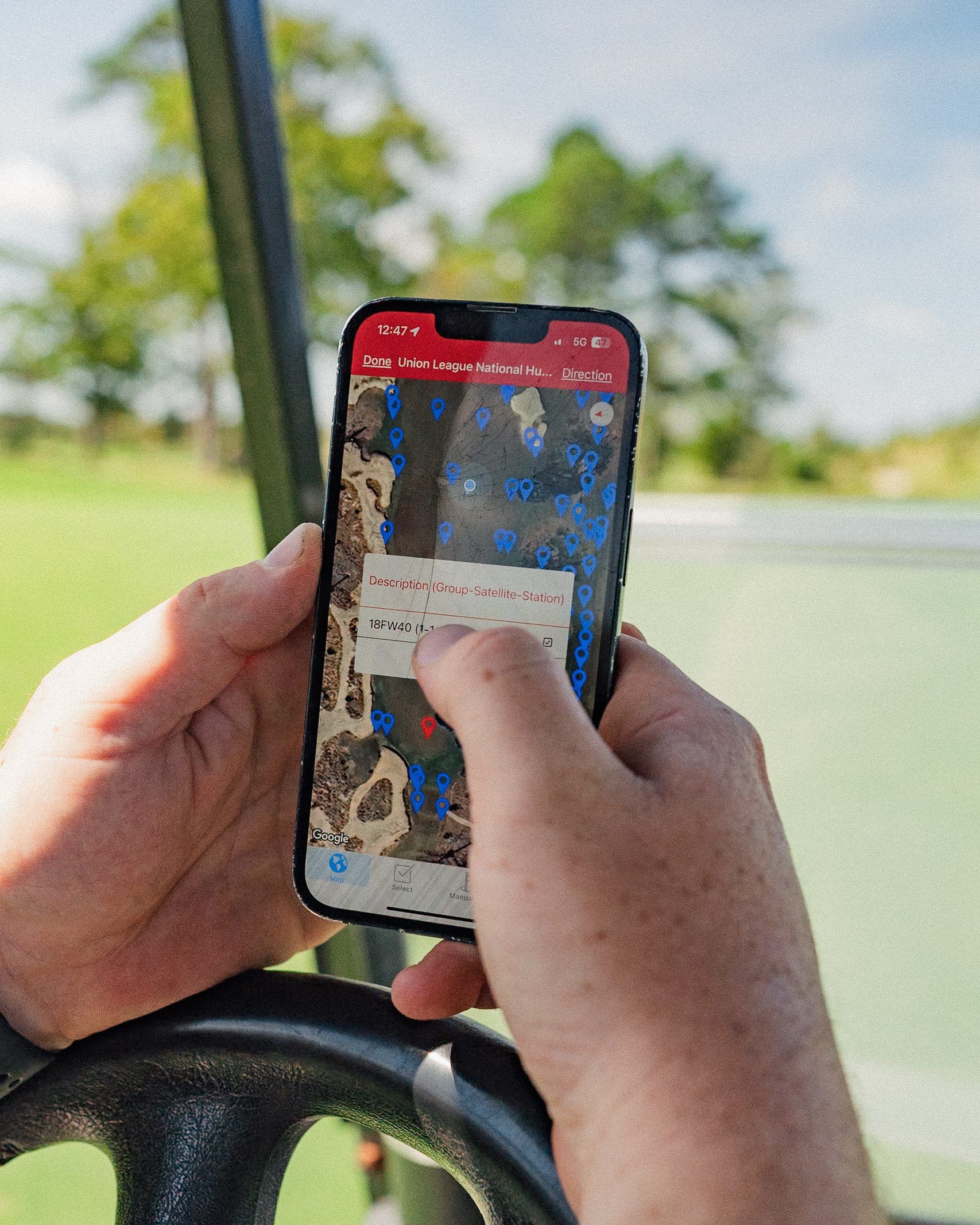
Artificial intelligence remains the industry’s biggest conversation topic. It’s also the most misunderstood.
AI’s greatest value lies in processing enormous amounts of information quickly — not replacing experienced professionals.
Disease prediction, moisture management, equipment maintenance scheduling, task prioritization, labor allocation and predictive maintenance all represent practical applications where AI excels because they’re built upon quality data collected over time.
Bordner believes disease prediction and plant stress monitoring will continue becoming more accurate.
“Tools are evolving to make those decisions easier,” Bordner said. “Will plant stress and moisture detection continue to get easier to troubleshoot before it is visible? I believe that is the next big transformation in turf management to help superintendents be proactive instead of reactive.”
Read sees AI synthesizing information across multiple operational systems so important signals no longer slip through the cracks.
Vanslette envisions AI quietly orchestrating player experiences, operational decisions and maintenance activities behind the scenes while allowing employees to focus on hospitality.
None suggest AI will replace agronomic judgment.
“It cannot handle a member conversation that requires tact,” Vanslette said.
Nor can it replicate the instincts developed by a superintendent walking the golf course every morning. Technology provides intelligence, while experience still provides wisdom.
Leadership determines success
Ironically, the biggest obstacle to smart course management may have nothing to do with software. It’s organizational culture.
Technology adoption begins with leadership. Owners should first evaluate whether their organization embraces change before investing in new systems.
Read recommends beginning with a cultural assessment. Are employees receptive to new workflows? Does leadership consistently support innovation? Are managers willing to experiment, evaluate results and adjust accordingly?
The Olympic Club in San Francisco, one of Whoosh’s technology partners, exemplifies that philosophy by continuously testing autonomous equipment, operational workflows and member-facing technologies rather than assuming existing practices remain the best practices.
Smaller facilities can adopt the same mindset. In fact, they may benefit even more because efficiency gains have an outsized impact on leaner operations.
As Vanslette puts it, owners should “buy the boring foundation” before chasing flashy innovations. Measure operations, collect accurate data, integrate systems, then allow AI to amplify those investments.
Building the course of the future
For owners creating a five-year technology plan, the temptation will be to focus on robotics, artificial intelligence and whatever innovation dominates the next conference floor.
The experts suggest a different roadmap.
First, build a culture willing to embrace change. Second, identify the club’s biggest operational challenges before purchasing solutions. Third, invest in technologies that improve visibility, measurement and decision-making. Only then should clubs begin layering AI, automation and advanced analytics on top of that foundation.
The future golf course won’t necessarily employ fewer people. It will simply equip them with better information.
For owners, that’s perhaps the most encouraging takeaway from today’s technology revolution.
Artificial intelligence won’t replace great superintendents. Connected technology won’t eliminate experience. But together, they can help talented professionals protect their most valuable asset, spend resources more efficiently and create better playing conditions for golfers.
And in an industry where expectations continue rising while labor, water and operating costs grow more challenging every year, making smarter decisions may become the greatest competitive advantage of all.
This article originally appeared in the September/October 2026 issue of Golf Inc.