

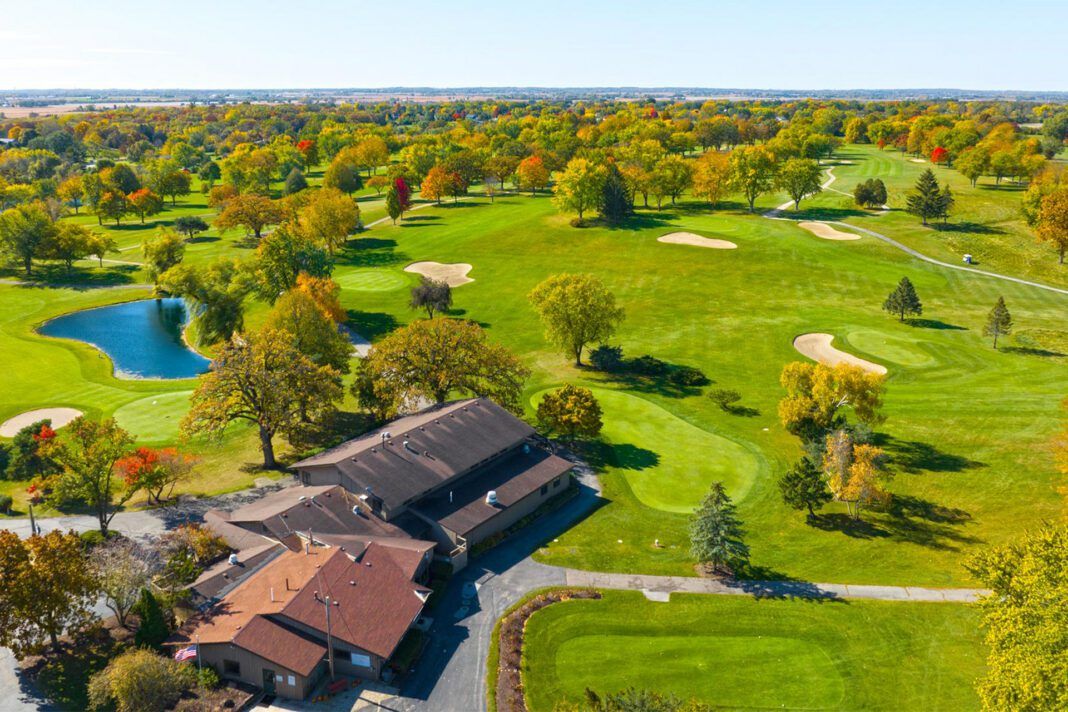
For several months, BNGLW Group focused on purchasing Lakewood, Illinois’ Crystal Woods Golf Club.
The 60-plus-year-old club caught the real estate buyer’s attention for myriad reasons. First, it was only 10 minutes away from Huntley, Illinois’ Whisper Creek Golf Course, one of the buyer’s recent purchases. Second, Crystal Woods is complementary to Whisper Creek; much like Whisper Creek, Crystal Woods is a challenging course, especially due to its unique greens. And, finally, perhaps best of all, Crystal Woods has been well maintained over the years, ensuring BNGLW Group wouldn’t have to invest much money in restoration.
“[The location] allows us to invest more heavily in staffing and specialized equipment that can be shared between the two courses,” said Shivam Patel, managing partner with BNGLW Group.
Chris Charnas, principal of Links Capital Advisors, said BNGLW Group has been aggressive in looking to buy golf properties in the greater Chicago area that meet its desired acquisitions.
“[BNGLW Group] has been strategic in its acquisitions and focused on smaller properties, which are under the radar of major golf operators,” Charnas said.
Such smallness regarding property size makes sense to BNGLW Group due to its small size when compared to organizations like Arcis Golf, Invited and Troon.
Patel views BNGLW Group’s size as a positive rather than a negative. In his opinion, it enables him to conduct business in a completely different way than he would have at a large organization.
Patel and his brother Mohil have created what they term the “Patel Purchase Process.” Prior to beginning any acquisition process, they will visit a property they’re interested in and play an 18-hole round. Afterwards, they’ll have a beer together and determine whether or not they can see themselves enjoying the property over the next decade.
“That cold beer reflection at the end of the round is where a lot of our decision making takes place,” Patel said.
Along with having the luxury to make decisions in an informal way, the Patel brothers conduct business much like larger organizations would too.
During the initial stages of the acquisition process, they analyzed 500-plus pages of due diligence material, analyzed their metrics to compare them with their guideline KPIs, flagging any abnormalities, and identified potential opportunities to increase the club’s profitability.

The combination between formal and informal acquisition processes have certainly paid dividends. So far, the Patels have reaped many benefits from owning two courses near each other. At times, outings have been redirected from one course to another, ensuring each course has an adequate number of golfers, and they’ve transferred staff members between both sources, depending on a particular course’s needs.
Multi-day and multi-course event opportunities have arisen too, as golfers will play at Crystal Woods one day and Whisper Creek another day. Whether they’re participating in leagues or weekend tournaments, golfers have had overly positive responses to these events. They especially like the differences in each course, as Whisper Creek is more apt for long drivers, while Crystal Woods was designed for short game finesse.
BNGLW Group is seeing these benefits sooner than a larger buyer likely would. For instance, Patel finalized Crystal Woods’ acquisition in a matter of months after the process began in December 2025, rather than over the course of years.
“Larger companies have elaborate financial models, forensic accountants and large legal teams,” Patel said. “But boutique investment groups like ours have to adapt and wear all of these hats.”
Such adaptability is key. While large firms have rigid purchasing processes that may lead to years-long transaction processes, small buyers can move with more agility. Their fluidity leads to faster transactions, more boots-on-the-ground research and the ability to focus on more deals quickly.
“The end goal remains the same for larger corporations or boutique investment groups: a successful closing,” Patel said. “The process at which both groups reach is the difference.”
Patel has noticed that small buyers like his can identify, analyze and materialize numerous deals during the same timeframe that a larger corporation finalizes a small number of deals. And this can even vary from one course to another.
“While purchasing Whisper Creek and Crystal Woods for roughly $4 million in less than eight months, we had to approach each acquisition differently,” Patel said. “Since Whisper Creek was sold by a nationwide multi-course operator, we focused heavily on KPIs, financial prorations and vendor legalities.”
He continued, “To the contrary, Crystal Woods was sold by a family that owned and ran the course for 50-plus years, so a lot of the transition involved understanding the day-to-day tendencies and ins-and-outs of the property.”
Charnas noticed that BNGLW Group’s combination of strategy and persistence were factors too. He advises other small buyers to follow suit.
“Be prepared to move quickly and get your due diligence done in a timely manner,” Charnas said. “Sellers appreciate buyers that do what they say they’re going to do and don’t delay closings with minor issues.”
Charnas added, “Have your equity set up and ready to go before making an offer. Also, develop banking relationships so that financing is seamless.”
Relationships first, transactions second
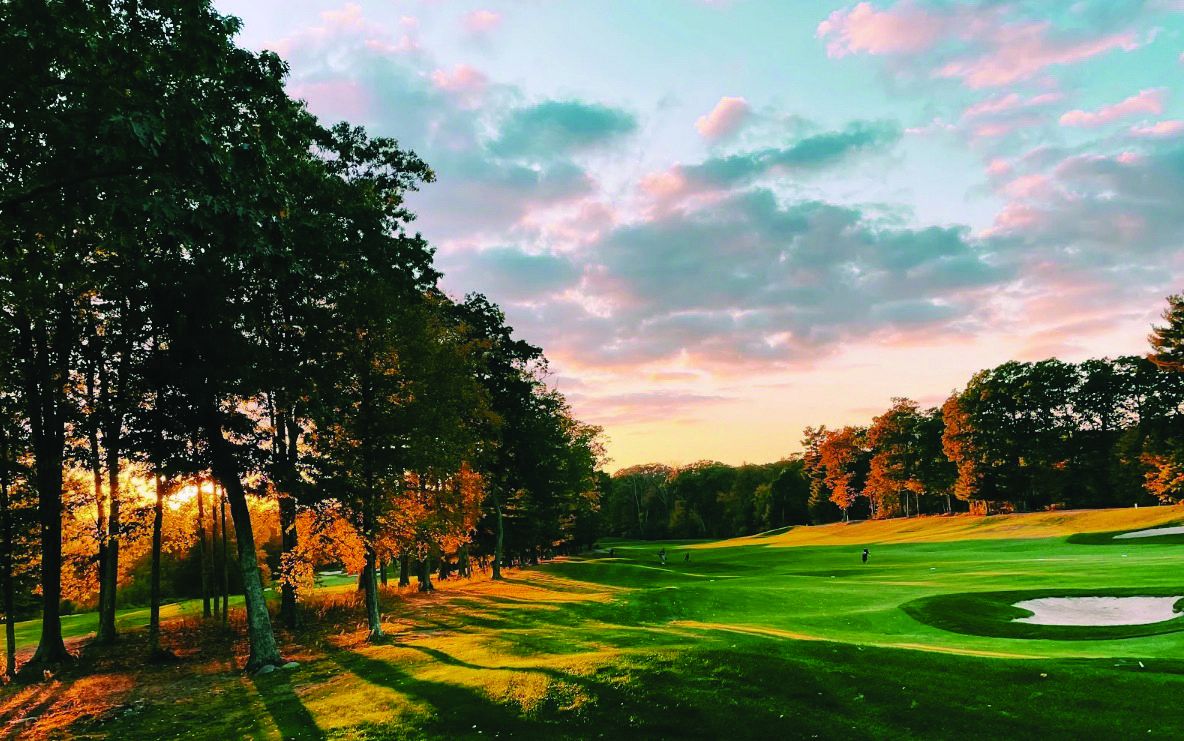
Whenever Alliance Golf seeks out a new golf course to purchase, it looks for quality assets with solid fundamentals. It also focuses on creating long-term value through capital investment.
The small buyer was able to achieve both when it purchased Northbridge, Massachusetts’ Shining Rock Golf Club in December 2025.
Joshua McKim, managing partner at Alliance Golf said the club “stood out from the beginning.”
The club’s reputation was especially prominent, along with its course, infrastructure and two recent investments: a new short course and driving range. Neither investment had reached its full potential yet, but McKim believed they would soon.
“Those investments — combined with our operating approach and long-term ownership philosophy — created an opportunity to build on an already exceptional foundation, while preserving everything that made the property special,” McKim said.
Alliance Golf begins its acquisitions with owners and develops relationships with them prior to making any offers. This leads each side of the aisle to determine whether or not an acquisition will be a good fit.
As Alliance Golf prepared to buy Shining Rock, the company focused on this process once again. However, unlike some acquisitions, this one was quite fast, as relationships were formed quickly and an offer was closed swiftly.
“From our first tour of the property to signing the Letter of Intent was just five days, and we closed in less than 80 days from the signed LOI,” McKim said. “The sellers were great to work with, and there was a high level of trust on both sides.”
Although the process was smooth, some issues still arose, as is the case with virtually any acquisition. Since the property’s parcels were complex, the ALTA/NSPS survey and title work weren’t completed as timely as Alliance Golf anticipated. But since a relationship was established, trust was formed and communication was high; everyone remained focused on the end goal and worked through the issue together.
Everyone involved felt good about the acquisition and Alliance Golf now has a high-quality facility that it can build upon, while focusing on the long run, using its operating experience and investing thoughtfully.
“At the end of the day, we’re not developers looking to repurpose golf courses. We’re golfers,” McKim stressed. “I’m a PGA professional; that perspective shapes every acquisition we make.”
McKim is committed to preserving golf courses like Shining Rock, investing in them for the future and “creating lasting value for golfers, employees, investors and the communities they serve.”
Due to the golf industry’s high fragmentation, McKim said that this is a great time for buyers of all sizes to continue to purchase, regardless of the approaches they may have while doing so.
In retrospect, Alliance Golf employed many of the same strategies typically used by larger buyers, such as performing comprehensive due diligence; leveraging experienced accounting, banking, legal, and real estate advisors; and establishing a detailed transition plan. Despite these similarities, several key distinctions became apparent.
For starters, Alliance Golf sources purchasing opportunities differently than larger buyers. Each of its acquisitions — aside from one — has been off market, allowing the team to work directly with every owner. Before a property is ever marketed formally, Alliance Golf will already build relationships, understand the owner’s long-term goals and know if a course is the right fit.
“That benefits everyone involved. Owners work directly with the people who will ultimately own and operate the golf course,” McKim said. “And we’re able to have honest conversations about the property’s future, rather than simply focusing on price. In many cases, that leads to more creative solutions and a smoother transition for everyone.”
Whether the small buyer is working directly with an owner, just as it did for Shining Rock’s acquisition, or meeting with investors, the company strives to establish an alliance that has a foundation of “trust, transparency and shared goals.”
McKim recommends other buyers to do the same, while finding partners that can complement their strengths.
“The best deals happen when great assets, experienced operators and long-term capital come together with everyone working toward the same objective,” McKim said. “That’s the approach we’ve taken from the beginning, and it’s one we’ll continue to build our company around.”
Large portfolio, boutique feel
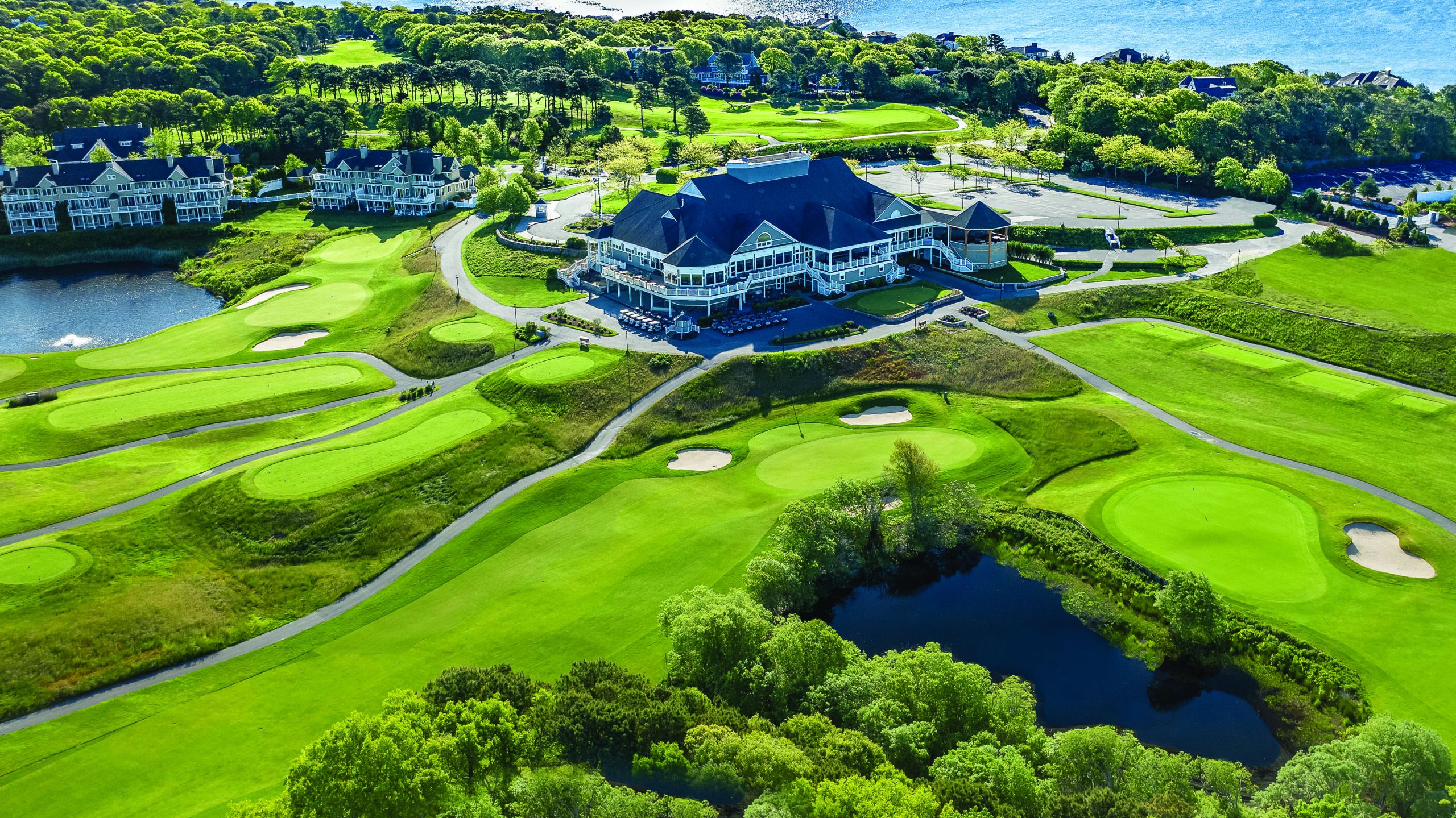
Each year, Concert Golf Partners purchases various upscale private golf clubs. Its assets are valued at more than $1 billion.
Unlike BNGLW Group and Alliance Golf, Concert Golf Partners is a large buyer and it’s also a smart buyer, as shown by its recent $60 million purchase of Mashpee, Massachusetts’ The Club at New Seabury.
The company’s pursuit of the club began a few years ago, as it focused on establishing relationships, just as Alliance Golf does.
Through patience and persistence, Concert Golf Partners developed trust with the club’s previous owners, IE Homes Clubs and Resorts.
Plans were discussed and Concert Golf Partners was interested in reinvesting in the club’s facilities and amenities, rather than redeveloping the property. Culture, traditions and members’ experiences would be a primary focus too.
By being transparent, Concert Golf Partners was chosen among many other interested buyers.

“We own and operate our clubs in perpetuity,” said Jordan Peace, senior vice president of Concert Golf Partners. “With The Club at New Seabury being such a special place, we were confident it was a smart club to add to our portfolio.”
This has indeed been the case. Its first nine holes are nestled alongside the Atlantic Ocean. It offers a 300-acre property, including a 42,000-square-foot clubhouse and a private beach club. It has restaurants, indoor and outdoor tennis, 27 other holes and countless other amenities. But none of this would have been possible without Concert Golf Partners’ commitment to relationships.
“Whether it’s a large or small property, and no matter the structure of ownership (single owner, member-owned, corporate-owned, etc.), it’s all about the relationships you form, and having follow-through to do what you said you were going to do,” Peace said. “The trust factor of what we promised — and have delivered ever since — is paramount.”
As Concert Golf Partners prepares for the future, it will likely continue to grow its assets and will simultaneously offer the “feel” of a small buyer.
“We look forward to strategically adding new clubs to our portfolio, while maintaining the boutique feel of our management style and clubs,” Peace said.
The fact that Concert Golf maintains this type of boutique feel despite its size isn’t overly surprising to Brandon Schempp, first vice president of CBRE. He’s noticed that small buyers are approaching their acquisitions like large investment groups.
As shown by companies like Alliance Golf, small buyers are conducting thorough financial and operational due diligence. They’re engaging with accountants, agronomics, attorneys, consultants and lending partners. And they’re surrounding themselves with robust advisory teams.
“Large and small buyers have become increasingly sophisticated,” Schempp said. “The gap between how a private buyer and a larger investment group evaluate a golf course has narrowed considerably over the past decade.”
In Schempp’s opinion, there is just one key difference: agility.
“The most successful private buyers are often utilizing many of the same underwriting methods, diligence practices and professional advisors that institutional buyers rely on,” he said. “They’re just nimbler in their application.”
This article originally appeared in the September/October 2026 issue of Golf Inc.